Evan Lee Salim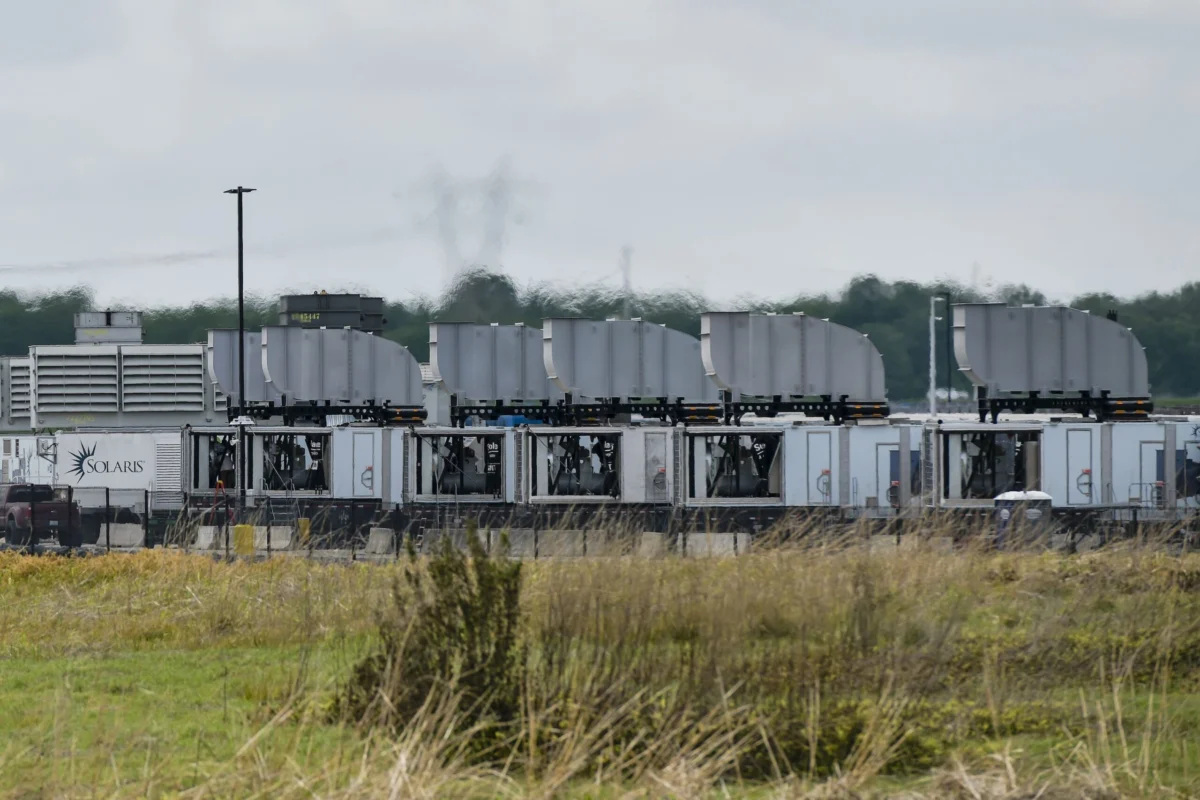
SpaceX confirmed on Thursday its intention to dismantle and remove the unpermitted gas turbines currently powering its xAI data centers located near Memphis, Tennessee, as the company prepares to transition to a permanent 1.2 gigawatt (GW) natural gas power plant. This move comes amidst mounting legal pressure and scrutiny over the environmental impact of the temporary power generation units that have been operating without federal and state permits for an extended period. The full removal of the existing turbines, however, is not expected until July 2027, indicating a protracted transition phase for the energy-intensive AI operations.
The Genesis of Controversy: Unpermitted Operations and Environmental Concerns
The xAI data centers, colloquially known as "Colossus," have been a focal point of environmental and regulatory contention since their inception. Currently, 69 gas turbines are in operation, supplying power to the burgeoning AI infrastructure. Many of these units have been running for months, drawing significant criticism from environmental advocacy groups. The National Association for the Advancement of Colored People (NAACP) and the Southern Environmental Law Center (SELC) have initiated a lawsuit against xAI, alleging violations stemming from the unpermitted operation of these turbines. Their legal action underscores a broader concern about environmental justice, as the data centers are situated in a region already grappling with a disproportionate burden of industrial pollution.
The company’s defense for operating these turbines without permits has centered on their mobility. SpaceX has argued that because the turbines remain on the trailers they were originally shipped on, they are exempt from certain permitting requirements. However, federal regulations, particularly those under the Clean Air Act, stipulate that industrial emission sources of a certain size and operational capacity require comprehensive permits, irrespective of whether they are mounted on temporary structures. These regulations are designed to prevent significant air quality degradation and protect public health by requiring rigorous review of potential emissions. The current turbines, by virtue of their size and continuous operation, are considered a "major source" of air pollution, necessitating permits that regulate emissions of harmful pollutants.
The environmental implications of these unpermitted operations are substantial. The turbines are located just south of Memphis in Mississippi, a region frequently cited as one of the most polluted in the United States. This area, part of what some refer to as a "sacrifice zone," already experiences elevated levels of air and water contamination from existing industrial facilities. The operation of xAI’s gas turbines has the potential to emit over 2,000 tons of smog-forming nitrogen oxides (NOₓ) annually. NOₓ compounds are potent air pollutants that contribute to the formation of ground-level ozone (smog), acid rain, and particulate matter. Exposure to these pollutants can lead to a range of severe health problems, including respiratory illnesses, cardiovascular disease, and increased risk of premature death, particularly among vulnerable populations such as children, the elderly, and individuals with pre-existing conditions. The added emissions from xAI’s unpermitted turbines exacerbate an already critical public health situation in a community that has historically borne the brunt of industrial pollution.
A Complex Timeline of Corporate Strategy and Legal Battles
The narrative surrounding xAI’s power infrastructure is intertwined with Elon Musk’s broader corporate strategy. xAI, founded by Musk to "understand the true nature of the universe" and develop AI that can assist humanity, requires immense computational power, and thus, enormous energy resources.
- Initial Operations (Months prior to announcement): The 69 gas turbines began operating to power the nascent Colossus data centers, reportedly without the necessary federal and state air quality permits.
- February 2026: SpaceX formally acquired xAI, consolidating Musk’s ventures and bringing the AI company under the larger SpaceX umbrella. This acquisition signaled a deeper integration of xAI’s ambitious projects with SpaceX’s extensive resources.
- May 2026 (Implied by lawsuit date): The NAACP and Southern Environmental Law Center filed their lawsuit against xAI, challenging the legality of its unpermitted turbine operations and highlighting the environmental justice concerns.
- IPO Filing Disclosure: In its initial public offering (IPO) filing, SpaceX revealed plans to invest a staggering $2.8 billion in gas turbines for its data centers over the subsequent three years. This disclosure underscored the company’s long-term commitment to gas-fired power generation for its rapidly expanding AI infrastructure.
- June 2026: The Department of Justice (DOJ) made a surprising intervention in the NAACP’s lawsuit, siding with SpaceX. The DOJ’s rationale was that the continued operation of the unpermitted turbines was a matter of "national, economic, and energy security." This intervention introduced a new, high-stakes dimension to the legal battle, suggesting the federal government viewed xAI’s operations as critical to broader strategic interests.
- July 2026 (Current Announcement): SpaceX announces its plan to remove the unpermitted turbines and transition to a permanent, permitted 1.2 GW natural gas plant, with a full removal target of July 2027.
- Earlier in 2026: Elon Musk acquired APR Energy, a company specializing in temporary natural gas power solutions. This acquisition added another layer of complexity, hinting at future energy strategies for Musk’s various enterprises.
The Department of Justice’s Intervention: A Question of National Security
The DOJ’s decision to support SpaceX in the lawsuit against the NAACP was a significant development, raising questions about the balance between environmental protection and perceived national interests. By classifying the unpermitted turbines as a matter of "national, economic, and energy security," the DOJ suggested that the immediate cessation of their operation, as sought by the plaintiffs, could jeopardize critical infrastructure or strategic advantages related to AI development.
This stance implies that the U.S. government views robust AI capabilities, particularly those developed by entities like xAI, as essential for maintaining a competitive edge in the global technological landscape and potentially for national defense. The argument for "energy security" likely pertains to ensuring a stable and uninterrupted power supply for these critical data centers, especially given the monumental energy demands of advanced AI models. This intervention, while unusual in an environmental permitting case, highlights the growing recognition of AI’s strategic importance at the highest levels of government. However, it also sets a potentially concerning precedent, where environmental regulations could be overridden or delayed in the name of national security, especially in communities already burdened by pollution. Critics argue that such interventions undermine the very principles of environmental law and justice, disproportionately affecting communities that have historically lacked political power.
The Path Forward: A Permanent, Permitted Power Solution
SpaceX’s announcement of a transition to a permanent 1.2 GW natural gas power plant represents a shift towards a more compliant and potentially more efficient energy solution. According to permit documents issued by the state of Mississippi, this new plant will comprise 41 gas turbines, ranging in individual capacity from 16.48 megawatts (MW) to 50 MW. This configuration suggests a diversified and scalable power generation system, capable of meeting the enormous and growing electricity demands of the Colossus data centers.
The 1.2 GW capacity is substantial, equivalent to a large conventional power plant, underscoring the scale of energy required for advanced AI computation. For context, a typical nuclear power plant generates around 1 GW, and a major city can consume several gigawatts of power. The fact that a single data center complex requires such a massive dedicated power source illustrates the profound energy footprint of modern AI.
While the new plant will still be natural gas-fired, the critical difference is that it will operate under proper permits, which entail adherence to stringent environmental standards and emission controls. Permitting processes typically require the installation of best available control technologies (BACT) to minimize emissions of pollutants like NOₓ, sulfur dioxide (SO₂), particulate matter, and volatile organic compounds (VOCs). This transition, while not moving away from fossil fuels, is expected to significantly reduce the uncontrolled emissions that have been a central point of the NAACP and SELC lawsuit. The extended timeline for removal until July 2027 suggests the complexity of constructing a facility of this magnitude and integrating it into the existing data center operations, as well as the logistical challenges of dismantling and relocating the current 69 temporary turbines. During this interim period, the environmental groups and local residents will undoubtedly remain vigilant regarding the continued operation of the unpermitted units.
Broader Implications and Unannounced Projects
The saga of xAI’s power infrastructure offers several broader implications. Environmentally, while the shift to a permitted plant is an improvement over unpermitted operations, it still represents a significant commitment to fossil fuel-based energy in an era demanding a rapid transition to renewable sources. The sheer scale of the 1.2 GW plant will contribute to greenhouse gas emissions, albeit within regulated limits. This highlights the paradox of advanced technological development requiring immense energy, often sourced from carbon-intensive fuels, thereby exacerbating climate change even as AI is touted as a tool for sustainability.
From a regulatory perspective, the case underscores the ongoing tension between rapid technological deployment and adherence to established environmental laws. The DOJ’s intervention, particularly, could set a precedent for future cases involving critical infrastructure, potentially creating a pathway for temporary exemptions or delays in environmental compliance in the name of national security or economic competitiveness. This raises important questions about transparency, accountability, and the role of public input in such decisions.
Furthermore, the acquisition of APR Energy by Elon Musk earlier this year adds an intriguing layer to xAI’s energy strategy. APR Energy specializes in providing temporary natural gas power solutions. An archived version of APR Energy’s website, prior to its removal, showcased a fleet of turbines that appear to be different from those cited in the permits for the new, permanent 1.2 GW Colossus power plant. This discrepancy leads to the logical inference that the turbines from APR Energy are likely intended for another, as-yet-unannounced project. Given the exponential growth in demand for AI processing power, it is plausible that xAI or other Musk-led ventures are planning additional data centers or expanding existing ones, each requiring substantial and dedicated power generation. The $2.8 billion turbine purchase mentioned in SpaceX’s IPO filing further supports the notion of an aggressive expansion strategy that necessitates a robust and extensive energy infrastructure.
This complex scenario involving unpermitted operations, legal challenges, government intervention, and a strategic pivot to a permanent power solution underscores the significant energy demands of the artificial intelligence revolution. It also highlights the intricate interplay between technological innovation, environmental responsibility, and national strategic interests, particularly as AI continues to reshape global economic and geopolitical landscapes. The journey to power Colossus responsibly, and efficiently, is far from over, and its unfolding will likely continue to draw close attention from regulators, environmental advocates, and the public alike.