Vera Intan Clara
A recent TikTok video, shared by user @londonelii, has swiftly captured international attention, accumulating over 138,000 views since its publication and sparking a widespread discussion regarding the escalating pressures faced by front-line service workers. The video compilation features a series of highly unusual and often frustrating customer interactions that the TikToker claims left her feeling "overwhelmed" during her shifts, prompting her to joke in the caption that these patrons seemed "paid to frustrate her"—a sentiment that has deeply resonated across her extensive online audience. This incident transcends a mere viral moment, delving into the core challenges of the modern service industry, the evolving dynamics of consumer behavior, and the profound impact of social media as a platform for collective worker expression and shared experience.
The Genesis of a Viral Phenomenon: Unpacking the Customer Encounters
The video, which rapidly gained traction across various social media platforms beyond TikTok, meticulously documents several instances of customer interactions that highlight a growing disconnect between consumer expectations and the realities of service provision. Londonelii curated these specific moments, presumably recorded during periods when she felt particularly "over-stimulated" or challenged on duty. The diverse array of peculiar requests and behaviors showcased in the compilation serves as a microcosm of the daily frustrations experienced by countless individuals in customer-facing roles.
The "Banana Muffin" Saga: The video commences with a seemingly innocuous request for a banana muffin. However, the interaction quickly escalates when the customer, informed that the item was sold out, persistently questioned the availability, even insisting that the employee "check in the back." This initial exchange sets the tone for the compilation, illustrating a common scenario where customers disregard explicit information and challenge staff authority. The same individual then proceeded to demand a complete ingredient list for the sold-out muffin, pushing the boundaries of what is typically expected or feasible from a front-line service worker. This incident highlights a trend of consumers seeking detailed product information, often beyond the immediate knowledge of staff, driven by increasing awareness of dietary restrictions, allergies, and nutritional content.
The Enigma of "Almond Breeds": One of the most bewildering interactions featured a customer who, upon hearing "almond flour" listed as an ingredient, inquired about the "breed of almond." When informed that almonds do not have "breeds" in the conventional sense, the customer, purportedly a nutritionist, adamantly asserted their knowledge of various almond breeds. This specific encounter underscores a broader issue: the intersection of specialized consumer knowledge (or perceived knowledge) with the general product information typically provided by service staff. While consumers are increasingly health-conscious and ingredient-aware, such highly specific and scientifically dubious questions can place undue strain on employees who are trained for service, not botanical or culinary expertise. It exemplifies a growing trend where customers bring external, sometimes inaccurate, information into service interactions, challenging staff who may not be equipped to debate or validate such claims.
Precision in a Strawberry Matcha Latte: The video further highlights a moment involving a highly specific order for a popular strawberry matcha latte. This customer demanded an exact count of strawberries and ice cubes, requesting precisely three of each. Such meticulous customization, while seemingly harmless, can significantly disrupt service flow, especially during peak hours. It reflects a consumer trend towards hyper-personalization, often influenced by social media "menu hacks" or aesthetic preferences, which can add complexity and time to tasks typically designed for efficiency. For staff operating under time constraints, fulfilling such precise, non-standard requests can contribute to feelings of stress and inefficiency.
The "Pasta Without Noodles" Paradox: Perhaps the most illustrative example of the bizarre food orders featured in the video involved a customer first requesting tomato soup, an item not on the menu. Despite its unavailability, the patron urged the employee to "make a note of that with their manager," implying an expectation that the menu should adapt to their immediate desires. Subsequently, the same individual, having accepted the soup’s absence, ordered a chicken pesto pasta—but explicitly without the noodles, requesting "only the pesto and chicken." The interaction reached its peak frustration when the customer received the bill and questioned why they were being charged for a full pasta dish when they had excluded its primary component. This scenario perfectly encapsulates the challenges of custom orders clashing with fixed pricing structures and inventory management, highlighting a common customer perception that removing ingredients should reduce cost, even when the labor and primary components (like the sauce and protein) remain.
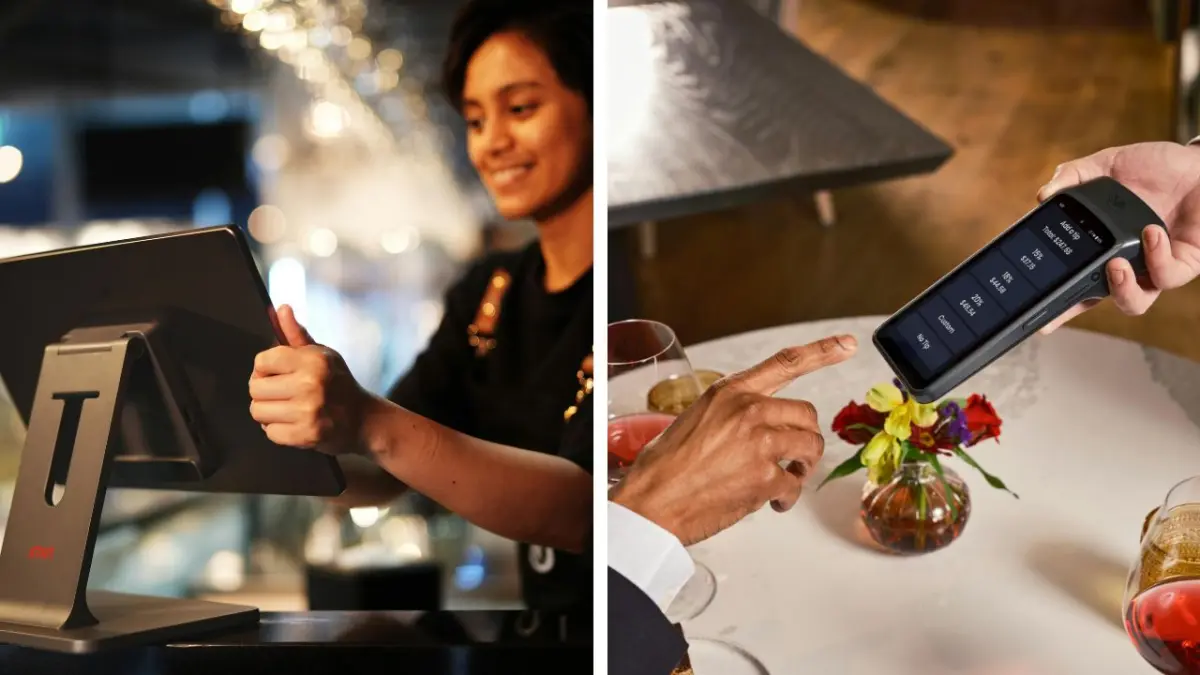
The Tipping Culture Conundrum: The climax of this particular interaction, and a poignant commentary on contemporary service industry debates, occurred when the customer, in addition to disputing the bill, inquired if there was a "no tip" option. This direct question served as a stark reference to the ongoing "tipping culture crisis," a highly contentious issue frequently discussed by influencers on TikTok and featured in publications like The Daily Dot. This aspect of the video taps into a wider societal debate about appropriate compensation for service workers, the fairness of tip-based wages, and the increasing burden placed on consumers to supplement staff incomes. The customer’s inquiry, in the context of their earlier demanding and confusing order, adds another layer of complexity to the discussion, raising questions about consumer entitlement versus fair compensation.
The Broader Context: Customer Service in the Digital Age
The virality of @londonelii’s video is not an isolated incident but rather a symptom of deeper, systemic issues within the customer service industry, exacerbated by the pervasive influence of social media. Service workers, particularly in hospitality and retail, are increasingly at the forefront of evolving consumer expectations, technological advancements, and economic pressures.
Emotional Labor and Burnout: Customer service roles demand significant emotional labor, requiring employees to manage their own emotions while responding to customers’ feelings, often under duress. Research from organizations like the American Psychological Association indicates that service industry workers consistently report higher levels of stress and burnout compared to many other sectors. A 2022 survey by the National Restaurant Association found that staff turnover rates remain exceptionally high, with difficult customer interactions frequently cited as a primary reason for employees leaving the industry. The constant need to maintain a cheerful demeanor, even in the face of unreasonable demands, takes a substantial psychological toll.
The "Customer is Always Right" Fallacy: While customer satisfaction remains paramount for businesses, the traditional mantra of "the customer is always right" has, in many instances, fostered an environment of unchecked consumer entitlement. This philosophy, when taken to extremes, can lead to employees feeling disempowered, undervalued, and unprotected from abusive or unreasonable behavior. The TikToker’s experiences reflect a growing pushback against this absolute interpretation, with workers advocating for their right to be treated with respect and for businesses to support their staff.
Social Media as a Venting and Advocacy Platform: Platforms like TikTok have transformed into digital town squares where service workers can collectively share their experiences, frustrations, and insights. This trend provides a crucial outlet for individuals who might otherwise feel isolated in their daily struggles. The comments section of @londonelii’s video quickly became a confessional, with hundreds of users sharing similar anecdotes: "How many calories are in this sauce?" or "Do you have the unicorn frappe?" even when standing in front of a ‘sold out’ sign. This collective commiseration not only validates individual experiences but also builds solidarity and sheds light on systemic issues that were once largely hidden from public view. The potential for such content to go viral means that individual frustrations can quickly escalate into broader societal conversations, influencing public perception and potentially driving calls for change.
Implications and Analysis: A Shifting Landscape
The widespread resonance of Londonelii’s video carries several significant implications for the service industry, consumer behavior, and the future of work.
For Service Providers and Businesses:
- Employee Well-being: The video underscores the critical need for businesses to prioritize employee mental health and provide robust support systems. This includes comprehensive training on de-escalation techniques, clear policies for handling difficult customers, and empowering staff to decline unreasonable requests without fear of reprisal. Investing in employee well-being can reduce turnover and improve overall service quality.
- Training and Empowerment: Businesses may need to re-evaluate their training programs to equip employees not only with product knowledge but also with strategies for managing complex customer interactions and setting boundaries. Empowering staff to say "no" respectfully or to escalate issues to management without fear of negative consequences is crucial.
- Menu and Pricing Clarity: The "pasta without noodles" incident highlights the importance of clear menu descriptions and flexible pricing structures for custom orders. While customization is a growing trend, businesses must balance accommodating requests with maintaining operational efficiency and fair pricing.
For Consumers:
- Empathy and Awareness: The video serves as a powerful reminder for consumers to approach service interactions with empathy and a realistic understanding of the demands placed on front-line staff. A greater awareness of the challenges faced by service workers can foster more respectful and productive exchanges.
- The Tipping Debate: The mention of a "no tip" option reignites the complex debate surrounding tipping culture. While some consumers express frustration with increasing expectations for tips, particularly for what they perceive as standard service, many argue that tips are essential for supplementing often-low base wages in the service industry. This ongoing discussion calls for a re-evaluation of compensation models and transparency from businesses.
The Role of Social Media:
- Amplifying Worker Voices: TikTok and similar platforms have become indispensable tools for workers to share their stories and collectively advocate for better working conditions. This collective voice can put pressure on businesses and policymakers to address systemic issues.
- Potential for Misinformation/Bias: While powerful, social media also carries the risk of presenting one-sided narratives or exaggerating isolated incidents. It is crucial for viewers to approach such content critically and understand that individual experiences, while valid, may not represent the entirety of customer-service interactions.
Expert Perspectives
Industry analysts and behavioral psychologists weigh in on the phenomena highlighted by @londonelii. Dr. Elena Petrova, a sociologist specializing in labor relations, notes, "What we’re seeing is a collision of heightened consumer expectations, often fueled by personalized digital experiences, and the persistent human limitations of front-line service. Workers are expected to be infinitely knowledgeable, endlessly patient, and capable of miracles, all while navigating often stressful work environments."
Consumer behavior specialist Mark Jensen adds, "The ‘breed of almond’ and ‘pasta without noodles’ scenarios are fascinating examples of consumers projecting their own specialized knowledge or desire for extreme customization onto a service interaction without fully understanding the operational constraints. The ‘no tip’ inquiry, following such a demanding interaction, perfectly illustrates the tension between perceived entitlement and the economic realities of the service industry."
A Call for Dialogue and Change
The viral success of @londonelii’s video is more than just fleeting online entertainment; it is a significant cultural touchstone that illuminates the often-unseen struggles of the service industry. It acts as a catalyst, urging both businesses and consumers to engage in a more empathetic and constructive dialogue about the nature of service, fair compensation, and mutual respect. As the digital age continues to reshape how we interact and consume, the fundamental human element of service remains, and with it, the imperative to ensure that those who provide it are treated with dignity and understanding. The conversations ignited by videos like Londonelii’s are crucial steps towards fostering a more equitable and sustainable service economy for everyone involved.