Vera Intan Clara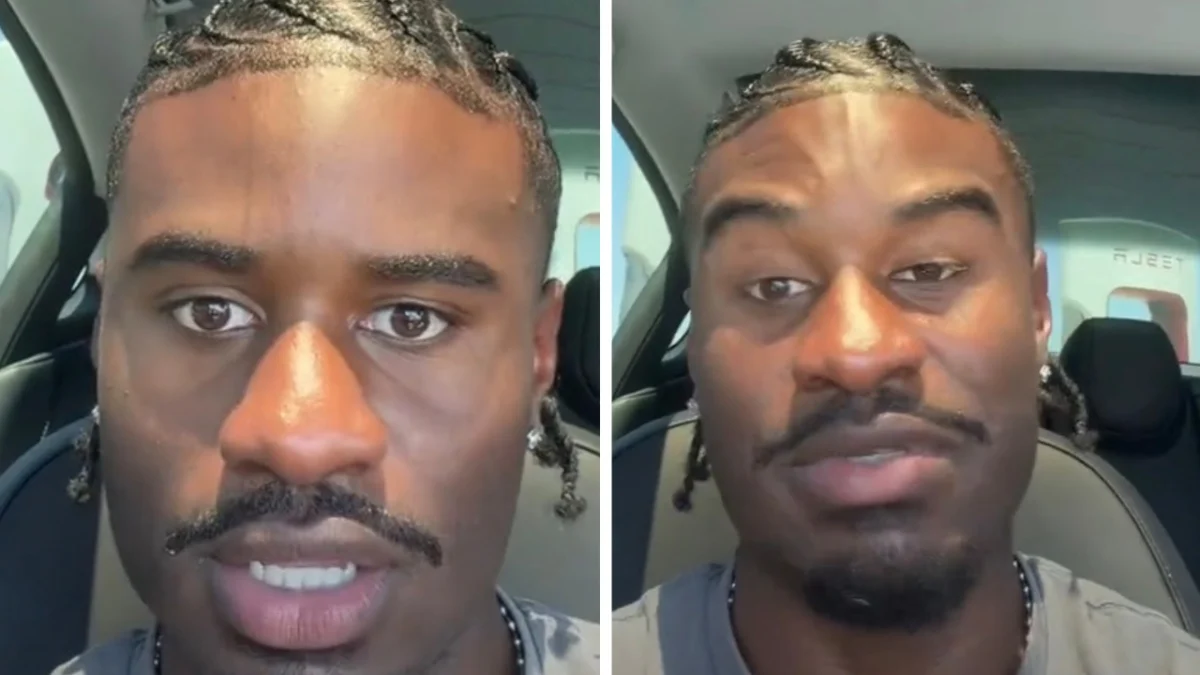
The recent resurgence of a decade-old narrative on TikTok has cast a spotlight on the rigid corporate policies within the fast-food industry, reigniting a public discourse about employee discretion, customer satisfaction, and the human element in transactional service. Maxwell, who shared his experience under the TikTok handle @maxwellsvision, recounted how his first job at Carl’s Jr. concluded abruptly after he offered a waiting customer a complimentary cookie without explicit managerial authorization. This incident, now circulating widely, serves as a poignant case study illustrating the delicate balance between corporate protocol and the seemingly simple act of goodwill in customer relations.
The Genesis of a Viral Story: A Slow Shift Turns Chaotic
Maxwell’s journey into the fast-food world began as a typical after-school job, working four days a week at Carl’s Jr. His primary station was the drive-thru, an area he described as generally slow, punctuated by periods of quiet monotony. This routine, however, was shattered one Tuesday night, transforming a predictable shift into a high-pressure environment that would ultimately lead to his dismissal. The dramatic shift in pace began when a coworker departed for a lunch break, just moments before an unexpected surge of customers descended upon the restaurant. Suddenly, a queue of approximately ten vehicles snaked through the drive-thru lane, creating an immediate and intense demand on the remaining staff.
Maxwell, relatively new to the role with only four months of experience, typically managed the less complex tasks of preparing drinks and fries. However, the sudden rush necessitated a reallocation of duties. Esmeralda, a veteran employee with an estimated 15 years of service at the establishment, summoned Maxwell into the kitchen to assist with burger preparation. This move placed Maxwell directly into the heart of the culinary operation, a role he was less accustomed to and for which he had limited training.
Workplace Dynamics and Escalating Tensions
The transition to burger assembly proved challenging for Maxwell. He particularly struggled with the precise sauce portions required for the "Double California Classics," a signature item. Esmeralda, under the pressure of the overwhelming rush, repeatedly corrected his technique, her instructions reportedly escalating into shouts. Maxwell, feeling increasingly flustered and nervous under the verbal barrage, eventually asked her to cease yelling, explaining that it was hindering his ability to perform effectively. Esmeralda’s alleged response was stark: if he couldn’t handle the demands of the job, he was expendable. This terse exchange underscored a tense workplace dynamic, where the stress of a sudden rush exacerbated pre-existing hierarchies and potentially exposed a lack of empathetic guidance for a junior employee. The incident highlights common pressures within high-volume service environments, where experienced staff often bear the brunt of training new hires amidst operational demands, sometimes leading to friction.
Following this confrontation, Maxwell retreated to his usual post at the drive-thru window. There, he encountered a customer who had been waiting for an estimated 15 minutes, a duration that far exceeds typical fast-food service expectations and can significantly diminish customer satisfaction. The customer, understandably frustrated by the prolonged delay, inquired if Maxwell could offer something as a gesture of apology for the extended wait.
The Fateful Cookie and the Unforgiving Policy
In an attempt to salvage the customer’s experience, Maxwell considered offering complimentary fries but concluded it was not feasible. Instead, he opted for a cookie from the display case, pairing it with milk. According to Maxwell, this small act of kindness immediately brightened the customer’s mood, transforming their frustration into appreciation. From Maxwell’s perspective, this was a clear instance of effective customer service – a proactive measure to mitigate a negative experience and foster goodwill. This aligns with broader industry principles that emphasize the value of service recovery, where resolving customer complaints quickly and effectively can often lead to greater loyalty than if no problem had occurred. Research by various business consultancies consistently shows that positive customer experiences are crucial for repeat business and brand loyalty, often outweighing the marginal cost of a small complimentary item.
However, the gesture did not go unnoticed, nor was it met with approval by Esmeralda. She quickly confronted Maxwell about the unauthorized giveaway, threatening to escalate the matter to the district manager. Maxwell initially dismissed her threat, believing it to be an intimidation tactic rather than a genuine intent to report him. Later, he confided in another coworker, Jackie, who reportedly shared that she, too, occasionally offered customers free cookies, suggesting that such minor deviations from policy might not be uncommon practice among employees seeking to appease customers.
The gravity of the situation became clear later that night as the restaurant prepared to close. Manager Ryan arrived at the locked front door, a visit that typically signified something beyond routine operations. Maxwell recounted that Ryan initially praised his work ethic before delivering the "unexpected news": Carl’s Jr. was terminating his employment. When Maxwell directly questioned if the firing was related to the cookie incident, Ryan allegedly confirmed that Esmeralda had indeed contacted him. The manager reportedly explained that Carl’s Jr. policy strictly prohibited employees from giving away products without explicit managerial approval, an explanation that sealed Maxwell’s fate.
Corporate Policies vs. Customer Goodwill: A Perennial Debate
The incident at Carl’s Jr. underscores a common tension within large corporate structures, particularly in the fast-food sector: the balance between strict adherence to operational policies and the empowerment of employees to exercise judgment in customer service. Fast-food chains, like Carl’s Jr., operate on tight margins, with meticulous inventory control and standardized procedures designed to ensure consistency and prevent loss. Policies against unauthorized giveaways are standard practice, intended to prevent internal theft, maintain product value, and ensure that any complimentary items are part of a deliberate marketing or service recovery strategy approved at a higher level.
From a corporate perspective, even a single cookie, if given away without permission, represents a loss of potential revenue and a breach of established protocol. If left unchecked, such actions could theoretically lead to widespread unauthorized giveaways, impacting profitability and inventory accuracy. The cost of a single cookie might be negligible, perhaps less than a dollar, but the principle of consistent policy application is paramount for large organizations. Companies often argue that allowing individual employees discretion in such matters opens the door to inconsistencies, potential abuse, and a breakdown of control.
However, from a customer service perspective, the cost-benefit analysis can appear dramatically different. A customer who has waited 15 minutes for an order is a customer on the verge of dissatisfaction, potentially leading to a lost repeat visit and negative word-of-mouth. The value of a loyal customer, particularly in a competitive market like fast food, far outweighs the retail price of a single cookie. Studies on customer lifetime value (CLV) repeatedly demonstrate that retaining an existing customer is significantly more cost-effective than acquiring a new one. A small gesture, like a free cookie, can transform a negative experience into a positive one, fostering loyalty and preventing churn. This discrepancy in perceived value often places frontline employees in a difficult position, caught between rigid corporate rules and the immediate imperative to satisfy the customer.
The Role of Social Media in Amplifying Workplace Narratives
Maxwell’s decision to share his decade-old story on TikTok transformed a personal anecdote into a widely discussed public issue. The platform, known for its ability to rapidly disseminate short-form content, provided an immediate and vast audience for his narrative. The video quickly garnered thousands of views and comments, demonstrating the power of social media to resurface and amplify individual experiences, often leading to collective introspection about corporate practices.
The reactions from viewers were largely sympathetic to Maxwell, highlighting a widespread public sentiment that often prioritizes common sense and customer satisfaction over what some perceive as overly rigid corporate policies. One prominent comment, "I bet Esmeralda is still there," encapsulated a sentiment of perceived injustice, suggesting that the long-tenured employee who reported Maxwell might represent an entrenched, unyielding corporate culture. Another viewer articulated the core frustration: "That is actually so infuriating," adding that businesses should reward employees for proactive customer service rather than penalize them. The sentiment that the entire dispute revolved around "a one dollar cookie" further underscored the perceived disproportionate nature of the punishment.
The virality of the story also sparked a collective memory and curiosity among viewers, with some expressing amazement that Maxwell could recall the details of an incident from ten years prior, stating, "10 years ago!! And still remember the order." The online aftermath even included users attempting to verify details, with one commenter finding humor in the search query, "is esmeralda a real carls jr employee?" This highlights how social media not only disseminates stories but also fosters a communal investigation and discussion, blurring the lines between personal narrative and public interest.
Broader Implications for the Fast-Food Industry and Employee Morale
The Maxwell incident, while specific to one Carl’s Jr. location and a particular set of circumstances, resonates with broader themes relevant to the fast-food industry. High employee turnover rates are a chronic issue in the sector, often attributed to low wages, demanding work conditions, and perceived lack of appreciation or autonomy. Incidents like Maxwell’s can contribute to a culture where employees feel disempowered, discouraged from taking initiative, and constantly under surveillance for minor infractions. This can negatively impact morale, leading to disengagement and ultimately, higher turnover.
For fast-food companies, the challenge lies in finding a balance. While maintaining strict control over inventory and operations is crucial for profitability, fostering an environment where employees feel trusted and empowered to make small, reasonable decisions in the interest of customer satisfaction can yield significant long-term benefits. Investing in comprehensive training that includes scenarios for service recovery, coupled with clear guidelines on acceptable levels of discretion, could be a path forward. Furthermore, fostering a positive internal culture where senior employees are encouraged to mentor and support junior staff, rather than just report them, could alleviate internal tensions.
The incident also serves as a reminder that in the age of social media, individual employee experiences, especially those perceived as unjust, can quickly become public relations challenges for major brands. While Carl’s Jr. did not respond to requests for comment regarding Maxwell’s account, the silence itself can be interpreted in various ways by the public. In a digital landscape where personal stories hold significant sway, companies face increasing pressure to demonstrate not only adherence to policy but also empathy and a commitment to fair treatment for their employees.
Unverified Accounts and the Ongoing Conversation
It is important to note, as the original article stated, that Maxwell’s account of the incident, including the specific circumstances of his termination, has not been independently verified by external sources. Carl’s Jr. did not provide a response to inquiries regarding the matter. This lack of independent verification is a standard caveat in journalistic reporting, acknowledging that while a personal testimony offers valuable insight, it represents one side of a potentially complex story.
Nevertheless, the story of Maxwell and the cookie continues to fuel an important conversation about corporate responsibility, employee rights, the nuances of customer service, and the evolving role of social media in shaping public perception of the workplace. It highlights the often-unseen struggles of frontline workers and the impact of seemingly minor decisions within large corporate frameworks, proving that even a decade later, a single cookie can still spark a profound debate.