George Chandra Eka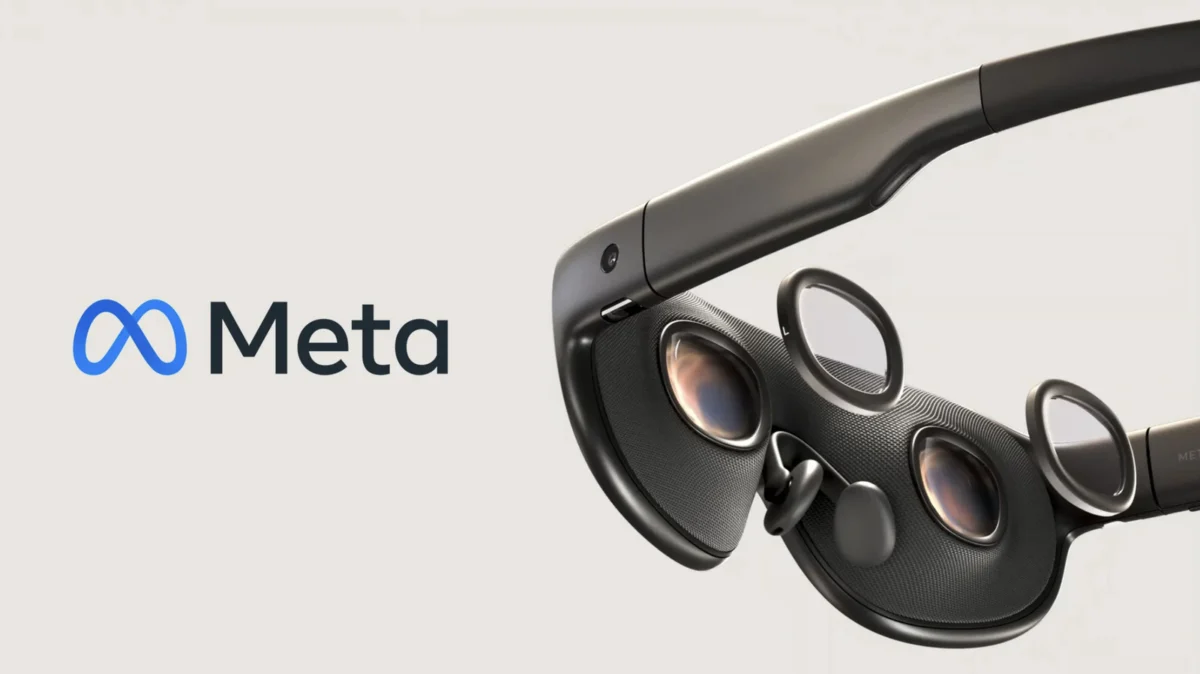
Images of Meta’s highly anticipated mixed reality headset, known internally as "Project Phoenix," have inadvertently surfaced, offering the clearest view yet of the device that represents a significant departure in form factor for the tech giant. The detailed visuals, initially discovered within a Meta HorizonOS application, reveal a lightweight, glasses-like design that strongly aligns with previous rumors and Meta’s long-term vision for augmented and virtual reality. This premature disclosure comes just weeks before Meta’s annual Connect developer conference, fueling speculation that Project Phoenix could be a major highlight of the event, even if its consumer release remains years away.
The Accidental Unveiling: A Deep Dive into the Leak
The comprehensive set of images, first reported by UploadVR, originated from a Meta HorizonOS app titled "HorizonOS Prescription Lens." This application, seemingly intended to facilitate the ordering of prescription inserts for the upcoming headset, was reportedly released as a placeholder. However, astute observers found that the app contained high-resolution image files showcasing Project Phoenix from multiple angles. While the application has since been removed from Meta’s platforms, the leaked images have provided an unprecedented look at the device’s design philosophy and key features. The leak underscores the challenges technology companies face in maintaining secrecy around ambitious hardware projects, particularly as internal testing and ecosystem development accelerate. Such accidental releases are not uncommon in the tech industry, often serving as unintended precursors to official announcements, building anticipation and sometimes forcing companies to adjust their unveiling strategies.
The discovery highlights Meta’s meticulous planning for user accessibility, specifically for individuals requiring corrective lenses. The existence of a dedicated prescription lens app, even in a placeholder state, indicates that user comfort and visual clarity are high priorities for Project Phoenix. This attention to detail suggests Meta is striving for a device that integrates seamlessly into daily life, a crucial step for mainstream adoption of mixed reality technology.
A Radical New Form Factor: Shifting Away from Bulky Headsets
Project Phoenix distinguishes itself dramatically from Meta’s existing Quest-branded hardware, which typically features more robust, self-contained designs like the Quest 3 or Quest Pro. The leaked images illustrate a sleek, minimalist aesthetic, reminiscent of advanced eyeglasses rather than a traditional VR headset. This "glasses-like" form factor marks a strategic pivot towards a more socially acceptable and comfortable mixed reality experience, addressing a significant barrier to widespread adoption of current-generation VR devices. The emphasis on lightness and reduced bulk is critical for extended wear, a prerequisite for any device intended to blend digital content with the real world throughout the day.
One of the most striking revelations from the images is the presence of a visible cable emanating from the headset. This detail corroborates long-standing rumors that Project Phoenix will not be a fully standalone device, but rather will rely on a tethered connection to a separate, external processing unit, often referred to as a "puck." This design choice represents a calculated trade-off. By offloading the battery and the majority of the processing hardware to an external unit, Meta can drastically reduce the weight and thermal output of the headset itself, allowing for the thin, glasses-like form factor seen in the leak. While a tethered connection might seem less convenient than a completely wireless experience, the benefits in terms of comfort, aesthetics, and potentially processing power for complex mixed reality applications are substantial. This approach allows the headset to be a mere display and sensor array, optimizing for user comfort and a sleeker appearance, while the heavy lifting is handled by a pocketable or clip-on companion device.
The move towards a tethered "puck" also opens up possibilities for modularity and future upgrades. A more powerful external processor could be swapped in later, extending the lifespan of the core headset hardware. This flexibility could be a key selling point for developers and early adopters looking for a future-proof mixed reality platform.
Intuitive Interaction: The Rise of Controller-Free Hand Tracking
While the leaked images do not provide a view of the front of Project Phoenix, industry speculation and Meta’s own communications strongly suggest that the device will incorporate an advanced camera setup. This camera array would be crucial for delivering robust mixed reality passthrough capabilities, allowing users to seamlessly interact with digital objects superimposed onto their real-world environment. More importantly, these cameras are expected to power a sophisticated hand-tracking system, enabling controller-free interaction. This aligns with a growing trend in the AR/VR space towards more natural and intuitive input methods, moving away from bulky handheld controllers that can break immersion.
Meta’s commitment to controller-free interaction is further evidenced by a session scheduled for the upcoming Connect event, titled "A practical guide to controller-free interaction." This session description perfectly fits the reported control scheme of Project Phoenix, hinting at the depth of Meta’s investment in this technology. Hand tracking offers a more natural interface, allowing users to manipulate virtual objects with their bare hands, mimicking real-world interactions. This could significantly lower the barrier to entry for new users and enable more fluid, immersive experiences across a range of applications, from productivity to gaming and social interaction. However, the success of hand-tracking relies heavily on the precision and responsiveness of the underlying technology, which Meta has been refining across its Quest line for several years. The expectation is that Project Phoenix will feature an even more advanced iteration of this technology, crucial for a device that aims to be a daily companion.
Meta’s Broader AR/VR Strategy: Project Phoenix in Context
Project Phoenix is not an isolated development but rather a crucial piece of Meta CEO Mark Zuckerberg’s long-term vision for the metaverse and the future of human-computer interaction. Meta has invested billions into its Reality Labs division, with the ultimate goal of developing true augmented reality glasses that can seamlessly blend digital information with the physical world, eventually replacing smartphones as the primary computing platform. The Quest line of headsets serves as a stepping stone, providing immersive VR experiences and increasingly sophisticated mixed reality capabilities. Project Phoenix, with its glasses-like form factor and tethered design, appears to represent a significant leap closer to those elusive AR glasses, bridging the gap between current VR and future AR.

This strategic direction positions Meta in a highly competitive and rapidly evolving market. Competitors like Apple, with its Vision Pro, have also entered the high-end mixed reality space, albeit with a different design philosophy and price point. Companies like Xreal have already released lighter, glasses-like AR devices (e.g., Xreal Air, Xreal Aura) that primarily function as external displays for smartphones or PCs. Project Phoenix appears to aim for a more integrated, powerful mixed reality experience than current lightweight AR glasses, while still prioritizing comfort over the all-in-one computing power of devices like the Vision Pro. Meta’s approach with Project Phoenix suggests a focus on accessibility and practicality, potentially targeting a broader consumer base with a more refined and wearable design.
Anticipation Builds for Meta Connect 2024
The timing of the Project Phoenix leak, just ahead of Meta Connect, is particularly significant. Meta’s annual developer conference, kicking off on September 23, has historically been the stage for major announcements regarding the company’s VR and AR hardware and software. Last year’s Connect saw a strong emphasis on smart glasses, specifically the second-generation Ray-Ban Meta Smart Glasses, with relatively less focus on pure VR or advanced mixed reality headsets. This year, however, the landscape appears to be shifting.
Given the comprehensive nature of the Project Phoenix leak and the existence of a seemingly ready-for-release app (even if pulled), there is a strong possibility that Meta will officially unveil or at least tease the device at Connect 2024. While a full consumer launch is not expected until later, a developer preview or a detailed conceptual showcase would serve multiple strategic purposes. Firstly, it allows Meta to control the narrative following the leak, presenting the device in its intended context. Secondly, it can energize the developer community, encouraging them to begin conceptualizing and building applications for this new form factor and interaction paradigm. Thirdly, it reinforces Meta’s position as a leader in the mixed reality space, demonstrating tangible progress towards its long-term vision. The excitement generated by a Connect reveal could also serve to attract talent and investment, further bolstering Meta’s Reality Labs efforts.
A Glimpse into the Future: The 2027 Release Window
Despite the advanced state suggested by the leaked images and the potential for a Connect reveal, previous reports have consistently indicated that Project Phoenix is not expected to reach consumers until the first half of 2027. This lengthy timeline, which has seen the device’s debut pushed back from earlier projections, highlights the formidable challenges associated with bringing advanced mixed reality hardware to market. Developing a device that is simultaneously lightweight, powerful, aesthetically pleasing, and affordable, with a robust software ecosystem, requires overcoming significant engineering, manufacturing, and logistical hurdles.
The delays could stem from a variety of factors:
- Miniaturization: Integrating high-performance optics, sensors, and processing power into a glasses-like form factor is an immense engineering challenge.
- Battery Technology: Achieving sufficient battery life for a tethered puck, while keeping it compact and lightweight, is crucial for user acceptance.
- Display Innovation: High-resolution, wide field-of-view displays that are both bright for outdoor use and capable of seamless mixed reality passthrough are still evolving.
- Software and Ecosystem Maturity: A device of this ambition requires a mature operating system (HorizonOS), a thriving app ecosystem, and robust developer tools.
- Supply Chain and Manufacturing: Scaling production for cutting-edge components and assembling them efficiently can take years to perfect.
Even with a 2027 target, a public preview at Connect could be invaluable. It would allow Meta to gather feedback from developers and potential early adopters, refine the design, and build anticipation. It also gives the company a competitive advantage by signaling its direction and capabilities well in advance, potentially influencing the strategies of competitors and partners alike.
Broader Implications: Reshaping the Mixed Reality Landscape
The emergence of Project Phoenix carries significant implications for Meta, the broader AR/VR industry, and ultimately, for consumers.
For Meta: Project Phoenix represents a pivotal step in Meta’s long-term strategy to establish itself as a dominant force in the next generation of computing. Success with Phoenix could validate Meta’s multi-billion dollar investment in Reality Labs, proving that it can innovate beyond traditional VR headsets and deliver on its vision of ubiquitous AR. Failure or significant delays, however, could further erode investor confidence and raise questions about the viability of Zuckerberg’s metaverse ambitions. The device also demonstrates Meta’s willingness to experiment with different form factors and interaction paradigms, moving beyond the Quest’s all-in-one approach to explore more specialized and wearable designs.
For the AR/VR Industry: Project Phoenix’s lightweight, tethered design could set a new benchmark for mixed reality devices that prioritize comfort and aesthetics. It might inspire other manufacturers to explore similar hybrid approaches, balancing onboard processing with external compute units. The strong emphasis on controller-free hand tracking could also accelerate the industry’s shift towards more natural user interfaces, influencing how future devices are designed and interacted with. Furthermore, the anticipation around Project Phoenix could stimulate further investment and innovation across the AR/VR supply chain, from component manufacturers to software developers.
For Consumers: If Project Phoenix lives up to its promise, it could offer a fundamentally new way to interact with digital content and the real world. A lightweight, comfortable, and intuitive mixed reality device could unlock a myriad of new applications in productivity, communication, education, and entertainment. Imagine having digital assistants overlaid on your environment, interactive guides for tasks, or immersive social experiences that blend seamlessly with your physical surroundings. However, the long wait until 2027 means consumers will have to exercise patience, while also navigating the potential cost and privacy implications of such advanced, always-on technology.
In conclusion, the accidental leak of Project Phoenix images provides a compelling glimpse into Meta’s strategic direction for mixed reality. With its innovative glasses-like form factor, tethered design, and focus on controller-free interaction, Project Phoenix represents a bold step towards a future where digital and physical realities seamlessly converge. All eyes will now turn to Meta Connect 2024, where the company has an opportunity to officially introduce its vision for Project Phoenix and outline its path towards what promises to be a transformative era in personal computing.