Garick Elordi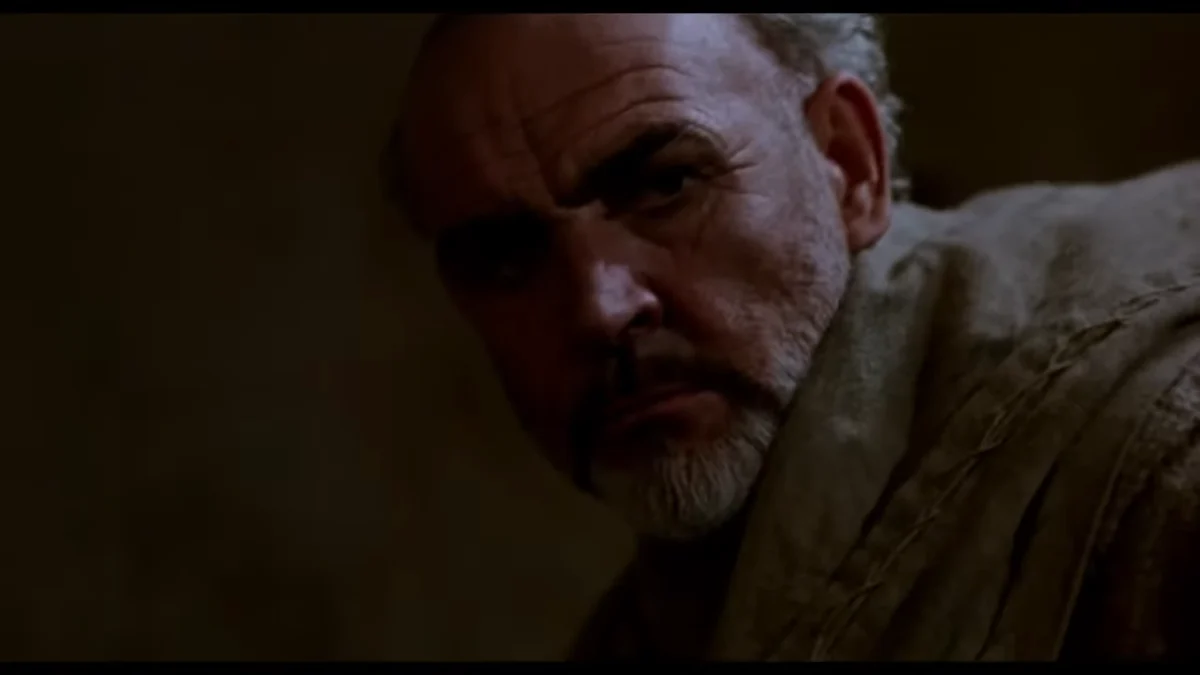
The late-September gaming landscape is currently defined by a transitional period for both developers and the specialized press, as the industry recalibrates following the high-intensity cycle of Gamescom 2024. This period, often characterized by a surge in review assignments and the strategic release of mobile expansions, highlights several key trends in consumer behavior and software development. From the persistent engagement of mobile-first trading card games to the enduring cultural resurgence of tabletop role-playing games, the current market reflects a diverse ecosystem where independent sequels and licensed intellectual properties compete for player attention. As editorial teams navigate the post-event workload, the focus has shifted toward long-term playability and the mechanical depth of recent releases, including Pokémon TCG Pocket, Moonlighter 2: The Endless Vault, and the burgeoning community surrounding Dungeons & Dragons.
The Evolution of Mobile Engagement: Pokémon TCG Pocket and the Team Rocket Expansion
The mobile gaming sector continues to be dominated by established intellectual properties that leverage nostalgia alongside modern monetization strategies. A primary example is Pokémon TCG Pocket, a digital adaptation of the long-standing trading card game. The recent introduction of the Team Rocket-themed card set has served as a significant focal point for the player base. This expansion draws upon the "Rocket" aesthetic, which originated in the late 1990s, to introduce a "playful" yet competitive layer to the mobile experience.
However, the expansion has also highlighted common frustrations inherent in the "gacha" and randomized pack mechanics of mobile titles. Industry analysts note that while high-rarity "shiny" cards drive initial engagement, the "meta-game"—the most effective tactics available—often becomes stagnant if the distribution of functional cards is perceived as unbalanced. Players have reported a high frequency of duplicate cards for non-essential characters, such as Seaking, while struggling to acquire essential "ex" cards like Team Rocket’s Raticate. This disparity between aesthetic appeal and competitive utility remains a central challenge for developers attempting to maintain long-term retention in the mobile TCG space.
Licensed Media Challenges: The Case of Star Wars: Zero Company
The development and critical assessment of licensed titles, particularly those within the Star Wars franchise, continue to face scrutiny regarding their scope and narrative execution. Star Wars: Zero Company has emerged as a title of interest for its tactical approach to the source material. Critically, the game has been noted for its deliberate pacing, which, while offering depth, presents a challenge for reviewers operating under traditional media deadlines.
One of the standout features cited by early adopters is the "Anakin level," a narrative-driven sequence that reportedly captures the cinematic intensity of the prequel era. Despite the positive reception of specific missions, the broader industry trend suggests that modern licensed games are becoming increasingly complex, often requiring dozens of hours to fully evaluate. This has led to a shift in how gaming outlets manage their review pipelines, with several major publications opting for "in-progress" reviews to accommodate the vast scale of contemporary PC and console releases.
The Tabletop Renaissance: Dungeons & Dragons and the 50th Anniversary Surge
Beyond the digital realm, tabletop role-playing games (TTRPGs) are experiencing a sustained period of growth, fueled in part by the 50th anniversary of Dungeons & Dragons in 2024. The hobby has transitioned from a niche interest to a mainstream cultural phenomenon, supported by digital tools like D&D Beyond and the popularity of "Actual Play" series. The current player demographic is increasingly diverse, with many newcomers entering regular campaigns for the first time.
The mechanics of character creation and party dynamics remain the core of the D&D experience. Current gameplay trends show a move toward specialized racial and class combinations, such as the Loxodon—a humanoid elephant race known for their constitution and wisdom—often utilized in Cleric roles. The narrative tension within these groups often stems from the contrast between "feral" or chaotic party members and those attempting to maintain a pacifist or diplomatic approach.
This dynamic is frequently compared to historical and literary archetypes. Players have likened the role of the party "moderator" to William of Baskerville from Umberto Eco’s The Name of the Rose—a figure of logic and restraint amidst surrounding chaos. The use of "crowd control" spells, such as Sleep, to manage unruly teammates or non-player characters (NPCs) highlights the emergent storytelling that defines the TTRPG medium, where progress is often secondary to the social and mechanical interactions of the group.
Independent Successors: Moonlighter 2: The Endless Vault and the Roguelike Loop
The independent gaming sector continues to refine popular hybrid genres, most notably the "shopkeeper-roguelike" pioneered by Digital Sun’s Moonlighter. The sequel, Moonlighter 2: The Endless Vault, has recently exited its early access phase on platforms including the Xbox Series X, demonstrating significant iterative improvements over its predecessor.
The original Moonlighter established a dual-loop system: players explore procedurally generated dungeons by night to scavenge resources and sell those resources in a player-managed shop by day. While the first game was praised for its concept, some critics felt the progression lacked sufficient variety. Moonlighter 2 addresses these concerns by introducing a more robust upgrade system. The inclusion of:
- Diverse shop decorations with functional bonuses.
- "Blobby" pet companions that assist in combat or resource gathering.
- Enhanced potion and weapon customization.
These additions create a more "moreish" experience, a term used in the industry to describe gameplay loops that provide constant, incremental rewards. By ensuring that every "shift" in the shop or "run" in the dungeon contributes to a tangible upgrade, the developers have successfully increased player retention and addressed the "grind" associated with the first title.
Editorial Dynamics and the Post-Gamescom Workload
The timing of these gameplay updates and releases coincides with a period of high pressure for gaming journalism. Gamescom, held annually in Cologne, Germany, serves as the world’s largest gaming event by attendance. In 2024, the event saw over 335,000 visitors and hundreds of exhibitors. The aftermath of such an event typically leaves editorial teams "stretched," as staff balance the production of delayed reviews, preview coverage of upcoming 2025 titles, and the management of daily news cycles.
This "editorial bottleneck" often results in a more personal, blog-style approach to weekly features, as journalists catch up on personal gaming backlogs that were neglected during the convention circuit. This transparency in the reporting process provides readers with a clearer understanding of the labor involved in modern games criticism, where the sheer volume of high-quality releases can overwhelm even the most robust editorial teams.
Broader Implications for the Gaming Industry
The current state of play across mobile, PC, console, and tabletop platforms suggests several long-term implications for the industry:
- Monetization vs. Player Satisfaction: In mobile TCGs, the balance between "pack luck" and competitive viability will remain a contentious issue. Developers may need to implement more "pity mechanics" or crafting systems to prevent player burnout caused by excessive duplicates.
- The Longevity of Indie Sequels: The success of Moonlighter 2 indicates that the market for "cozy" yet challenging roguelikes is far from saturated. Players are willing to return to established franchises if the sequel provides a significantly deeper mechanical layer rather than just a visual upgrade.
- TTRPG Digital Integration: The continued popularity of D&D suggests that the line between tabletop and digital gaming will continue to blur. As more players engage with TTRPGs through digital interfaces, the demand for high-quality virtual tabletops (VTTs) and integrated lore databases will grow.
- Review Cycles in the Live-Service Era: The delay in reviews for titles like Star Wars: Zero Company highlights the inadequacy of traditional "Day One" review scores for games that are designed to evolve or that require significant time investments to master.
As the industry moves toward the final quarter of 2024, the focus will likely shift to the holiday release window. However, the current "triple-bill" of mobile addiction, tactical licensed depth, and tabletop social play demonstrates that the modern gamer—and the modern gaming journalist—is more multifaceted than ever before, balancing a wide array of platforms and playstyles in an increasingly crowded market.