George Chandra Eka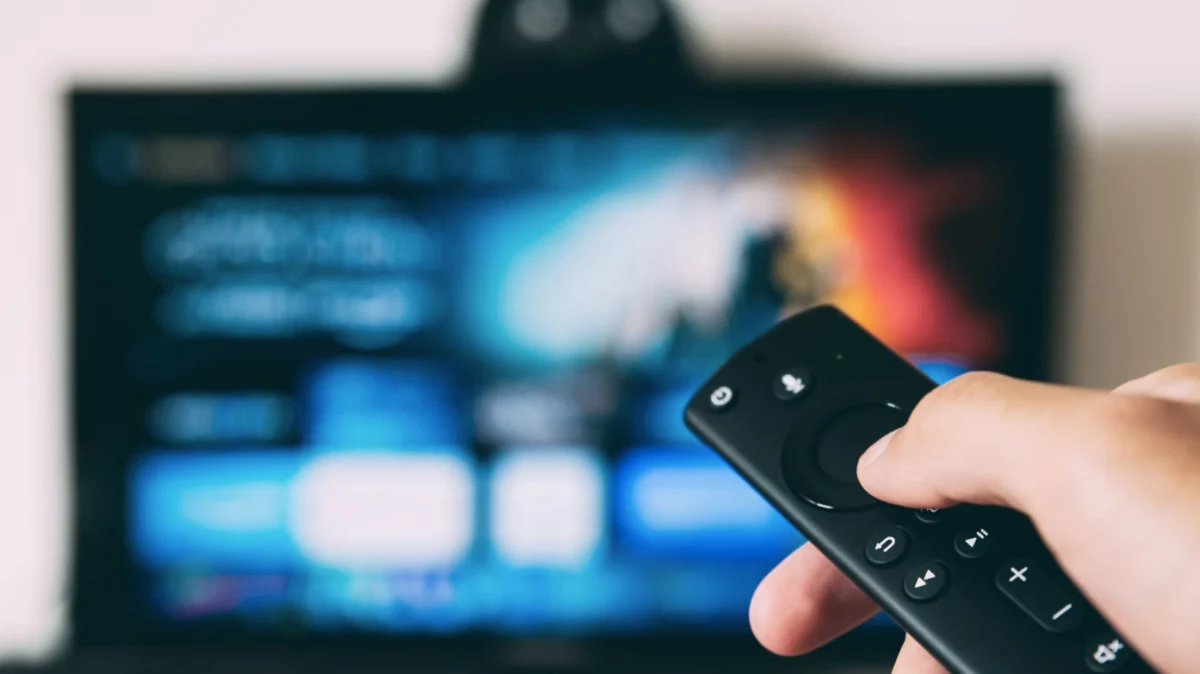
The modern home entertainment landscape is dominated by the ubiquitous smart television, a device that has transcended its original purpose as a mere display to become an integrated hub for digital content. Equipped with internet connectivity and embedded operating systems, these TVs promise a seamless gateway to a vast array of streaming services, from Netflix and Disney+ to Hulu and countless others. This inherent capability often leads consumers to question the necessity of a separate streaming device, such as a Roku, Amazon Fire TV Stick, Google Chromecast, or Apple TV. Superficially, both smart TVs and standalone streamers appear to perform identical functions, fostering a "one or the other" mindset. However, a deeper analysis reveals a compelling case for the continued relevance, and often superiority, of dedicated streaming devices, particularly when paired with an aging smart TV or when seeking enhanced performance, reliability, and specific functionalities. This article will delve into the multifaceted reasons why these compact powerhouses can significantly augment the viewing experience, providing a strategic advantage that extends beyond initial appearances.
The Evolution of Home Entertainment: A Brief Chronology
The journey towards today’s integrated streaming experience began decades ago with the advent of the internet and the gradual digitization of media. Early attempts at internet-connected televisions in the late 1990s and early 2000s were rudimentary, often requiring external set-top boxes or proprietary, clunky interfaces. The real turning point arrived in the late 2000s and early 2010s with the proliferation of broadband internet, the rise of Over-The-Top (OTT) content providers like Netflix, and the introduction of user-friendly operating systems.
Dedicated streaming devices emerged as a critical bridge. Companies like Roku, founded in 2002, were pioneers, initially offering specialized boxes to stream Netflix content directly to TVs. Apple followed with Apple TV in 2007, and Google introduced Chromecast in 2013, democratizing streaming further with its casting capabilities. Amazon entered the fray with its Fire TV line in 2014, leveraging its e-commerce ecosystem. Concurrently, television manufacturers began integrating these "smart" capabilities directly into their sets, with platforms like Samsung’s Tizen, LG’s webOS, and later Android TV (now Google TV) becoming standard features. By the mid-2010s, smart TVs began outselling traditional "dumb" TVs, fundamentally reshaping consumer expectations. Today, over 85% of televisions sold globally are smart TVs, indicating their widespread adoption. Yet, despite this integration, the standalone streaming device market continues to thrive, valued at over $10 billion annually, signaling a persistent demand for their specialized advantages.
The Performance Divide: Speed and Responsiveness
One of the most immediate and tangible benefits of a dedicated streaming device is often a noticeable improvement in speed and overall responsiveness. While smart TVs are designed to integrate software, their primary purpose remains displaying high-quality visuals. This often means that the internal components responsible for processing the operating system and applications—namely the CPU, GPU, and RAM—are not always on par with what’s found in a purpose-built streaming box.
Television manufacturers, in their pursuit of competitive pricing, frequently opt for more economical processors and limited RAM configurations for their integrated smart TV platforms. This can lead to a significant performance gap, particularly in mid-range or budget-friendly smart TVs. Users may experience sluggish menu navigation, slow app loading times, and frustrating delays when switching between applications. A smart TV that might have felt snappy at purchase can, after a year or two of software updates and accumulated app data, become noticeably slower.
In contrast, dedicated streaming devices are engineered with a singular focus: delivering a smooth, fast, and reliable streaming experience. Newer models, such as the Apple TV 4K, Roku Ultra, or Nvidia Shield TV, are equipped with more powerful, optimized chipsets and ample RAM specifically chosen to handle demanding video codecs, intricate user interfaces, and multitasking across various streaming applications. For example, the Apple A12 Bionic chip in the latest Apple TV 4K is a mobile-grade processor designed for high-performance computing, far exceeding the typical processing power found in most smart TVs. This hardware advantage translates directly into quicker boot times, instant app launches, fluid animations, and a significantly more enjoyable user experience. According to consumer reports and tech reviews, users frequently cite improved responsiveness as a primary reason for adding a streaming device, even to a relatively new smart TV. This is particularly true for users who are accustomed to the instantaneity of smartphones and tablets.
Reliability and System Stability: Mitigating Software Glitches
Modern smart TVs are essentially specialized computers, and like all computers, they are susceptible to software bugs, crashes, and performance degradation over time. The operating system of a smart TV manages a multitude of functions beyond just streaming, including picture processing, audio enhancements, input switching, and sometimes even smart home integrations. This complexity can strain the system’s resources, especially if the internal components are not robust enough or if the software is not perfectly optimized.
It is not uncommon for smart TV users to report issues such as applications freezing, the TV spontaneously rebooting, or the interface becoming unresponsive. Nothing disrupts a relaxed evening of entertainment more effectively than a smart TV that consistently struggles to launch an application or crashes mid-stream. These hiccups are often exacerbated as the device ages and its internal memory (RAM) becomes maxed out by accumulated background processes and cached data from numerous applications.
Dedicated streaming devices offer a solution by isolating the streaming function to a purpose-built, streamlined system. Because these devices are designed to do one primary thing—stream content—their operating systems are typically more lightweight and optimized for this specific task. This specialization reduces the likelihood of conflicts, resource contention, and overall system instability. If a streaming device encounters an issue, it typically affects only that device, leaving the core TV functionality untouched. Furthermore, the ability to simply unplug and restart a compact streaming dongle is far less disruptive than troubleshooting an entire smart TV, offering a quick and easy reset for minor glitches. This separation of concerns enhances the overall reliability of the home entertainment setup, ensuring a consistent and uninterrupted viewing experience.
Navigating the Advertising Landscape: Towards an Ad-Reduced Experience
The ubiquitous presence of advertising in the digital age has extended significantly into the smart TV ecosystem, creating a less than ideal user experience for many consumers. Smart TV manufacturers, particularly those offering more budget-friendly models, increasingly leverage their integrated platforms as additional revenue streams. Samsung, for example, began integrating marketing content into its Tizen OS as early as 2016, and brands like Roku, Amazon Fire TV Edition, and TCL often display ads prominently within their home screens, menu interfaces, and even during certain system functions. These advertisements can range from banner ads for new shows and movies to direct promotions for products and services, effectively turning the smart TV interface into a billboard. This monetization strategy is often a significant factor in keeping smart TV prices competitive, but it comes at the cost of a pristine user interface.
While it is true that many popular streaming devices, such as those from Roku and Amazon, also integrate advertising into their operating systems and user interfaces, the landscape is not uniform. There tend to be more ad-free or significantly less ad-intrusive streaming device options available on the market compared to smart TVs. The Apple TV box stands out in this regard, offering a largely ad-free operating system experience, where marketing content is confined to individual streaming applications rather than the core OS interface. Similarly, enthusiast-driven solutions like a DIY Raspberry Pi device configured as a media server (e.g., using Plex or Kodi) offer complete control over the interface, ensuring an entirely ad-free environment.
For consumers who prioritize a clean, uncluttered, and advertising-minimal experience, opting for a premium streaming device can significantly enhance enjoyment. This distinction becomes increasingly important as manufacturers explore more aggressive advertising models, potentially including pre-roll ads before content or even dynamic ad insertion within the TV’s native interface. A dedicated streaming device can act as a shield, providing a buffer against these potentially intrusive monetization strategies.
Enhanced Software Support and Future-Proofing
The longevity of software support is a critical, yet often overlooked, factor in the value proposition of smart devices. While smart TVs generally receive software updates for a period after purchase, this support inevitably begins to wane after several years. Typically, a smart TV might receive significant OS updates for 3 to 5 years, after which updates become less frequent, often limited to critical security patches or minor bug fixes, before ceasing entirely. This cessation of support can lead to several problems: new streaming applications may no longer be compatible, existing apps may stop receiving updates and become unstable, security vulnerabilities may go unaddressed, and the overall operating system can become sluggish and outdated. This obsolescence forces consumers into a dilemma: tolerate a diminishing user experience or invest in an entirely new, expensive television.
Dedicated streaming devices offer a more cost-effective and agile solution to this challenge. Due to their lower price point and focused functionality, streaming device manufacturers often provide longer and more consistent software support. Flagship devices from companies like Apple and Nvidia, for instance, are known for receiving major OS updates for many years, sometimes even a decade, ensuring continued compatibility with the latest apps, security protocols, and features. When a streaming device does reach its end-of-life for software support, replacing it is significantly cheaper than replacing an entire television. This modular approach allows consumers to "future-proof" their display investment. A high-quality 4K or 8K television can remain a perfectly viable display for many years, even decades, but its "smart" capabilities can be continually refreshed and updated by simply swapping out a $50-$200 streaming dongle or box. This not only saves money but also reduces electronic waste by extending the useful life of the larger, more expensive appliance.
Unique Features and Advanced Functionality
Beyond core streaming capabilities, many dedicated streaming devices offer a suite of unique features and advanced functionalities that are typically absent from even high-end smart TVs. These specialized capabilities cater to a diverse range of user needs and preferences:
- Advanced Gaming: Devices like the Nvidia Shield TV Pro are renowned for their robust gaming capabilities, functioning as micro-consoles. They support advanced game streaming services (e.g., GeForce NOW), Android games, and even local game streaming from a PC, offering a gaming experience far superior to the casual games typically available on smart TV platforms.
- Local Media Server Integration: Many streaming boxes, especially those with USB ports or expandable storage, are ideal for setting up a Plex or Kodi media server. This allows users to host and stream their personal collection of movies, TV shows, and music from a local hard drive or network-attached storage (NAS), providing complete control over their media library. Smart TVs often lack the necessary processing power, storage, or software support for seamless local media server integration.
- Enhanced Audio/Video Standards: While modern smart TVs support advanced HDR formats (Dolby Vision, HDR10+) and immersive audio (Dolby Atmos, DTS:X), dedicated streamers often provide more consistent and robust implementation, ensuring optimal passthrough and decoding, especially for external sound systems.
- Remote Finder Functionality: Practical features like a remote control finder, often implemented through an audible chime triggered by a button on the streaming box (e.g., Roku Ultra), can be incredibly convenient for households prone to misplaced remotes.
- Live TV Integration: While smart TVs are starting to offer this, many streaming devices seamlessly integrate web-based live TV services (e.g., Sling TV, YouTube TV, Hulu + Live TV) directly into their interfaces, often offering a more cohesive and customizable live TV experience than a TV’s native tuner.
- Ecosystem Integration: Apple TV, for instance, offers deep integration with the Apple ecosystem, including HomeKit smart home control, AirPlay 2 for seamless content sharing from Apple devices, and access to Apple Arcade games and Apple Fitness+. These ecosystem-specific features are rarely replicated in generic smart TV platforms.
These specialized features transform a streaming device from a mere content player into a versatile entertainment hub, offering functionalities that significantly enrich the overall home media experience.
Flexibility, Portability, and Investment Protection
The inherent design of streaming dongles and compact boxes lends itself to unparalleled flexibility and portability, offering practical advantages that smart TVs cannot match. A streaming dongle, often no larger than a USB drive, is incredibly lightweight and easy to pack. Even dedicated boxes are typically small and unobtrusive. This makes them ideal companions for travel, whether for a vacation, a business trip, or even just moving to another room in the house.
Imagine arriving at a hotel room with a generic smart TV or even an older, non-smart display. By simply plugging in a personal streaming dongle, travelers can instantly access their entire personalized streaming library, complete with their subscriptions, watch history, and preferred user interface. This eliminates the need to log into unfamiliar hotel TV systems, navigate potentially limited app selections, or deal with inconsistent performance. For frequent travelers, a streaming dongle is an indispensable item, ensuring a consistent entertainment experience wherever there’s an HDMI port and Wi-Fi.
Furthermore, this portability extends to protecting a consumer’s investment in their streaming ecosystem. Should a smart TV fail or be replaced, the streaming device can simply be unplugged and reconnected to the new display, carrying over all preferences and subscriptions. This modularity means that the investment in a powerful streaming device is not tied to the lifespan of a single display, providing a layer of protection and continuity for the user’s digital entertainment hub. It also allows for greater flexibility in upgrading display technology independently of the smart platform, empowering consumers to choose the best panel for their needs without being constrained by the integrated software experience.
Market Dynamics and Consumer Choice: An Evolving Landscape
The market for home entertainment technology is dynamic, characterized by intense competition and rapid innovation. Smart TV manufacturers continuously strive to improve their integrated platforms, offering faster processors and more user-friendly interfaces with each new generation. However, their primary focus remains on panel technology, picture quality, and design, often leaving the "smart" components as a secondary consideration compared to the display itself. This division of focus inherently creates a niche for dedicated streaming device manufacturers, whose sole mission is to optimize the streaming software and hardware experience.
Consumer behavior also plays a significant role. As subscription video-on-demand (SVOD) services continue to grow—with global subscriptions exceeding 1.5 billion—the demand for reliable and high-performance streaming access intensifies. Users are increasingly sophisticated, expecting instant access, 4K HDR quality, and intuitive navigation. This rising expectation often pushes consumers towards dedicated streaming devices that can consistently meet these demands, especially as their smart TVs age.
The choice between relying solely on a smart TV’s integrated features or supplementing it with a dedicated streaming device ultimately depends on individual priorities, budget, and the age of the television. For those with brand-new, high-end smart TVs that feature robust processors and excellent software support, the immediate need for a separate device might be less apparent. However, for anyone experiencing sluggish performance, frequent glitches, intrusive advertising, or simply seeking enhanced features and long-term software support, a dedicated streaming device represents a highly cost-effective and impactful upgrade.
Conclusion: The Enduring Value of Specialization
While smart televisions have undeniably transformed the way we consume media, their integrated nature, while convenient, often comes with inherent limitations in terms of long-term performance, software support, and specialized features. The "one or the other" mindset regarding smart TVs and streaming devices overlooks the strategic advantages offered by dedicated streaming solutions.
From providing superior speed and reliability to offering a potentially less ad-intrusive experience, extended software support, and a wealth of unique functionalities, dedicated streaming devices carve out an indispensable role in the modern home entertainment ecosystem. Their portability and affordability for replacement further solidify their value as a flexible and future-proof investment. As technology continues to evolve, the specialized focus of dedicated streaming devices ensures they remain at the forefront of delivering an optimized, user-centric streaming experience, augmenting and often surpassing the capabilities of even the most advanced smart televisions. For a truly enriched and reliable home entertainment setup, integrating a high-quality streaming device alongside a smart TV is not merely an option but a strategic enhancement that promises sustained satisfaction for years to come.