Vera Intan Clara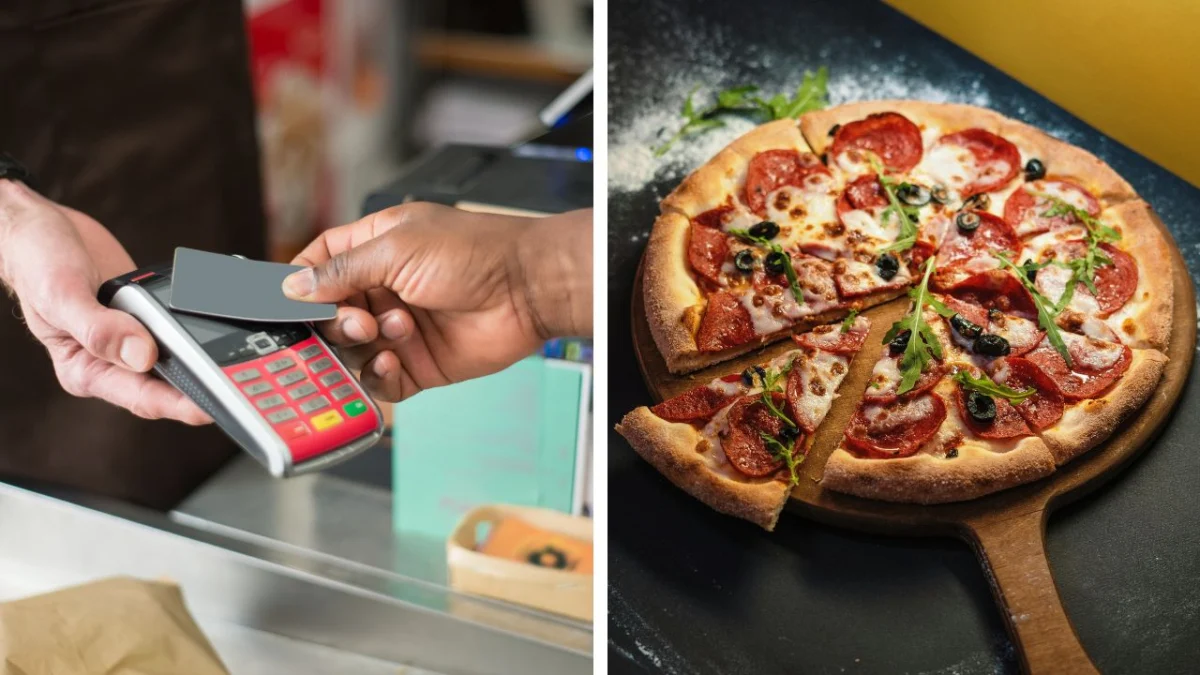
A recently resurfaced video depicting a woman consuming a boxed pizza slice prior to her Electronic Benefit Transfer (EBT) card being declined at a supermarket register has sparked extensive online discussion, prompting renewed scrutiny of food assistance programs, the legal definition of theft, and the broader economic pressures faced by retailers. The incident, captured and shared across platforms like TikTok and X (formerly Twitter), has become a flashpoint for diverse viewpoints ranging from accusations of deliberate fraud to empathetic considerations of food insecurity and the complexities of welfare system regulations.
The Incident Unfolds: A Chronology of Consumption and Decline
The video, which has garnered significant attention with over 18,500 likes on TikTok and subsequently more than 4,900 likes following its reposting on X, documents a sequence of events that quickly escalated from a casual transaction attempt into a contentious public spectacle. The footage shows a woman holding what appears to be a boxed pizza slice. As she approaches the cash counter, she is seen taking repeated bites from the pizza, remarking that it "tasted great." This act of consuming the product before the completion of the payment process immediately sets the stage for the ensuing controversy.
Upon reaching the cashier, the woman attempts to pay for the item using her EBT card. However, the card is declined. She then requests the cashier to attempt the transaction multiple times, hoping for a different outcome. With each subsequent decline, the gravity of the situation appears to heighten. Ultimately, faced with the persistent refusal of her payment, the woman takes one final bite of the pizza before turning and leaving the store without having paid for the consumed item.
The exact date of the original recording and the specific location of the incident remain unverified, as does the identity of the woman involved. However, the video’s recent resurgence on social media platforms has brought it back into the public consciousness, triggering a wave of commentary and analysis. Online users quickly dissected the footage, with many suggesting that the woman’s actions implied a pre-existing knowledge that her EBT card might be declined. Several commenters explicitly stated that this was not an isolated incident for the individual in the video, though no concrete evidence was provided to substantiate these claims. The immediate legal interpretation offered by many online was succinct: "eating the food before paying is considered stealing by law."
The Legal Perspective: Defining Theft in Retail Environments
The act of consuming goods within a retail establishment before successfully completing payment raises immediate legal questions regarding theft. In most jurisdictions, the legal definition of shoplifting or retail theft includes the act of taking possession of merchandise with the intent to deprive the owner of its value without payment. While the intent to steal can be challenging to prove, consuming an item before payment, especially when the payment subsequently fails, often serves as strong circumstantial evidence of such intent.
Legal experts generally categorize the scenario depicted in the video as a form of theft, specifically "consumption before payment." Even if the initial intent was to pay, the failure to do so after consumption, coupled with leaving the premises, typically constitutes theft. The value of the item in question—a single pizza slice—is relatively minor, which might influence the severity of potential charges, often resulting in a misdemeanor rather than a felony. However, the principle remains: ownership of goods transfers only upon successful purchase. Prior consumption, without payment, bypasses this fundamental transaction principle.
The online discourse prominently featured this legal interpretation, with many users asserting that regardless of the woman’s financial circumstances or intentions, the act itself was legally indefensible. This firm stance highlights a societal expectation that goods must be paid for before they are consumed, a cornerstone of retail commerce.
EBT and SNAP: Understanding Food Assistance Program Regulations
A significant portion of the online debate centered on the eligibility of the pizza slice for purchase using EBT benefits. EBT, or Electronic Benefit Transfer, is the system used by states to issue food stamp benefits, officially known as the Supplemental Nutrition Assistance Program (SNAP), to eligible low-income individuals and families. SNAP is designed to combat food insecurity by providing financial assistance specifically for food purchases.
According to widely available information from sources like Propel and general USDA SNAP guidelines, standard EBT (SNAP) benefits generally do not cover hot, ready-to-eat, cooked foods. This means that items such as rotisserie chickens, hot pizza slices, hot soup, or hot coffee purchased from a deli or counter are typically ineligible. The rationale behind this regulation is often to encourage the purchase of ingredients for home cooking, which is generally more cost-effective and provides greater nutritional control. The program primarily aims to supplement grocery budgets for preparing meals at home.
Eligible cold items, however, include chilled deli sandwiches, cold pasta salads, and pre-packaged cold chicken, provided they are not heated at the point of purchase. The critical distinction lies in whether the food is hot and prepared for immediate consumption or cold/uncooked, intended for preparation at home or simply not heated by the vendor. In the video, whether the pizza slice was hot or cold could not be definitively determined, though the context of it being a single slice often implies it would be a hot, ready-to-eat item.
The discussion also touched upon the "Restaurant Meals Program" (RMP), an optional state program that allows certain SNAP recipients (typically the elderly, disabled, or homeless) to use their benefits to purchase prepared meals at participating restaurants. However, this program is limited to specific states and specific populations and does not apply to general hot food purchases in most retail settings.
Commenters in the video’s thread raised the point that some individuals, particularly those experiencing homelessness, lack access to kitchens and therefore rely on prepared foods. While this is a valid concern, the standard SNAP rules do not universally accommodate it. The woman in the video, however, was described by many commenters as being "dressed in a way that did not make her look homeless," leading them to dismiss this particular justification for her attempt to purchase prepared food with EBT. This further complicated the narrative, shifting focus away from potential hardship and towards perceived exploitation of the system.
The Broader Economic Landscape: Retail Shrinkage and Rising Costs
Beyond the immediate incident, the video served as a catalyst for a wider discussion about retail theft, its impact on businesses, and the rising cost of goods. Many commenters on X echoed the sentiment that the incident was "a very small example of why things are more expensive." This observation points to the significant financial burden that retail shrinkage—a term encompassing inventory losses due to theft, fraud, damage, and administrative errors—imposes on retailers.
Industry reports consistently indicate that retail theft, particularly organized retail crime and individual shoplifting incidents, accounts for billions of dollars in losses annually for businesses across the United States. These losses are not simply absorbed by retailers; they are ultimately passed on to consumers through higher prices. When products are stolen or consumed without payment, businesses must raise prices on remaining items to cover their costs and maintain profitability. This creates a cycle where theft contributes to inflation, affecting all consumers, including those who rely on assistance programs.
One commenter, sharing a personal observation from Manhattan, noted a growing trend even in high-end restaurants requiring customers to pay for their entire meal upfront before consumption. This phenomenon, which was uncommon just a few years prior, is attributed by the commenter to a noticeable increase in customers leaving without paying. This anecdotal evidence, while not statistically robust, illustrates a broader erosion of trust and an increasing need for businesses to implement preventative measures against non-payment, further underscoring the pervasive nature of the issue. The incident with the pizza slice, while minor in isolation, thus became a symbol of a much larger economic challenge facing the retail sector.
Public Perception and Policy Implications
The viral nature of such incidents on social media profoundly shapes public perception of both welfare recipients and the efficacy of assistance programs. Videos like this, whether accurately portraying intent or not, can fuel stereotypes and reinforce negative narratives about those who receive government aid. This can lead to decreased public support for crucial programs like SNAP, potentially influencing policy decisions and budget allocations.
The incident highlights the delicate balance policymakers must strike between providing a safety net for those in need and ensuring accountability and preventing misuse of public funds. While SNAP is undeniably vital for millions of Americans experiencing food insecurity, instances of perceived fraud or circumvention of rules can erode public trust and generate calls for stricter oversight, potentially making it harder for legitimate recipients to access benefits.
Food assistance advocates often emphasize the importance of dignity for recipients and the potential for misunderstanding or genuine mistakes regarding complex program rules. However, incidents like the one captured in the video tend to overshadow these nuances in the court of public opinion. The speed and reach of social media mean that a single, unverified incident can quickly become a generalized representation, impacting how the public views an entire demographic and a critical social welfare system.
The ongoing debate underscores the multifaceted challenges inherent in modern retail, social welfare, and public accountability. A seemingly minor event—a declined EBT card for a pizza slice—has thus opened a Pandora’s box of discussions concerning legal definitions of theft, the specific and often complex regulations governing food assistance programs, the economic impact of retail shrinkage, and the powerful influence of social media in shaping societal narratives and public policy discourse. The conversation continues, reflecting a complex interplay of individual actions, systemic rules, and collective societal responses.