Evan Lee Salim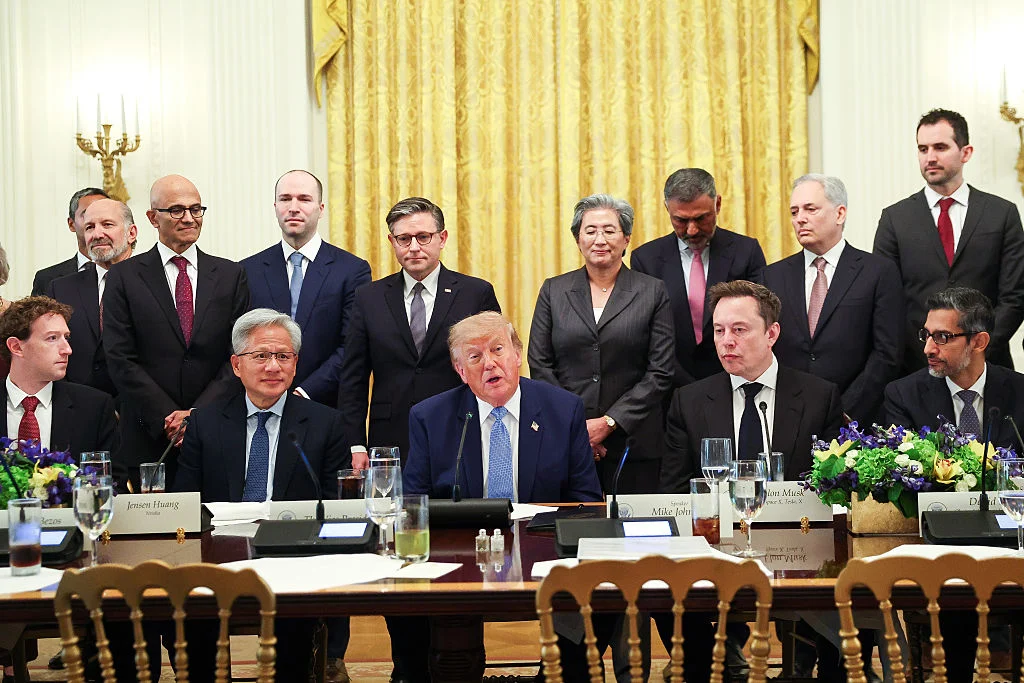
In a pivotal week for artificial intelligence policy and development, the White House successfully convened an unprecedented summit with nearly every major technology CEO, culminating in the signing of a significant AI safety pledge. Among the luminaries present were Meta’s Mark Zuckerberg, Amazon’s Jeff Bezos, Tesla and xAI’s Elon Musk, and Anthropic’s Dario Amodei, signifying a concerted effort by the nation’s top political and technological leaders to address the burgeoning challenges and opportunities presented by AI. President Donald Trump, who presided over the gathering, characterized the newly signed commitment as "morally binding," underscoring the gravity of the industry’s responsibility in the responsible development and deployment of advanced AI systems. Complementing this landmark pledge, President Trump also issued an executive order officially rebranding artificial intelligence as "super intelligence," a move intended to reflect the technology’s accelerating capabilities and strategic importance. These high-level governmental actions unfold against a backdrop of a rapidly evolving AI market, where companies like Meta and OpenAI are actively working to introduce more user-friendly interfaces and "agentic avatars" for their consumer-facing AI products, even as the lion’s share of investment and revenue continues to flow into the enterprise AI sector.
The Historic White House AI Summit and the "Morally Binding" Pledge
The summit, a rare convergence of competing tech titans under one roof, underscored the increasing urgency felt by policymakers regarding the trajectory of artificial intelligence. For months, global leaders and AI ethicists have voiced concerns ranging from algorithmic bias and the spread of misinformation to potential job displacement and the long-term existential risks posed by highly autonomous systems. The White House meeting was the culmination of numerous preceding dialogues, expert panels, and internal policy discussions aimed at establishing a framework for responsible AI innovation within the United States.
President Trump’s description of the pledge as "morally binding" highlights a strategic approach to governance that leans on industry self-regulation and ethical commitment rather than immediate, stringent legislative measures. While lacking the direct legal enforceability of a statute, such a pledge carries significant symbolic weight and peer pressure within the tightly knit tech community. Industry insiders suggest the pledge likely encompasses commitments to robust safety testing, transparent development processes, investment in AI risk mitigation research, and the implementation of "red-teaming" exercises to identify and neutralize potential vulnerabilities before deployment. Furthermore, it is understood to include provisions for sharing best practices across companies and collaborating with government agencies on national security implications.
The participation of such prominent figures was not coincidental. Mark Zuckerberg, whose Meta Platforms is heavily invested in AI research and development for its metaverse vision and social media platforms, likely saw the pledge as an opportunity to demonstrate proactive responsibility, particularly given past controversies surrounding data privacy and content moderation. For Jeff Bezos, representing Amazon’s vast AWS cloud infrastructure, a cornerstone of much modern AI development, engaging with the administration ensures Amazon’s continued influence in shaping regulatory discussions that could impact its core business. Elon Musk, a vocal advocate for cautious AI development and founder of xAI, has consistently warned about the potential dangers of unchecked AI, making his presence crucial for lending credibility to the safety initiative and aligning his ventures with national objectives. Dario Amodei, CEO of Anthropic, a company explicitly founded on the principle of developing safe and beneficial AI, viewed the summit as a validation of his company’s mission and an opportunity to push for high ethical standards from within the industry. Their collective presence sends a powerful signal to both the public and international community about the industry’s acknowledgment of its profound responsibilities.
From "Artificial" to "Super": Redefining AI through Executive Action
Adding another layer of significance to the week’s events, President Trump signed an executive order officially renaming artificial intelligence to "super intelligence." This rebranding is more than a semantic shift; it represents a deliberate attempt to recalibrate public perception and strategic focus on the technology’s capabilities and potential.
The rationale behind this nomenclature change is multifaceted. Firstly, it aims to elevate the perceived importance and transformative power of these advanced systems. The term "artificial" can sometimes connote imitation or a lesser form of intelligence, whereas "super intelligence" directly implies capabilities far exceeding human cognitive abilities, positioning the technology at the apex of innovation. Secondly, it could be a strategic move to rally national resources and direct funding towards research and development that aims for truly groundbreaking, beyond-human-level AI. By officially adopting this term, the administration might seek to project an image of U.S. leadership in this advanced frontier, setting a high bar for domestic innovation and international competition. Thirdly, the rebranding could subtly influence policy discussions, framing future regulatory approaches around the immense power and potential societal impact implied by "super intelligence" rather than the more generalized concept of "artificial intelligence."
While the executive order immediately changes the official government lexicon, its long-term impact on public discourse and scientific nomenclature remains to be seen. Initial reactions from the academic and research communities have been varied. Some experts commend the administration for highlighting the profound implications of advanced AI, suggesting that the term "super intelligence" might better capture the technology’s eventual potential. Others express caution, warning that such a lofty designation could inadvertently fuel hype, set unrealistic expectations, or even exacerbate public anxieties if not accompanied by clear explanations and robust safety measures. Regardless, the move unequivocally signals the administration’s belief in the profound, potentially revolutionary nature of this technology and its intent to actively shape its narrative and development path.
The Dual Landscape of AI: Consumer Ambitions vs. Enterprise Dominance
While the White House focused on the overarching governance of "super intelligence," the commercial AI landscape continues to evolve along two distinct, yet interconnected, paths: the ambitious push into consumer markets and the steady, robust growth in enterprise solutions.
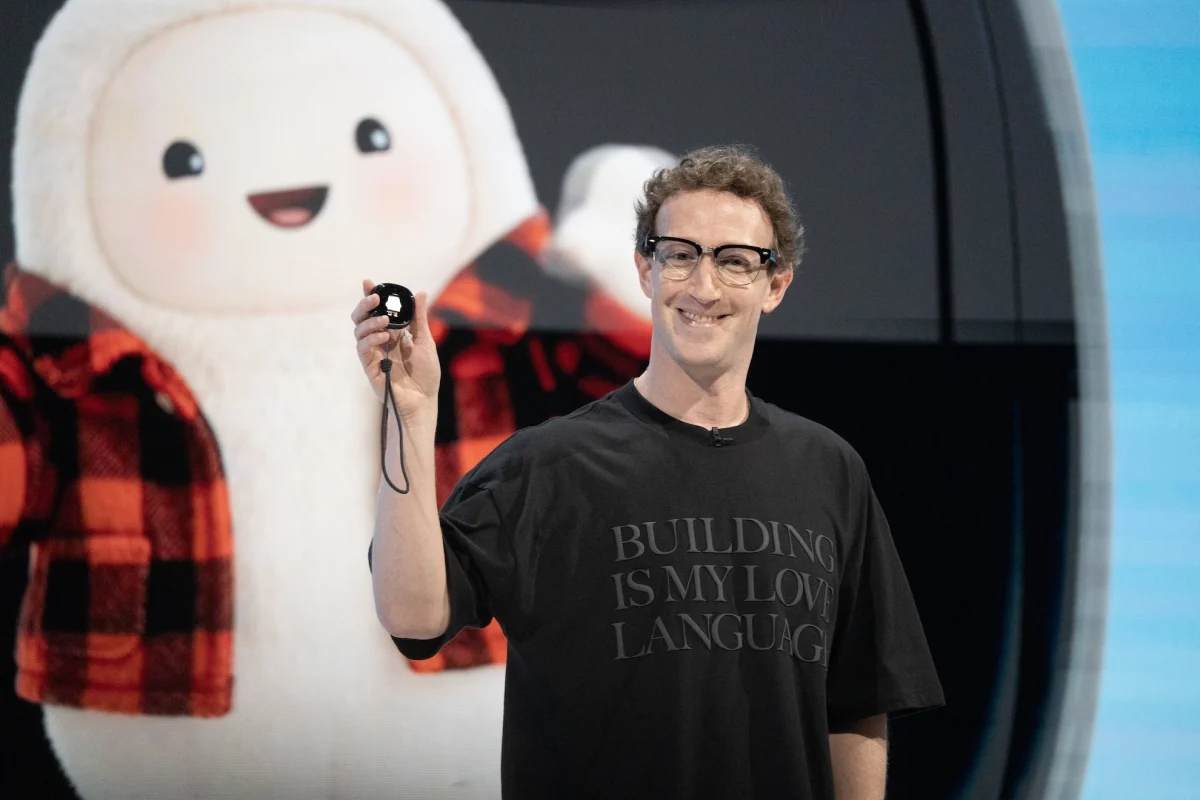
On the consumer front, technology giants like Meta and OpenAI are heavily investing in making AI more accessible, intuitive, and, crucially, "friendlier" for everyday users. Meta, for instance, has been integrating AI assistants across its family of apps, from WhatsApp to Instagram, aiming to create personalized, interactive experiences. OpenAI, beyond its foundational models like GPT, has been experimenting with "agentic avatars" – AI entities designed to perform tasks and interact with users in more human-like, proactive ways, as evidenced by its "Dots" initiative. These efforts are geared towards democratizing AI, bringing sophisticated capabilities into the hands of billions of users, from enhanced search and content creation to personalized learning and entertainment. The vision is to create AI companions and tools that seamlessly integrate into daily life, making complex tasks simpler and digital interactions more engaging.
However, the economics of consumer AI present significant hurdles, often referred to as the "ugly economics of consumer AI." The primary challenge lies in the immense computational costs associated with training and running large language models (LLMs) and other advanced AI systems. Each query, each interaction, demands substantial processing power, translating into high operational expenses for companies. Monetization strategies for consumer AI are still nascent and often indirect, relying on ad revenue, subscriptions, or data collection, which may not always offset the operational overhead. For example, while generative AI tools are widely adopted, a significant portion of their usage remains free or subsidized, making it difficult to achieve profitability at scale. Furthermore, user acquisition in a crowded market, coupled with privacy concerns and the need for constant innovation to maintain engagement, adds layers of complexity. Despite optimistic projections, the consumer AI sector, particularly for general-purpose applications, has yet to demonstrate widespread, sustainable profitability on par with its enterprise counterpart. Venture capital funding for consumer-facing AI startups, while still present, has become more discerning, favoring companies with clear monetization pathways or unique technological advantages.
In stark contrast, the enterprise AI sector continues to be the dominant force driving investment and generating substantial revenue. Businesses across nearly every industry vertical are rapidly adopting AI solutions to enhance efficiency, automate processes, gain deeper insights from data, and create competitive advantages. Investment data indicates that global enterprise AI spending is projected to exceed hundreds of billions of dollars annually, far outpacing consumer AI investments. Sectors like cloud AI services (e.g., AWS, Microsoft Azure, Google Cloud AI), specialized industry solutions (e.g., AI in healthcare diagnostics, financial fraud detection, supply chain optimization), and operational intelligence tools are experiencing explosive growth.
The drivers behind enterprise AI’s robust expansion are clear: tangible return on investment (ROI). Companies leverage AI for cost reduction through automation, increased productivity, improved customer service via AI-powered chatbots and analytics, accelerated product development, and enhanced decision-making capabilities. Unlike consumer AI, where the value proposition can sometimes be subjective, enterprise AI directly addresses critical business pain points, offering measurable improvements in bottom-line performance. This clear value proposition, combined with larger average contract values and longer client relationships, makes enterprise AI a significantly more attractive and sustainable market for investors and developers alike. The biggest money, therefore, continues to flow into business-to-business AI solutions, solidifying its position as the primary economic engine of the "super intelligence" revolution.
Broader Economic and Market Implications: IPOs and Regulatory Horizons
The week’s developments also ripple through the broader economic and market landscape, influencing the trajectory of initial public offerings (IPOs) and the evolving regulatory environment for technology. The shifting IPO market, characterized by increased investor caution and a demand for profitability over mere growth, has significantly impacted AI startups. While there’s still considerable venture capital interest in the AI space, particularly for companies demonstrating clear revenue models and strong unit economics in the enterprise sector, the path to a public offering is more arduous than in previous years. Investors are scrutinizing balance sheets more closely, prioritizing sustainable growth and demonstrable market leadership. This selective environment means that only the most robust and strategically positioned AI companies are likely to successfully navigate the IPO process in the near future.
Concurrently, the landscape for startup deals remains dynamic. Mergers and acquisitions continue to be a vital exit strategy for many AI ventures, with larger tech companies acquiring specialized AI firms to integrate their technology or talent. Venture capital funding is still abundant for innovative AI startups, but there’s a discernible shift towards later-stage funding rounds for proven concepts, rather than speculative early-stage investments. The emphasis is on scalable solutions, particularly those addressing critical enterprise needs or offering foundational AI advancements.
The White House’s AI safety pledge and the rebranding of AI to "super intelligence" are also set to profoundly influence the future regulatory landscape. While the pledge is initially "morally binding," it lays a crucial foundation for potential future legislation. It signals a governmental intent to actively participate in AI governance, moving beyond a purely hands-off approach. This could lead to the establishment of new regulatory bodies, the creation of industry-wide standards, or even international collaborations on AI ethics and safety. The U.S. approach could also influence how other nations, particularly those grappling with similar AI challenges, develop their own regulatory frameworks, potentially setting a global precedent for balancing innovation with responsible deployment. The discussions initiated at the summit are expected to serve as a blueprint for ongoing dialogues between government, industry, and academia, shaping the ethical and legal guardrails for the super intelligence era.
Expert Analysis and Future Outlook
Leading industry analysts view the White House summit and its outcomes as a watershed moment for AI. "This week marks a critical juncture where the abstract discussions about AI’s future transitioned into concrete, high-level commitments," commented Dr. Evelyn Reed, a prominent technology policy analyst. "The ‘morally binding’ pledge, while not legally enforceable, establishes a powerful ethical compass for the industry. It’s a clear signal that the era of unchecked AI development is over, and a new phase of accountability is beginning."
Others, like financial market strategist Michael Chen, pointed to the long-term economic implications. "The administration’s rebranding of AI as ‘super intelligence’ is a bold move to solidify America’s leadership in this transformative technology. It could unlock significant federal funding for advanced research and potentially reorient private investment towards more ambitious, long-term AI projects. However, the true test will be how effectively this vision translates into sustained innovation without stifling ethical considerations."
The path forward for "super intelligence" will undoubtedly be complex, fraught with both immense promise and significant peril. The challenge lies in harmonizing the rapid pace of technological innovation with the imperative of responsible and ethical development. Balancing the economic incentives driving enterprise AI with the societal benefits and risks of consumer-facing applications will require ongoing vigilance, collaboration, and adaptive governance. The events of this week, from the Oval Office to corporate boardrooms, underscore a collective realization that the future of this transformative technology is too critical to be left solely to engineers and entrepreneurs.
For those seeking deeper insights into these multifaceted developments, the latest episode of TechCrunch’s Equity podcast provided an incisive analysis of the week’s AI moves, the "ugly economics of consumer AI," the shifting IPO market, and recent startup deals. As the world navigates the dawn of the super intelligence era, such platforms remain invaluable for dissecting the complex interplay of technology, policy, and market forces shaping our future.