Galang Taruna
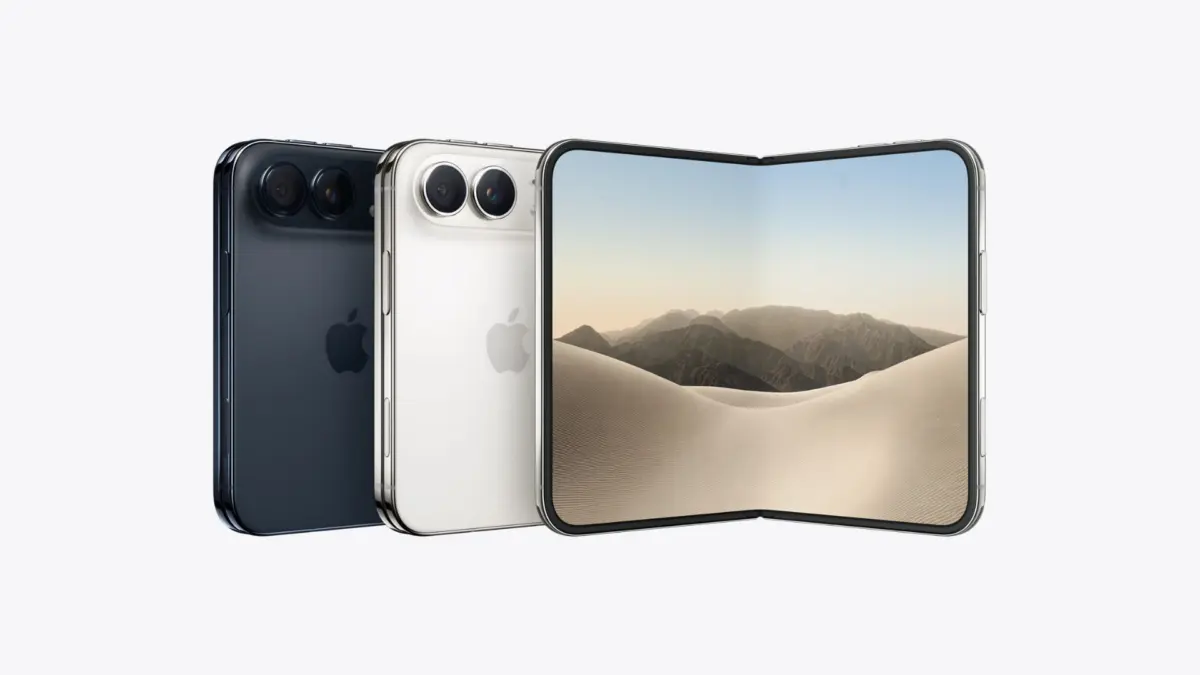
The highly anticipated pre-orders for Apple’s inaugural foldable smartphone, the iPhone Duo, commenced on Friday, October 16th, immediately plunging eager customers into a protracted waiting game. Within mere minutes of availability, delivery estimates for virtually all configurations of the revolutionary device were pushed back, initially to early November, then to December, and ultimately stretching well into late January 2027. This rapid escalation of delivery delays means that many early adopters, particularly those who missed the initial frantic rush, face a wait of over three months, a nearly unprecedented situation for a flagship iPhone launch. The commercial release of the iPhone Duo is officially slated for this Friday, October 23rd, but for the vast majority, the physical experience of holding Apple’s foldable vision remains a distant prospect.
This substantial lag between pre-order and delivery has drawn sharp criticism, notably from Mark Gurman, a prominent Bloomberg journalist and a respected authority on Apple. In his "Power On" newsletter published on October 18th, Gurman did not mince words, stating directly, "I’m just going to come out and say it: Apple made a big mistake on this one." His assessment hinges on the belief that Apple was fully aware of the severe supply chain constraints affecting the iPhone Duo’s production but chose to proceed with a global launch regardless. According to Gurman, this decision prioritized the strategic goal of releasing the device early in Apple’s crucial first fiscal quarter—which runs from October to December and encompasses the vital holiday shopping season—over the practical ability to meet immediate consumer demand.
The Swift Erosion of Availability
The launch of the iPhone Duo was met with a level of frenetic demand that, while characteristic of new Apple products, quickly overwhelmed the available stock. From the moment pre-orders went live on October 16th, the window for immediate delivery slammed shut almost instantaneously. Initial reports from customers indicated that within minutes, delivery dates began to slip from the official October 23rd launch day to the first week of November. This was merely the beginning. As the hours progressed, those estimates continued to recede further, first into December, then ominously into the new year. By the end of the first day, many configurations displayed estimated delivery windows extending to late January 2027, effectively pushing the acquisition of the new device beyond the holiday season and into a new calendar year for a significant portion of the customer base. This swift erosion of availability contrasts sharply with previous iPhone launches, where even high-demand models typically saw delays measured in weeks, not months, and rarely extended beyond the initial calendar year of release for early pre-orders. The sheer speed and magnitude of these delays underscore a profound mismatch between supply and demand, raising questions about Apple’s planning and execution.
Mark Gurman’s Scathing Indictment of Apple’s Strategy
Mark Gurman, whose track record for accurate insights into Apple’s internal workings is well-established, provided a detailed and critical analysis of the situation. He posits that Apple’s leadership deliberately opted for an October launch despite possessing clear internal data indicating severe supply limitations. His primary contention is that Apple prioritized capturing the narrative and initiating sales within its Q1 fiscal year—a period crucial for its annual financial performance due to holiday spending—over ensuring a smooth and timely delivery experience for its most ardent customers.
Gurman elaborates, stating, "The company knew there would be serious supply issues, but decided to proceed with the launch anyway, apparently prioritizing the desire to get the device out at the beginning of its first fiscal quarter rather than meeting demand." This strategic choice, he argues, will inevitably lead to widespread disappointment among early adopters—the very customers who are often the most loyal, enthusiastic, and willing to pay premium prices for first-generation innovations. These are the individuals who eagerly await each new Apple product, often upgrading annually, and whose satisfaction is paramount to maintaining brand loyalty. Frustrating this core demographic could have long-term repercussions for Apple’s reputation and its relationship with its most dedicated user base.
Furthermore, Gurman voiced concern over Apple’s lack of transparency regarding the quantity of iPhone Duo units that will be available in physical Apple Stores on the official launch day, October 23rd. This ambiguity leaves potential customers in limbo, unsure whether a visit to a retail store might yield an immediate purchase or simply another disheartening wait until January 2027. This absence of clear communication further exacerbates customer frustration and adds to the perception of a poorly managed launch.
Apple’s Vague Response Amidst a Nascent Market
In response to the overwhelming demand and subsequent delays, Apple issued a statement describing the demand for the iPhone Duo as "simply extraordinary," without providing any specific sales figures or production numbers. This approach is consistent with Apple’s long-standing policy of not disclosing granular sales data for individual products, instead preferring to report broader revenue categories. While the phrase "extraordinary demand" attempts to frame the situation positively, suggesting immense consumer interest, it does little to alleviate the frustration of customers facing extended waits.
The iPhone Duo’s entry into the market is particularly significant given the nascent but rapidly evolving foldable smartphone segment. For years, Apple had remained on the sidelines while competitors like Samsung, Huawei, Google, and Motorola experimented with various foldable designs and form factors. Samsung, in particular, has established a significant lead with its Galaxy Fold and Flip series, demonstrating both the potential and the challenges of this new technology. Apple’s entry, even with initial supply hiccups, is widely expected to validate the foldable category and potentially accelerate its mainstream adoption, given Apple’s immense influence on consumer trends and its reputation for refining emerging technologies.
Industry analysts project substantial growth in the foldable phone market in the coming years. While still a niche segment compared to traditional smartphones, its market share is expanding, driven by technological advancements and decreasing production costs. Apple’s decision to finally enter this arena underscores its belief in the long-term viability and premium potential of foldables. However, a rocky launch, marked by severe supply constraints, could hinder its ability to quickly capture a significant share of this burgeoning market and allow established players to consolidate their positions further.
The Ill-Fated Global Distribution Strategy
One of the key insights from Mark Gurman’s report points to a critical strategic miscalculation by Apple concerning the iPhone Duo’s initial distribution. According to his sources, Apple’s original plan was to launch the iPhone Duo in a limited number of its largest markets, specifically the United States and China, before gradually expanding availability to other regions. This staggered approach is a common tactic for managing the launch of highly complex or supply-constrained products, allowing manufacturers to concentrate initial stock and address any unforeseen issues in controlled environments.
However, Apple ultimately deviated from this plan. Instead, the pre-orders for the iPhone Duo opened simultaneously in over 70 countries, including major European markets like France, from day one. This decision, Gurman argues, was a "serious error in judgment." By spreading an already limited production volume across such a vast number of markets, Apple effectively diluted its stock to a critical degree. Each country received a proportionally smaller allocation of units, leading to the rapid sell-out and extended delays experienced globally. For many customers in these expanded launch regions, this meant being promised a groundbreaking new device that, due to dispersed supply, they would not receive until well into the following year.
The situation is poised to worsen. Apple has already announced plans to expand availability to an additional 28 countries and regions starting Friday, October 30th. This further expansion, without a corresponding increase in production capacity, will inevitably strain the existing, already meager, supply even further. The decision to pursue such a broad initial rollout, despite known production limitations, remains a puzzling aspect of Apple’s launch strategy and suggests either an overestimation of manufacturing capabilities or an underestimation of global demand, or perhaps a calculated risk aimed at maximizing market presence. The complexities of manufacturing foldable displays, specialized hinge mechanisms, and other bespoke components for a new form factor are considerable, and global supply chains in the mid-2020s are still susceptible to various disruptions, making high-volume, simultaneous global launches inherently risky for cutting-edge technology.
Retail Impact and Mounting Customer Frustration
The supply shortages are also expected to have a significant impact on Apple’s retail operations and the in-store customer experience. A report from MacRumors on October 17th indicated that Apple Store employees were being instructed to advise customers against visiting stores on launch day without a pre-order. The underlying message was clear: there would likely be little to no stock available for walk-in purchases. While it remains unclear if this directive applies universally to all Apple Stores worldwide, including those in France, it paints a concerning picture for those hoping to secure an iPhone Duo through traditional retail channels.
This situation risks generating considerable frustration among customers who arrive at Apple Stores on October 23rd, only to be turned away or informed of lengthy waits. For many, the physical launch day is an event, a chance to experience the new product firsthand and potentially make an impulse purchase. Denying this experience, especially for a highly anticipated device like the first foldable iPhone, could lead to a significant dip in immediate customer satisfaction. The perceived unavailability of a product at launch, particularly for a premium brand like Apple, can erode trust and diminish the excitement surrounding the device. Loyal customers, who have come to expect a certain level of availability and service from Apple, may feel let down, potentially impacting their future purchasing decisions or their overall perception of the brand.
The iPhone 18 Pro: An Unintended Beneficiary?
Despite the widespread frustration surrounding the iPhone Duo’s availability, Mark Gurman suggests an intriguing silver lining for Apple’s bottom line: the scarcity of the foldable device could inadvertently boost sales of its more conventional, yet still premium, iPhone 18 Pro and iPhone 18 Pro Max models. His theory posits that a significant number of customers, drawn to Apple Stores by the allure of the iPhone Duo, will encounter its unavailability and, rather than leave empty-handed, will opt for a readily available iPhone 18 Pro model.
This "fallback" strategy, whether intentional or a fortunate side effect, is financially appealing for Apple. The iPhone 18 Pro, while a flagship device, is considerably more accessible in terms of price. In France, for example, the iPhone 18 Pro starts at 1,479 euros, a substantial 860 euros less than the 256GB iPhone Duo, which commands a premium price point of 2,339 euros. For customers eager for a new, high-end iPhone and unwilling to wait months for the Duo, the 18 Pro series presents a powerful and immediate alternative. These models are typically well-stocked and offer advanced features, making them an attractive substitute.
While this strategy might provide a buffer for Apple’s Q1 fiscal results by converting disappointed foldable enthusiasts into buyers of other high-margin devices, Gurman maintains that it does not excuse the flawed launch of the iPhone Duo. The fundamental issue, he argues, remains the frustration of Apple’s most loyal customers—those willing to pay a premium for a first-generation device and embrace new technology. Sacrificing customer satisfaction for short-term financial gains, even if significant, carries inherent risks to brand equity and long-term customer relationships.
Broader Implications and Future Outlook
The tumultuous launch of the iPhone Duo carries several broader implications for Apple, the smartphone industry, and consumer behavior. Financially, while some sales may shift to the iPhone 18 Pro series, the significant number of delayed iPhone Duo orders could still represent a missed revenue opportunity for Apple’s critical Q1 fiscal 2027. Analyst projections for Apple’s quarterly earnings will undoubtedly factor in these supply constraints and their potential impact on overall sales volume.
From a brand reputation perspective, the launch raises questions about Apple’s ability to execute seamless product introductions, a hallmark of its premium image. For a company that prides itself on delivering a polished user experience from purchase to daily use, the current situation risks tarnishing that reputation, particularly among its most ardent followers. Customer trust, once eroded, can be difficult to fully restore.
In the competitive foldable market, Apple’s stumble could offer a momentary advantage to rivals like Samsung, who have refined their foldable offerings over several generations. While Apple’s entry inherently legitimizes the category, its initial struggles could allow competitors to further entrench their market positions before Apple can achieve sufficient scale.
Looking ahead, this experience might prompt Apple to re-evaluate its launch strategies for future groundbreaking products. A more conservative, staggered global rollout, coupled with clearer communication regarding stock levels and delivery expectations, could become the preferred approach. The incident also highlights the ongoing fragility of global supply chains, even for tech giants like Apple, underscoring the complexities of manufacturing and distributing highly innovative components on a massive scale.
Ultimately, the iPhone Duo’s launch will serve as a crucial case study. While Apple has previously navigated product shortages, the scale and duration of these delays for such a pivotal new device are almost unprecedented. How Apple manages the fallout, communicates with its customers, and adapts its strategies in the coming months will be critical in determining the long-term success of the iPhone Duo and the continued strength of the Apple brand in an increasingly competitive and rapidly evolving technology landscape.