Vera Intan Clara
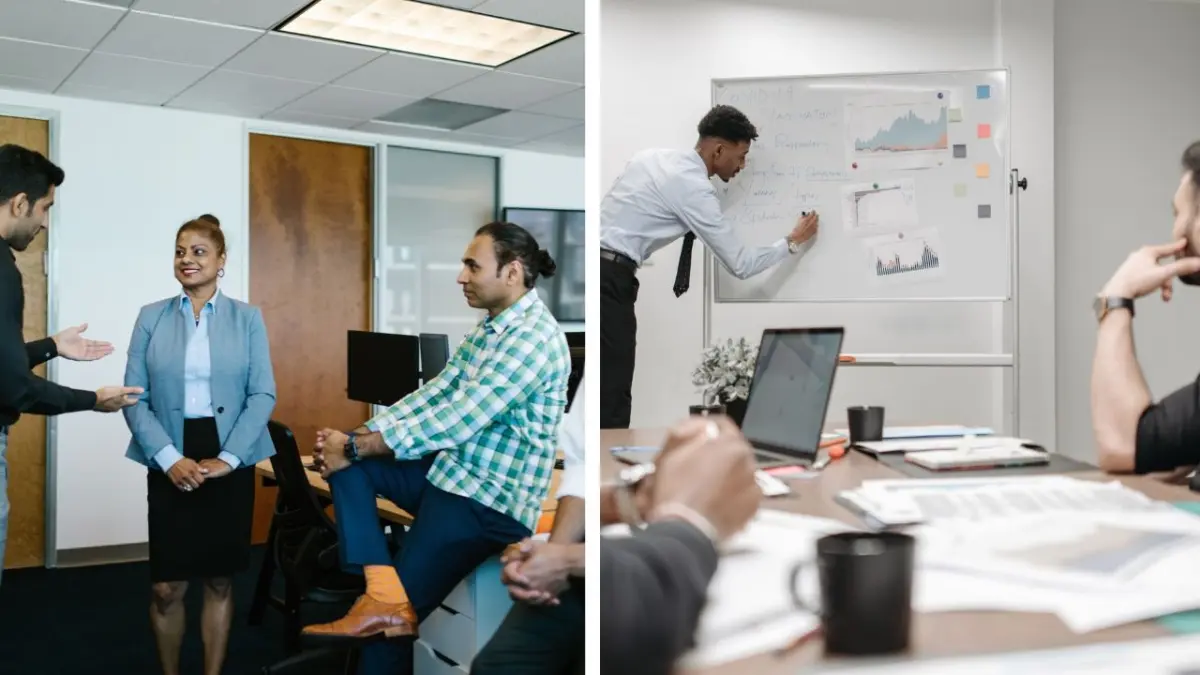
A recent discussion on the popular social media platform Reddit has brought to light a fascinating and increasingly relevant aspect of modern professional life: the unspoken corporate habits employees adopt to navigate the demands of their jobs and safeguard their personal well-being. Initiated within the r/corporate subreddit on October 14, the post, titled “What’s an unspoken corporate habit you picked up that quietly saved you a lot of stress?” rapidly garnered significant attention, accumulating 284 comments at the time of publication and sparking a broader dialogue about work-life balance, corporate culture, and individual resilience in high-pressure environments.
The Genesis of the Discussion: A Call for Shared Wisdom
The original poster (OP) set the stage by sharing a personal revelation that profoundly impacted their work-life equilibrium. They recounted recognizing that "urgent late-evening messages could wait until morning without anything actually catching fire," a simple yet powerful insight. This realization was underpinned by the understanding that consistent, solid work during regular hours typically preempts any scrutiny for delaying responses to after-hours communications. The OP concluded their post with an open invitation, asking, “Curious to hear what small personal boundaries or work habits made the corporate grind significantly easier for you once you figured them out.” This direct appeal tapped into a collective desire among corporate professionals to share strategies for mitigating stress and fostering a more sustainable career path. The r/corporate subreddit, known as a forum for discussions among white-collar professionals on topics ranging from career advice to workplace grievances, provided an ideal platform for such a candid exchange.
Core Themes Emerge: Redefining Urgency, Legacy, and Visibility
The ensuing comments unveiled a spectrum of coping mechanisms and philosophical shifts. One of the most resonant early responses echoed the OP’s sentiment regarding urgency, stating, “Simply put, it doesn’t matter. There are deadlines and pressures, but, fundamentally, no one is going to die in the next 24 hours for most corporate jobs.” This commenter further articulated a critical distinction, urging others not to allow an employer’s potential “slightly reduced chance for a bonus” to translate into a personal imperative to “neglect my life to do this.” This perspective directly challenges the often-perceived necessity of constant availability and immediate response, advocating for a more measured approach to corporate demands.
Another poignant contribution came from an employee at a globally renowned company, who shared a stark observation about corporate legacy: “When leaders retire (anyone below CEO), they are forgotten well within half of a generation. Nobody, outside of famous tycoons, makes legacies at work. You will be forgotten 30 minutes after you leave. So, act accordingly.” This comment underscored the transient nature of corporate contributions and the futility of sacrificing personal well-being in pursuit of an ephemeral professional legacy. It serves as a powerful reminder for employees to prioritize their own lives over an organization’s often short-term memory.
The theme of replaceability was further emphasized by a user recounting their experience in a phone-based sales job: “We’d see someone cleaning out a desk weekly, wave an awkward good-bye, and have to make the next dial. Everyone is replaceable.” This anecdotal evidence highlights the often impersonal reality of corporate employment, reinforcing the notion that individual employees, regardless of their dedication, are often perceived as interchangeable cogs in a larger machine.
Perhaps one of the most intriguing and cynical habits shared involved the perceived importance of visibility over actual output. A commenter revealed their strategy: prioritizing confident communication in meetings and regularly sharing project updates on platforms like Teams or Slack, even when their actual deliverables were primarily "Business As Usual" (BAU) tasks. They noted, “I have not been delivering anything remarkable except some BAU stuff for multiple years, and I only hear positive feedback. Don’t stress/kill yourself for a corporate job. It really does not worth it.” This insight points to the performative aspects of modern corporate culture, where the appearance of productivity and engagement can sometimes outweigh substantive contributions.
The Pervasive Culture of Urgency and "Always On"
The sentiment surrounding late-evening messages taps into a broader societal phenomenon: the "always-on" culture fueled by pervasive digital communication tools. With the advent of smartphones, instant messaging platforms like Slack and Microsoft Teams, and ubiquitous email access, the boundaries between work and personal life have become increasingly blurred. A 2022 survey by the American Psychological Association found that 77% of workers reported experiencing work-related stress, with overwork and lack of work-life balance being significant contributors. The expectation of immediate responses, even outside of traditional work hours, contributes significantly to this stress, leading to burnout and decreased job satisfaction.
Organizational psychologists often refer to this as "techno-stress," where the constant connectivity creates a psychological burden. The Reddit user’s realization that most "urgent" late-night requests are not genuinely critical enough to warrant immediate action reflects a growing pushback against this culture. Studies by organizations like the World Health Organization (WHO) and the International Labour Organization (ILO) have highlighted the detrimental health impacts of long working hours and insufficient rest, including increased risk of heart disease and stroke. The habit of deferring non-critical after-hours communications is, therefore, not merely a personal preference but a crucial stress-reduction technique aligned with broader public health recommendations.
Navigating Corporate Loyalty and Replaceability
The comments regarding the transience of corporate legacies and the replaceability of employees reflect a fundamental shift in the employer-employee relationship over the past few decades. The traditional model of lifelong employment with a single company has largely eroded, replaced by a more fluid and transactional labor market. Data from the U.S. Bureau of Labor Statistics shows that the median number of years employees stay with an employer is around 4.1 years, a figure that has remained relatively stable but masks higher turnover rates in certain sectors and for younger workers.
This backdrop informs the employees’ cynical yet pragmatic view. If loyalty is not reciprocated with job security or a guaranteed long-term career path, employees logically shift their priorities. The concept of "quiet quitting," where employees fulfill their job descriptions without going above and beyond, is a direct manifestation of this realization. It’s not about actually quitting, but rather disengaging from the psychological contract of exceptional effort in an environment perceived as indifferent to individual sacrifice. The Reddit discussions underscore this re-evaluation, suggesting that employees are increasingly prioritizing their mental health and personal lives over the pursuit of an often-unrecognized corporate legacy.
The Paradox of Performative Work: Visibility Over Results
The observation that "visibility is more important than actual results" and the strategy of "speaking confidently in meetings" alongside regular project updates without necessarily "delivering anything remarkable" points to the phenomenon of "performative work." This concept suggests that in some corporate environments, the appearance of being busy, engaged, and productive can be more valued than tangible, impactful output.
This can be driven by several factors:
- Remote/Hybrid Work: With less face-to-face interaction, visible digital communication (Slack updates, active participation in virtual meetings) becomes a primary indicator of engagement.
- Management Styles: Managers who are less adept at evaluating substantive work may rely more on superficial indicators of activity.
- Corporate Bureaucracy: In large organizations, credit for work can be diffuse, making self-promotion and clear communication about one’s involvement critical for career advancement.
While this strategy might save an individual stress by reducing the pressure for extraordinary output, it carries broader implications for organizational effectiveness. If too many employees prioritize visibility over genuine results, it can lead to a decline in innovation, efficiency, and overall productivity. A 2023 study by Asana found that knowledge workers spend 58% of their time on "work about work" – tasks like coordinating, communicating, and managing projects, rather than focused, high-impact work. This figure suggests a significant portion of the corporate day is already consumed by activities that are more about process and visibility than direct output, validating the Reddit user’s observation.
Expert Perspectives on Employee Boundaries
While no direct official responses were made to the Reddit thread, organizational psychologists and human resources experts have long recognized the importance of boundaries for employee well-being and sustained productivity. Dr. Adam Grant, a prominent organizational psychologist, frequently advocates for healthy work boundaries and the importance of saying "no" to non-essential tasks. HR strategists are increasingly advising companies to foster cultures that respect personal time, encourage unplugging, and measure performance based on outcomes rather than hours logged or immediate responsiveness.
Experts suggest that the habits highlighted in the Reddit discussion are not merely individual quirks but symptoms of a larger systemic issue within corporate culture. They point to the need for leadership to model healthy boundaries, for companies to implement clear policies on after-hours communication, and for performance evaluation systems to reward substantive contributions rather than just visible activity. The emphasis on psychological safety and mental health in the workplace is gaining traction, with many companies now offering mental health resources and promoting work-life balance initiatives. However, the prevalence of these "unspoken habits" suggests that employees are still often left to devise their own coping mechanisms in the absence of robust systemic support.
Implications for Modern Organizations: Fostering Healthier Environments
The insights gleaned from this Reddit discussion carry significant implications for modern corporations. If a substantial portion of the workforce is quietly adopting these strategies, it suggests a disconnect between perceived corporate expectations and employee realities. Organizations that ignore these underlying sentiments risk higher rates of burnout, decreased employee engagement, and difficulty retaining talent.
To address these issues, companies could consider:
- Re-evaluating Communication Norms: Establishing clear guidelines for after-hours communication, encouraging asynchronous work, and distinguishing between genuinely urgent and non-urgent messages.
- Promoting Outcome-Based Performance: Shifting focus from "presenteeism" or visible activity to tangible results and impact, thus reducing the incentive for performative work.
- Cultivating a Culture of Psychological Safety: Encouraging employees to set boundaries without fear of professional repercussions, fostering an environment where well-being is genuinely valued.
- Investing in Employee Well-being Programs: Beyond basic benefits, offering resources and support systems that address mental health, stress management, and work-life integration.
- Leadership by Example: Senior leaders demonstrating healthy work habits and boundary setting, which can significantly influence the broader organizational culture.
The Reddit thread serves as a valuable, albeit informal, barometer of employee sentiment. It underscores a collective desire for work environments that are not only productive but also sustainable for the individuals who power them. The "small personal boundaries" and "work habits" shared are not acts of defiance, but rather adaptive strategies for survival in a demanding professional landscape.
The Path Forward: A Shifting Paradigm
In conclusion, the Reddit discussion on unspoken corporate habits offers a compelling snapshot of how employees are proactively managing their professional lives to reduce stress and maintain a semblance of work-life balance. From strategically delaying responses to late-night emails to recognizing the transient nature of corporate legacies and mastering the art of visible communication, these habits collectively represent a quiet revolution in employee empowerment. While individualistic in their implementation, their widespread adoption suggests a growing collective awareness that personal well-being should not be sacrificed at the altar of corporate demands. For organizations, these insights present both a challenge and an opportunity: to listen to the unspoken cues from their workforce and evolve towards more humane, sustainable, and ultimately, more productive corporate cultures. The independent verification of individual claims remains challenging, as noted by The Daily Dot, but the collective narrative within the r/corporate thread offers a powerful qualitative insight into the evolving relationship between employees and the corporate world.