Clarissa Hana

A significant security incident has impacted TeamUpdraft, a prominent developer of popular WordPress backup and security plugins, with threat actors gaining unauthorized access to the company’s website. This breach potentially compromises UpdraftCentral connection keys, granting attackers the ability to issue commands to a vast network of connected WordPress websites. The incident, detected over the weekend of October 17-18, 2026, has raised alarms within the WordPress security community, with researchers warning of a potentially widespread and severe campaign.
TeamUpdraft confirmed the unauthorized access in an advisory released yesterday, stating that their team responded immediately and worked through the night to contain the breach. This involved closing the access route, signing out all accounts, and replacing potentially compromised keys and credentials. The developer believes the threat actor accessed its customer database, which contained customer and billing details, order history, and other sensitive information. Crucially, TeamUpdraft stated that it does not store any payment card details. The company also reassured users that UpdraftPlus plugin files and downloads remain unaffected, and self-hosted UpdraftCentral instances are not impacted by this specific breach.
Despite these assurances, the nature of the compromised UpdraftCentral connection keys presents a substantial risk. These keys act as a bridge, allowing centralized management and remote execution of commands on connected WordPress sites. Experts estimate that approximately 10% of sites utilizing UpdraftPlus have an UpdraftCentral or Migrator key, translating to a potential exposure of around 400,000 websites. This broad reach amplifies the severity of the incident, making it a significant concern for a large segment of the WordPress ecosystem.
Timeline of the Incident and Exploitation
The timeline of events, pieced together from vendor advisories and independent research, paints a concerning picture of rapid exploitation following the breach.
- October 17-18, 2026 (Weekend): TeamUpdraft identifies unauthorized access to its infrastructure and website, teamupdraft.com. The company’s security team initiates incident response measures.
- October 19, 2026: TeamUpdraft issues an advisory to its users regarding the security incident.
- October 18, 2026, 15:32 UTC: According to Patchstack researchers, the exploitation of compromised UpdraftCentral keys begins. Attackers start using these keys to execute arbitrary code on vulnerable WordPress sites and create administrator accounts.
- Ongoing: Security firms like Patchstack and Nethemba begin analyzing the exploitation techniques and identifying malicious plugins deployed by attackers.
The Mechanics of the Attack and Its Far-Reaching Implications
The core of the attack lies in the compromise of UpdraftCentral connection keys. These keys are designed to facilitate remote management and automated tasks, such as backups and updates, by allowing a central dashboard to send instructions to individual WordPress installations. When these keys fall into the wrong hands, they effectively grant attackers a legitimate channel to control connected websites.

Oliver Sild, lead researcher at Patchstack, has drawn a stark comparison between this incident and previous large-scale WordPress attacks, suggesting that the current campaign may be even more severe than the "wp2shell" attack. This is due to the direct access provided by the compromised keys, which bypasses the need to exploit vulnerabilities in the WordPress core or individual plugins on the client-side.
Patchstack researchers have documented the malicious activities, noting that attackers are using the stolen access keys to backdoor sites connected to UpdraftCentral. The primary goal appears to be the execution of arbitrary code and the creation of new administrator accounts with full privileges. This allows attackers to maintain persistent access to compromised websites, even if the initial access vector is closed.
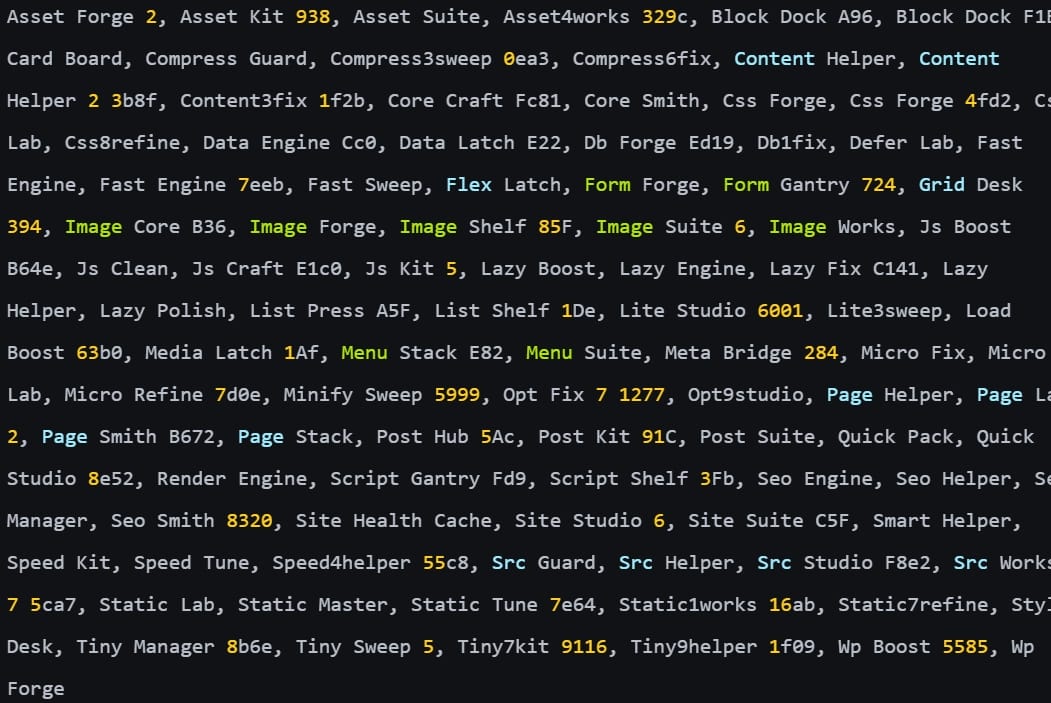
The sophistication of the attack is further highlighted by the deployment of numerous disguised malicious plugins. Researchers have identified at least 99 distinct backdoor plugins, cleverly named to mimic legitimate WordPress maintenance and optimization tools, such as "Site Health Cache." This deceptive tactic aims to blend in with normal website operations, making detection more challenging for site administrators.
Independent Verification and Evolving Threats
The severity and nature of the attack have been corroborated by independent security firms. Nethemba, a web application security company, reported that three of its own WordPress websites were targeted through UpdraftCentral. In two of these instances, malicious plugins were successfully installed. Importantly, Nethemba noted that their sites were running the latest versions of WordPress and UpdraftPlus, and were patched against a known June vulnerability (CVE-2026-10795). This underscores that the compromise was not due to unpatched client-side vulnerabilities but rather the exploitation of the trusted UpdraftCentral connection.
Nethemba’s analysis revealed that the attacker did not breach their servers or exploit configuration weaknesses. Instead, the intrusion occurred through the UpdraftCentral remote management channel, utilizing valid private dashboard keys. This emphasizes the critical reliance on the integrity of these management keys.
Further complicating the situation, Nethemba identified a bug in an earlier vendor release (1.26.12/2.26.12) that was intended to remove UpdraftCentral Cloud keys but failed to do so due to a coding error. This oversight may have left some users exposed even after what they believed were security patches.
Mitigation and Remediation Strategies
In response to the incident, TeamUpdraft has issued critical recommendations for its users. The company urges all users to update their UpdraftPlus installations to the latest versions: 1.26.13 for the free version and 2.26.13 for the Premium version, or any subsequent releases.
Following the update, a crucial manual step is required: administrators must log into each WordPress site managed through UpdraftCentral and manually delete the existing UpdraftCentral connection keys. This process is typically found under Settings > UpdraftPlus Backups > Advanced Tools > UpdraftCentral > Manage existing keys. This action is vital to sever any lingering access granted by the compromised keys.
Beyond revoking keys, administrators are strongly advised to:
- Inspect Logs and Files: Scrutinize server logs and website files for any indicators of compromise (IOCs) provided by TeamUpdraft, Patchstack, and Nethemba. This can help identify unauthorized activities and malicious files.
- Restore from Clean Backups: If a compromise is confirmed, the most robust remediation is to restore the website from a known clean backup taken before the compromise occurred. This ensures that any malicious code or backdoors are removed.
- Secure Account Credentials: Change the password for the TeamUpdraft account immediately.
- Revoke Sessions and Re-authenticate: Log out all active sessions associated with the TeamUpdraft account and consider resetting two-factor authentication (2FA) methods if applicable.
- Rotate Storage Credentials: For users who utilize UpdraftPlus for remote backups, it is highly recommended to rotate credentials for their remote storage services (e.g., Amazon S3, Google Drive, Dropbox). This prevents attackers from leveraging compromised keys to access or tamper with backup files.
- Reauthorize Connections: If sites were accessed through UpdraftCentral, reauthorizing these connections after securing the account and revoking old keys is a necessary step.
Broader Industry Impact and Lessons Learned
The TeamUpdraft breach serves as a stark reminder of the interconnectedness and potential vulnerabilities within the WordPress ecosystem. Plugins and services that offer centralized management or remote access, while immensely convenient, also represent potential single points of failure. The incident highlights the critical importance of:
- Robust Security Auditing: Developers must conduct thorough and ongoing security audits of their infrastructure and code. This includes proactive identification and remediation of vulnerabilities, as well as rigorous testing of new releases.
- Prompt Incident Response: A well-defined and practiced incident response plan is crucial. TeamUpdraft’s quick action to contain the breach and communicate with users is commendable, though the impact of the compromise was already underway.
- User Education and Awareness: End-users need to be continuously educated about security best practices, including the importance of timely updates, strong password policies, and vigilance against phishing and social engineering tactics.
- Supply Chain Security: The compromise of a widely used plugin developer like TeamUpdraft sends ripples through the entire WordPress supply chain. It underscores the need for a holistic approach to security, considering the potential risks associated with third-party integrations and services.
The statistics from the Blue Report 2026, which indicate that once attackers gain valid credentials, their ability to carry out malicious actions increases dramatically, are particularly relevant. This breach exemplifies precisely that scenario, where compromised keys provide attackers with the "valid credentials" needed to operate with a significantly reduced level of detection and blocking. The report’s findings that only 37% of attacker actions are blocked once they have valid credentials paint a grim picture of post-initial-access security effectiveness. This emphasizes the need for advanced threat detection and response capabilities that go beyond simple preventative measures.
The ongoing analysis by security researchers will undoubtedly shed further light on the full scope and sophistication of this attack. However, the immediate priority for all UpdraftPlus users is to implement the recommended mitigation steps to safeguard their websites and data from further exploitation. The incident serves as a critical case study, reinforcing the ever-present need for vigilance and proactive security measures in the dynamic landscape of web development.