Evan Lee Salim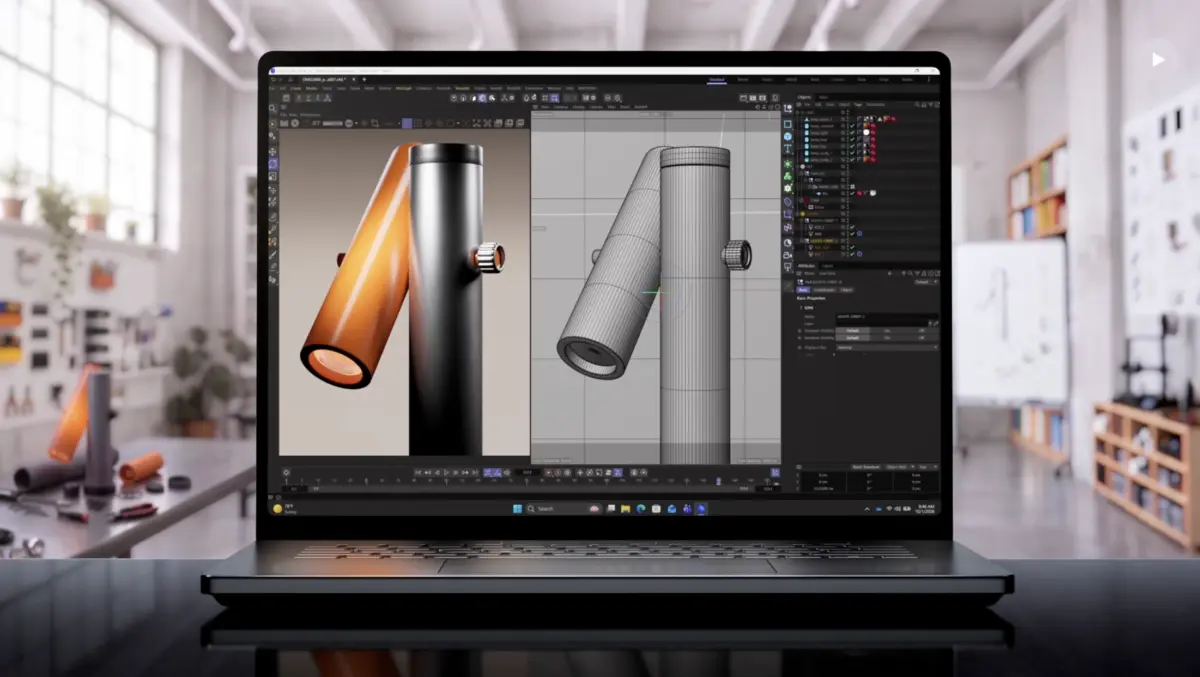
Back in June, Nvidia had ignited significant industry buzz with its announcement of securing agreements with tech giants like Microsoft, Dell, and HP. The objective was clear: to develop a new generation of AI- and agent-ready PCs for Windows, powered by its formidable RTX Spark chip. At the time, specific details regarding these revolutionary machines remained scarce, fueling anticipation across the technology sector. The stage was set for a transformative shift, as Nvidia, traditionally a leader in graphics processing units (GPUs), signaled its intent to aggressively pursue a share of the colossal $200 billion CPU market, leveraging its AI prowess. This strategic move underscored a broader industry trend toward integrating advanced AI capabilities directly into personal computing devices, moving beyond the cloud-centric models that have dominated AI development in recent years.
The veil of secrecy was finally lifted on Wednesday, during a high-profile event held amidst the vibrant backdrop of San Francisco’s Tech Week. Microsoft, a pivotal partner in Nvidia’s ambitious venture, took center stage to unveil the comprehensive specifications and pricing for its much-anticipated new devices: the Surface Laptop Ultra and the Surface RTX Spark Dev Box. These announcements were not merely product launches; they represented a significant declaration of intent from Microsoft to redefine the personal computer as a powerful, on-device AI processing hub, signaling a new era for developers and power users alike.
The Dawn of On-Device AI: Microsoft’s Surface Laptop Ultra and Dev Box
Microsoft’s latest offerings are engineered to push the boundaries of what a personal computer can achieve, particularly in the realm of artificial intelligence. The Surface Laptop Ultra, designed to cater to a broad spectrum of high-performance users, arrives in two primary configurations. The entry-level model starts at a premium price of $2,600, while a more potent iteration, featuring an enhanced chip, begins at $3,700. For those requiring maximum power and capacity, pricing extends upwards with options for increased memory and storage, reaching an impressive $5,900. Notably, Microsoft indicated that the highest-end variant of the Surface Laptop Ultra was already out of stock shortly after its reveal, underscoring the immediate demand and enthusiasm for these cutting-edge machines. While the primary emphasis is on AI capabilities, Microsoft assures potential buyers that these powerful PCs, with their robust graphics processing capabilities courtesy of the RTX Spark chip, are also exceptionally well-suited for demanding tasks such as content creation, advanced video processing, and immersive gaming experiences.
Complementing the Surface Laptop Ultra, Microsoft also introduced a dedicated workstation tailored specifically for the developer community: the Surface RTX Spark Dev Box. This powerhouse machine, starting at $6,000, is purpose-built to facilitate advanced AI development and comes pre-equipped with a suite of essential Microsoft developer tools. These include the ubiquitous VS Code, the AI-powered GitHub Copilot CLI, the Windows Subsystem for Linux (WSL), and PowerShell 7. The inclusion of these tools from the outset streamlines the development workflow, enabling developers to immediately dive into building and testing AI models and agents on a highly optimized local environment.
The fundamental promise underpinning both the Surface Laptop Ultra and the Surface RTX Spark Dev Box is their unparalleled capability to run sophisticated AI models directly on the device. This local execution paradigm offers several compelling advantages, including enhanced privacy, reduced latency, and the potential for cost savings by minimizing reliance on cloud-based AI services. The architecture supporting this on-device processing is robust, integrating the CPU, GPU, unified memory, and other bespoke hardware modifications, such as superior cooling systems, all meticulously designed to efficiently handle the intensive computational demands of AI workloads.
Windows 11: The Operating System for the AI Era
Beyond the hardware innovations, Microsoft also unveiled critical software enhancements that will power this new generation of AI PCs. Both new Surface devices run a revamped version of Windows 11, which incorporates a groundbreaking feature dubbed “Execution Containers.” This innovation is designed to simplify the sandboxing of AI agents, providing a secure and isolated environment for their operation. Satya Nadella, Microsoft’s CEO, emphasized the significance of this feature during the San Francisco event, confirming that “Execution Containers” would be made available to all Windows 11 users, democratizing access to secure AI agent development and deployment.
Nadella articulated Microsoft’s strategic vision for AI, highlighting a crucial realization from the past few years: "One of the things we realized in the last 3-4 years is that just having a model doesn’t do much for anything. You really do need to orchestrate, and you need to have memory outside of the model. You need to have this harnessed layer that is able to take multiple models plus context, plus memory, and the action space." This statement underscores Microsoft’s understanding that effective AI integration requires more than just powerful models; it necessitates a comprehensive framework for orchestration, contextual awareness, and dynamic interaction.
He further elaborated on the company’s commitment to fostering an open and inclusive AI ecosystem: "Microsoft is enabling that not just for our apps but apps for anyone’s agent. That’s what the Windows platform is all about going forward." This forward-looking declaration positions Windows as the definitive platform for the development and deployment of AI agents, inviting developers globally to build innovative AI-powered applications that can leverage the local processing capabilities of these new devices. This strategy aligns with Microsoft’s broader vision of infusing AI across its product stack, from Azure cloud services to its Copilot initiatives, and now deeply embedding it within the Windows operating system itself.
Targeting Developers and the Competitive Landscape
The strategic intent behind these new Surface PCs is unmistakably geared towards the developer community. Recognizing the growing preference for Apple’s MacBook Pro among developers and AI agent enthusiasts, particularly within the tech-savvy enclaves of Silicon Valley, Microsoft has launched an aggressive incentive. The company is offering up to $1,000 off to customers who trade in a MacBook Pro when purchasing one of the new Surface devices. This bold move represents a direct challenge to Apple’s dominance in the professional and creative segments, signaling Microsoft’s determination to reclaim market share by offering compelling, AI-optimized alternatives.
For years, the MacBook Pro has been a popular choice for developers due to its perceived reliability, robust Unix-based operating system, and a strong ecosystem for software development. However, with the advent of powerful, locally-run AI models, Microsoft and Nvidia are betting that specialized hardware and a deeply integrated AI-first operating system will sway developers back to the Windows platform. The trade-in offer is a clear tactical maneuver to accelerate this transition, acknowledging the entrenched loyalty some developers have towards Apple products.
Dell Joins the AI PC Revolution
Microsoft was not the sole PC manufacturer to unveil details for its new Nvidia-RTX Spark AI Windows PCs on Wednesday. Dell, another significant partner in Nvidia’s ecosystem, also revealed the specifications for its previously announced Dell XPS 16 Creator Edition PC. This highly anticipated device is now available for preorder, with deliveries expected in October, and carries a starting price of $3,800. The Dell XPS 16 Creator Edition, available through retailers like Best Buy, further solidifies the trend of major OEMs embracing Nvidia’s RTX Spark chip to deliver premium, AI-accelerated computing experiences. While specific details from HP were not part of Wednesday’s announcements, their earlier commitment suggests a broader industry-wide embrace of this new AI PC paradigm.
The entry of multiple leading PC manufacturers like Microsoft and Dell into the RTX Spark ecosystem validates Nvidia’s strategy to become a foundational technology provider for the AI PC era. It indicates that the industry sees significant demand for machines capable of handling complex AI tasks locally, moving beyond mere cloud integration.
The Technological Underpinnings and Broader Implications
At the heart of this new wave of AI PCs is the Nvidia RTX Spark chip, which is more than just a powerful GPU. It represents an integrated platform designed for optimal AI performance, incorporating dedicated AI accelerators (often referred to as Neural Processing Units or NPUs) alongside traditional CPU and GPU cores. This heterogeneous computing architecture, combined with unified memory and advanced thermal management systems, allows for sustained high-performance AI inference and training directly on the device. The concept of "agent-ready PCs" signifies their capability to host and execute sophisticated AI agents—autonomous software entities that can perform tasks, learn, and interact with users and other applications intelligently, without constant reliance on remote servers.
This pivot towards on-device AI carries significant implications across several fronts.
Economic Impact: The introduction of these high-performance AI PCs could stimulate a new upgrade cycle in the personal computing market. As AI becomes increasingly integrated into everyday software and workflows, the demand for hardware capable of efficiently running these applications locally is likely to grow, potentially revitalizing a PC market that has seen fluctuating demand. The premium price points of these initial offerings suggest a high-value segment, but as technology matures, more accessible AI-capable machines are expected to follow.
Software Ecosystem: The availability of "Execution Containers" in Windows 11 has the potential to foster a vibrant new ecosystem of AI-powered applications and agents. By providing a secure and standardized environment for running AI, Microsoft is lowering the barrier for developers to integrate advanced AI functionalities directly into their software. This could lead to a proliferation of more intelligent, personalized, and responsive applications across various domains, from productivity tools to creative suites and entertainment.
User Experience: For end-users, the shift to on-device AI promises a more private, faster, and more reliable AI experience. Tasks that previously required sending data to the cloud, such as advanced photo editing, real-time language translation, or personalized content generation, can now be performed instantly and securely on the local machine. This also enables robust AI functionality even in offline scenarios, broadening the utility of these devices.
Competitive Landscape: The "AI PC race" is intensifying, with major players like Intel, AMD, and Qualcomm also developing their own NPU-equipped processors and platforms. Apple, with its M-series chips and a growing focus on on-device machine learning, remains a formidable competitor. Nvidia’s move into the CPU market with RTX Spark, leveraging its long-standing dominance in GPU-accelerated computing, positions it as a key contender in this evolving battle for the future of personal computing. The success of these initial AI PCs will likely dictate the pace and direction of future innovations in the sector.
Challenges and Outlook: Despite the promise, challenges remain. The high price points of these initial AI PCs may limit their immediate adoption to developers, professionals, and early adopters. Justifying the significant investment for average consumers will require clear demonstrations of how on-device AI genuinely enhances their daily computing experience. Furthermore, the developer community’s embrace of the Windows AI platform will be crucial for the long-term success of this initiative.
In conclusion, the announcements from Microsoft and Dell, powered by Nvidia’s RTX Spark chip, mark a pivotal moment in the evolution of personal computing. They signal a decisive shift towards empowering individuals with high-performance, on-device AI capabilities. This new generation of AI PCs is not just about faster processing; it’s about enabling a fundamentally new way of interacting with technology, fostering a more intelligent, secure, and personalized computing experience. As the industry moves forward, the integration of AI at the hardware and operating system level is set to redefine what we expect from our personal computers, ushering in an era where AI agents become integral to our digital lives.