Clarissa Hana
OpenAI is introducing a significant new feature for its popular ChatGPT service, dubbed "Library," designed to allow users to store and manage their personal files and images directly within OpenAI’s cloud infrastructure. This enhancement aims to streamline the workflow for users who frequently interact with ChatGPT using documents, spreadsheets, presentations, and other uploaded content, making it easier to reference past interactions and data.
The ChatGPT Library feature is currently available to users subscribed to ChatGPT Plus, Pro, and Business plans. OpenAI has initiated a phased rollout of this functionality to its global customer base, with the exception of users located within the European Economic Area, Switzerland, and the United Kingdom. The company has indicated that the feature will become accessible to these regions in subsequent updates.
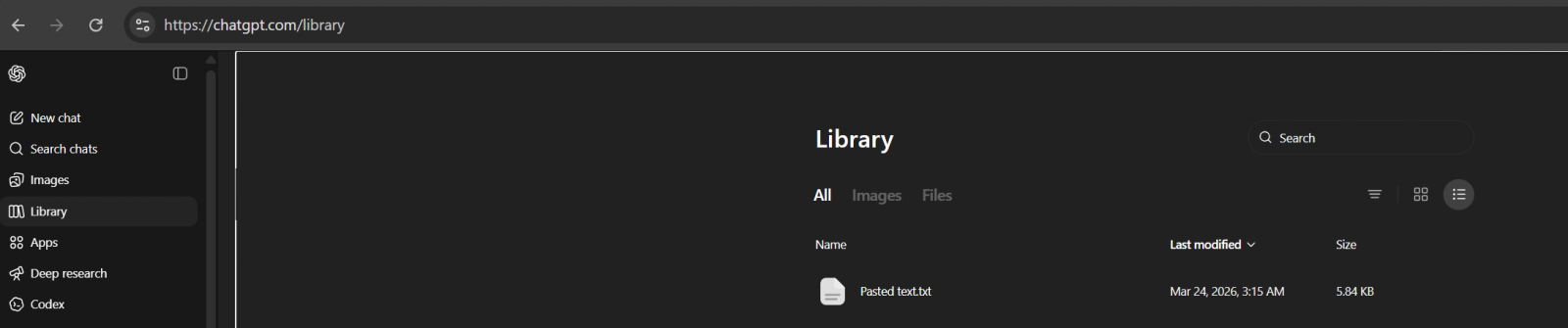
Initial observations suggest a seamless integration of the Library into the ChatGPT user interface. Upon refreshing the ChatGPT web application, the "Library" option automatically appeared in the sidebar navigation. This immediate availability for some users points to a rapid and efficient deployment strategy by OpenAI.
Intriguingly, upon its first appearance, the Library was not empty for all users. For some, it pre-populated with files they had uploaded and utilized within ChatGPT conversations over the preceding two weeks. This indicates an "opt-in" by default behavior, where ChatGPT, with user consent implied through the act of uploading, has been passively storing files for future reference.
OpenAI has clarified this behavior, stating in official documentation that "ChatGPT automatically saves uploaded and created files, including files uploaded in chats (for example: documents, spreadsheets, presentations, and images) in a dedicated, secure location so they can be easily accessed later." This functionality is designed to enhance the conversational AI’s ability to recall context and information from previous uploads, thereby improving the relevance and accuracy of its responses. This is a notable departure from previous iterations where uploaded files were typically ephemeral, tied only to the immediate chat session unless manually re-uploaded.
It is important to distinguish the Library from other generated content. For instance, AI-generated images created using ChatGPT’s image generation capabilities will continue to be accessible through their dedicated "Images" tab, rather than being housed within the Library. The Library, therefore, is exclusively for files that users themselves have uploaded.

The process for uploading files to the Library is designed to be intuitive. Users can initiate uploads by selecting the "Upload" option within the Library interface, or through direct upload prompts during a chat session. The system supports a variety of file formats, including but not limited to common document types like PDFs, Word documents (.doc, .docx), spreadsheets (.xls, .xlsx), and image files (e.g., .jpg, .png).
A key aspect of the Library’s design is its persistent storage. Files saved to the Library remain associated with the user’s account until they are manually deleted. Importantly, deleting a chat conversation that contained an uploaded file does not automatically remove that file from the Library. This provides users with a robust method for organizing and retrieving important data across multiple interactions.
File Deletion and Data Retention Policies
OpenAI has also outlined a clear procedure for users to remove files from their Library. The process involves navigating to the Library, selecting the desired file(s), and initiating the deletion command. Once a file is deleted by the user, OpenAI states that it will be removed from their servers within a 30-day period.
The rationale behind this 30-day retention period for deleted files is not explicitly detailed by OpenAI. However, such delays in complete data purging are common across many online services and are often attributed to technical considerations such as backup and recovery protocols, or legal and compliance requirements. These might include obligations to retain data for a certain period to address potential disputes or regulatory inquiries.
Background and Context: The Evolution of AI Interaction
The introduction of the ChatGPT Library marks a significant step in the evolution of how users interact with advanced AI models like ChatGPT. Previously, the utility of uploaded documents was largely confined to the immediate context of a single conversation. This meant users had to re-upload files repeatedly if they wished to reference them across different chat sessions or at a later time. This could be a cumbersome process, especially for users working with extensive datasets or lengthy reports.
The development of the Library addresses this friction point. By enabling persistent storage, OpenAI is enhancing the practical applicability of ChatGPT as a tool for research, analysis, and creative work. This feature can be particularly beneficial for professionals who rely on AI for tasks such as summarizing complex documents, extracting information from spreadsheets, or analyzing presentation content.
The tiered subscription model for access to this feature – requiring Plus, Pro, or Business plans – aligns with OpenAI’s broader strategy of offering advanced capabilities to its paying user base. This approach allows the company to fund ongoing research and development while providing premium services to those who require them for professional or intensive personal use. The exclusion of the EEA, Switzerland, and the UK from the initial rollout may be due to ongoing regulatory reviews or compliance considerations specific to these regions concerning data storage and privacy.
Supporting Data and Potential Use Cases
While specific usage statistics for the Library are not yet available, the types of files supported suggest a wide array of potential applications. For students, the Library could store research papers, lecture notes, and textbooks for easy referencing during study sessions or essay writing. For business professionals, it could house financial reports, market research data, project proposals, and meeting minutes. Creative professionals might use it to store drafts of manuscripts, storyboards, or design specifications.
The ability for ChatGPT to "remember" and refer to these files across sessions can lead to more nuanced and contextually aware responses. For example, a user could upload a company’s annual report and then ask follow-up questions about specific financial metrics or strategic initiatives over several days, without needing to re-upload the report each time. This facilitates a more dynamic and iterative engagement with the AI.
Reactions and Future Implications
While direct public reactions from a wide range of users are still emerging, the announcement has been met with considerable interest within the tech community. Industry analysts suggest that features like the ChatGPT Library are crucial for moving AI assistants from novelty tools to indispensable productivity platforms.
The long-term implications of this feature are substantial. It could foster deeper integration of AI into daily workflows, potentially leading to increased efficiency and innovation across various sectors. However, it also raises important considerations regarding data security and user privacy. OpenAI’s commitment to a "dedicated, secure location" and the 30-day deletion policy are critical components in building user trust.
The success of the Library will likely depend on its reliability, ease of use, and the continued assurance of data security. As AI continues to evolve, features that bridge the gap between user-provided data and AI processing capabilities will become increasingly vital. The ChatGPT Library represents a significant step in that direction, offering a more integrated and persistent way for users to leverage AI with their own information.
The ongoing development of such features underscores the competitive landscape in AI development. Companies are continuously seeking ways to differentiate their offerings and provide greater value to users. By enabling users to securely store and easily access their files within the ChatGPT ecosystem, OpenAI is positioning its service as a more comprehensive and user-centric AI assistant. Future updates may further refine the Library’s capabilities, potentially including advanced search functionalities, version control, or integration with other cloud storage services, further cementing its role in users’ digital lives.