Garick Elordi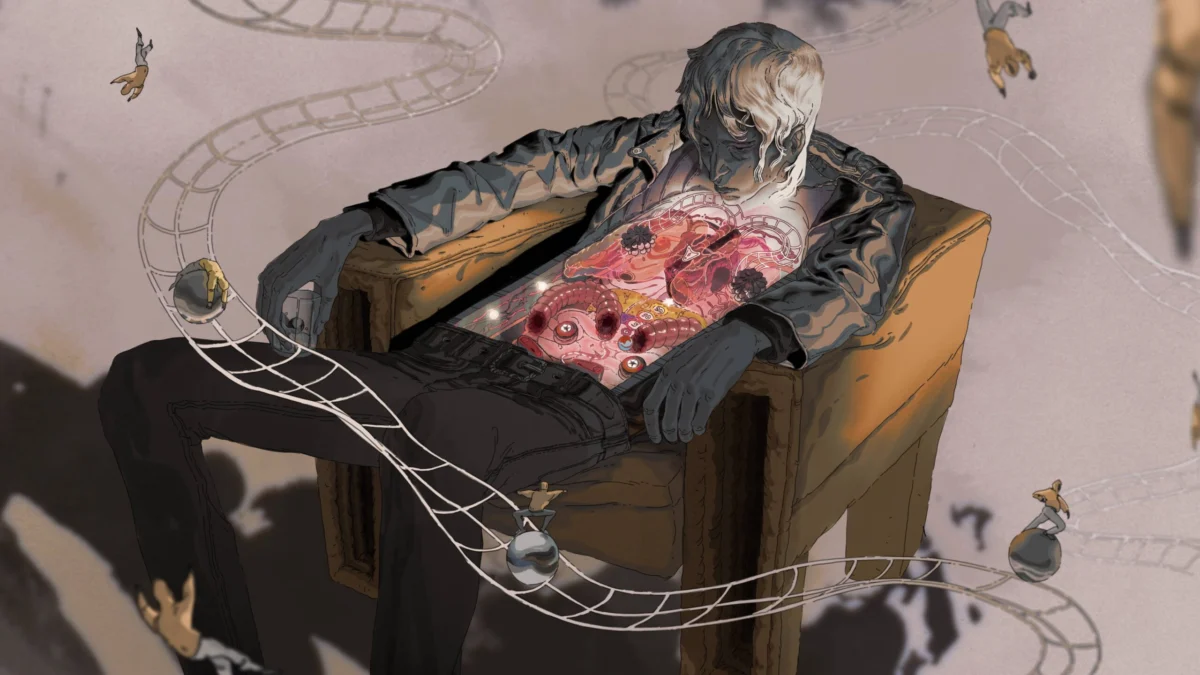
ZA/UM Studio, the developer behind the critically acclaimed role-playing game Disco Elysium, has officially announced a significant restructuring process that will result in the layoff of up to 32 employees. The studio, which has been the subject of intense public scrutiny and internal legal disputes for several years, confirmed the decision in a public statement issued on Friday. The workforce reduction is expected to affect staff across all departments, representing approximately one-third of the company’s total workforce.
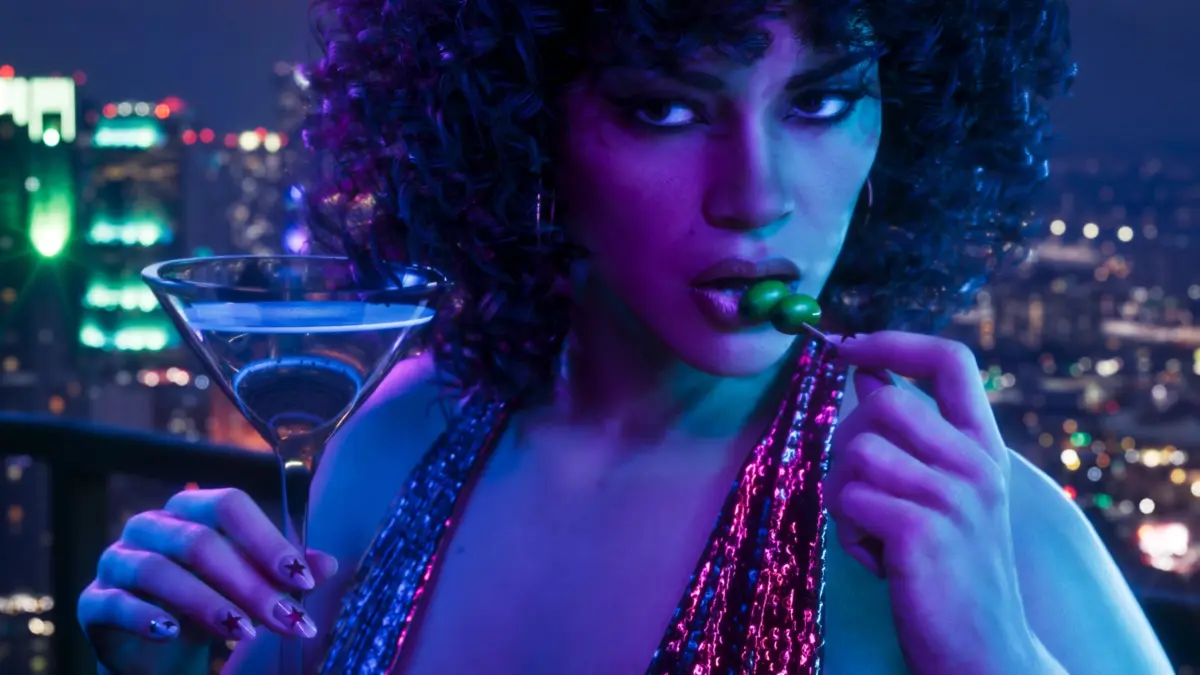
The primary driver for these redundancies is the commercial underperformance of the studio’s most recent release, Zero Parades: For Dead Spies. Despite achieving significant critical acclaim upon its release two months ago, the title failed to generate the revenue necessary to maintain the studio’s existing operational scale. This move marks the second major round of layoffs for the studio in less than two years, further complicating the narrative of a company that has transitioned from a breakout indie success story to a symbol of administrative and legal volatility.
Commercial Performance and Operational Realities
The announcement has sent ripples through the gaming industry, particularly because of the stark contrast between the artistic quality of Zero Parades: For Dead Spies and its financial results. The game, widely considered a spiritual successor to Disco Elysium, maintained the high literary standards and complex narrative systems that defined ZA/UM’s reputation. However, the studio noted that sales figures were insufficient to "sustain a studio of our current size."
Prior to this announcement, ZA/UM was estimated to employ approximately 100 people. The reduction of 32 staff members suggests a fundamental downsizing of the company’s ambitions or a shift toward a more lean development model. This decision comes at a time when the broader video game industry is grappling with a post-pandemic market correction, leading to tens of thousands of layoffs across both major publishers and independent studios.
In their official communication, ZA/UM management emphasized that they have been in consultation with the ZA/UM Workers’ Alliance. This internal body, represented by the Independent Workers Union of Great Britain (IWGB), was formed in October 2025 as the first recognized video game developers’ union in the United Kingdom. The involvement of the union indicates a structured redundancy process, though it offers little consolation to the professionals now facing an increasingly competitive and unstable job market.
A Chronology of Institutional Turmoil
To understand the gravity of the current layoffs, one must examine the tumultuous history of ZA/UM following the 2019 release of Disco Elysium. The game was a global phenomenon, winning multiple Game of the Year awards and establishing a new benchmark for narrative-driven RPGs. However, the internal stability of the studio began to fracture shortly after its success.
In 2021, a rift formed between the studio’s founding creative leads and its executive management. Robert Kurvitz (Game Director), Aleksander Rostov (Art Director), and Helen Hindpere (Lead Writer) were reportedly forced out of the company. The departure of the "core" creative team led to a series of high-profile lawsuits and public accusations that have defined the studio’s public image for nearly half a decade.
Kurvitz and Rostov accused the studio’s majority shareholders, Ilmar Kompus and Tõnis Haavel, of acquiring control of ZA/UM through fraudulent means. They alleged that funds intended for the development of a Disco Elysium sequel were misappropriated to facilitate a management buyout. Conversely, the studio management issued counter-allegations, claiming that the fired creators had created a "toxic work environment," engaged in verbal abuse, and failed to perform their professional duties for extended periods.
While some of these legal battles were eventually settled or dismissed, the damage to the brand’s reputation among its core fanbase remained significant. Many fans viewed the current management as "corporate interlopers" who had usurped an anti-capitalist artwork for profit. This sentiment has likely contributed to the commercial difficulties faced by Zero Parades: For Dead Spies, as a segment of the audience remained hesitant to support the studio’s new leadership.
The 2024 Precedent and the Cancellation of Projects
The current round of layoffs is not an isolated event. In early 2024, ZA/UM underwent a similar restructuring process. During that period, reports emerged that a standalone expansion for Disco Elysium, internally referred to as "Project X7," had been cancelled. This resulted in approximately 24 employees losing their jobs.
At the time, internal memos leaked to the press suggested a workplace "rife with crunch, burnout, and conflict." The cancellation of Project X7 was seen as a sign that the studio was struggling to replicate the lightning-in-a-bottle success of its debut title without its original creative visionaries. The failure of Zero Parades: For Dead Spies to bridge that financial gap appears to have been the final catalyst for the current downsizing.
Critical Acclaim Versus Market Saturation
The tragedy of the current situation, as noted by industry analysts, lies in the quality of the work produced by the departing staff. Zero Parades: For Dead Spies was not a critical failure; on the contrary, it was hailed as a masterpiece of prose and reactive storytelling. Reviews praised the game’s "bristling reactivity" and its ability to weave a "constellation of characters" into a living, breathing narrative.
However, the "AA" gaming market—studios that sit between small indie teams and massive "AAA" publishers—is currently facing a squeeze. High development costs and a saturated market make it difficult for niche narrative RPGs to achieve the breakout sales required to support a 100-person team. Furthermore, the specialized nature of ZA/UM’s work—focused heavily on high-concept writing and intricate art—requires a specific type of talent that is expensive to maintain.
The studio’s statement acknowledged the contributions of the departing staff, noting that "their work has made a lasting difference and left its mark on Zero Parades: For Dead Spies, and the studio as a whole." Despite these sentiments, the reality of the "at-risk" notices remains a harsh blow to the Estonian and UK development scenes.
The Role of the ZA/UM Workers’ Alliance
The presence of a recognized union within ZA/UM is a notable factor in how these layoffs are being handled. When the staff formed the union in 2025, it was seen as a defensive measure against the perceived instability of the management. In the current redundancy cycle, the union has served as a consulting body to ensure that the process adheres to labor laws and that departing employees receive whatever protections and severance are contractually mandated.
The IWGB has been vocal in the past about the need for greater transparency in the gaming industry, particularly regarding how commercial failures are communicated to the workforce. While the union’s involvement may provide a more equitable process than what was seen during the 2021 dismissals, it cannot prevent the loss of livelihoods necessitated by the studio’s financial outlook.
Broader Implications for the Narrative RPG Genre
The downsizing of ZA/UM raises questions about the future of high-budget, text-heavy narrative RPGs. Following the success of Disco Elysium, several other studios were formed by former ZA/UM employees, including Long_Distance, Summer Eternal, and Red Info Box. These "spiritual successor" studios are all vying for the same audience, potentially fragmenting the market for a genre that was already considered niche.
The irony of ZA/UM’s struggles has not been lost on the community. Disco Elysium was a game deeply rooted in themes of labor rights, the failures of capitalism, and the crushing weight of institutional bureaucracy. To see the studio that produced it become embroiled in union disputes, fraud allegations, and mass layoffs is a narrative arc that many observers find particularly poignant.
Official Response and Future Outlook
In their concluding remarks, ZA/UM management stated that while the layoffs "change the shape of ZA/UM," they do not change its "purpose." The studio intends to persist with its remaining staff, though it is unclear what their next project will be or if they still hold the rights to the Disco Elysium intellectual property in a capacity that allows for future development.
The statement ended with a plea to other industry employers: "To anyone currently hiring, please consider the colleagues leaving ZA/UM." This request highlights the precarious state of the industry, where even those who contribute to "critically acclaimed" masterpieces find themselves seeking new employment shortly after their work is released.
As the 32 affected employees enter a redundancy consultation period, the industry watches to see if ZA/UM can survive this latest contraction. The studio remains a cautionary tale of how internal discord and the pressures of commercial sustainability can jeopardize even the most promising creative entities. For now, the focus remains on the human cost of the restructuring and the uncertain future of a studio that once promised to revolutionize the medium of interactive storytelling.