Garick Elordi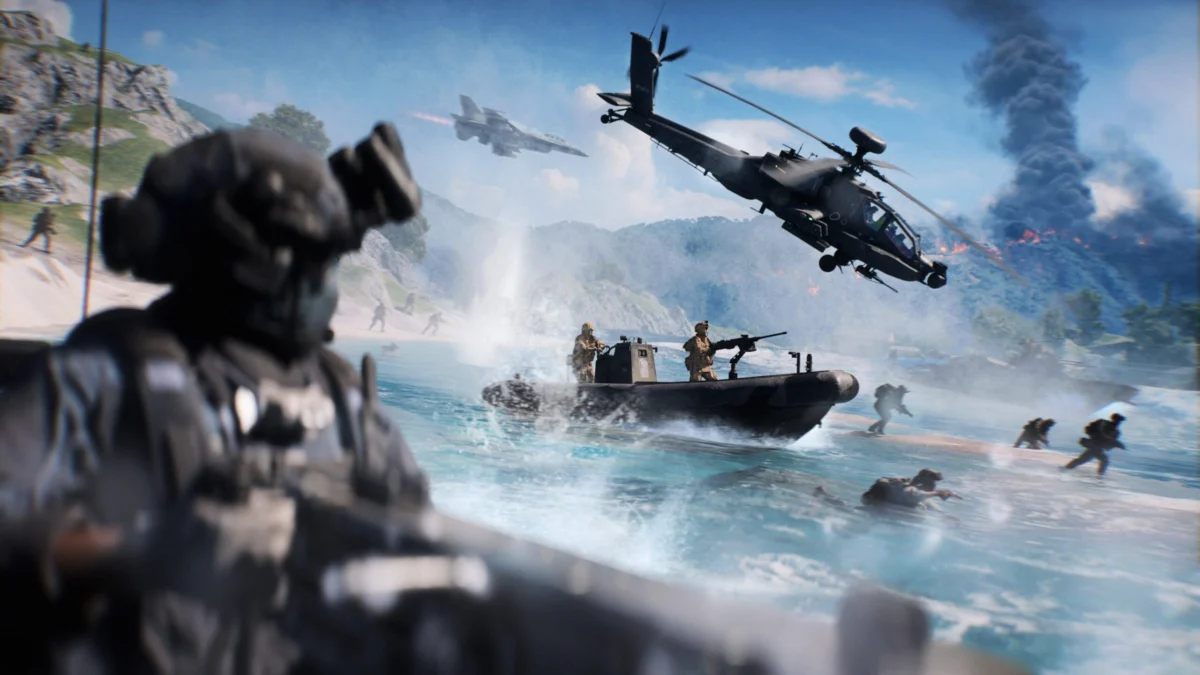
Electronic Arts and Battlefield Studios have officially launched Season 4 of Battlefield 6, headlined by the "Carrier Strike" content update. The centerpiece of this expansion is Tsuru Reef, a massive new environment that sets a new record for the largest playable area in the series’ history. Arriving as the game enters its second year of post-launch support, the map is designed to serve as a definitive showcase of the franchise’s "all-out warfare" philosophy, integrating land, air, and sea combat on a scale previously unseen in the modern iteration of the Frostbite engine.
The release of Tsuru Reef follows a period of significant structural adjustment for Battlefield 6. While the game’s initial launch roster was praised for its fidelity and tight close-quarters combat, a segment of the long-term community expressed a desire for the sprawling, vehicle-heavy landscapes that defined earlier entries like Battlefield 3 and Battlefield 4. Battlefield Studios responded to this feedback throughout the third season, notably with the remake of the classic Golmud Railway map. The success of that release provided the data necessary to greenlight Tsuru Reef, a map engineered to push the boundaries of spatial design and player density.
Geographic Composition and Strategic Layout
Tsuru Reef is structured around nine distinct capture points, distributed across a diverse topography that includes dense coastal towns, rugged mountain ranges, and expansive bodies of water. The map’s design philosophy centers on "segmented autonomy," allowing different playstyles to coexist within the same match without necessarily interfering with one another.
The mountainous regions of the map feature harsh shadows and verticality, providing a natural environment for long-range reconnaissance and sniper squads. In contrast, the urbanized sections—specifically the coastal town—are designed for high-intensity infantry engagements. These areas are characterized by narrow corridors and multi-story structures where every street corner presents a potential ambush point. To prevent vehicle dominance in these tight spaces, the environment encourages the use of anti-tank mines and stationary defenses, forcing armored units to exercise caution when venturing away from open terrain.
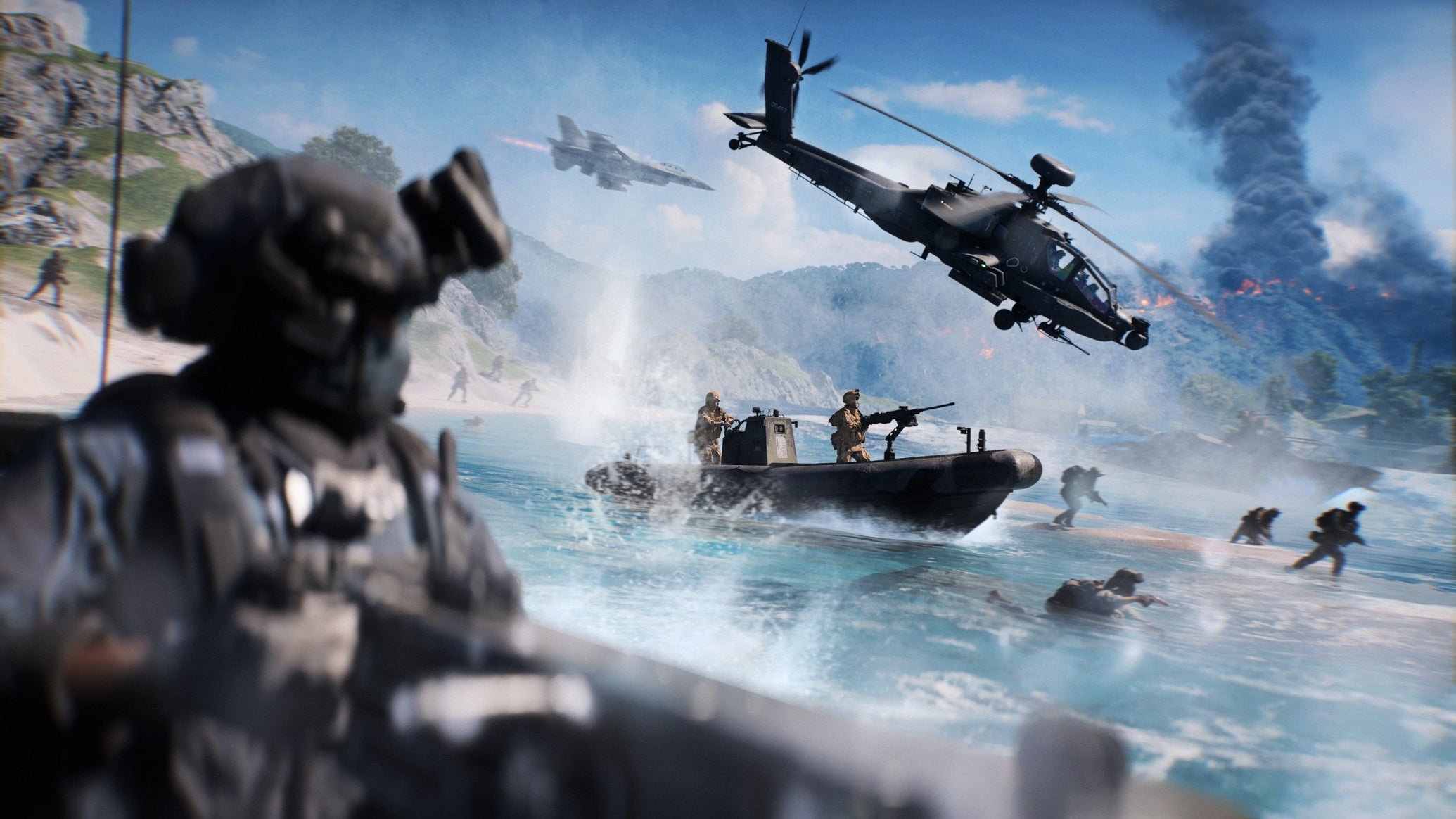
The most significant addition to the map’s flow is the resurgence of naval combat. Tsuru Reef is currently the only map in the Battlefield 6 rotation to feature dedicated maritime warfare mechanics. This includes the return of server-synced wave technology, a feature first popularized in Battlefield 4’s Naval Strike expansion. This system ensures that every player in the server sees the same wave patterns, allowing for tactical use of the ocean’s swells to hide small craft or disrupt the aim of larger vessels.
The Evolution of the Battlefield 6 Map Ecosystem
The chronology of Battlefield 6’s development reveals a shift from specialized, infantry-focused maps toward the massive, multi-modal environments seen in Season 4. At launch, the game focused on "meat grinder" style maps—high-intensity zones that prioritized fast-paced gunplay. While these were effective for onboarding new players, veteran enthusiasts argued that the "Battlefield identity" of combined arms warfare was being diluted.
The introduction of Season 3’s gunplay update was a pivotal moment in this timeline. By introducing mechanical changes that reduced weapon accuracy at extreme ranges, the developers paved the way for larger maps. Without these changes, crossing the vast distances of Tsuru Reef would have been impossible for infantry, as they would have been easily picked off by high-accuracy fire from across the map. This update requires players to pace their shots and move between cover, making the traversal of Tsuru Reef a tactical challenge rather than a simple sprint across open ground.

Naval Warfare and Air Superiority Logistics
With the "Carrier Strike" theme, the vehicle pool has been significantly expanded. Tsuru Reef introduces a tiered vehicle spawn system where certain heavy assets only become available as the match progresses or after specific capture points are secured. This mechanic is intended to prevent "steamrolling," where one team dominates the map early with superior firepower.
Air combat sees a resurgence in utility through the deployment of multiple transport helicopters per team. Given the sheer size of the map, these "flying buses" are essential for troop deployment. Jet pilots are afforded a much higher flight ceiling and a wider combat radius, allowing them to engage in dogfights far above the ground-level chaos.
The naval component, while visually impressive, introduces new balance considerations. Attack boats equipped with mortar systems have emerged as a significant threat. These vessels can moor in hard-to-reach coastal nooks and shell inland capture points. While this provides a powerful tool for naval squads, it places a premium on air-to-sea coordination, as aircraft are often the only effective counter to a well-positioned mortar boat.
Infantry Arsenal and Weaponry Updates
Season 4 introduces three primary weapons to the Battlefield 6 armory, each designed to complement the varied engagement distances of Tsuru Reef.

- Bren 3 Carbine: A versatile mid-range weapon that has quickly become a favorite among frontline players. Its ability to be configured with a long barrel makes it effective for clearing outskirts and defending fortified positions.
- VSSM: A specialized marksman rifle that offers high stealth capabilities. When equipped with the "full-auto" modification—an expensive but powerful upgrade—it transforms into a high-risk, high-reward tool for close-quarters infiltration.
- New Sidearm and Gadgets: The update also includes new tactical gear aimed at counter-vehicle play, essential for infantry caught in the open stretches of the reef.
The gunplay mechanics continue to reflect the "Season 3 Overhaul" philosophy. The increased recoil and spread over distance mean that players cannot rely on "spray and pray" tactics. On a map as large as Tsuru Reef, this creates a distinct "front line" feel, where squads must work together to suppress enemies before advancing across the water or open fields.
Official Positioning and Developer Intent
Battlefield Studios has positioned Tsuru Reef as an "anchor map" for the future of the series. Internal statements from the development team suggest that the map serves as a technical benchmark for what the current generation of hardware can handle in terms of player count and environmental complexity. The goal was to create a "living trailer"—a map so visually and mechanically dense that it serves as a marketing tool for the game’s capabilities.
"Our objective with Season 4 was to bring back the ‘Big Map’ feeling that is synonymous with the Battlefield name," a representative from the studio noted during a pre-launch community update. "Tsuru Reef isn’t just about size; it’s about the synergy between different branches of the military. We wanted to see what happens when you give players the room to truly use every tool in the sandbox."
Broader Impact and Future Implications
The introduction of Tsuru Reef and the Season 4 content has significant implications for the long-term health of Battlefield 6. By addressing the demand for naval combat and massive scale, Electronic Arts is signaling a commitment to the core fanbase that may have felt alienated by the game’s initial direction.

However, the sheer size of the map presents a potential drawback regarding player rotation. Historically, in the Battlefield franchise, exceptionally large maps often become niche favorites rather than standard staples. There is a risk that after the initial novelty of Tsuru Reef wears off, players may gravitate back to more condensed maps that offer a higher frequency of combat encounters.
Furthermore, the "Carrier Strike" update sets a high bar for future seasons. With naval combat now re-established, the community expectation for subsequent maps to include similar water-based mechanics will likely increase. This places a technical and creative burden on the developers to ensure that naval assets do not remain "one-map wonders."
In conclusion, Battlefield 6 Season 4 represents a strategic pivot toward the franchise’s roots. Tsuru Reef is a bold experiment in scale and synchronization, offering a complex playground for ground, air, and sea units. While its long-term popularity remains to be seen, its role as a technical achievement and a response to community feedback is undeniable. As the "Carrier Strike" season commences, the success of Tsuru Reef will likely dictate the architectural direction of Battlefield maps for years to come.