Galang Taruna
Six months after the acquisition of the Belgian electric bike brand Cowboy by the French group Rebirth, a troubling narrative of user frustration, technical malfunctions, and an unresponsive customer service system has emerged from Parisian riders. While the acquisition was touted as a lifeline for Cowboy, ending two years of significant financial hardship, many users report that their daily experience has worsened, characterized by recurrent technical failures, prolonged waits for spare parts, and an increasingly automated, unhelpful support system. Frandroid recently interviewed three affected users and subsequently presented their grievances to Grégory Trebaol, the CEO of Rebirth, who contested some of the reported issues while acknowledging others.
A Rescue Mission Plagued by Legacy Issues and Integration Challenges
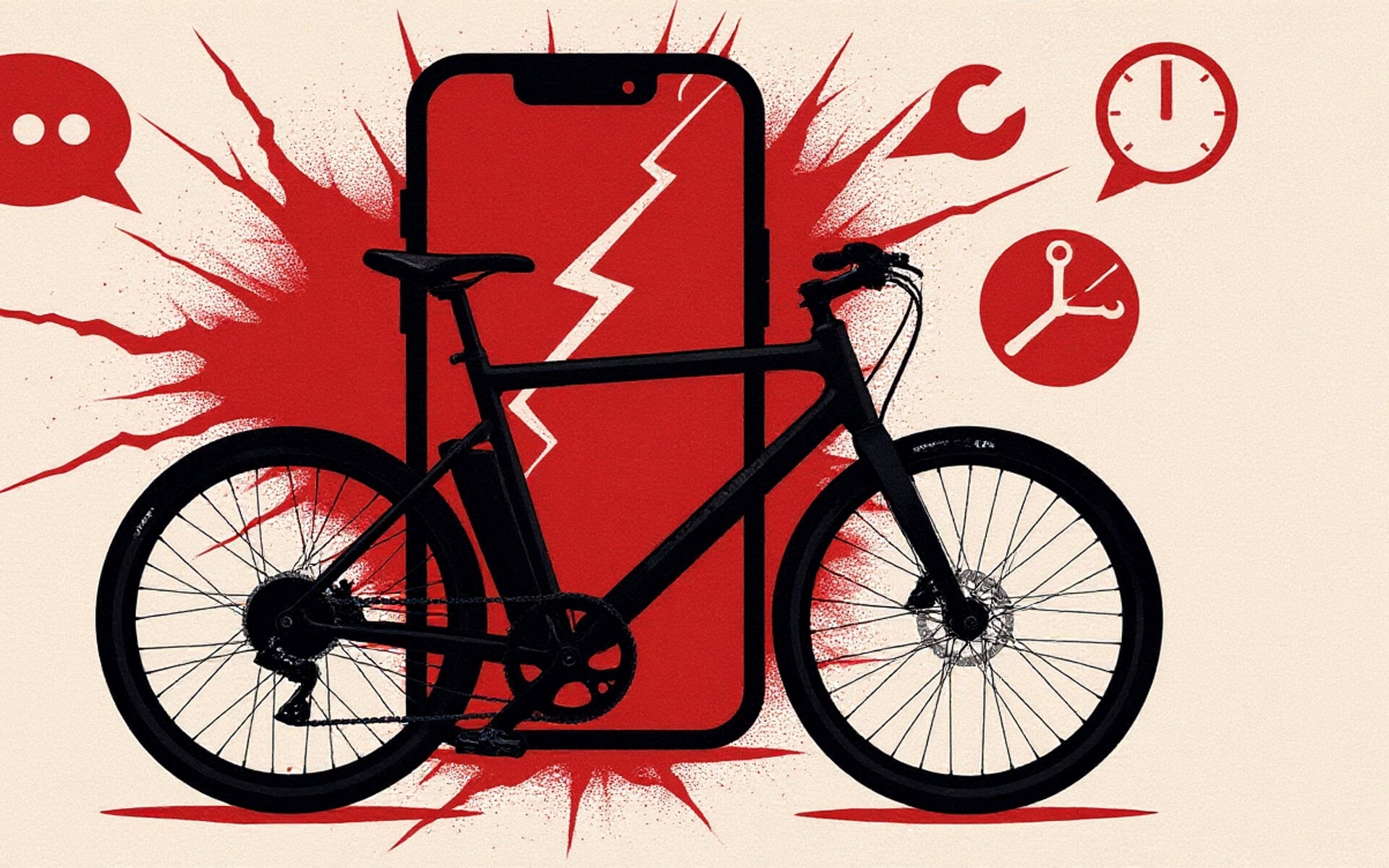
Cowboy, founded in Brussels in 2017, quickly established itself as a pioneer in the premium connected electric bike segment, renowned for its sleek design and integrated technology. However, the brand entered a turbulent period marked by severe financial difficulties. Its 2024 fiscal year was particularly disastrous, witnessing a 36% decline in revenue to €21.7 million and an operational loss of €21 million. The company’s annual report explicitly warned of a short-term bankruptcy risk without additional funding, painting a grim picture for its future.
Adding to these woes was a massive recall of the Cowboy 4 ST model, initiated due to a critical risk of frame breakage. This recall alone incurred an estimated provision of €5.6 million, severely impacting the company’s treasury and exacerbating existing supply chain issues. The recall not only drained vital financial resources but also created a backlog in parts, a problem that would continue to haunt the brand post-acquisition.
The French group Rebirth, a prominent player in the cycling industry with a portfolio that includes established brands like Peugeot Cycles, Gitane, Solex, Matra, and Angell, stepped in as a potential savior. Rebirth was already familiar with Cowboy, having assembled its bikes at its Re-Cycles factory in Romilly-sur-Seine. In September 2025, Rebirth announced its intention to acquire an 80% stake in Cowboy, promising a €15 million investment to revitalize the struggling brand. At the time, Grégory Trebaol acknowledged the ongoing financial drain, stating, "This year, the company will still lose between 8 and 10 million euros for a turnover of 20 to 22 million." The acquisition was officially finalized on December 18, with the agreement signed on December 23, 2025, and Rebirth formally taking operational control of Cowboy on January 10, 2026. The promise was a swift comeback by February, yet for many, the reality has been anything but.

Echoes of Frustration: Three Parisian Users Share Their Ordeals
The experiences of Livio, Alexis, and Dérien Chabrier, three Parisian Cowboy electric bike owners, paint a stark picture of the challenges faced by the brand’s customer base. Their testimonies, collected by Frandroid in mid-June, highlight persistent technical glitches, chronic parts shortages, and a customer service system perceived as broken.
Livio, who purchased his Cowboy C4 new two and a half years ago, relies on his bike for daily commuting. Initially drawn by the brand’s premium image, he quickly grew disillusioned. "The bike is presented as a premium product, but in reality, only the design is premium. The quality of the components is not excellent," he stated, a sentiment echoed by authorized repair shops. His initial problems included play between the handlebar and fork, and a cable entangled in the rear wheel, necessitating a full wheel replacement. At that point, repairs were swift.

However, a year into ownership, Livio’s electric assistance began to fail intermittently, disconnecting from Bluetooth and cutting out every five minutes, sometimes even every thirty seconds. This problem persisted for six months while he awaited a back-ordered connector. "You can imagine the difficulty, as the Cowboy has no gears. Even if I am sporty, when the assistance no longer works, it is sometimes better to get off the bike and push it by hand," Livio recounted. He narrowly avoided two accidents due to the sudden loss of assistance, particularly dangerous in winter when he had to remove his gloves to restart the assistance via the app while navigating traffic. The connector replacement only partially resolved the issue, reducing the cuts to about once a week. Further compounding his problems, Livio reports having to bleed his brakes every three to four months due to air entering the system, noting that the brakes’ performance deteriorated significantly just three months after purchase.
Livio’s assistance issues resurfaced the following summer, just before his warranty expired. A diagnostic at an authorized shop found no abnormalities. Since September 2025, he has been riding an out-of-warranty bike whose assistance cuts out approximately every five minutes. On a user Facebook group, he summarized his despair: "Hello, I am very unhappy. I have a Cowboy C4 for two and a half years, and the after-sales service has always been inadequate, even very bad. But now, it is simply absent. I have many problems with my bike for months, with the assistance cutting out every two minutes. I don’t know what to do anymore."
Alexis, who bought a used Cowboy C3 about eighteen months ago, was initially impressed. Despite the bike showing several thousand kilometers and a previous repair around the torque sensor, he found it "rather well designed" and "very pleasant to ride." However, a rear puncture triggered a cascade of problems. While disassembling the wheel, Alexis damaged the already fragile cable under the tape. "Apparently, it’s a fairly common mistake: one can forget to disconnect the cable before removing the wheel," he explained. An authorized Parisian repairer diagnosed the issue and had the part in stock, which relieved Alexis given concerns about part availability. The customer service, which was relatively responsive at the time, had also offered him a parts basket for the cable alone, but he didn’t proceed, fearing long delays.
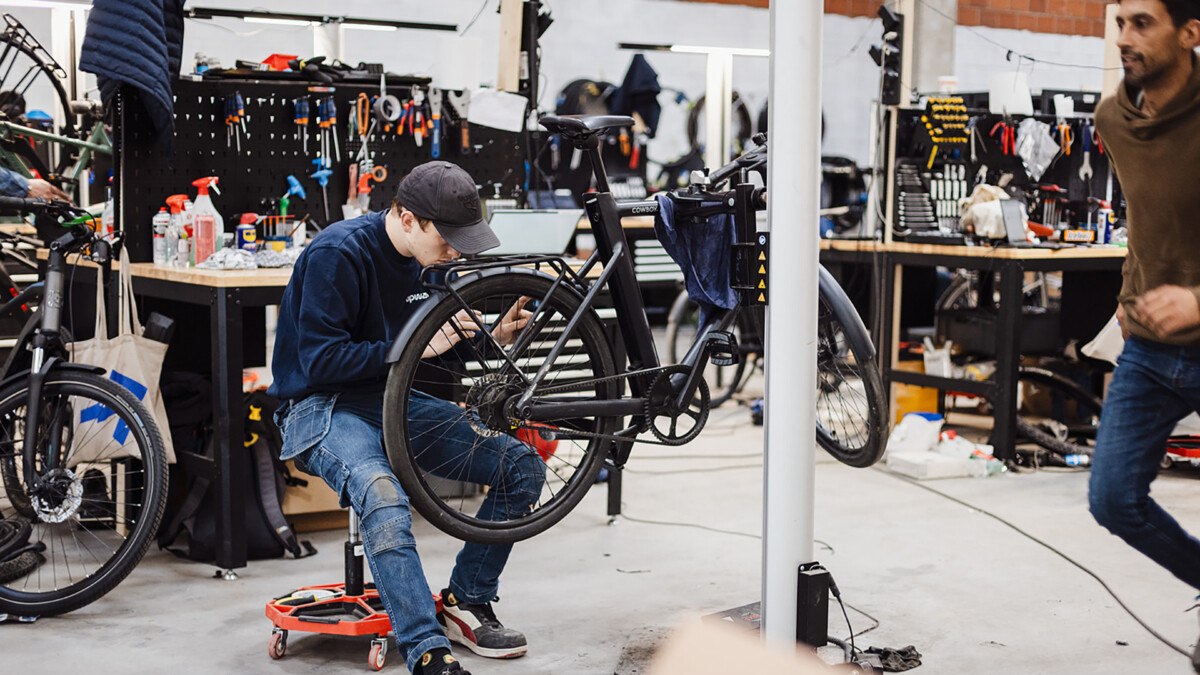
Three weeks later, the bike was returned, seemingly functional. "Initially, everything worked perfectly. But after 24 hours, the bike broke down again, for no apparent reason. It completely gave up," Alexis lamented. He has since turned to online forums like Reddit and YouTube, and even an unofficial app called "Untamed" developed by an enthusiast, to diagnose the issue. By cross-referencing data and using ChatGPT, he hypothesized that the installed part might be for a newer C4 model, and the problem could potentially be resolved by a "simple manipulation in the back-office version of the Cowboy application." He shared this detailed hypothesis with customer service and an employee he had previously connected with on Messenger, but received no further response after being told it would be forwarded to the technical team. "Today, I therefore have a Cowboy that no longer works and no longer reacts at all," he concluded, having since bought a Tenways e-bike, expressing concern that many connected bike brands see service deteriorate over time.
Dérien Chabrier rides a classic C4, purchased used in Paris in 2023 or 2024 with 1,500 kilometers, now nearing 4,000 km. He has already replaced the motor and other costly parts. "It’s still quite a hassle because many parts malfunction. The parts are also very expensive: as soon as you have a change to make on a Cowboy bike, it’s quickly 300 or 400 euros, excluding labor," he noted. He relies on one of the three or four authorized repairers in Paris, considering himself "not too badly off compared to other cities." Chabrier experienced two simultaneous issues: a connectivity problem preventing him from unlocking his bike via his phone (forcing him to use the physical key), and a software glitch. After a month of persistence, he received a software patch that "greatly improved things," narrowly avoiding an €800 bill for a new motor and communication module. He is now convinced it was a software rather than a hardware issue.
The Black Hole of Customer Service: A Chatbot’s Frustrations

A recurring theme across all three testimonies is the drastic deterioration of Cowboy’s customer service, particularly the shift towards an impersonal, ineffective, and often unresponsive chatbot system. "When you have a difficulty, you start with Cowboy’s SAV, which is on the application. And there, it’s an absolutely awful user journey," Dérien Chabrier summarized. He described a process involving "several days of struggling, exchanging with a chatbot that is obviously off the mark, before getting someone." Even then, responses come every three days and are generally unhelpful, often concluding with "Well, you have to order new parts, we don’t know where it comes from, and deal with it yourselves." This translates to up to a month between a breakdown and a potential solution, an unbearable delay for urban commuters.
Alexis described a similar mechanic: "You first have to fill out a request with a chatbot. This one asks different questions. There is then an option to ask to speak to someone. After a while, often after one or more days, a profile that seems human finally responds." In his case, no one has responded for two to three weeks. Livio recalled that while the chat was laborious before, "you sometimes ended up talking to a real person." Now, he says, "you have to go through a chat that performs an initial diagnosis with artificial intelligence." He stressed the complete absence of human contact: "There is no direct interlocutor at Rebirth for Cowboy users. Everything continues to go through the application, as before, except that before, you sometimes ended up talking to someone. Today, you no longer talk to anyone."
Rebirth’s Perspective: A Mountain of Backlogs and Disputed Claims
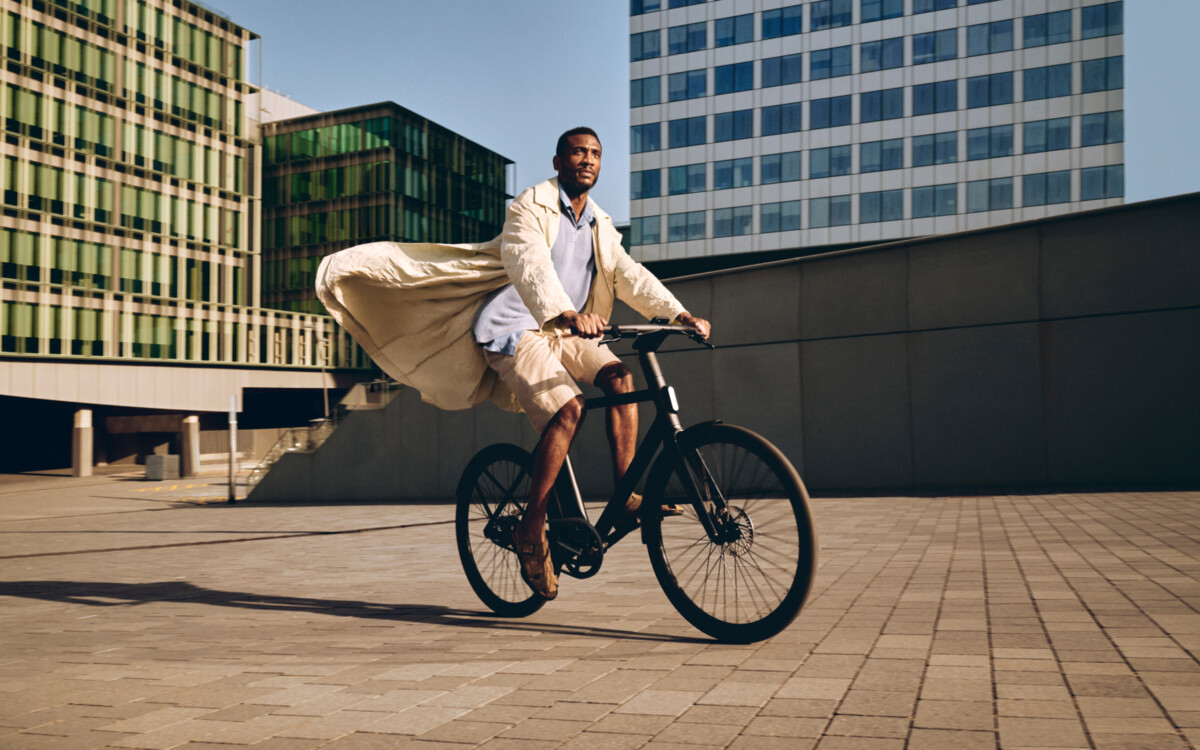
When confronted with these complaints, Grégory Trebaol, Rebirth’s CEO, offered a nuanced defense. He highlighted Rebirth’s operational structure, explaining that while Rebirth owns and assembles Cowboy bikes through its Cycleurope subsidiary, the day-to-day operations, management, and exploitation of the Cowboy brand are handled autonomously. "Our role is to manufacture the bikes through Cycleurope. The two sister companies have an industrial manufacturing relationship. However, the operations, management, and exploitation of Cowboy are done autonomously," Trebaol stated. He added, "Of course, as a shareholder and manufacturer, we try to influence. But we don’t want to denature Cowboy. We don’t want Cowboy to become a pure retail brand and for everything to change." This operational split suggests a potential disconnect between the parent company’s strategic vision and the brand’s day-to-day customer experience.
Regarding the critical issue of spare parts shortages, Trebaol did not dispute the delays but contextualized them within the brand’s pre-acquisition struggles. "On Cowboy, the main issue was a problem of parts supply, unavailable for three years, which had to be filled," he explained. He cited a staggering "18,000 lines of SAV that had to be processed in less than six months, with 2,300 bikes in backlog to be delivered." He reminded Frandroid that Rebirth took over operations only on January 10, after signing the acquisition on December 23, leaving a short window before the mid-June interview. "Excuse us, we also had the year-end holidays. We started operating Cowboy from January 10. And it’s June 15."
Trebaol asserted that significant progress had been made: "Today, I’m not saying everything is clear, but 85% of SAV issues have been processed." He committed to resolving the spare parts supply issue by early July: "On spare parts, we are reaching the end of the exercise of supplying parts that had not been ordered for months. This will be absorbed, perhaps not by the end of June, but in the first fifteen days of July." He promised that affected customers would be contacted proactively.
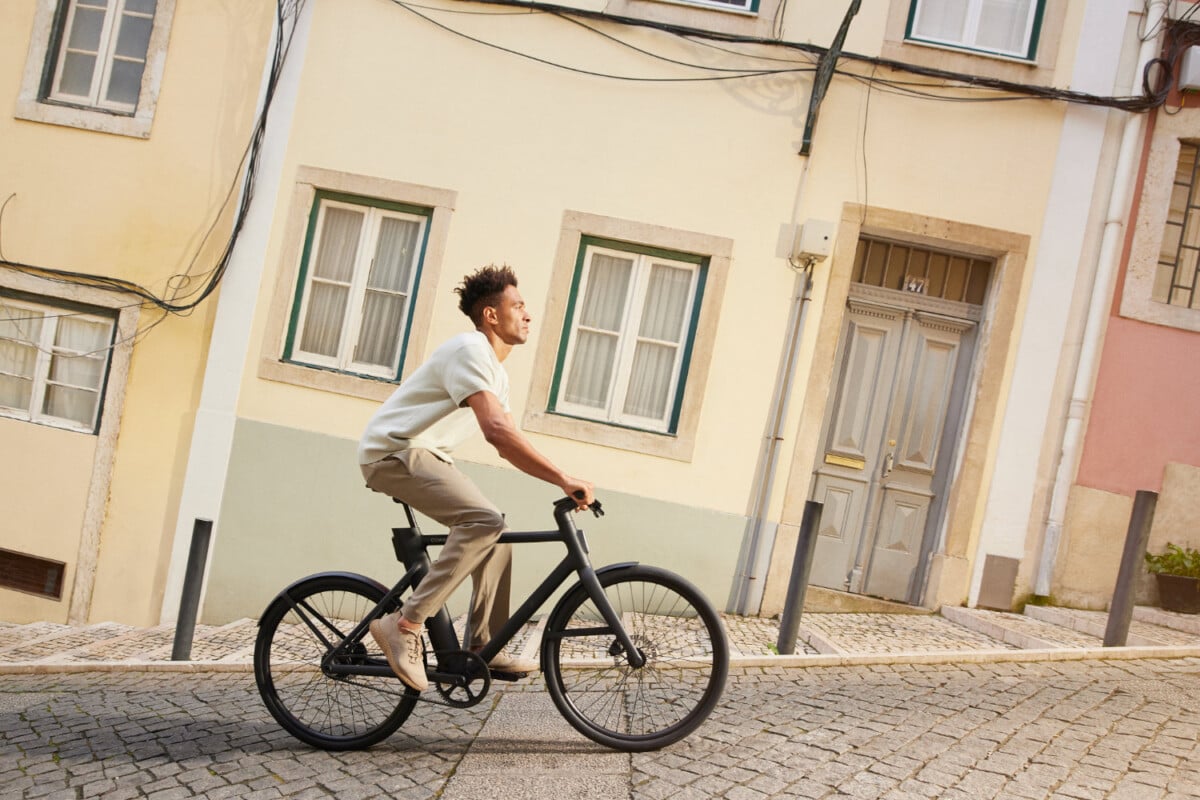
However, on the issue of connectivity and software bugs, Trebaol’s response was more confrontational, suggesting a disconnect between his understanding and user experiences. "Again, list me the technical connectivity problems at Cowboy. Send me the list, and I guarantee you there aren’t 300 of them," he challenged. He claimed not to see major connectivity issues surfacing internally. "Regarding connectivity, either I am completely disconnected from the structure, but I don’t have a major connectivity issue on Cowboy. I’m not saying there can’t be any. But it’s not like Angell, where the application is down and doesn’t work. At Cowboy, if there are cases, they are isolated." He invited Frandroid to send specific examples, promising swift responses: "Tell me what the connectivity issues are at Cowboy, and I guarantee I will respond to you. I am able to respond within the hour. I take this very seriously. All Cowboy issues for which we have a solution must be handled within the week." He also dismissed the idea that the departure of co-founder Tanguy Goretti eighteen months prior had depleted technical teams, stating that development teams remained the same.
A Chasm of Perception: User Reality vs. Corporate Outlook
The stark contrast between Trebaol’s statements and user testimonies is undeniable. Livio’s daily assistance cut-outs and error messages from the app, despite clean diagnostic reports, directly contradict the claim of isolated connectivity issues. Alexis’s completely unresponsive bike after an official repair, and Dérien Chabrier’s month-long struggle with Bluetooth connectivity that was ultimately resolved by a software patch, further underscore a systemic problem that seems to be under-recognized at the management level. Users feel unheard and unseen, trapped in a loop of automated responses and unfulfilled promises.

The lack of direct human contact is a critical point of contention. Users, accustomed to a certain level of service from a premium brand, find themselves resorting to desperate measures, from trawling LinkedIn for employee contacts to attempting to "trick" the system by pretending to want to buy parts. The inability to communicate with someone who understands their specific case, has access to their service history, or can provide a clear path to resolution, has left them feeling abandoned. The fact that Cowboy is not even listed on Rebirth’s website as one of its brands, as noted by Alexis, further fuels the perception of a detached ownership.
The Urgent Call for Action: "Just Fix My Bike"
At the conclusion of their interviews, the three users posed a single, unifying question to Rebirth’s CEO: "How do I get my bike repaired?" Livio, for instance, articulated his desperation: "I simply want to know how to get my bike repaired. I want them to repair their customers’ bikes. If I have to pay something to be sure of getting a real repair, I am willing to do so." He is willing to pay, but only for a guaranteed solution, not for blind trials. He even considered a trade-in: "They could also take back my bike and offer me to pay the difference to get another model. I could eventually trust them one last time. But I cannot remain in this situation." For Livio, an e-bike in Paris is an essential mode of transport, and a malfunctioning one is not only inconvenient but potentially dangerous. His frustration is palpable: "Today, I have no one to talk to. For a brand like Cowboy, having such bad after-sales service seems totally abnormal to me. I am extremely disappointed." The ongoing wait for a back-ordered connector, now expected to take "several more months," despite new bikes still being sold, raises fundamental questions about supply chain management and customer prioritization.
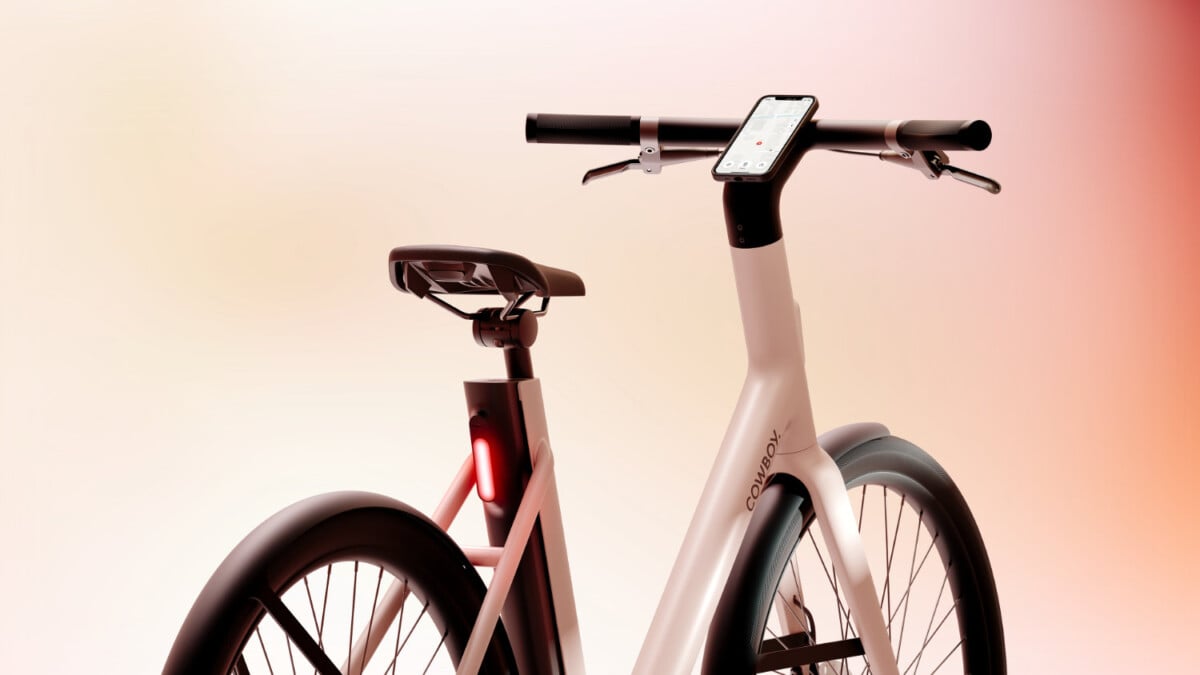
Dérien Chabrier’s question was about timeline: "For me, it’s: when do we return to a normal level of service?" He stressed that the priority should not be new models or marketing, but rather addressing the current backlog of neglected customers. "If you buy a brand, either you just buy the brand and the trade name, and why not. But if you want to keep the brand alive, it’s done differently," he argued, despite being a "fervent defender of Cowboy" who appreciates its design and fluidity when it works. His ultimate conclusion, however, is bleak: "Today, I don’t expect much from Cowboy. I unfortunately recommend no one buy one, because it’s in this state."
Grégory Trebaol conceded the overarching criticism regarding customer service: "Customer service is essential. We undoubtedly need to communicate more and dedicate more effort to these customers. That is certain." This acknowledgment, while welcome, starkly contrasts with the immediate reality described by users. Efforts to schedule an interview with Cowboy’s General Manager France prior to publication were unsuccessful, indicating a continued lack of direct engagement from the brand’s operational leadership.
The unfolding situation at Cowboy highlights the complex challenges of post-acquisition integration, particularly for tech-centric brands with high customer expectations. While Rebirth faces the monumental task of clearing legacy backlogs and stabilizing supply chains, the perceived lack of direct human support and persistent technical issues are eroding customer trust, threatening the very brand equity Rebirth sought to acquire. The future of Cowboy, and its ability to regain the loyalty of its user base, will depend on whether Rebirth can bridge the gap between its strategic vision and the pressing, day-to-day realities of its riders.