Garick Elordi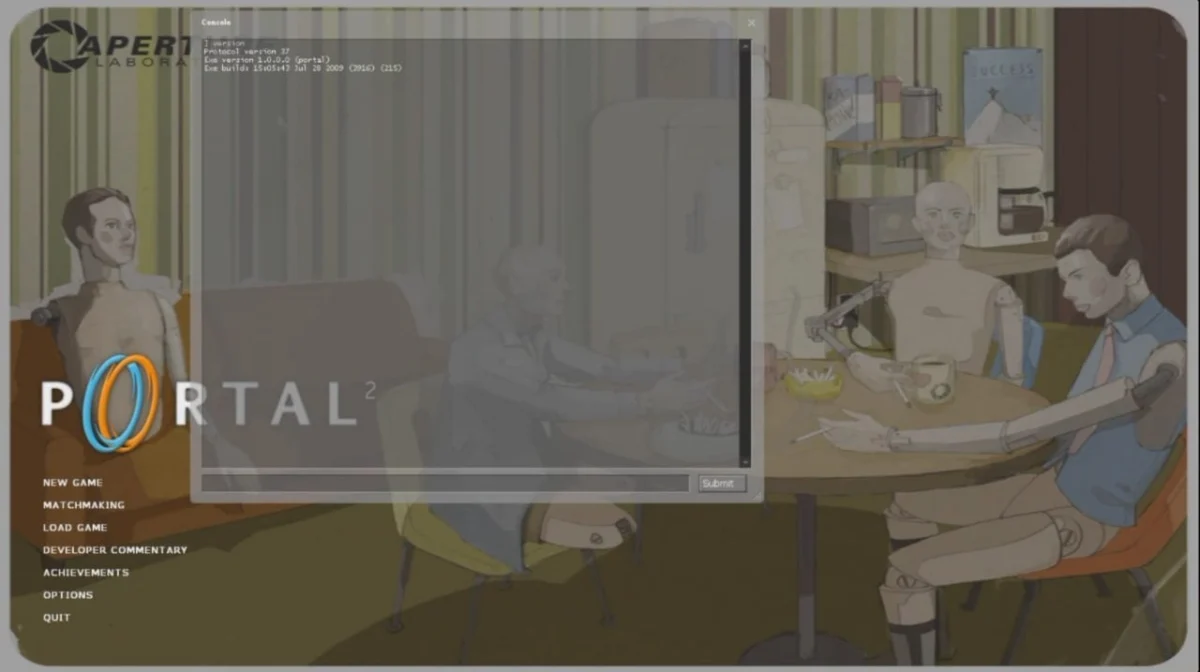
The digital preservation community and video game enthusiasts are currently navigating one of the most significant data breaches in recent gaming history following the emergence of a massive 12-terabyte archive of internal Valve Corporation development files. The repository, which surfaced online through various file-sharing channels, reportedly contains a decade’s worth of historical data spanning from 2003 to 2013. This era represents a transformative period for the Bellevue-based developer, covering the release of Half-Life 2, the birth of the Portal franchise, the acquisition of the Left 4 Dead property, and the global explosion of Counter-Strike: Global Offensive.
The leak was initially brought to public attention by a prominent community figure and dataminer known as Gabe Follower, who signaled that the archive includes early builds, uncompressed textures, source code fragments, and discarded concepts for some of the most influential titles in the industry. As researchers and hobbyists begin the arduous process of cataloging the terabytes of data, the primary focus has turned toward the "holy grail" of Valve’s development history: the long-gestating and eventually cancelled Half-Life 2: Episode Three.
A Chronological Window into Valve’s "Golden Era"
The timeframe covered by the leak—2003 to 2013—is particularly significant as it encompasses the transition from Valve’s role as a traditional game developer to its dominance as a platform holder through Steam. The archive is believed to have originated from Valve’s legacy Steam2 content-delivery infrastructure. This system was the backbone of Valve’s digital distribution before the company migrated to the more efficient SteamPipe architecture in the early 2010s.
The nature of the files suggests they are "snapshots" of internal servers used during the development of several major projects. Because these files were stored on the older infrastructure, they provide a rare, unfiltered look at the iterative process Valve is famous for—a process often characterized by "cabling" together disparate ideas and ruthlessly cutting content that does not meet the studio’s high standards for playability and innovation.
Key Findings: From Portal Prequels to Left 4 Dead Betas
Initial analysis of the 12TB archive has already yielded several significant discoveries that provide context to known gaming myths.
The Evolution of Portal 2 and F-Stop
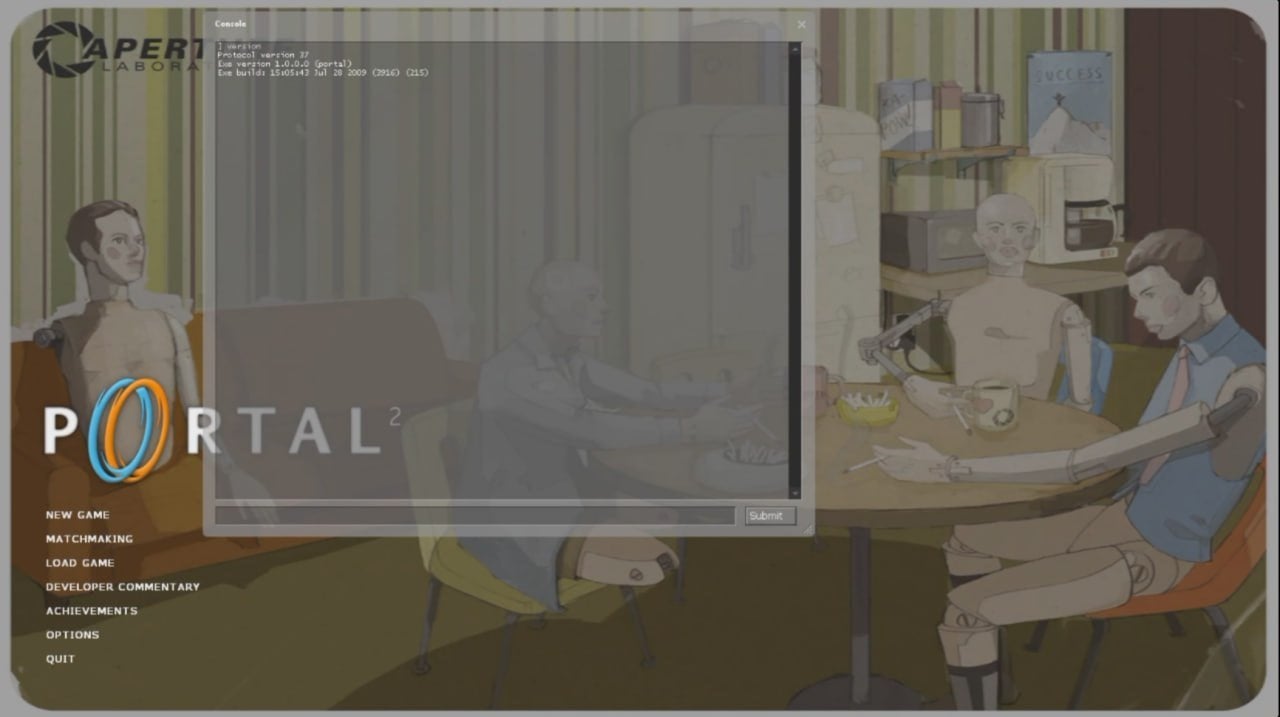
Among the most discussed files is a beta build of Portal 2 dated circa 2009. This version of the game predates the final decision to bring back the "portal gun" as the primary mechanic. For years, it has been known that Valve originally intended for the Portal sequel to be a prequel centered on a mechanic codenamed "F-Stop." This mechanic reportedly involved using a camera to take pictures of objects and then resizing them in the environment to solve puzzles. While the F-Stop assets have been whispered about for years, the leak potentially contains the most complete look at this discarded version of the game to date.
Left 4 Dead’s Development Heritage
The archive also features a fully playable internal build of the original Left 4 Dead, dated June 2008—just months before its November release. This build offers a look at the game’s evolution under Valve after they acquired the original developer, Turtle Rock Studios. Researchers have identified early heads-up display (HUD) designs, work-in-progress lobby screens, and a significant amount of cut audio. Notably, the files contain voice lines for the character Zoey recorded by Alésia Glidewell. In the retail version of the game, Glidewell served as the physical model for Zoey, but her voice work was replaced by Jen Taylor. The inclusion of these lines allows historians to hear a version of the game that has been lost for over 15 years.
The "Weaponizer" and the Half-Life 2: Episode Three Mystery
Perhaps the most intriguing discovery involves a 3D model for an asset called the "Weaponizer." While the Weaponizer appears in this archive as a placeholder asset within a Portal 2 build, long-time Valve investigators have associated the name with Half-Life 2: Episode Three. Its presence in the files reinforces the theory that Valve frequently shared assets across different project folders during the late 2000s, often using Episode Three experiments to flesh out other titles.
The Half-Life 3 Context and the "HLX" Project
The leak arrives at a time of renewed interest in the Half-Life franchise. While the 12TB archive focuses on the past, it provides a backdrop for recent rumors regarding Valve’s current internal projects. To understand the significance of this leak, one must look at the history of Half-Life 3’s development.
It has been confirmed through previous interviews and investigative reports that a version of Half-Life 3 was in active development between 2013 and 2014. That iteration of the game was intended to utilize the Source 2 engine and featured a procedurally generated structure designed to increase replayability. According to internal sources, that project was ultimately shelved because the Source 2 engine was not yet mature enough to support the ambitious scope of the game.
More recently, dataminers have uncovered references to a project codenamed "HLX." Reports from 2024 suggest that this new project is a non-VR Half-Life title that has reached a "playable, end-to-end" state. While the 12TB leak does not contain files from this modern era, it provides the historical data necessary for fans to trace the lineage of mechanics and narrative beats that might finally see the light of day in HLX.
Technical Origins and Security Implications
The source of the leak is distinct from a cyberattack disclosed by Valve earlier this month. In that separate incident, Valve’s European logistics partner, CEVA Logistics, suffered a data breach that exposed the personal information of hardware customers (such as those who purchased the Steam Deck or Valve Index). That breach was limited to shipping and customer data.
In contrast, the 12TB archive appears to be a direct leak of internal game assets. The fact that the data stems from the Steam2 era suggests that this may not be a recent "hack" of Valve’s current live servers, but rather the surfacing of an old backup or a decommissioned server archive that has been circulating in private circles for years before being made public.

Valve Corporation has a long and complicated history with data security. In 2003, a German hacker famously gained access to Valve’s internal network and leaked the source code for Half-Life 2 a year before its release. That event caused a massive delay and nearly bankrupted the company. While the current leak is retrospective and does not threaten an upcoming launch in the same way, the sheer volume of proprietary data being released poses a significant intellectual property challenge for the company.
Impact on the Modding and Research Communities
For the gaming community, the implications of this leak are twofold. On one hand, it is a treasure trove for video game historians. The ability to see the "messy" middle of the development process for games like CS:GO and Left 4 Dead provides invaluable insight into how modern game design functions.
On the other hand, the leak provides the modding community with high-quality assets and source files that could be used to "restore" cut content. Projects like "Project Borealis" or "Boreal Alyph," which aim to recreate Half-Life 2: Episode Three based on writer Marc Laidlaw’s published plot summary, could theoretically use these newly discovered assets to ensure their fan-made games feel authentic to Valve’s original aesthetic.
Official Response and Future Outlook
As of the time of reporting, Valve has not issued an official statement regarding the leak. The company historically maintains a "silent" approach to leaks of legacy material, rarely acknowledging the authenticity of files unless they impact active live services or security.
The process of decompressing and analyzing 12 terabytes of data is expected to take weeks, if not months. Given the complexity of Valve’s internal file naming conventions and the use of proprietary tools, much of the data may remain indecipherable to the general public until specialized software is developed to view the assets.
What remains clear is that the "Valve Archive" leak represents a definitive closing of a chapter on the first decade of the 21st century’s gaming history. As the community continues to dig through the files, the line between myth and reality regarding Valve’s cancelled projects continues to blur, offering a rare glimpse into the inner workings of one of the world’s most secretive and successful entertainment companies. Whether this data leads to the discovery of a near-finished Episode Three or simply more questions about what could have been, it stands as a monumental event in the digital archaeology of the medium.