Vera Intan Clara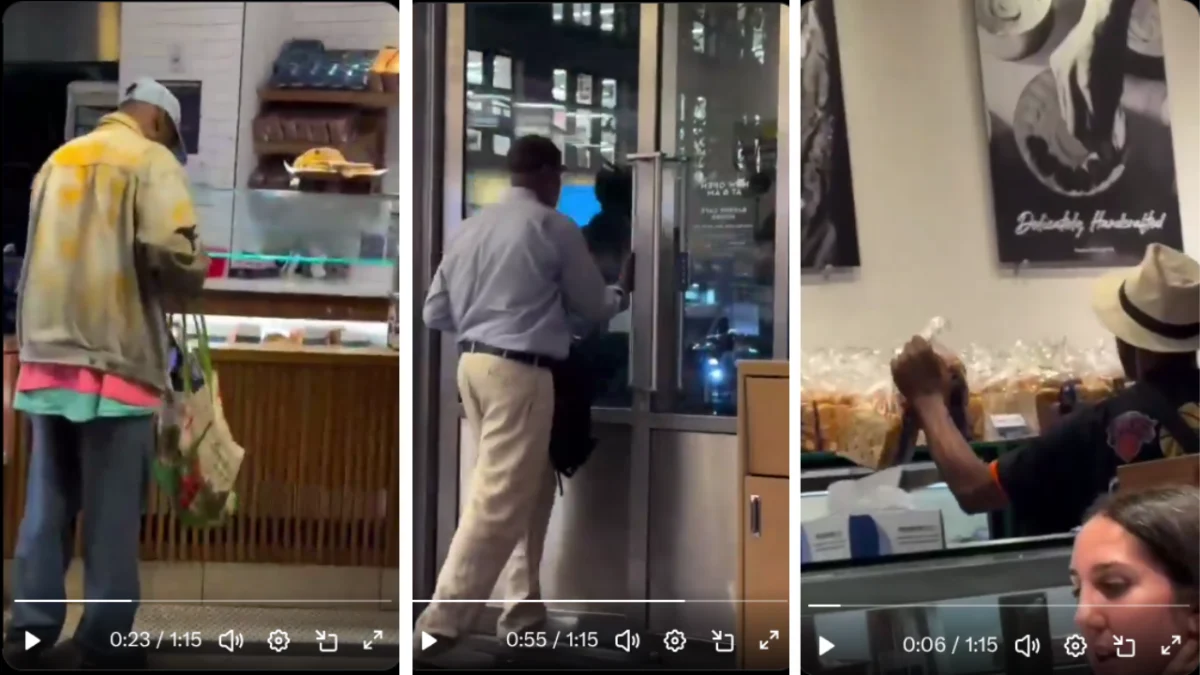
A New York pastry shop owner has ignited a widespread public discussion after posting surveillance footage on the social media platform X, which she claims depicts multiple instances of shoplifting occurring within her establishment. The compilation of clips, which the owner asserts shows various individuals taking products without payment, has garnered over five million views since its reposting yesterday by X user @Liberfach0, bringing to the forefront the escalating challenges faced by small businesses in urban environments. The footage specifically notes that the alleged perpetrators in the video appear to be Black individuals, a detail that has added a complex layer to the ongoing public discourse surrounding the incidents, prompting diverse reactions ranging from outrage and sympathy for the business owner to critical examination of product display strategies and broader societal issues.
The Incidents: A Chronology of Alleged Shoplifting
The video, which runs for several minutes, presents a stark visual narrative of the alleged thefts. It begins with a sequence of distinct individuals, primarily men, entering the pastry shop. Without any apparent interaction with staff or attempt to pay, they are seen casually helping themselves to a variety of pastries, bread parcels, and other baked goods displayed near the entrance, before calmly exiting the premises. The compiled footage suggests a pattern of behavior, with individuals of varying age groups allegedly engaging in these acts, some even returning for what appears to be second rounds of unpaid merchandise.
One particular clip captures a moment when an African-American man enters the shop, quickly snatches a pastry, and then pivots swiftly towards the exit upon realizing he is being recorded. Simultaneously, the voice of a woman, presumably an employee or the owner, can be heard shouting, "I’ll call the cops!" in an attempt to deter the theft. This specific interaction underscores the confrontational and often helpless position in which business owners and their staff find themselves.
Another segment of the video shows a different man entering the establishment, grabbing two parcels of bread conveniently stationed near the entrance, and proceeding to walk out. What is particularly striking in these incidents is the apparent nonchalance of the alleged thieves, who often carry out their actions in the full view of other customers. These patrons, who are either seated enjoying their purchases or in the process of leaving, are shown observing the events, some with visible expressions of disbelief or concern. In one instance, as another alleged robbery unfolds, a woman’s voice can be heard desperately yelling, "Put it back! Put it back!" only for her pleas to be ignored as the individuals continue to bag their unpaid items and depart.
The cumulative effect of these repeated incidents, as depicted in the video, paints a picture of a business under siege, with employees visibly frustrated and seemingly at a loss for effective immediate countermeasures beyond verbal appeals. The owner’s decision to compile and share this footage publicly appears to be a cry for help, an attempt to draw attention to a problem that she suggests is threatening the very existence of her livelihood.
Viral Dissemination and Public Discourse
The video’s rapid ascent to viral status on X highlights the platform’s power in amplifying local issues to a global audience. Reposted by @Liberfach0, the footage quickly amassed millions of views, sparking an intense and multifaceted debate in the comments section. The public reaction has been diverse, reflecting various perspectives on urban crime, business responsibility, and socio-economic dynamics.
A significant portion of commenters expressed overwhelming support for the pastry shop owner, voicing sympathy for the plight of small businesses grappling with persistent theft. Many shared sentiments of frustration and anger directed at the alleged perpetrators, condemning the acts as unacceptable and destructive to community welfare. These users often emphasized the immense effort and financial risk involved in starting and maintaining a small business, highlighting how such repeated losses can quickly erode profits and lead to eventual closure.
Conversely, some commenters adopted a critical stance towards the business owner, suggesting that the prominent display of products near the entrance contributed to their vulnerability. This perspective often recommended immediate operational changes, such as moving valuable merchandise behind the counter, requiring customers to request items, or even implementing a pick-up window system for orders. One X user specifically advised, "Stop putting stuff out that can easily be grabbed at this point. Customers will just have to ask for it behind the counter." Another commenter echoed this sentiment, proposing, "Simple solution: Pick up window and local deliveries. It’s the only way to save the store until law and order in NYC is restored." These suggestions, while practical, also underscore the unfortunate reality that businesses may need to fundamentally alter their customer experience and operational model to mitigate theft, potentially impacting sales and the inviting atmosphere of a traditional pastry shop.
The discussion also delved into broader societal implications, with some users pointing to what they perceive as a breakdown of "law and order" in urban centers like New York City. This line of commentary often linked the alleged thefts to wider debates about criminal justice policies, the effectiveness of law enforcement in addressing petty crime, and the socio-economic factors that might contribute to such incidents. The mention of the alleged perpetrators’ racial identity, as highlighted in the original X post, further complicated the discussion, leading to contentious exchanges about systemic issues, racial profiling, and the careful balance required when discussing crime demographics.
Background Context: Challenges for Small Businesses in New York City
The incidents at the pastry shop are not isolated but rather indicative of a broader and increasingly pressing challenge facing small businesses across New York City and other major urban areas. Operating a small business in NYC is inherently difficult, characterized by exorbitant rents, high operating costs, complex regulatory environments, and intense competition. These baseline challenges are now compounded by a perceived rise in retail crime, which includes both opportunistic shoplifting and more organized retail theft.
According to various reports from business associations and law enforcement agencies, retail theft has seen a troubling increase in recent years. While precise, publicly available statistics for specific types of businesses like pastry shops are rare, broader trends indicate significant losses for retailers. The National Retail Federation (NRF) reported that organized retail crime (ORC) alone cost retailers an average of $719,548 per $1 billion in sales in 2022, a figure that includes both large corporations and smaller enterprises. Although the pastry shop incidents appear to be individual acts of shoplifting rather than organized crime, the cumulative effect of such repeated petty thefts can be equally devastating for a small, independent establishment with thin profit margins.
Inflationary pressures and a volatile economic climate further exacerbate the situation. Businesses are grappling with increased costs for ingredients, supplies, labor, and utilities. Any losses due to theft directly impact the bottom line, making it harder to cover these rising expenses, pay employees, and remain profitable. For a small pastry shop, where each item sold contributes directly to its survival, the loss of even a few items daily can translate into hundreds or thousands of dollars in lost revenue annually, pushing the business closer to the brink of financial collapse.
Supporting Data and Economic Impact
The financial ramifications of retail theft extend far beyond the immediate loss of merchandise. Small businesses often operate on tight budgets, and every stolen item represents a direct hit to their already slender profit margins. The cost of goods, labor to produce them, and overheads like rent and utilities are all sunk costs that are not recouped when items are stolen. This forces owners to either absorb the losses, which can lead to reduced income for themselves or their employees, or to raise prices for paying customers, which can deter sales and fuel a negative cycle.
Beyond the direct financial losses, there are indirect costs. Business owners may need to invest in enhanced security measures, such as additional surveillance cameras, security personnel, or reinforced displays, all of which represent significant capital expenditures that a small business may not be able to afford. The emotional and psychological toll on owners and employees is also substantial. As one commenter eloquently articulated, "Imagine going into debt to start a business, busting your ass every single day to generate what’s needed to pay for products, employees, rent, taxes, and utilities. And these good-for-nothings steal from you every day, and you can’t do a damn thing about it. Tomorrow, when it all goes bust, everyone loses." This sentiment highlights the profound sense of helplessness and injustice experienced by entrepreneurs whose dreams and livelihoods are threatened by such persistent criminal activity.
The broader economic implications are equally concerning. If small businesses are forced to close due to unbearable losses, it leads to job losses, reduces local tax revenues, and diminishes the vibrancy and character of neighborhoods. Small businesses are often the backbone of local economies, providing unique goods and services, fostering community engagement, and creating local employment opportunities. Their disappearance leaves a void that is difficult to fill, impacting the entire community ecosystem.
Official Responses and Advocacy
While no specific official statements directly addressing this particular pastry shop’s video have been released at the time of reporting, the broader issue of retail crime in New York City has drawn attention from various stakeholders.
Law Enforcement: The New York City Police Department (NYPD) has publicly acknowledged the challenges posed by retail theft and has outlined various initiatives to combat it. These efforts often include increased patrols in commercial districts, collaboration with business improvement districts (BIDs), and the deployment of specialized units to address organized retail crime. However, the sheer volume of petty theft incidents, coupled with often complex legal frameworks regarding prosecution thresholds for minor offenses, can make effective enforcement a daunting task. Many business owners express frustration over what they perceive as a lack of robust police response or insufficient legal consequences for repeat offenders, leading to a sense of impunity among perpetrators.
Local Business Associations: Organizations like the NYC Hospitality Alliance and local Chambers of Commerce have consistently advocated for greater support for small businesses, including enhanced security measures and more stringent enforcement against shoplifting. They frequently lobby city officials for policies that protect local enterprises, such as increased funding for security cameras, dedicated police resources, and reforms to address repeat offenders. These associations also provide resources and advice to members on loss prevention strategies and how to report incidents effectively.
City Officials: Mayor Eric Adams and other city leaders have frequently spoken about their commitment to public safety and supporting local businesses. Strategies often include a multi-pronged approach encompassing law enforcement, community outreach programs, and initiatives aimed at addressing underlying socio-economic factors that may contribute to crime. However, balancing public safety concerns with civil liberties and addressing the root causes of crime remains a complex policy challenge.
Broader Impact and Implications
The viral video from the New York pastry shop transcends a single business’s struggle; it serves as a powerful symbol of several broader societal and economic implications.
Economic Erosion and Urban Landscape: The cumulative effect of such thefts threatens the economic viability of small businesses, particularly in areas already grappling with high operational costs. If businesses are forced to close, it contributes to a phenomenon often termed "retail blight," where storefronts become vacant, diminishing the attractiveness and safety of commercial corridors. This, in turn, can deter investment, reduce property values, and negatively impact the overall quality of life in affected neighborhoods.
Social Fabric and Trust: Repeated incidents of brazen theft can erode the social fabric of a community. They foster a sense of insecurity among residents and business owners, leading to increased mistrust and a breakdown of community cohesion. When individuals feel they can steal with impunity, it can signal a broader decline in respect for property and law, impacting the overall sense of order and safety.
Policy Debates: The incidents reignite debates around criminal justice policies, particularly those related to retail theft thresholds and bail reform. Critics often argue that lenient penalties or policies that release alleged offenders without bail contribute to a "revolving door" phenomenon, where individuals repeatedly commit petty crimes with minimal consequences. Advocates for reform, conversely, emphasize the need to address underlying issues such as poverty, mental health, and addiction, and caution against policies that disproportionately affect marginalized communities. The discussion surrounding the racial demographics noted in the video adds another layer of complexity to these policy discussions, necessitating careful consideration of both crime prevention and equitable justice.
Technological Solutions and Their Limits: The widespread use of surveillance technology, as demonstrated by the viral video, has become a double-edged sword. While it provides valuable evidence for documenting crimes and can deter some offenders, it also raises privacy concerns and can lead to a sense of being constantly watched. Furthermore, while cameras can record incidents, they do not inherently prevent them, highlighting the need for a multifaceted approach that combines technology with physical security, community engagement, and effective law enforcement.
The Role of Social Media: The rapid dissemination of such videos on platforms like X underscores the significant role social media plays in contemporary news and public discourse. It allows individuals to share their experiences directly with a massive audience, bypassing traditional media gatekeepers. While this can raise awareness and galvanize support, it also carries risks, including the potential for misinformation, unverified claims, and the amplification of emotionally charged content that may contribute to prejudice or divisive narratives.
Verification Caveat
It is important to reiterate that, as noted by The Daily Dot, the claims made in the viral X post and the specific circumstances surrounding the surveillance footage shared by the bakery owner could not be independently verified. While the video clearly depicts individuals taking items without payment, the full context, frequency, and exact financial impact remain subject to further investigation. The public discourse surrounding the video, however, stands as a testament to the profound impact that such alleged incidents have on communities and the ongoing struggle to balance public safety, economic vitality, and social justice in urban environments.