George Chandra Eka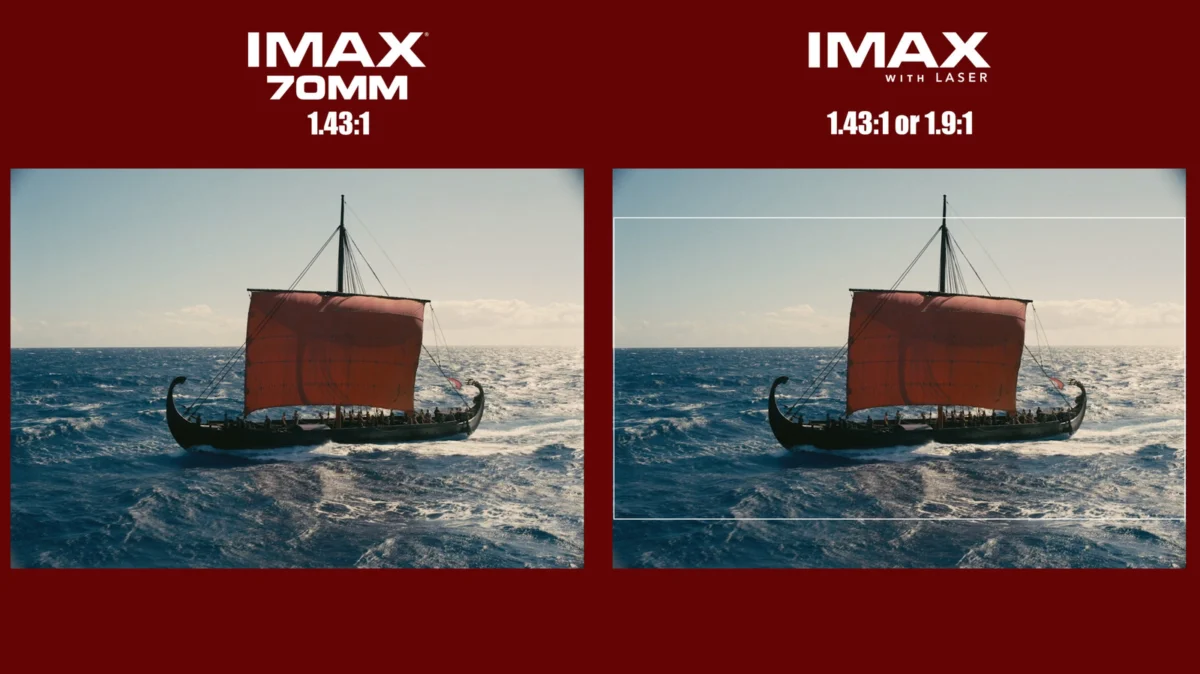
The cinematic landscape is currently undergoing a fascinating duality, where cutting-edge digital projection systems coexist with a resurgent appreciation for traditional film formats. At the forefront of this discussion are the various iterations of the IMAX experience, particularly the distinction between the venerated IMAX 70mm film and its more ubiquitous digital counterpart, IMAX with Laser. While both promise an elevated viewing experience far beyond standard cinema, a nuanced understanding reveals significant differences in their technical foundations, visual output, and ultimately, the immersive qualities they offer. This distinction has been brought into sharp focus by acclaimed filmmakers, most notably Christopher Nolan, whose epic The Odyssey has been widely publicized as the first feature film fully captured in the awe-inspiring IMAX 70mm film format, reigniting a passionate debate among cinephiles about the purest form of cinematic presentation.
The Grandeur of IMAX 70mm Film: Unparalleled Visual Fidelity
For many purists and filmmakers, the apex of cinematic presentation remains the IMAX 70mm film format, often referred to as IMAX 15/70 due to its 15 sprocket holes per frame. This format is not merely a larger film stock; it represents a fundamental shift in photographic and projection philosophy designed to envelop the viewer entirely. Unlike conventional film which runs vertically, IMAX 70mm film is projected horizontally, allowing for an astonishingly large frame size of 69.8 x 48.5mm. This colossal negative yields an equivalent resolution estimated to be up to 18K, dwarfing virtually every other cinematic medium in terms of detail and clarity.
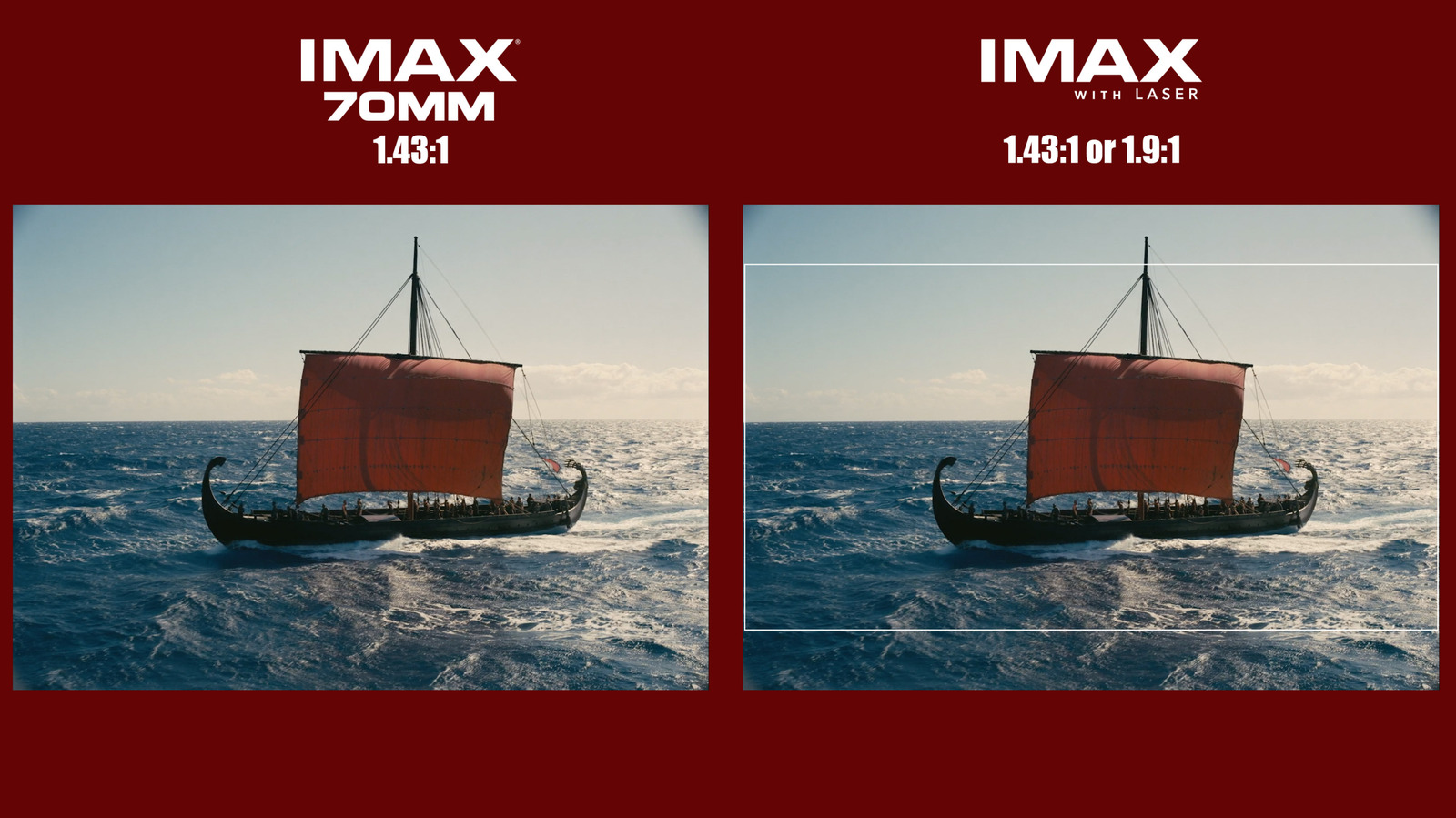
The visual impact is further amplified by the aspect ratio of 1.43:1, which approaches a perfect square. When projected onto the monumental IMAX screens, often measuring 59 by 79 feet or even larger, this aspect ratio fills a significant portion of the viewer’s peripheral vision, creating an unparalleled sense of immersion. The sheer scale and resolution mean that images remain pin-sharp even on these immense surfaces, allowing for an incredible level of detail in every frame. Powering this breathtaking display are specialized projectors that utilize single or even dual 15kW water-cooled xenon bulbs, capable of producing light output up to 7.5 times brighter than those found in regular theaters. This combination of size, resolution, and brightness makes the IMAX 70mm film experience profoundly immersive, transporting audiences into the film’s world like no other format.
However, the pursuit of this ultimate fidelity comes with substantial logistical and economic challenges. There are only approximately 24 such theaters in the United States, nine in Canada, and a mere six elsewhere around the globe equipped to handle true IMAX 70mm film projection. The production itself is equally demanding. Christopher Nolan’s The Odyssey, for instance, carried a reported production cost of $250 million, partly due to the necessity of developing a special new camera system designed to reduce operational noise, thereby allowing dialogue to be captured directly on set without requiring extensive ADR (Automated Dialogue Replacement). Beyond production, the exhibition costs are also formidable; each IMAX 70mm projection print can reportedly cost around $80,000, not including the significant expenses associated with transportation, handling, and the specialized maintenance required for these delicate and weighty film reels.
The scarcity of dedicated IMAX 70mm production and exhibition infrastructure means that most films are not fully shot in this format. The next best experience involves seeing a film shot using a mix of IMAX 70mm and standard Super Panavision 70mm film, then projected in a true IMAX 70mm theater. While these films, such as Oppenheimer, Tenet, Dune: Part 3, and Sinners, still benefit from the full IMAX screen scale, brightness, and the expansive 1.43:1 aspect ratio, scenes not captured with true IMAX cameras will lack the full 18K equivalent resolution, resulting in a slight reduction in sharpness. A further step down involves films originally shot on digital cameras or 35mm film, then upscaled, transferred, and projected onto IMAX 70mm film. While this process preserves the immersive 1.43:1 aspect ratio, colossal screen size, and impressive brightness, it inevitably introduces another drop in sharpness and fidelity due to the source material’s limitations. Examples include Barbie and Project Hail Mary, both initially shot on Arri Alexa 65 digital cameras and subsequently screened in select IMAX 70mm venues.
The Digital Frontier: IMAX with Laser Technology
For the vast majority of moviegoers, the digital IMAX experience, often branded as IMAX with Laser, serves as the most accessible premium format. While a slight step down from IMAX 70mm film in terms of absolute resolution, it offers its own distinct advantages and a viewing experience that significantly surpasses standard cinema. The primary technical difference lies in its maximum resolution, which typically caps at 4K. This means digital IMAX offers approximately a quarter of the equivalent resolution of a true IMAX 70mm film frame. Furthermore, only a limited number of digital IMAX cinemas in North America are equipped to project the taller 1.43:1 aspect ratio, meaning many digital IMAX presentations will be in the wider 1.90:1 aspect ratio, which crops some of the vertical information visible in the full 1.43:1 frame.
Despite these differences, digital IMAX is a formidable force in premium cinema. Its 4K resolution is markedly sharper than the typical 2K DCI (Digital Cinema Initiatives) projection systems found in most conventional theaters. The pinnacle of the digital IMAX experience is achieved with the GT Laser dual projector system, capable of delivering stunning clarity and vibrant colors in the 1.43:1 aspect ratio. Interestingly, in terms of brightness and contrast, laser projection often surpasses traditional film. Laser systems can achieve superior light output and, crucially, possess the ability to completely turn off individual pixels, leading to incredibly deep, true blacks and an expanded dynamic range that film, with its inherent light leakage, cannot fully match.
Similar to its film counterpart, the scarcity of the 1.43:1 GT laser system is a limiting factor, with only about a dozen such theaters in North America. More common are IMAX 4K Laser theaters projecting in the 1.90:1 aspect ratio. Within this category, the GT Laser dual projector system still offers the highest quality, delivering exceptional brightness and contrast. Other 1.90:1 IMAX options, such as the single-projector CoLa (Compact Laser) and XT (Xenon Upgrade Technology) systems, provide a reduced level of brightness and sharpness compared to the dual-laser GT system, but still represent a significantly superior viewing experience to regular 35mm or 2K digital projections. The accessibility of these 1.90:1 laser systems is considerably higher, with around 100 venues in the U.S. alone, making them a more practical premium choice for many audiences.
As with IMAX 70mm film, the quality of the source material remains paramount for digital IMAX. Films originally shot on IMAX 70mm or standard 70mm film and then digitally scanned for laser projection will typically yield the sharpest and most immersive results. Films shot on 35mm film or purely digital formats will still benefit from the enhanced brightness, contrast, and superior sound systems of an IMAX with Laser theater, even if the absolute sharpness is slightly less.
Standard 70mm Film: A Venerable Format with Distinct Charms
Before the advent of IMAX, standard 70mm film, historically known as Super Panavision 5/70 or Todd-AO, represented the pinnacle of large-format cinema. This format, while distinct from IMAX 70mm, still offers a viewing experience superior to conventional 35mm. The film frame size is significantly larger than 35mm, providing enhanced detail and a richer image. However, its dimensions differ considerably from IMAX 70mm; standard 70mm features a frame height of just 22.09mm, resulting in a much wider 2.2:1 aspect ratio.
The resolution of standard 70mm film is roughly one-third that of IMAX 70mm, but it remains substantially higher than 35mm film and sharper than most 2K digital formats. A key advantage of 70mm film prints is that they are often struck directly from original 70mm or even IMAX negatives (through an optical, non-digital process), preserving a high degree of image quality and resolution that is second only to a direct IMAX 70mm print. However, the wider 2.2:1 aspect ratio means that the picture is significantly cropped compared to the immersive 1.43:1 of IMAX 70mm, leading to a loss of vertical detail and a less all-encompassing field of view.
Historically, standard 70mm was the format of choice for epics and musicals seeking a grand cinematic feel. In modern cinema, it continues to be utilized by filmmakers who appreciate its unique visual characteristics. Films like Oppenheimer, Tenet, and Nope have incorporated standard 70mm segments, sometimes alongside IMAX 70mm, to achieve specific aesthetic goals. Despite its technical differences, a screening in standard 70mm remains a premium experience, offering a distinct widescreen vista that emphasizes breadth over the vertical immersion of IMAX.
The Filmmaker’s Toolkit: Matching Format to Vision
The choice of film format is a critical artistic and technical decision for filmmakers, influenced by creative vision, budgetary constraints, and logistical considerations. Directors like Christopher Nolan are renowned for their meticulous approach to format selection, often championing physical film for its unique aesthetic properties—its grain structure, dynamic range, and specific color rendition—which they believe cannot be fully replicated by digital means.
Modern filmmaking often employs hybrid approaches. It is common for a single production to utilize a mix of formats: IMAX 70mm for key sequences requiring maximum impact, standard 70mm for other large-scale shots, and even 35mm or digital cameras for more agile or cost-effective scenes. This allows filmmakers to tailor the visual quality to specific narrative moments while managing the practicalities of a large production.
Furthermore, the process of upscaling and transferring films shot on digital or 35mm formats for exhibition on premium 70mm or IMAX screens is a common practice. While this method allows a wider range of films to be presented in these high-end venues, it inherently involves compromises. The original resolution of the source material dictates the ultimate sharpness, and even with sophisticated digital intermediates and optical transfers, a film shot digitally will not achieve the native resolution of a true IMAX 70mm negative. However, these processes still allow films to benefit from the large screen size, superior projection, and immersive sound systems of premium theaters.
Economic Realities and Exhibition Challenges
The continued existence and revival of various film formats in a predominantly digital world are not without significant economic and infrastructural hurdles. The investment required for a cinema to install and maintain an IMAX 70mm projector system is substantial, encompassing not only the specialized equipment itself but also the necessary architectural modifications, climate control, and highly trained projectionists. The logistics of handling IMAX 70mm film prints—their sheer weight, the need for careful transportation, and the wear and tear that occurs with each projection—add further layers of cost and complexity.
In contrast, digital projection offers undeniable economic advantages. Digital files are easier to distribute, store, and manage, requiring less physical space and specialized handling. The long-term maintenance costs for digital projectors, while still present, are often lower than those for complex film systems, and the consistency of the digital image does not degrade with repeated screenings. This economic efficiency has been a primary driver of the global shift towards digital cinema, making premium formats like IMAX with Laser a more viable and widespread option for exhibitors.
This creates a tension between the preservation of legacy film exhibition and the relentless march of technological progress. While a dedicated cohort of filmmakers and enthusiasts champions the unique qualities of film, the economic realities often dictate the pace and direction of cinematic innovation and infrastructure development. The continued support for film formats, particularly by influential directors, represents a significant cultural statement about the value of film as an artistic medium and its place in cinematic history.
The Future of Premium Cinema: Coexistence and Evolution
The diverse landscape of premium cinema formats suggests a future of coexistence rather than outright replacement. Audience demand for truly immersive and high-quality viewing experiences is stronger than ever, driving the success of premium large format (PLF) offerings. IMAX, as a brand, has strategically positioned itself to cater to this demand across both film and digital platforms, continuously innovating its laser projection technologies while selectively supporting the dwindling number of film venues.
For the discerning cinema enthusiast, navigating these options requires a degree of diligence. To truly experience a film as its creators intended in the most premium format, one must consult local listings carefully, paying close attention to the specific format indicated (e.g., "IMAX 70mm Film," "IMAX with Laser 1.43:1," "IMAX with Laser 1.90:1," or "70mm Film"). The difference in viewing experience is profound, and understanding these distinctions empowers audiences to make informed choices about where and how they watch their favorite films.
Ultimately, whether through the unparalleled resolution of IMAX 70mm film, the brilliant contrast of IMAX with Laser, or the classic widescreen grandeur of standard 70mm, the pursuit of an extraordinary cinematic experience continues. Each format offers a unique window into the filmmaker’s vision, ensuring that the magic of the movies, in all its diverse technical splendor, remains vibrant for generations to come.