Galang Taruna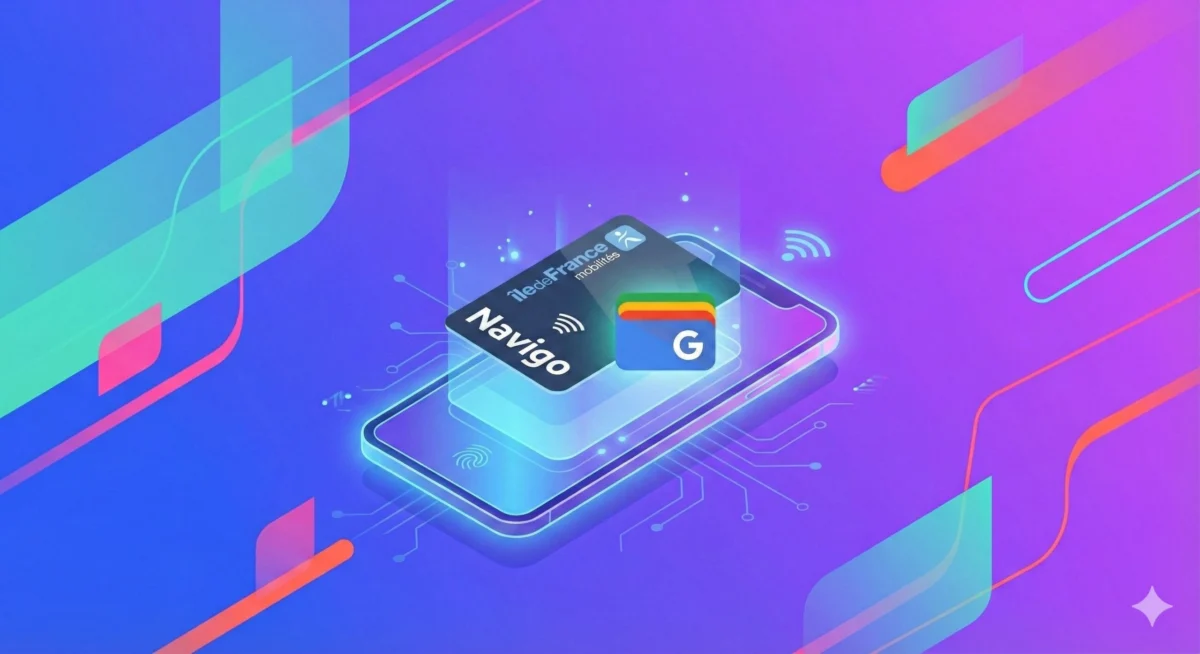
The iconic Navigo pass, a staple for millions of commuters across the Île-de-France region, has fully transitioned into the digital realm, now accessible directly from smartphones and connected watches. This landmark development marks a significant stride in the modernization of the region’s public transport network, aiming to enhance user convenience, streamline operations, and ultimately phase out the traditional paper ticket system. Commuters can now manage their passes, top up their accounts, and validate their journeys with a simple tap of their mobile device, bringing Paris and its surrounding areas in line with other major global metropolises embracing smart urban mobility solutions.
A Decade-Long Digital Journey: The Evolution of Île-de-France Transport
The journey towards a fully digital Navigo pass has been a gradual yet determined one for Île-de-France Mobilités (IDFM), the organizing authority for public transport in the region. For decades, the physical Navigo card, and before it, the paper "carte orange," defined the daily commute for millions. While the Navigo card itself was a step towards dematerialization, allowing for weekly, monthly, and annual subscriptions to be loaded electronically, the persistence of single-use paper tickets (billet t+) remained a significant challenge. These small, often discarded tickets contributed to waste and occasional inefficiencies at ticket machines.
The vision for a completely digital ecosystem aligns with broader smart city initiatives gaining traction worldwide. Cities are increasingly leveraging technology to improve urban services, reduce environmental footprints, and enhance the quality of life for residents. For Île-de-France, this means not just moving beyond paper tickets but also integrating real-time information, personalized travel planning, and seamless payment options into a cohesive digital experience. The COVID-19 pandemic further underscored the need for contactless solutions, accelerating the push for a fully digital Navigo. Discussions and pilot programs for smartphone integration have been ongoing for several years, navigating complex technical hurdles and partnerships with major tech players like Apple and Google, as well as the various transport operators within the region, including RATP and SNCF.
The Phased Rollout: A Chronology of Digital Access
The rollout of the digital Navigo pass has followed a carefully orchestrated timeline, prioritizing widespread access while ensuring system stability. Initially, the focus was on expanding functionalities for Android users, given the platform’s larger global market share and generally more open NFC capabilities.
- Early 2020s: Initial steps involved allowing the purchase of various ticket types (e.g., t+ tickets, daily passes) via the Île-de-France Mobilités application on Android devices, which could then be loaded onto a physical Navigo card using the phone’s NFC reader. This was a precursor to full pass integration.
- July 2, 2026: A pivotal moment arrived with the full deployment of the Navigo Annuel (Annual Pass) transfer functionality for Android smartphones. This enabled existing annual pass holders to migrate their physical card subscription directly to their Android device via Google Wallet, marking a significant milestone in offering a truly dematerialized annual subscription. This initial rollout focused on the 1.3 million existing annual subscribers, providing them with immediate access to the new convenience.
- September 2026 (Expected): The functionality for iPhone users to transfer their Navigo Annuel pass is anticipated around the start of the academic year in September 2026. This staggered approach allowed IDFM to refine the system and address any initial issues before a broader deployment across both major mobile ecosystems. Prior to this, iPhone users could purchase certain tickets through the IDFM app, but the full integration of recurring subscriptions like the annual pass was still pending.
- Ongoing: The continuous expansion includes monthly, weekly, and daily passes, as well as single t+ tickets and various fare packages, ensuring that a wide range of commuter needs are met digitally.
This phased strategy allowed for a controlled transition, managing the technical complexities of integrating with diverse hardware and software platforms while gradually educating users about the new system.

Technical Requirements and Seamless Integration
The cornerstone of the digital Navigo system is Near Field Communication (NFC) technology. NFC allows two electronic devices, such as a smartphone and a turnstile validator, to communicate when they are brought within close proximity (typically a few centimeters). This secure, short-range wireless technology is essential for the quick and efficient validation required in public transport.
To utilize the digital Navigo pass, users must ensure their devices meet specific compatibility criteria:
- NFC Capability: This is a fundamental prerequisite for all devices, whether Android or iPhone, as it enables the contactless interaction with turnstiles and validators. Most modern smartphones released in the last 5-7 years are equipped with NFC.
- Android Devices:
- Operating System: Android 8.0 (Oreo) or newer is required. This ensures compatibility with the latest security protocols and application functionalities.
- Google Wallet: The Île-de-France Mobilités app integrates directly with Google Wallet (formerly Google Pay), which acts as the secure digital repository for the Navigo pass.
- Connected Watches: Android smartwatches featuring NFC functionality are also compatible, offering an even more convenient validation method directly from the wrist.
- iPhone Devices:
- Device Model: At minimum, an iPhone XS or an iPhone SE (2nd generation) or newer is necessary. These models possess the required hardware and software capabilities.
- Operating System: The latest version of iOS is recommended to ensure optimal performance and access to all features.
- Apple Wallet: The Navigo pass is integrated into Apple Wallet, providing a secure and familiar interface for iPhone users.
- Apple Watch: Apple Watch Series 6 or newer, or an Apple Watch SE (2nd generation) or newer, can also host the Navigo pass, mirroring the functionality available on iPhones. Apple further enhances the user experience by integrating real-time traffic information into its Maps application, leveraging the broader digital ecosystem.
The core application for managing the Navigo pass across both platforms is the official Île-de-France Mobilités app (formerly Vianavigo). This app serves as the central hub for users to link their IDFM account, transfer existing passes, purchase new tickets, and manage their digital transport titles. The integration with native digital wallets like Google Wallet and Apple Wallet ensures a secure and seamless experience, leveraging the robust security features already built into these platforms.
Navigating Your Digital Pass: Transferring and Purchasing
The process for acquiring or migrating a Navigo pass to a smartphone is designed to be user-friendly, although it varies slightly depending on whether the user is transferring an existing physical pass or making a new purchase.
Transferring an Existing Subscription:
For commuters who already hold a physical Navigo card with an active subscription (e.g., Navigo Annuel, Mensuel, or Hebdomadaire), the transfer process involves a few simple steps through the Île-de-France Mobilités app:
- Download and Log In: Ensure the Île-de-France Mobilités app is installed and log in with your existing IDFM account. If you don’t have an account, you’ll need to create one and link your physical Navigo card.
- Initiate Transfer: Within the app, navigate to the section for managing passes or transferring subscriptions.
- Select Pass: Choose the Navigo pass you wish to transfer from your physical card to your smartphone.
- Confirm Transfer: Follow the on-screen prompts to confirm the transfer. The app will securely move the subscription data to your device’s digital wallet.
It is advised to retain the physical Navigo card even after transferring the subscription. While the physical card becomes inactive for use, it provides a fallback option if a user decides to revert to the physical format or encounters issues with their digital pass.
Adding a New Navigo Pass or Purchasing Tickets:
For new users or those wishing to purchase individual tickets or a new subscription directly on their smartphone without a prior physical card (where supported):

- Access the App: Open the Île-de-France Mobilités application.
- Log In/Create Account: Ensure you are logged into your IDFM account.
- Select Purchase Option: Choose the option to purchase tickets or add a new pass.
- Select Pass Type: Browse the available options, such as t+ tickets, daily passes, weekly, or monthly subscriptions.
- Payment: Complete the purchase using a linked payment method. The digital pass will then be loaded onto your smartphone’s secure element, accessible via Google Wallet or Apple Wallet.
Current Subscription Availability and Limitations:
The digital Navigo system currently supports a wide range of popular passes:
- Navigo Mois (Monthly Pass)
- Navigo Semaine (Weekly Pass)
- Navigo Jour (Daily Pass)
- Tickets t+ (Single Tickets)
- Packages de tickets (Bundles of Tickets)
However, there are a few notable limitations at the time of this writing:
- Navigo Annuel (Annual Pass) Direct Subscription: While existing annual pass holders can transfer their subscriptions, new annual subscriptions cannot yet be initiated directly on the smartphone without first obtaining a physical card. IDFM has stated that their priority was to facilitate transfers for the 1.3 million existing subscribers, with fully dematerialized new subscriptions to follow.
- Navigo Imagin’R (Student Pass): The Imagin’R pass, specifically designed for students, is not yet supported for digital validation on smartphones for the upcoming academic year (Fall 2026). Students will still need to rely on their physical Imagin’R cards. This is a significant point for a large segment of the commuter population and an area where IDFM is expected to expand digital functionality in the future.
Security, Fraud Prevention, and Power Resilience
The digitalization of the Navigo pass comes with robust measures for security and fraud prevention, alongside innovative solutions for user experience challenges, such as a dead phone battery.
Fraud Prevention:
Île-de-France Mobilités strictly prohibits the simultaneous use of a physical Navigo card and its corresponding digital counterpart. Once an abonnement is transferred to a smartphone, the physical card is automatically deactivated for that specific subscription period. This policy is crucial to combat fraud, ensuring that a single subscription cannot be used by multiple individuals or for multiple validations concurrently. Users are, however, encouraged to keep their physical card as a backup, allowing for a potential return to the physical format if desired.
Security of Digital Passes:
Digital passes are stored within the secure element of the smartphone, often leveraging the same hardware-backed security features used for contactless payments. This ensures that the pass data is encrypted and protected from unauthorized access. Integration with platform-specific wallets (Google Wallet, Apple Wallet) further enhances security through biometric authentication (fingerprint, facial recognition) for certain operations, though for express transit, validation typically occurs without needing to unlock the phone.
Validation with an Empty Battery:
One of the most common concerns for mobile ticketing is the ability to validate a pass when a smartphone’s battery is depleted. Both Android and iPhone platforms have addressed this:
- Android Devices: On many Android models, the NFC chip stores transit titles in a secure element that can function even when the device is turned off or out of battery. This "power reserve" feature allows users to tap their phone for validation for a limited period after the battery dies, typically a few hours, depending on the device manufacturer and model.
- iPhone Devices: iPhones feature a "Power Reserve" mode for express transit cards. The Navigo pass remains usable for up to five hours after the battery has completely run out, provided that "Express Transit" is activated for the Navigo pass in Apple Wallet settings.
It is important to note a crucial distinction for control purposes: while validation might be possible with a dead battery, if a ticket inspector requests to see the pass details, including the user’s photo (required for monthly or annual passes), the phone must be sufficiently powered to display the Île-de-France Mobilités application. Failure to display the required information could still result in a fine.
Statements from Île-de-France Mobilités

While specific quotes were not provided, the overarching strategy and public communications from Île-de-France Mobilités clearly indicate a strong commitment to modernization and user-centric innovation. The authority views this digitalization as a cornerstone of its strategy to:
- Enhance Convenience: Providing a seamless and integrated travel experience for commuters, reducing friction points like queuing for tickets or losing physical cards.
- Improve Efficiency: Streamlining operational processes, reducing the reliance on physical infrastructure for ticket sales and validation, and potentially lowering administrative costs.
- Promote Sustainability: Significantly reducing the environmental impact associated with the production and disposal of millions of paper tickets annually.
- Foster Innovation: Positioning Île-de-France as a leader in smart urban mobility, leveraging cutting-edge technology to serve its vast and dynamic population.
The phased approach and the focus on transferring existing annual subscriptions first underscore IDFM’s commitment to ensuring a smooth transition for its most frequent users, while simultaneously working towards full dematerialization for all pass types and new subscriptions.
Broader Implications: Transforming Urban Mobility
The full integration of the Navigo pass into smartphones represents more than just a technological upgrade; it signifies a transformative shift in urban mobility for Île-de-France, with far-reaching implications:
- Unprecedented Commuter Convenience: For the daily commuter, the benefits are immediate and tangible. No more fumbling for a physical card, no worries about demagnetized tickets, and the ability to purchase and renew passes anytime, anywhere. This enhanced convenience is particularly valuable in a busy, fast-paced environment like Paris.
- Operational Streamlining and Cost Savings: For transport operators (RATP, SNCF, Optile), the reduction in paper ticket usage translates into significant operational savings, from printing and distribution costs to maintenance of ticket vending machines. It also allows for a more efficient allocation of resources.
- Environmental Stewardship: The elimination of paper tickets aligns with broader environmental goals. Millions of paper tickets are consumed and discarded annually; their replacement by digital alternatives represents a substantial reduction in waste and carbon footprint.
- Enhanced Data for Urban Planning: The digital ticketing system generates valuable data on travel patterns, peak times, and route popularity. This anonymized data can be leveraged by IDFM and urban planners to optimize routes, adjust service frequencies, and make informed decisions about future infrastructure investments, leading to a more responsive and efficient transport network.
- Foundation for Future Innovations: This move lays the groundwork for even more sophisticated smart mobility solutions. Future integrations could include dynamic pricing, personalized travel recommendations based on real-time conditions, and seamless multimodal journeys combining public transport with ride-sharing or cycling services. The digital pass could become a gateway to a broader ecosystem of urban services.
- Challenges and Digital Inclusion: While the benefits are clear, the transition also presents challenges. Ensuring digital inclusion for all residents, particularly those who may not own smartphones or are less digitally literate, remains a priority. IDFM will need to maintain accessible alternatives and provide robust support to help all users adapt to the new system. Potential technical glitches during the initial rollout and user adoption rates will also be key areas of focus.
In conclusion, the full integration of the Navigo pass into smartphones is a momentous step for Île-de-France, signaling a robust commitment to a modernized, convenient, and sustainable public transport system. By leveraging cutting-edge mobile technology, the region is not only enhancing the daily commute for millions but also solidifying its position as a leader in smart urban development, poised for a future where mobility is truly integrated and seamless.