Metty Iskandar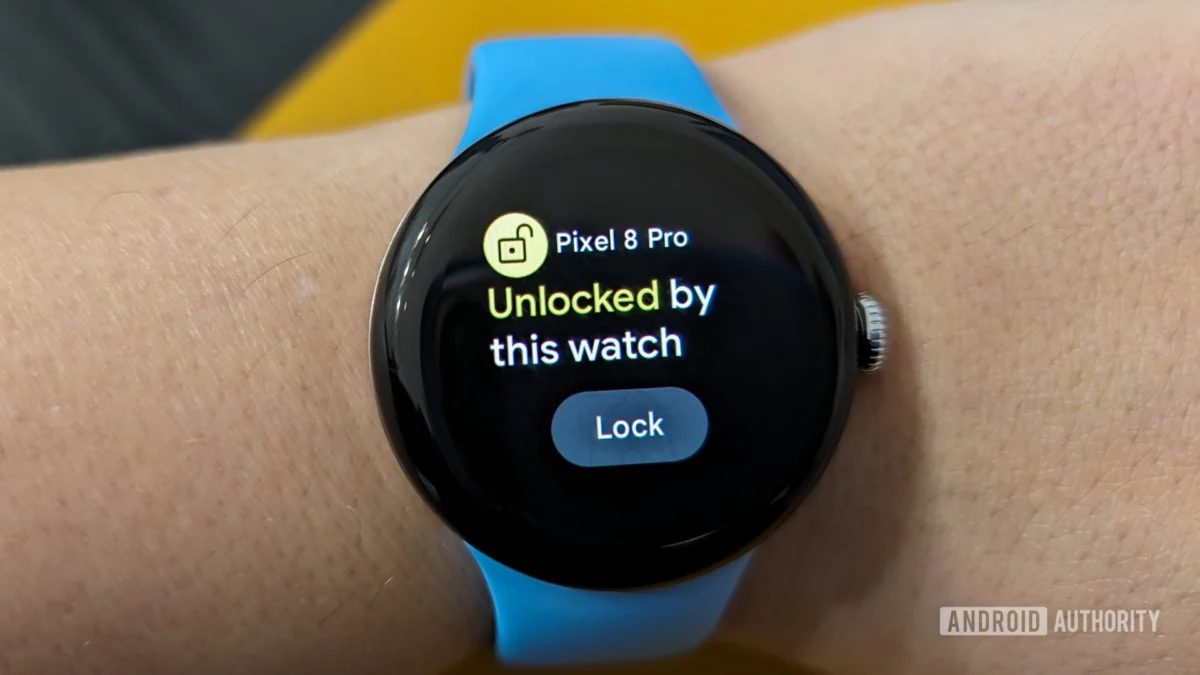
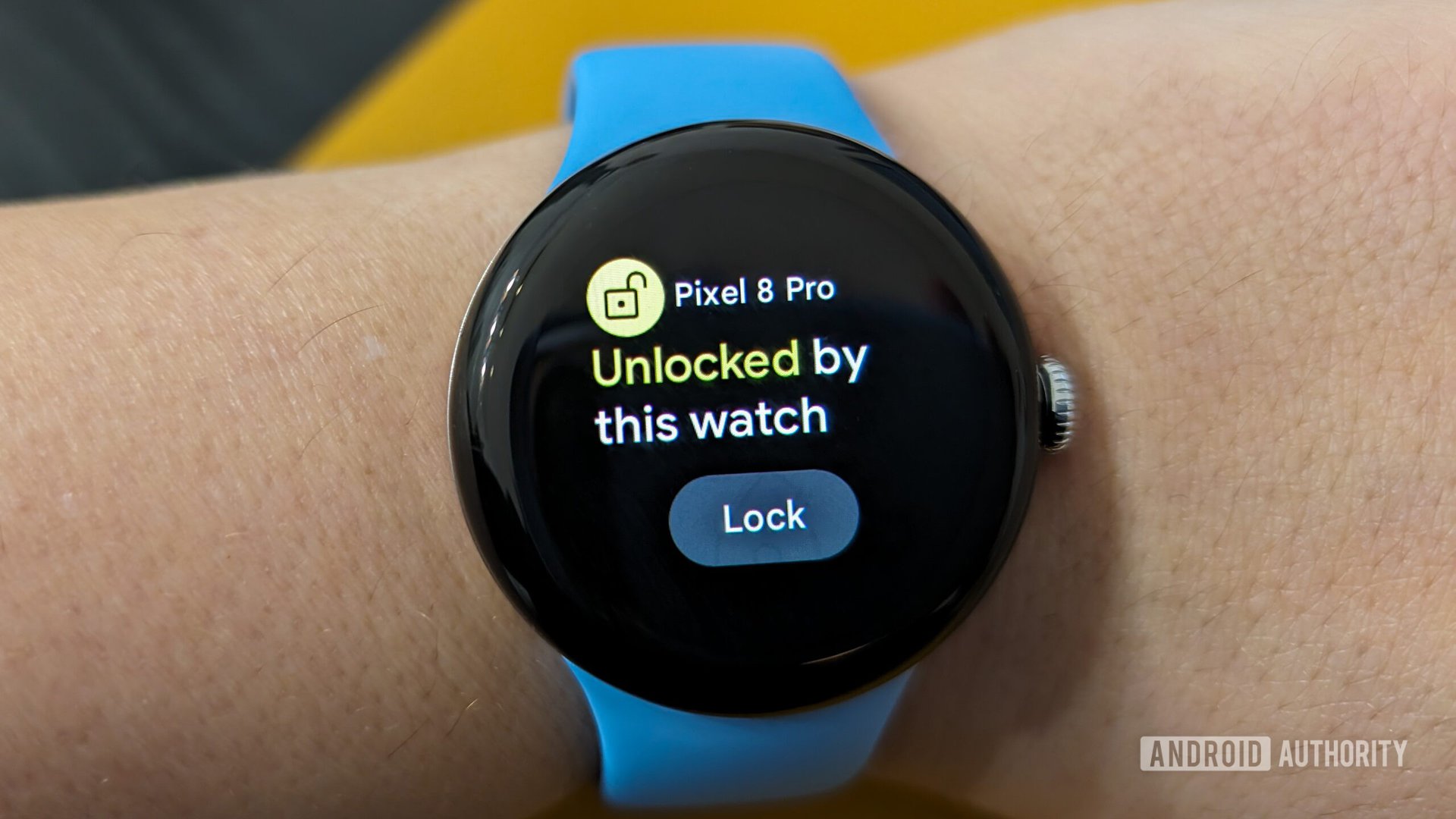
Google is reportedly developing a new feature that will allow users to unlock their Pixel Watch by simply unlocking their paired Pixel phone, a move that streamlines the user experience and builds upon existing cross-device functionality. This upcoming "Phone to Watch Unlock" feature, discovered through an analysis of Google’s Connected Phone & Watch services app, promises to eliminate the need for manual PIN or pattern entry on the watch face after the phone has been authenticated.
Evolution of Cross-Device Unlocking
Google has already established a precedent for seamless interaction between its Pixel devices. The existing "Watch Unlock" feature, introduced previously, allows compatible Pixel Watches to unlock paired Pixel phones. This innovation recognized the growing integration of smartwatches into daily life and aimed to reduce friction for users who frequently switch between their phone and watch. The development of "Phone to Watch Unlock" represents a logical, and perhaps anticipated, expansion of this concept, effectively reversing the direction of the unlock handshake.
The Connected Phone & Watch services app, which underpins features such as "Left Behind" notifications and the "Lock phone when left behind" functionality, is a Pixel-exclusive application. This strongly suggests that the new "Phone to Watch Unlock" feature will also be limited to the Pixel ecosystem, further solidifying Google’s strategy of creating a tightly integrated hardware and software experience for its flagship devices.
Unpacking the Code: A Glimpse into Functionality
The discovery of specific code strings within the app provides a clear indication of the feature’s intended operation and user experience. These strings reveal a thoughtful approach to user convenience and security.
- "Unlock your watch with this phone": This string, likely to appear on the feature’s setup page, directly communicates the core benefit of the new functionality.
- "Skip entering a PIN or pattern. Simply unlock your phone to use your watch.": These promotional notification messages clearly articulate the user advantage, highlighting the elimination of redundant authentication steps.
- "Automatically unlock your watch?" and "Unlocking your watch just got easier": These notifications suggest that Google intends to proactively inform users about the feature’s availability, encouraging adoption by emphasizing its convenience.
- "Enter current PIN/Pattern on your watch": This string points to a necessary one-time setup process. Similar to the existing "Watch Unlock" feature, users will likely need to authenticate their watch with its current PIN or pattern to authorize the phone to perform subsequent unlocks. This ensures that only the legitimate owner can establish the trusted connection.
- "Unlocking your watch" and "Watch unlocked": These status messages indicate that the unlock process will be automated and provide visual feedback to the user.
The inclusion of strings like "cross_device_unlock_discovery_notification_message_old_to_new_device" which reads "Unlocking your phone will now unlock %1$s instead of %2$s," suggests that Google is also considering scenarios where users upgrade their Pixel Watch. This implies a potential for a more seamless transition, allowing the trusted relationship to be carried over to a new device without a complete reconfiguration of security settings.
The Convenience Imperative: Addressing User Pain Points
The practicality of "Phone to Watch Unlock" addresses a common user frustration: the frequent need to re-enter a PIN or pattern on a smartwatch. Smartwatches are designed for quick glances and on-the-go interactions. However, security protocols often necessitate re-authentication after the watch is removed from the wrist, even for brief periods. This can disrupt the user experience, particularly when trying to quickly check notifications or access information.
By leveraging the already authenticated state of a Pixel phone, Google aims to eliminate these interruptions. When a user unlocks their Pixel phone, the system will recognize this authentication and automatically grant access to the paired Pixel Watch, provided the devices are within proximity and the feature is enabled. This not only saves time but also reduces the annoyance of repeatedly interacting with a small touch screen for security purposes.
Background and Market Context
The wearable technology market has seen significant growth, with smartwatches evolving from simple notification devices to sophisticated health and fitness trackers and extensions of our mobile lives. Google’s Pixel Watch, now in its second generation, has positioned itself as a premium offering within the Android ecosystem, competing with established players like Apple Watch.
The introduction of features that enhance the synergy between smartphones and smartwatches is a key differentiator in this competitive landscape. Apple, for instance, has its own ecosystem of seamless device interactions. Google’s efforts with the Pixel Watch and Pixel phones are aimed at creating a comparable, if not superior, integrated experience for Android users.
The development of "Phone to Watch Unlock" can be seen in the broader context of Google’s ongoing investment in its hardware ecosystem. The company has been steadily refining its "Made by Google" strategy, focusing on creating devices that work harmoniously together. This includes the Pixel phones, Pixel Buds, and the Pixel Watch. Features that reduce friction and enhance convenience are crucial for user retention and for driving adoption of these interconnected devices.
Potential Implications and Analysis
The introduction of "Phone to Watch Unlock" has several implications for users and the broader wearable market:
- Enhanced User Experience: The primary implication is a significant improvement in the daily usability of the Pixel Watch. Reduced authentication friction will make the watch feel more like a natural extension of the phone.
- Pixel Ecosystem Lock-in: As a Pixel-exclusive feature, it further incentivizes users to invest in the full Google hardware ecosystem. This can lead to increased customer loyalty and a stronger competitive position against other platforms.
- Security Considerations: While convenience is a major benefit, Google will need to ensure robust security measures are in place. The reliance on phone authentication means that if a phone is compromised, the watch could also be vulnerable. However, the requirement for an initial PIN/pattern setup on the watch itself mitigates some of this risk by ensuring a verified initial trust relationship. The proximity-based nature of Bluetooth connections also adds a layer of security.
- Competitive Landscape: This feature could put pressure on other Android manufacturers to develop similar cross-device unlocking capabilities for their own smartwatch lines. It also sets a benchmark for what users might expect from integrated wearable experiences.
- Future Developments: The groundwork laid by this feature could pave the way for even more sophisticated cross-device interactions in the future, potentially involving seamless app handoffs or more advanced contextual awareness between devices.
Timeline and Availability
As of the current analysis, the "Phone to Watch Unlock" feature is not yet publicly available. The discovery of code strings within a development build of the Connected Phone & Watch services app indicates that the feature is under active development. Google has not provided an official release date or timeline.
Historically, features identified through APK teardowns often debut with subsequent software updates for the involved devices or within new product launches. Given that the Pixel Watch 2 and Pixel 8 series are the most recent flagship offerings, it is plausible that this feature could be rolled out to these devices first. However, without an official announcement, any specific timeline remains speculative.
The development process for such features typically involves rigorous testing to ensure stability, security, and compatibility across various network conditions and device states. It is also possible that Google may choose to beta test the feature with a select group of users before a wider public release.
Conclusion
The forthcoming "Phone to Watch Unlock" feature represents a significant step forward in the integration of Google’s Pixel devices. By enabling users to unlock their Pixel Watch through their authenticated Pixel phone, Google is prioritizing convenience and seamless user experience. While the exact rollout timeline remains unknown, the code analysis provides a clear picture of a well-thought-out feature designed to enhance the utility of the Pixel Watch. As the wearable market continues to mature, such innovations in cross-device functionality will be crucial for defining the future of personal technology ecosystems. The move underscores Google’s commitment to building a cohesive and user-friendly experience within its own hardware and software environment.