Metty Iskandar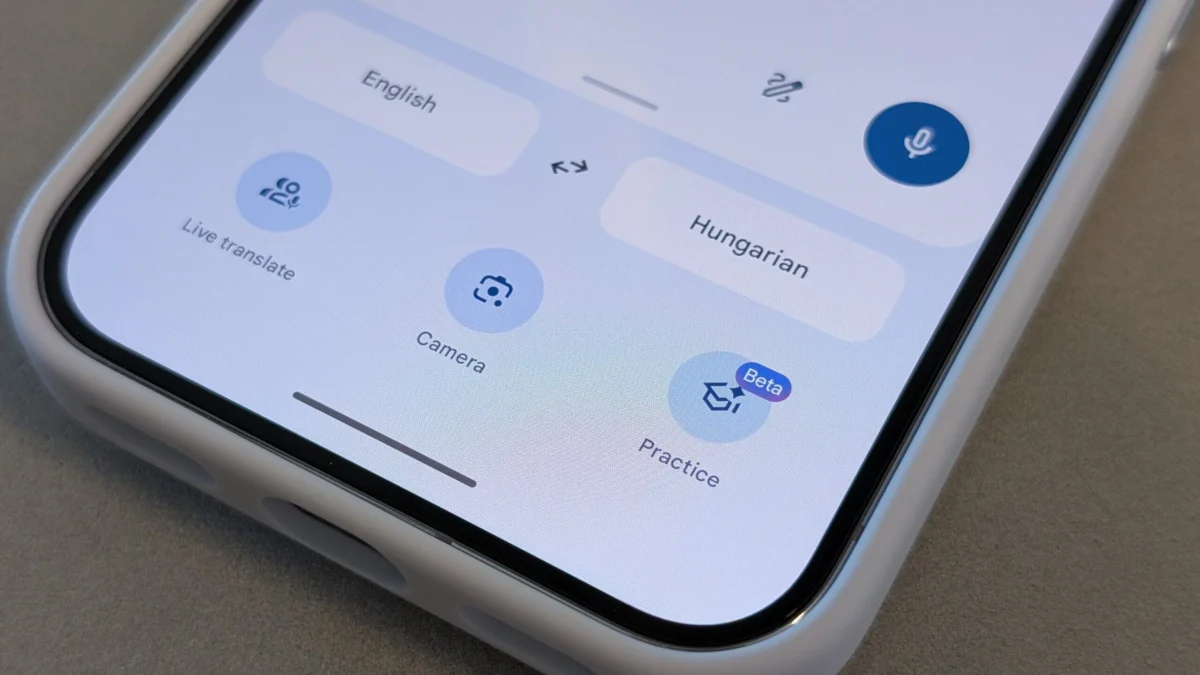
Google is significantly upgrading the accessibility and functionality of its real-time translation capabilities within the Google Translate app, signaling a move towards more seamless cross-lingual communication for Android users. Recent advancements, including the integration of Gemini 3.5 Live Translate and ongoing UI refinements, are now being complemented by the development of a dedicated Live Translate widget and the introduction of background translation support. These innovations aim to break down language barriers more effectively, making spontaneous conversations across different languages more fluid and less intrusive.
The latest investigations into the Google Translate app, specifically version 10.28.62.953449214.8-release, have revealed a forthcoming Live Translate widget designed for Android home screens. This development follows closely on the heels of Google’s announcement regarding the deployment of Gemini 3.5 Live Translate to bolster the app’s real-time translation performance, a move that itself represents a significant leap in natural language processing capabilities for conversational translation. The integration of advanced AI models like Gemini 3.5 is crucial, as it allows for more nuanced understanding of spoken language, including idiomatic expressions and regional accents, leading to more accurate and contextually relevant translations. This underpins the entire effort to make live translation more robust and user-friendly.
A New Era of Instant Translation Accessibility
The newly discovered Live Translate widget is poised to revolutionize how users initiate and manage real-time translations. Currently, activating live translation typically requires opening the Google Translate app and navigating to the specific feature. The impending widget, however, promises a direct shortcut. When deployed on the Android home screen, the widget is designed to present a straightforward "Tap to start Live" prompt, accompanied by the user’s chosen target language. A single tap on this widget will immediately initiate the live translation process, eliminating several steps and significantly reducing the time needed to start a conversation.
Beyond simply launching the feature, the widget is expected to offer an intuitive control panel. Users will find readily accessible buttons to mute the microphone, effectively pausing the input without terminating the entire translation session. Crucially, there will also be an option to stop live translation altogether, providing immediate control over the ongoing process. Furthermore, the widget will incorporate settings for speaker output, offering users the flexibility to choose whether translations are broadcasted through the phone’s main speakers or discreetly through the earpiece, a feature particularly useful in public or quiet environments. A particularly noteworthy aspect of the widget’s design is its ability to allow users to switch their target translation language directly from the home screen, without needing to open the full Google Translate application. This granular control and quick access are indicative of Google’s commitment to making its translation tools more integrated into the daily workflow of its users.
Addressing Current Limitations and Future Potential
While the initial implementation of the Live Translate widget appears promising, early observations suggest a current limitation: it primarily facilitates one-way translation. Specifically, the widget is designed to translate what another person is saying into the user’s selected language. However, it does not, in its current form, translate the user’s speech into the other person’s language. This suggests that the current iteration is focused on comprehension for the user rather than facilitating two-way conversational flow. It is highly probable that Google intends to address this duality before the widget’s public release, as true live translation inherently implies bidirectional communication. The development team is likely working on integrating the speech input and output more comprehensively to enable a natural back-and-forth dialogue.
The implications of a fully functional two-way translation widget are substantial. It could empower travelers to navigate foreign countries with greater ease, facilitate business interactions between international partners, and foster understanding in diverse communities. The ability to instantly translate spoken words in real-time, directly from the home screen, would democratize cross-cultural communication on an unprecedented scale.
Beyond the Widget: Background Translation and Enhanced Control
In addition to the home screen widget, the Google Translate app is undergoing further enhancements that promise to make live translations more versatile, even for users who may not opt for the widget. A significant limitation of the current live translation feature is its reliance on the Google Translate app remaining open and active in the foreground. This means that if a user switches to another application or locks their phone, the live translation session would typically cease.
However, new code strings discovered within the app indicate a forthcoming capability for live translations to continue operating in the background. This is a pivotal advancement, as it would allow users to engage in conversations while simultaneously using other applications or performing other tasks on their devices. The accompanying strings, "Keep translating when you leave the app" and "Live translations will continue in the background. Allow notifications to control Translate from outside the app," clearly outline this intended functionality. This suggests that a persistent notification will be implemented, providing users with essential controls for managing translations without needing to reopen the Google Translate app. This notification could potentially include options to pause, resume, or stop translations, and perhaps even switch languages, offering a streamlined experience for ongoing conversations.
The Broader Context of AI Integration and App Evolution
The recent developments in Google Translate are part of a larger, ongoing trend within Google’s ecosystem to deeply integrate its advanced AI models, particularly the Gemini family, into its core products. The deployment of Gemini 3.5 Live Translate is a testament to Google’s strategy of leveraging cutting-edge AI to enhance user experiences across its suite of applications. Gemini 3.5, with its vast context window and multimodal capabilities, is exceptionally well-suited for the complexities of real-time language translation, which requires understanding nuances, context, and rapid speech patterns. This integration signifies a shift from rule-based translation engines to sophisticated AI models that can learn and adapt, leading to more accurate and natural-sounding translations.
Furthermore, the parallel work on a new user interface (UI) for the Google Translate app, as previously reported, indicates a holistic approach to improving the application. A redesigned UI, coupled with more accessible and powerful features like the widget and background translation, suggests a strategic effort to make Google Translate a more central and indispensable tool for communication in an increasingly globalized world. The Authority Insights team’s deep dives into app code, such as this APK teardown, are crucial for anticipating these feature rollouts and understanding the direction of technological development.
Analysis of Implications and Future Outlook
The introduction of a Live Translate widget and background translation capabilities carries significant implications:
- Enhanced User Convenience: The ability to initiate and manage live translations directly from the home screen or in the background drastically reduces friction, making spontaneous cross-lingual interactions more feasible and less disruptive.
- Increased Global Connectivity: By lowering language barriers, these features can foster greater understanding and collaboration among people from diverse linguistic backgrounds, benefiting travelers, international businesses, and multicultural communities.
- Competitive Edge: In the competitive landscape of translation services, these advancements position Google Translate as a leading innovator, offering functionalities that may surpass those of its rivals.
- AI Integration as a Standard: The successful implementation of Gemini 3.5 for live translation sets a precedent for how AI will be integrated into everyday applications, moving beyond theoretical capabilities to practical, user-facing benefits.
While the APK teardown provides a strong indication of these upcoming features, it is important to note that such analyses predict potential developments. The exact timing of the public release and the final feature set may vary. However, the evidence strongly suggests that Google is heavily invested in making its real-time translation services more accessible, powerful, and seamlessly integrated into the Android experience. Users can anticipate a future where communicating in different languages is as simple as tapping a widget or continuing a conversation while using other apps. Google’s commitment to refining its translation technology, powered by advanced AI, points towards a future where language is no longer a significant impediment to global communication. The continued evolution of Google Translate underscores its role as a vital tool in an interconnected world, empowering users to connect and understand each other across linguistic divides.