Sonny Valindra
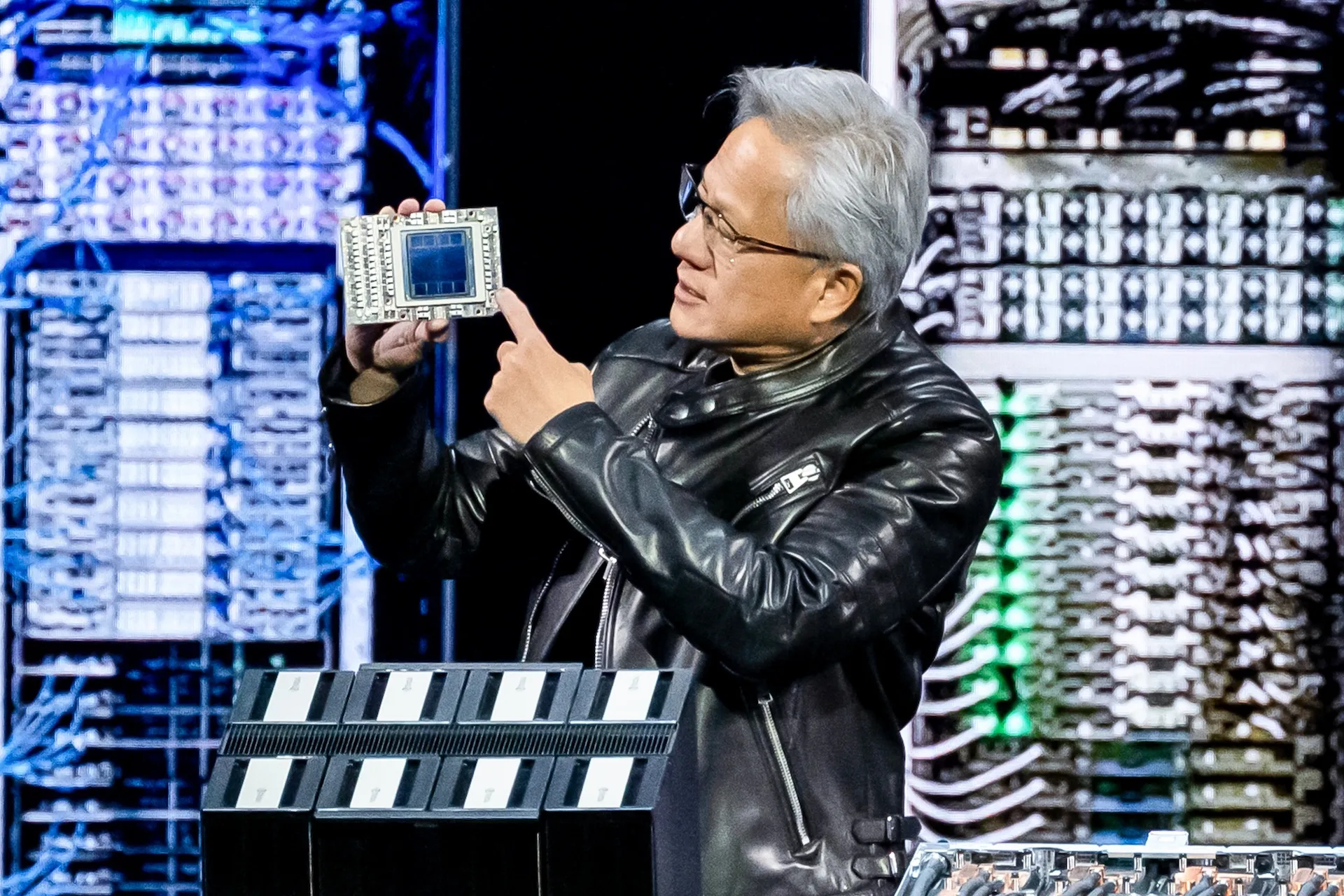
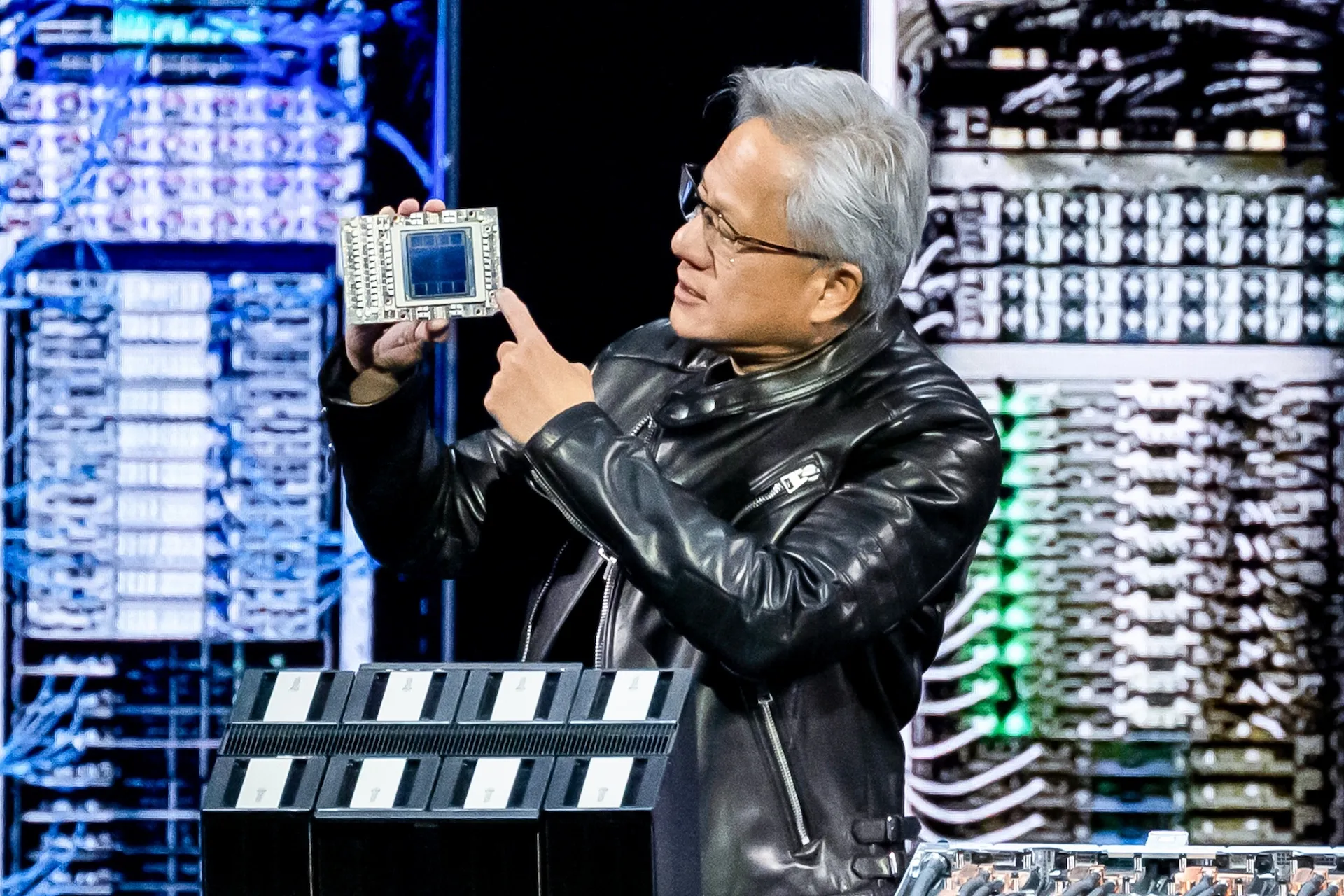
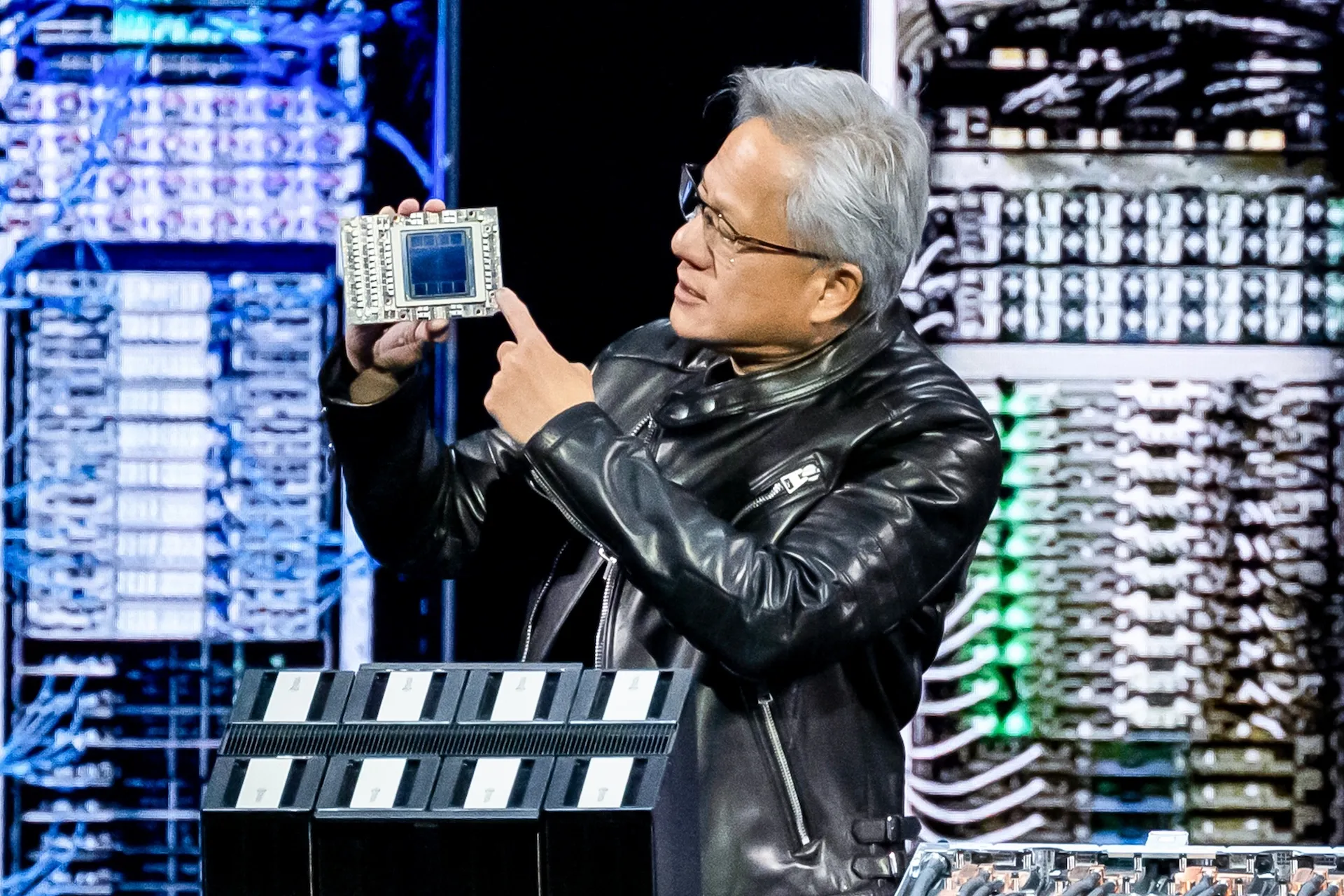
On Monday, Amazon Web Services (AWS) unveiled TorchNeuron, a new tool designed to simplify the process for AI startups in migrating their applications to AWS’s custom AI chip, Trainium. This strategic move by Amazon directly confronts the software ecosystem advantage that has cemented Nvidia’s position as the de facto hardware provider for artificial intelligence development, significantly contributing to its meteoric rise in the technology sector.
The introduction of TorchNeuron signifies AWS’s intent to disrupt the entrenched relationship between AI developers and Nvidia’s hardware, a relationship largely built on the seamless integration of Nvidia’s CUDA software with popular AI frameworks. By offering a straightforward pathway for PyTorch-based applications to run on Trainium, AWS aims to present a compelling alternative that could redefine hardware choices for the rapidly expanding AI industry.
Bridging the Gap: TorchNeuron and PyTorch Integration
TorchNeuron operates by leveraging PyTorch, a widely adopted, open-source framework that empowers developers to construct, train, and deploy artificial intelligence models. According to Amazon, the integration process with TorchNeuron is remarkably streamlined, requiring merely a single line of configuration change to enable PyTorch applications to run on Trainium chips. Crucially, this transition necessitates no alteration to the underlying application code, a significant factor for developers seeking to optimize their workflows and reduce development overhead.
The prevalence of PyTorch in the AI development landscape cannot be overstated. Estimates suggest that approximately 85% of all AI applications are built using this framework. Originally developed by Facebook and now managed under the umbrella of the Linux Foundation since 2022, PyTorch has become a cornerstone of modern AI research and development. For years, Nvidia has invested heavily in ensuring that its proprietary CUDA software, the essential software layer that enables applications to harness the power of Nvidia’s Graphics Processing Units (GPUs) and other hardware, provides robust and seamless support for PyTorch. This meticulous integration has led to a de facto standard where Nvidia hardware is deeply embedded within the PyTorch ecosystem, making it the default choice for many.
TorchNeuron’s design is intrinsically linked to PyTorch, meaning that developers already familiar with the framework can readily adopt and utilize the new tool. While Amazon is not the first company to facilitate the migration of applications to their custom silicon with ease, the AWS offering presents a unique proposition. Previously, PyTorch users have had options to port their applications to alternative hardware, such as AMD GPUs or even Apple’s proprietary chips, often with minimal configuration adjustments.
The AWS Advantage: Beyond Easy Migration
Amazon, however, asserts that migrating to Trainium via TorchNeuron offers more than just ease of adoption. The company emphasizes that this transition grants AI startups access to the comprehensive cloud infrastructure provided by AWS. This integrated approach, AWS argues, positions Trainium as a superior choice for startups compared to specialized cloud providers that are often tightly coupled with Nvidia’s hardware. Companies like CoreWeave, Nebius, and Firmus, which have built significant portions of their offerings around Nvidia’s GPU dominance, are implicitly positioned as less ideal alternatives by AWS.
Colin Brace, Vice President of Technology Software at AWS Annapurna Labs – the division responsible for Amazon’s custom chip development – articulated this strategy in an email to TechCrunch. "You’re building on AWS," Brace stated. "You’re not betting on a single-purpose compute provider and scrambling to build everything else around it. On AWS, the infrastructure to go from prototype to production is already there, allowing a founder to move fast and scale when they need to." This sentiment underscores AWS’s broader strategy of offering a holistic cloud platform that supports the entire AI development lifecycle, from initial experimentation to large-scale deployment.
AWS further elaborates on the economic benefits of its integrated approach. By utilizing Trainium chips, which are engineered to handle both the computationally intensive training phase (where AI models learn from data) and the inference phase (where trained models are deployed to perform tasks, such as responding to user queries), AWS claims that startups can achieve significant cost savings. This unified approach, combined with tight integration into AWS’s cloud infrastructure, is presented as a more economical solution, even if AWS does not necessarily offer the absolute lowest per-token pricing.
"Trainium’s value is price-performance plus the fact that it’s one platform for both training and inference, which improves the economics across a full workload," Brace explained. He cited the example of Deepgram, an AI voice application provider, which transitioned to Trainium using native PyTorch support. According to AWS, Deepgram experienced a 70% increase in audio processing per dollar at production-grade accuracy following this migration. Deepgram’s success story serves as a tangible demonstration of the potential cost and performance benefits offered by Trainium for specific AI workloads, positioning it as a direct competitor to established players like ElevenLabs in the AI voice sector.
A Broader Offensive: Reshaping the PyTorch Ecosystem
Amazon’s ambitions extend beyond simply providing an easy migration path for PyTorch developers to its own hardware. The company is actively working to influence the direction of PyTorch itself, aiming to reduce its automatic dependency on Nvidia. AWS plans to contribute code to the main PyTorch project to achieve this hardware agnosticism. In its official announcement blog post, the company detailed its commitment: "Amazon’s approach extends beyond its own hardware. The company is contributing changes upstream to PyTorch itself, working with the PyTorch community to remove code that ties the framework to specific chips. The goal is to make PyTorch more hardware-agnostic for the entire developer community, not just Trainium users."
This initiative has the potential to significantly alter the competitive landscape for AI hardware. By promoting a more hardware-agnostic PyTorch, Amazon aims to foster a more open ecosystem where developers have greater freedom to choose their preferred hardware without being constrained by software dependencies. While this strategy undoubtedly benefits companies like AWS that offer competing hardware and cloud services, its ultimate impact on developers remains to be seen. The core appeal of frameworks like PyTorch lies in abstracting away the complex intricacies of hardware optimization. The success of Amazon’s efforts will hinge on whether this push for hardware independence translates into genuinely increased choice and more affordable options for developers, or if it introduces new complexities and configuration challenges.
Implications for Nvidia and the Future of AI Hardware
The ramifications of Amazon’s move could extend far beyond the immediate competition with chip manufacturers. If AWS succeeds in decoupling PyTorch from its deep-seated ties to Nvidia, it could represent a more significant strategic challenge to the GPU giant. As Brace suggested, "The real story is removing the lock-in that kept developers from having a real choice at all." This underscores the potential for a fundamental shift in how AI development platforms are architected and how hardware choices are made within the industry.
Historically, the AI hardware market has been characterized by a strong vertical integration, with hardware manufacturers developing proprietary software ecosystems to lock in users. Nvidia’s success with CUDA is a prime example of this strategy. By fostering a more open and hardware-agnostic PyTorch, AWS is attempting to break down these proprietary barriers and democratize access to AI computing resources.
The development timeline leading to TorchNeuron’s release likely involved extensive research and development within AWS Annapurna Labs. Amazon has been investing in its custom silicon efforts for several years, with the aim of differentiating its cloud offerings and gaining greater control over its infrastructure costs and performance. The Trainium chip, announced in late 2021 and becoming generally available in 2022, was a significant step in this direction, designed specifically for the demands of deep learning workloads. The subsequent development of TorchNeuron can be seen as a strategic enhancement to make Trainium more accessible and competitive within the broader AI ecosystem.
The broader implications of this move include the potential for increased competition in the AI accelerator market. If developers are empowered to easily switch between different hardware providers based on performance and cost, it could drive down prices and spur innovation across the board. For Nvidia, this represents a clear threat to its market dominance, as its revenue and market share are heavily reliant on the widespread adoption of its GPUs and CUDA software.
However, the transition will not be instantaneous. The inertia of established workflows and the deep familiarity developers have with Nvidia’s ecosystem mean that a significant shift will take time. Moreover, Nvidia is not standing still. The company continues to invest heavily in its hardware and software, including advancements in its AI software stack and the development of next-generation GPUs designed to meet the evolving needs of the AI industry.
The long-term success of TorchNeuron and AWS’s broader strategy will depend on several factors: the continued performance and cost-effectiveness of Trainium chips, the effectiveness of AWS’s cloud services in supporting AI workloads at scale, and the willingness of the PyTorch community and developers to embrace a more hardware-agnostic approach. If AWS can successfully demonstrate a compelling value proposition that combines ease of use, competitive performance, and cost savings, it could indeed pose a significant challenge to Nvidia’s long-held dominance in the AI hardware market, ushering in a new era of greater choice and flexibility for AI developers worldwide.