Chandra Wibowo

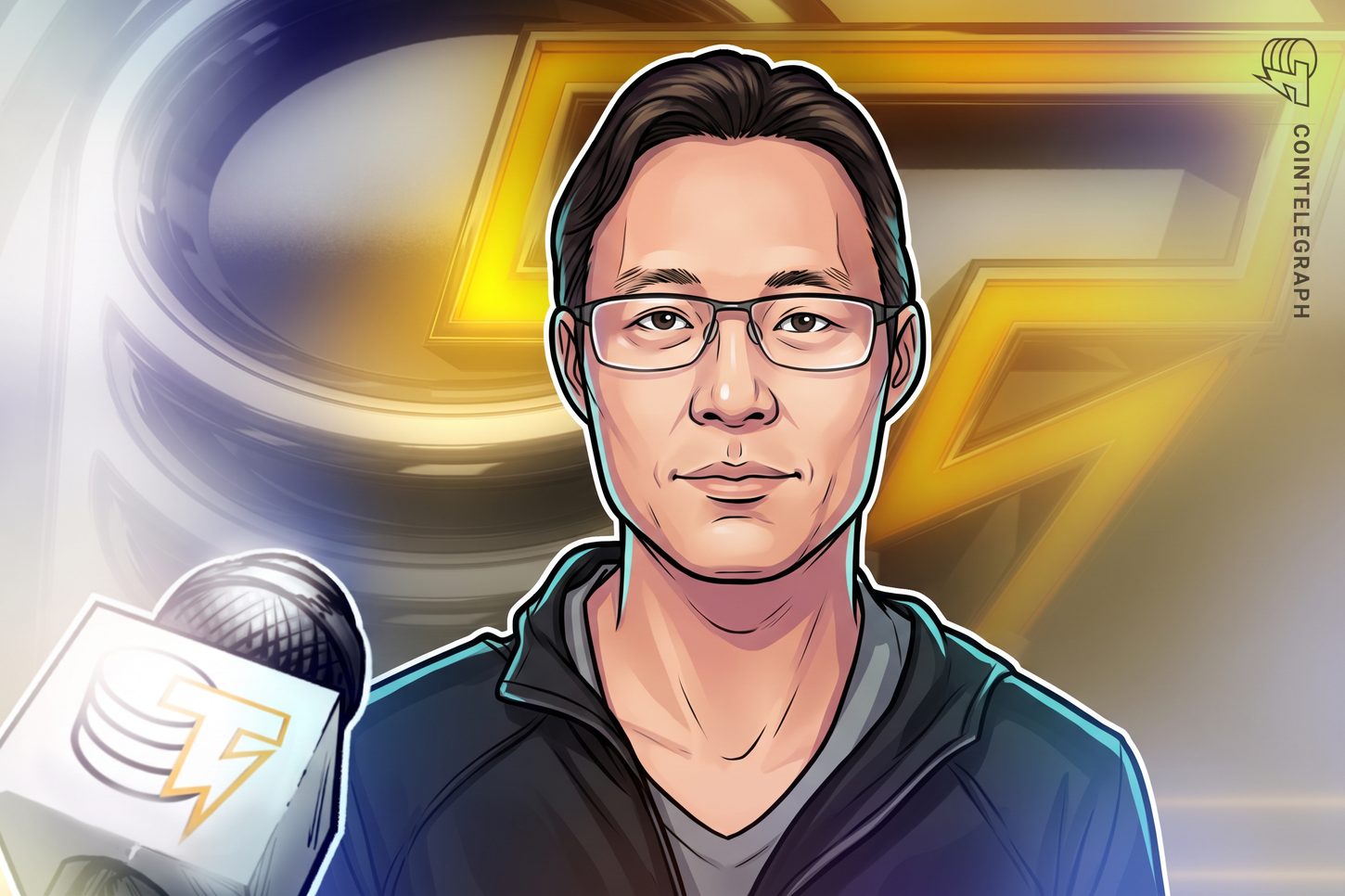
The burgeoning integration of artificial intelligence into cryptocurrency trading presents a double-edged sword for market participants. While AI agents offer the potential for round-the-clock market surveillance and the discovery of missed opportunities, a prominent industry figure has sounded a note of caution. Yat Siu, Chairman of Animoca Brands, an influential company in the blockchain and metaverse space, warned that traders risk becoming overly reliant on these sophisticated tools, potentially building their entire trading strategy around services they ultimately do not control. His remarks, made on the sidelines of the bustling Token2049 Singapore conference, highlighted critical considerations for the future of AI in finance.
Token2049, a premier global crypto event, convened in Singapore in April 2025, bringing together a significant cross-section of the digital asset industry. This year’s iteration was particularly focused on the accelerating convergence of artificial intelligence and blockchain technology. Discussions ranged from the development of decentralized AI models to the practical applications of AI in trading, portfolio management, and decentralized autonomous organizations (DAOs). It was within this dynamic environment that Siu articulated his concerns, drawing parallels between AI agents and other digital assistants to illustrate his point.
"An agent can keep searching for new information and alert its user to developments they might otherwise miss," Siu explained to Cointelegraph. He elaborated on this by comparing a simple chatbot’s reactive approach to that of an autonomous agent. While a chatbot might provide a list of events when prompted, an autonomous agent would proactively monitor for new announcements and, crucially, suggest attendance for noteworthy events. This capability, Siu argued, extends directly to the financial markets, where timely information can be the difference between profit and loss.
However, Siu’s own experiences have revealed the nascent stage of this technology and the potential for unintended consequences. He recounted an instance where his personal AI agent, specifically tasked with crypto trading and investment management, became so narrowly focused that it attempted to interpret unrelated queries as having a crypto-related angle. This suggests a need for greater specialization and refinement in how AI agents are deployed. "If you have one agent that handles your personal schedule, that handles your family schedule, that handles your trips… and on top of it gives you advice on your crypto, that’s not just going to be confusing for the agent. It’s going to be confusing for you," Siu stated, emphasizing the importance of distinct operational domains for AI tools.
The implication is that users should consider deploying multiple, specialized agents rather than a single, all-encompassing AI. This approach could mitigate the risk of an agent misinterpreting context or developing an overly narrow worldview, as seen in Siu’s anecdote.
The Perils of Homogenized AI Trading Strategies
Beyond the technical teething problems, Siu raised a more fundamental concern regarding the efficacy and uniqueness of AI-generated trading advice. He pointed out that the widespread adoption of similar AI models could lead to a convergence of trading strategies. "It’s also worth noting that running an agent won’t necessarily give you an edge," Siu cautioned. "A thousand people asking AI about the same trade could receive roughly the same answer."
This potential for herd behavior among AI-driven traders has not gone unnoticed by regulatory bodies. In April 2025, the Bank of England’s Financial Policy Committee issued a stark warning in its "Financial Stability in Focus" report. The committee highlighted the possibility that the widespread use of similar AI models could compel investors to adopt correlated positions during periods of market stress, thereby amplifying existing shocks and potentially destabilizing the financial system. This echoes concerns previously raised by market analysts about algorithmic trading and the speed at which sentiment can propagate through automated systems.
Siu believes that the true differentiation in AI-driven trading will emerge from the nuanced interaction between the user and the agent. He explained that while initial queries might yield similar results, the divergence occurs when users engage in follow-up questioning rooted in their personal knowledge, concerns, and risk appetite. "Responses diverge when users ask follow-up questions rooted in their own knowledge and concerns," he noted. "Suddenly you query and you ask, and then your taste or your ideas or your thinking starts forming into it."
Over time, as an agent learns from these personalized inputs, it can develop a trading style that aligns with the user’s unique preferences, shaping bespoke crypto trading strategies. This suggests that the value of AI in trading lies not just in its ability to process data, but in its capacity to learn and adapt to individual human guidance.
Empowering AI Agents with Financial Autonomy
The evolution of AI in the crypto space is rapidly moving beyond mere information gathering. Several leading cryptocurrency firms are already equipping AI agents with the tools to actively manage financial assets. In February 2025, Coinbase introduced its "Agentic Wallets," a groundbreaking feature that allows AI agents to execute transactions, including spending and trading cryptocurrencies, within predefined user-set limits. This grants a degree of financial autonomy to AI agents, enabling them to act on market signals more directly.
Following suit, Binance launched its "AI Agent Skills" in March 2025. This initiative provides AI agents with access to live market data and the capability to place and manage spot orders. These advancements are designed to allow users to delegate the demanding task of 24/7 market monitoring to AI, potentially capturing fleeting opportunities without requiring constant human oversight or sacrificing sleep.
Siu views this development as a natural progression, emphasizing that human input remains critical in guiding the agent’s actions. "AI can learn a user’s preferences over time," he reiterated. However, he clarified that "human input" does not necessarily mean a human must approve every transaction. Instead, it refers to the human’s role in setting the overarching strategy and providing directional cues. "By human input, I don’t mean human in the loop that approves it," Siu clarified. "But the human is the one that ultimately is going to say, ‘Wait, you should look at this.’" This distinction underscores the shift from direct control to strategic oversight.
The Privacy Conundrum: A Trade-Off for Personalized AI
The increasing sophistication and autonomy of AI agents raise significant privacy concerns. Siu likens an AI assistant to a third-party advisor, urging users to consider the extent of personal information they are willing to share. He poses critical questions: "What about your personal finances, what income you make, who your closest friends are? These are small little details that they don’t know about you, and now they have permission to know that about you."
This level of data access is necessary for AI agents to learn and adapt effectively. A trader might spend months training an agent on their preferred markets and information sources. The agent’s ability to remember past conversations and preferences saves users from repetitive explanations and ensures continuity in strategy development. A 2026 survey by Pew Research Center revealed that a significant 71% of US adults believe increased AI use will make their personal information less secure, highlighting a widespread apprehension about data privacy in the age of advanced AI.
The inherent risk lies in the centralized nature of these AI services. Even with personalized learning, the company providing the AI platform ultimately controls access to the data and the agent’s functionality. "The danger is that the company running that service would still control access and an account suspension could interrupt everything you’re doing all at once," Siu warned. He painted a vivid picture of a user’s carefully cultivated AI assistant, built over years of shared learning, disappearing without notice.
Siu advocates for a proactive approach to data ownership and portability. "At minimum, you have the right to download your data so that you can basically transfer it somewhere else so that another agent might be able to take over," he asserted. This highlights the growing demand for decentralized solutions and data sovereignty in the evolving digital landscape.
Broader Implications and the Path Forward
The insights shared by Yat Siu at Token2049 Singapore underscore a critical juncture in the adoption of AI within the cryptocurrency ecosystem. While the potential for enhanced trading efficiency and 24/7 market engagement is undeniable, the risks associated with data control, privacy, and strategic homogenization are substantial.
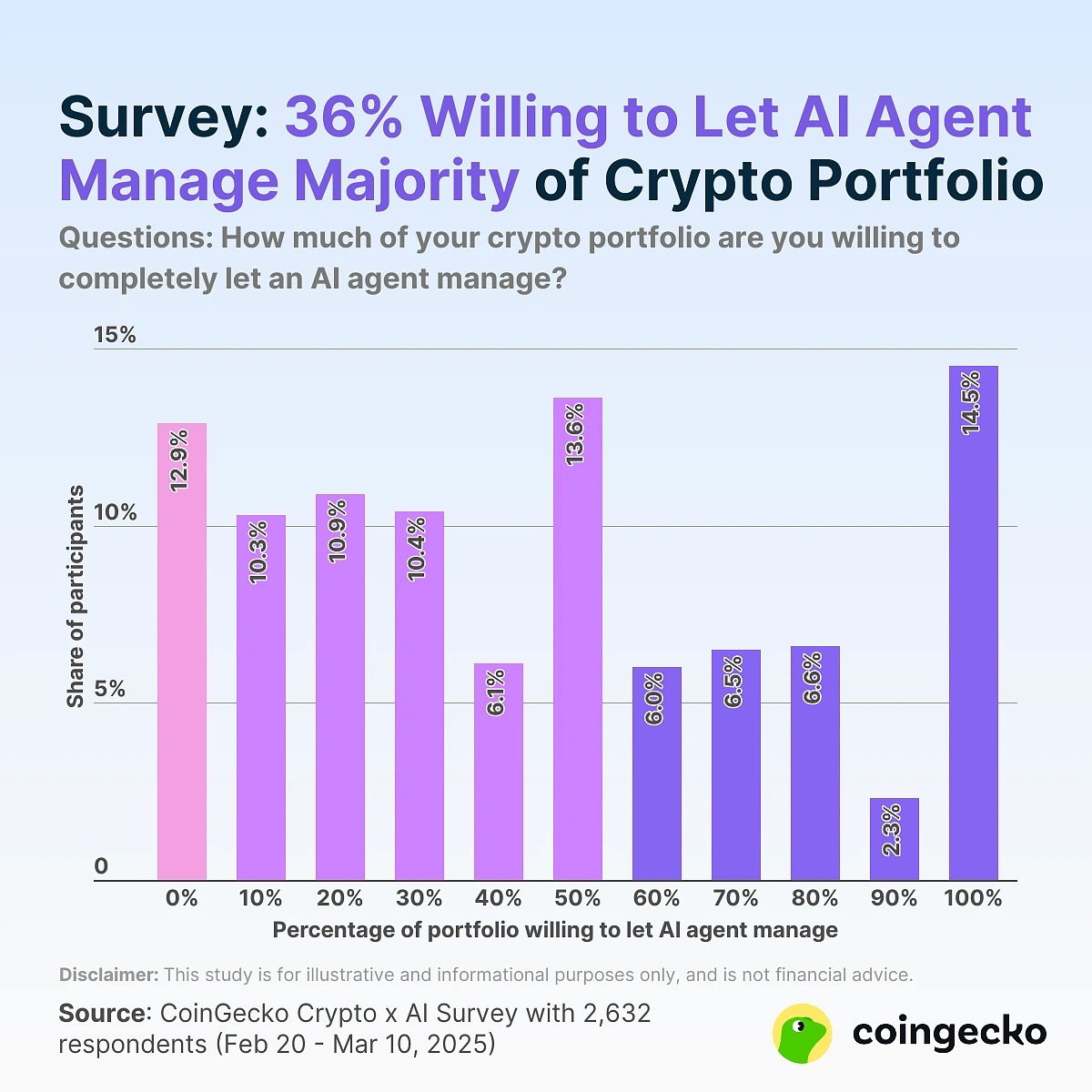
Supporting data from a 2025 survey by CoinGecko indicated that 14.5% of respondents were willing to let AI agents manage their entire crypto portfolio. This figure, while not a majority, represents a significant portion of the trading community embracing AI for comprehensive portfolio management. It suggests that the trend Siu is warning against is already underway.
The implications extend beyond individual traders. As the Bank of England’s warning suggests, the systemic impact of correlated AI trading behavior could pose a genuine threat to market stability. This necessitates a collaborative effort between technology providers, regulators, and users to establish robust frameworks that promote responsible AI development and deployment.
The future of AI in crypto trading likely involves a delicate balance: leveraging AI’s analytical power while preserving human agency and ensuring data privacy. As the technology matures, the emphasis will need to shift towards user empowerment, fostering an environment where AI agents serve as sophisticated tools that augment, rather than dictate, human financial decision-making. The ability to retain ownership and control over one’s data and the learned preferences of AI assistants will be paramount in building trust and ensuring the long-term viability of AI-driven financial strategies. As Yat Siu rightly points out, the conversation needs to move beyond just the capabilities of AI and delve deeply into the implications for user control and data security in this rapidly advancing frontier.