Chandra Wibowo
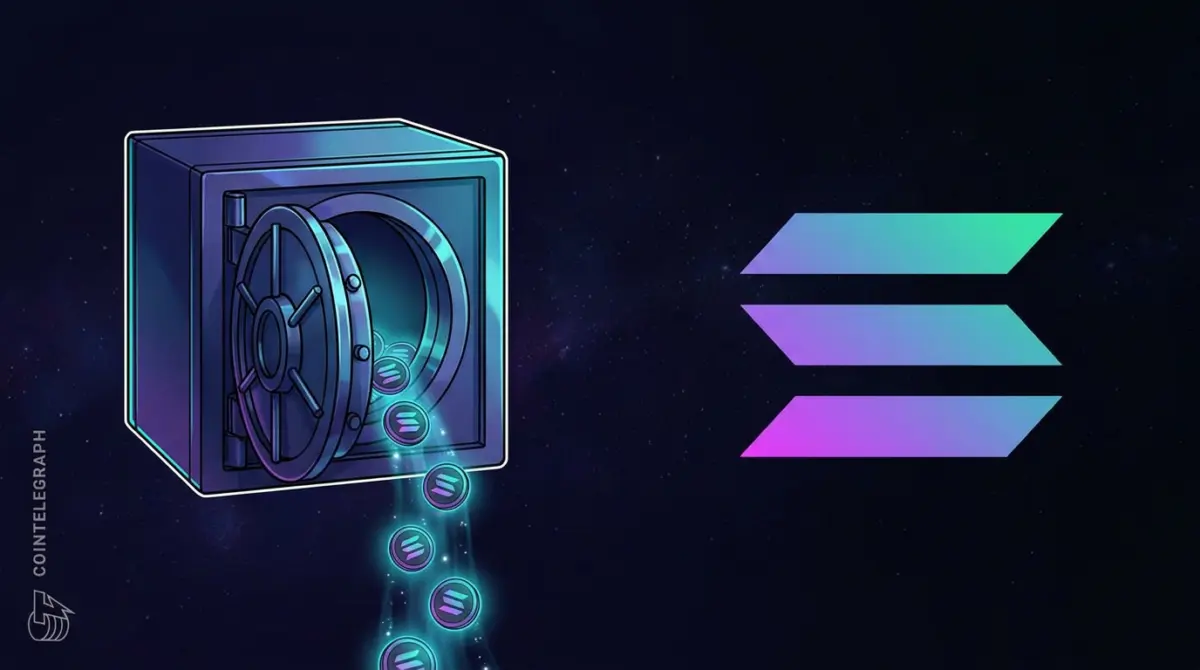
SkyAI, formerly known as Sharps Technology, has undertaken a significant strategic pivot, divesting its entire treasury of Solana (SOL) cryptocurrency and initiating a substantial tender offer to repurchase up to $201.3 million in its own shares and warrants. This move marks a decisive reversal of the company’s previously adopted strategy of accumulating digital assets, signaling a renewed focus on its core business operations and shareholder value. The company confirmed the sale of its SOL holdings, which at the time of liquidation, represented a significant portion of its liquid assets, and subsequently reported holding approximately $223.8 million in cash as of October 16th, according to a filing made with the U.S. Securities and Exchange Commission (SEC) on Monday.
The newly launched tender offer provides existing shareholders and warrant holders with an opportunity to sell their securities directly back to SkyAI at a predetermined price. This offer extends to a substantial portion of the company’s outstanding shares and warrants, covering up to 95% of each class. The entire buyback initiative will be financed through the company’s readily available cash reserves, underscoring the liquidity achieved through the liquidation of its cryptocurrency assets.
Notably, SkyAI has explicitly stated that this tender offer is no longer contingent on the price fluctuations of Solana (SOL), a condition that had been initially stipulated when the buyback program was first announced on October 11th. This decoupling from SOL’s market performance suggests a desire for greater financial predictability and a clear separation from the inherent volatility associated with cryptocurrency assets. Despite this strategic shift away from digital assets, SkyAI reaffirmed its commitment to its long-term vision of developing a sophisticated financial platform. This platform is intended to integrate stablecoin infrastructure built on the Solana blockchain with advanced artificial intelligence capabilities, aiming to create innovative solutions within the evolving digital finance landscape.
SkyAI’s stock (SKYA) closed Monday’s trading session at $2.79, reflecting a 5.3% increase on the day, according to data from Yahoo Finance. Over the past month, the stock has experienced a notable surge, gaining approximately 65%. However, on a year-over-year basis, the share price remains down by about 41%, indicating a period of significant volatility and a subsequent recovery effort.
A Year of Strategic Reassessment: The Genesis and Demise of SkyAI’s Solana Treasury
The company’s foray into accumulating Solana as a treasury asset began in August 2025, following a successful private placement that yielded over $400 million in capital. In the subsequent month, SkyAI made a substantial acquisition of more than 2 million SOL tokens, the native cryptocurrency of the Solana blockchain. At the time of this acquisition, the value of these holdings exceeded $400 million, positioning SkyAI as a significant holder of SOL within the digital asset ecosystem.
By the close of 2025, SkyAI’s financial disclosures revealed its holdings to be approximately 2.08 million SOL tokens. The cost basis for these tokens was reported at $403.1 million, translating to an average acquisition price of roughly $194 per token. However, the market value of these holdings at the time had depreciated to $250.1 million, resulting in an unrealized loss of approximately $153 million. These substantial unrealized losses were not unique to SkyAI; they mirrored a broader trend impacting numerous publicly traded companies that had allocated significant portions of their corporate treasuries to SOL. By February 2026, companies holding Solana as a treasury asset collectively faced over $1.5 billion in unrealized losses, a direct consequence of declining token prices that exerted downward pressure on both their digital asset portfolios and their overall market valuations.
The price trajectory of SOL has been dynamic. After experiencing a downturn to around $62 in June of the current year, the token has since demonstrated a notable recovery. As of Monday, SOL was trading near the $104 mark, according to data from CoinGecko. This price action, while showing resilience, highlights the inherent volatility that companies holding such assets must navigate.
The Tender Offer: A Mechanism for Capital Redeployment
The tender offer, a cornerstone of SkyAI’s current strategy, represents a direct mechanism for the company to return capital to its shareholders. By offering to repurchase its own securities, SkyAI aims to reduce its outstanding share count and potentially enhance shareholder value through a reduction in the number of shares outstanding. The fixed price at which these repurchases will occur offers a degree of certainty for investors participating in the offer, allowing them to exit their positions at a known value.
The decision to fund this substantial buyback entirely from existing cash reserves, bolstered by the liquidation of its SOL holdings, indicates a strategic prioritization of capital allocation. This approach suggests that management believes repurchasing shares and warrants at the current valuation presents a more compelling investment opportunity than continuing to hold a significant portion of its treasury in volatile digital assets.
Analysis of Strategic Shift and Future Outlook
SkyAI’s decision to exit its Solana treasury position and initiate a share buyback program can be interpreted through several lenses. Firstly, it reflects a pragmatic response to the inherent risks and volatility associated with holding large amounts of cryptocurrency on a corporate balance sheet. The substantial unrealized losses incurred by SkyAI and its peers underscore the challenges of managing digital assets in a fluctuating market.
Secondly, the move signals a potential shift in the company’s risk appetite and a renewed focus on operational fundamentals and shareholder returns. By converting its digital asset holdings into cash, SkyAI gains greater financial flexibility to invest in its core business, pursue strategic initiatives, or return capital directly to investors through buybacks.
The company’s stated intention to continue developing its financial platform, which leverages Solana’s stablecoin infrastructure and artificial intelligence, suggests that its interest in the blockchain and AI space remains. However, the strategy now appears to be focused on building its technological capabilities and financial products rather than holding the underlying volatile digital assets as a primary treasury strategy. This approach allows the company to participate in the innovation within the digital asset ecosystem without being directly exposed to its market price fluctuations.
The success of the tender offer will ultimately depend on the participation rate of shareholders and warrant holders. The fixed price offered will be a key determinant in this regard. A high participation rate would indicate that a significant portion of the investor base is willing to accept the offered price, while a lower rate might suggest that investors believe in the company’s long-term prospects and are less inclined to sell at the current valuation.
The market’s reaction to SkyAI’s stock performance, with a notable month-long gain offset by a year-long decline, indicates a period of investor recalibration. The current strategic shift could be a catalyst for further recovery, provided the company can effectively execute its business development plans and demonstrate tangible progress in its financial platform initiatives. The market will be closely watching how SkyAI navigates this transition and whether its renewed focus on core operations and shareholder returns translates into sustained value creation.
Broader Market Implications and Context
The strategic pivot by SkyAI is indicative of a broader trend observed within the corporate finance world regarding digital asset holdings. As the cryptocurrency market matures, companies are increasingly scrutinizing the role of digital assets within their treasury strategies. The volatility, regulatory uncertainty, and accounting complexities associated with these assets have led some to re-evaluate their exposure.
The experience of companies like SkyAI, which invested heavily in cryptocurrencies during periods of market optimism, serves as a valuable case study. The significant unrealized losses highlight the risks of significant allocations to highly speculative assets. Consequently, many corporations are adopting a more cautious approach, preferring to engage with the digital asset space through strategic partnerships, investments in blockchain technology, or by offering services related to digital assets, rather than holding them directly on their balance sheets.
The continued development of SkyAI’s financial platform, focusing on stablecoin infrastructure and AI, positions it within a segment of the digital asset market that aims to provide more stable and utility-driven solutions. The success of such platforms will likely depend on their ability to integrate with existing financial systems, comply with evolving regulations, and offer tangible benefits to users.
The broader implications of SkyAI’s move extend to the perception of corporate engagement with digital assets. A clear delineation between strategic operational involvement in the digital asset ecosystem and speculative treasury holding is becoming increasingly important for investor confidence. SkyAI’s current strategy appears to be moving towards the former, aiming to build and operate within the digital finance landscape rather than simply holding its native assets. This strategic clarity may be a key factor in rebuilding investor trust and driving future growth.