Garick Elordi
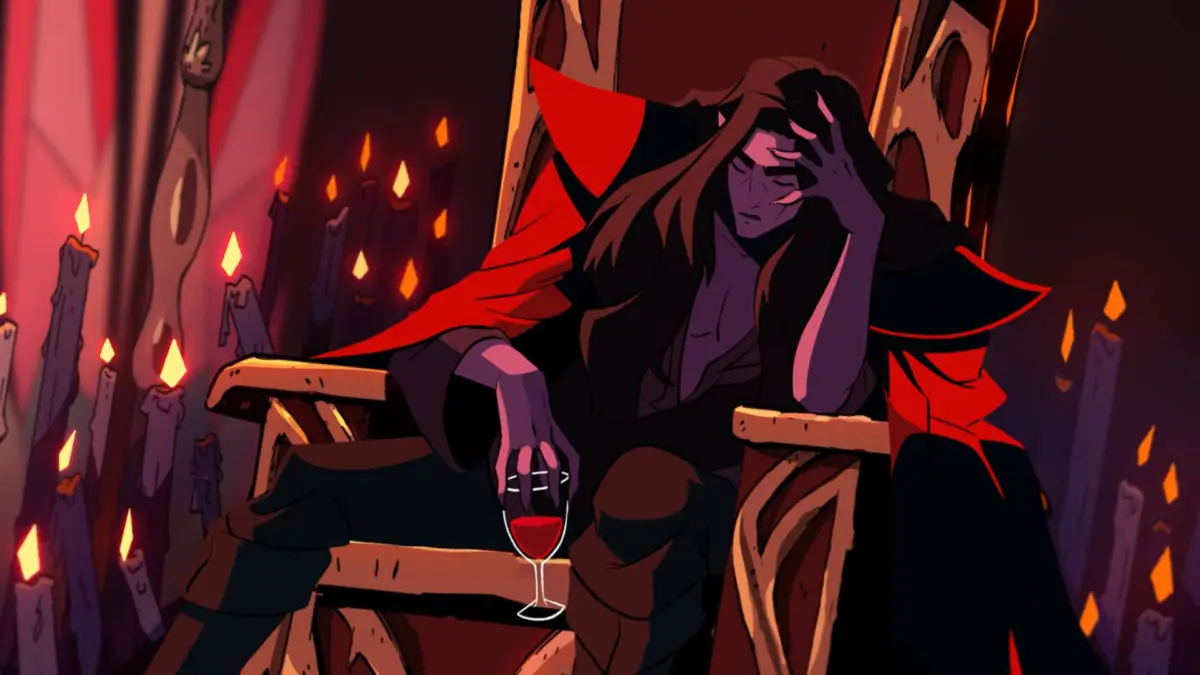
Digital Sun, the acclaimed independent development studio behind the hit roguelike Moonlighter and the atmospheric real-time strategy title Cataclismo, has announced a significant strategic pivot regarding the development cycle of its upcoming project, ReVamp. The studio has officially delayed a planned public playtest on the Steam platform, citing an escalating threat environment characterized by the rise of generative artificial intelligence and the increasing frequency of "reverse-engineered" clones appearing on digital storefronts. This decision highlights a growing anxiety within the indie development community regarding the security of intellectual property in an era where AI tools can rapidly replicate game mechanics, aesthetics, and codebases.
The project in question, ReVamp, is described by the developers as a "Tower Defensevania," a hybrid genre blending the strategic placement of defensive structures with the exploration and progression mechanics typical of the Metroidvania subgenre. Originally slated for a broad public playtest toward the end of October 2024, the studio has now opted for a more controlled, "contained" rollout. This shift reflects a preemptive measure to protect the game’s unique identity and technical assets from bad actors who utilize generative AI to produce "copycat" titles before the original developer can reach a full commercial launch.
The Shift to Discord-Based Testing and Revised Timeline
In a recent communication issued via a Steam community blog post, Digital Sun expressed gratitude for the thousands of players who had already registered for the Steam playtest. However, the studio clarified that the risk of exposing a near-complete build to a massive audience this early in the development cycle outweighed the benefits of large-scale stress testing. The studio noted that sharing a build with tens of thousands of players several years ahead of the scheduled launch was "too big a risk" in the current technological climate.
To mitigate these risks, Digital Sun has restructured its testing phase. Instead of a public Steam release, the studio will grant access to ReVamp’s first playtest in restricted waves starting on October 29, 2024. These tests will be managed exclusively through the studio’s official Discord server, allowing for a more rigorous vetting process of participants and a smaller, more manageable footprint for the game’s early builds. The studio anticipates that a public playtest on Steam may eventually occur around January 2025, provided the security situation remains stable.
The full commercial release of ReVamp is currently scheduled for March 25, 2027. This lengthy development window is a primary factor in the studio’s caution; a three-year gap between an initial public playtest and a final release provides ample opportunity for sophisticated cloning operations to analyze, replicate, and market a derivative product.
The Rising Threat of Generative AI in Game Development
The concerns voiced by Digital Sun are not isolated. The video game industry is currently grappling with the rapid advancement of generative AI tools that can analyze existing software to generate similar code structures, art assets, and gameplay loops. Unlike traditional plagiarism, which often involves the direct theft of assets, AI-driven cloning can produce "original-looking" content that mimics the core "feel" and mechanical innovation of a target game, making legal recourse difficult and time-consuming.
Recent months have seen a surge in reports of games being cloned and published on mobile and PC platforms within weeks of their announcement or demo release. In some instances, these clones are marketed using stolen keywords and similar visual styles, confusing consumers and siphoning potential revenue from the original creators. The threat is particularly acute for indie studios like Digital Sun, which rely on unique mechanical hooks and distinctive art styles to compete with larger AAA productions.
The studio specifically referenced the trend of games being "reverse-engineered, cloned, and published before the original is even out." This phenomenon creates a "first-to-market" disadvantage for the actual innovators. If a cloned version of a game reaches the market first—even if it is of inferior quality—it can saturate the niche and diminish the impact of the original title’s eventual launch.
Industry Precedents and Comparative Actions
Digital Sun is not the only developer to take drastic measures in response to the AI cloning threat. Recently, Alliance Arts, the publisher behind the anime-inspired Russian Roulette game Drunken Goddess Reflux, took the unprecedented step of canceling its Steam Next Fest demo. The company stated that the risk of AI-assisted imitation was too high, fearing that the game’s unique presentation could be replicated and released by competitors before the official launch.
Furthermore, the industry at large is seeing a bifurcated response to generative AI. While indie studios are largely moving toward defensive postures to protect their IP, major corporations are beginning to institutionalize the technology. Microsoft’s Xbox division recently announced the formation of a dedicated department focused on integrating generative AI into game development workflows. While Microsoft frames this as a tool for efficiency and creativity, indie developers fear it will lower the barrier for mass-produced, derivative content that crowds out original works.
The Steam platform itself has become a central battleground for these issues. Valve, the operator of Steam, has updated its policies to require developers to disclose the use of AI in their games, but the enforcement of these rules remains a challenge. The upcoming Steam Next Fest events are expected to be heavily scrutinized for the presence of AI-generated content, with some critics suggesting that the "shadow of generative AI" could dampen the spirit of the event, which is traditionally a celebration of indie innovation.
Technical and Economic Implications for Indie Studios
The decision to delay public testing carries significant economic and technical weight. Public playtests are vital for indie studios to gather data on player behavior, identify bugs across diverse hardware configurations, and build a community of "wishlisters" who drive the game’s visibility on Steam’s algorithms. By moving the test to Discord, Digital Sun is sacrificing a significant amount of data and marketing reach in exchange for security.
From a technical perspective, the risk of reverse-engineering is compounded by the transparency of modern game engines. Many indie titles built on Unity or Unreal Engine can be decompiled with relatively accessible tools. When combined with AI that can "clean up" decompiled code or generate new assets based on screenshots and video footage, the process of creating a functional clone has become significantly faster and cheaper than it was five years ago.
For Digital Sun, protecting the "Tower Defensevania" concept is paramount. As a studio that has successfully navigated the transition from the shop-keeping mechanics of Moonlighter to the "grimdark" building of Cataclismo, their brand is built on genre-blending innovation. If the "secret sauce" of ReVamp—how it balances Metroidvania exploration with tower defense strategy—is leaked and replicated, the studio loses its primary competitive advantage.
Official Responses and Community Sentiment
While some fans expressed disappointment at the delay of the Steam playtest, the general sentiment within the Digital Sun community has been one of support and understanding. Many players have noted the recent influx of low-quality, AI-generated games on Steam and recognize the necessity of protecting high-quality indie projects.
In their statement, Digital Sun apologized for the change in plans but emphasized that the long-term health of the project was the priority. "To everyone who requested access here on Steam: we’re sorry for the change of plans, and thank you for your patience," the studio wrote. They encouraged interested players to join their Discord community to participate in the upcoming waves of testing, suggesting that the studio is prioritizing a "quality over quantity" approach to player feedback.
The studio’s proactive stance is being viewed by industry analysts as a potential bellwether for how other indie developers will handle public demos in the future. The era of "open development," where studios share builds early and often to foster community growth, may be giving way to a more "cloistered" development model as a survival mechanism against AI-driven exploitation.
Future Outlook for ReVamp and the Indie Market
As Digital Sun moves forward with its Discord-based testing, the industry will be watching closely to see if this strategy successfully thwarts potential cloners. The success of ReVamp is highly anticipated, given the studio’s track record. Moonlighter was a breakout success, selling millions of copies and proving that there was a massive market for "cozy" roguelikes with management elements. Cataclismo further solidified the studio’s reputation for mechanical depth and polished presentation.
However, the broader implications for the indie market remain grim. If developers feel they cannot safely release demos or participate in festivals like Steam Next Fest without their ideas being harvested by AI, the visibility of new and innovative titles will likely decrease. This could lead to a consolidation of the market, where only established studios with the resources to defend their IP can afford to take risks.
Digital Sun’s decision serves as a stark reminder that while generative AI offers new tools for creators, it also empowers those who seek to bypass the creative process entirely. As the March 2027 release date for ReVamp approaches, the studio will likely continue to balance the need for community engagement with the necessity of industrial security, setting a precedent for the "post-AI" landscape of independent game development.