Garick Elordi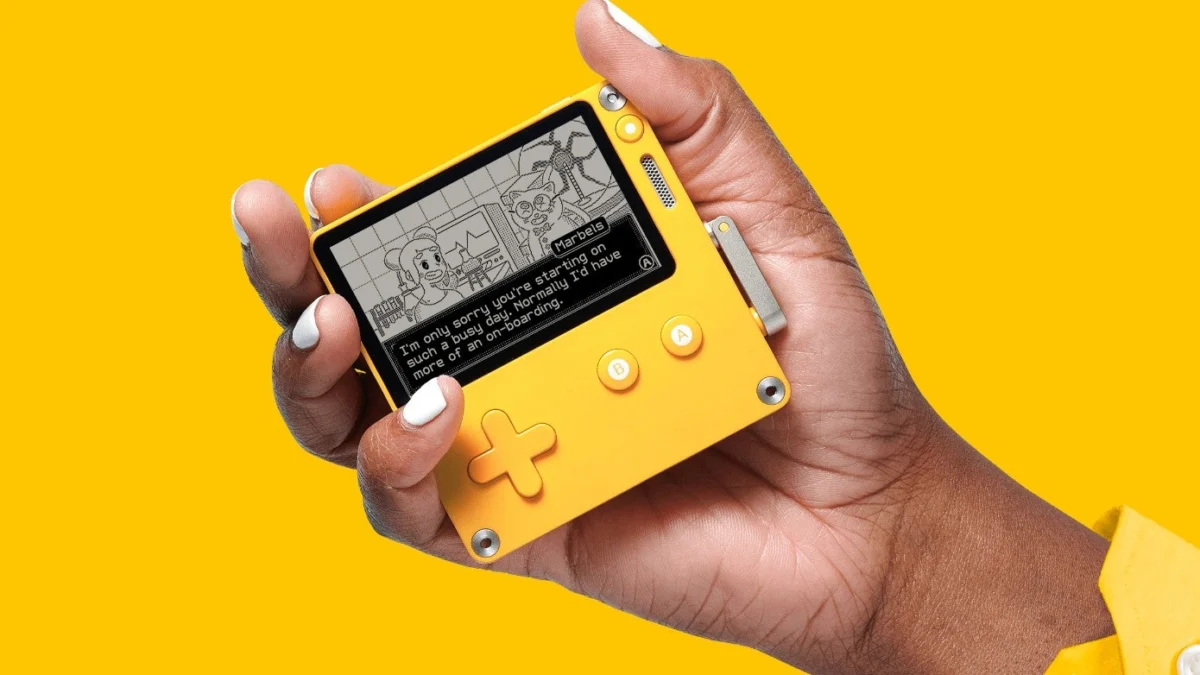
Panic Inc., the Portland-based software and hardware company responsible for the innovative Playdate handheld console, has officially begun the process of issuing refunds to customers who were charged additional fees due to international trade tariffs. This move follows a significant legal development in which the United States Supreme Court influenced a series of mandates requiring the federal government to return millions of dollars in collected duties to importers. The decision by Panic to pass these savings directly back to its consumer base stands in stark contrast to the strategy currently employed by industry titan Nintendo, which is currently fighting a class-action lawsuit to avoid similar payouts.
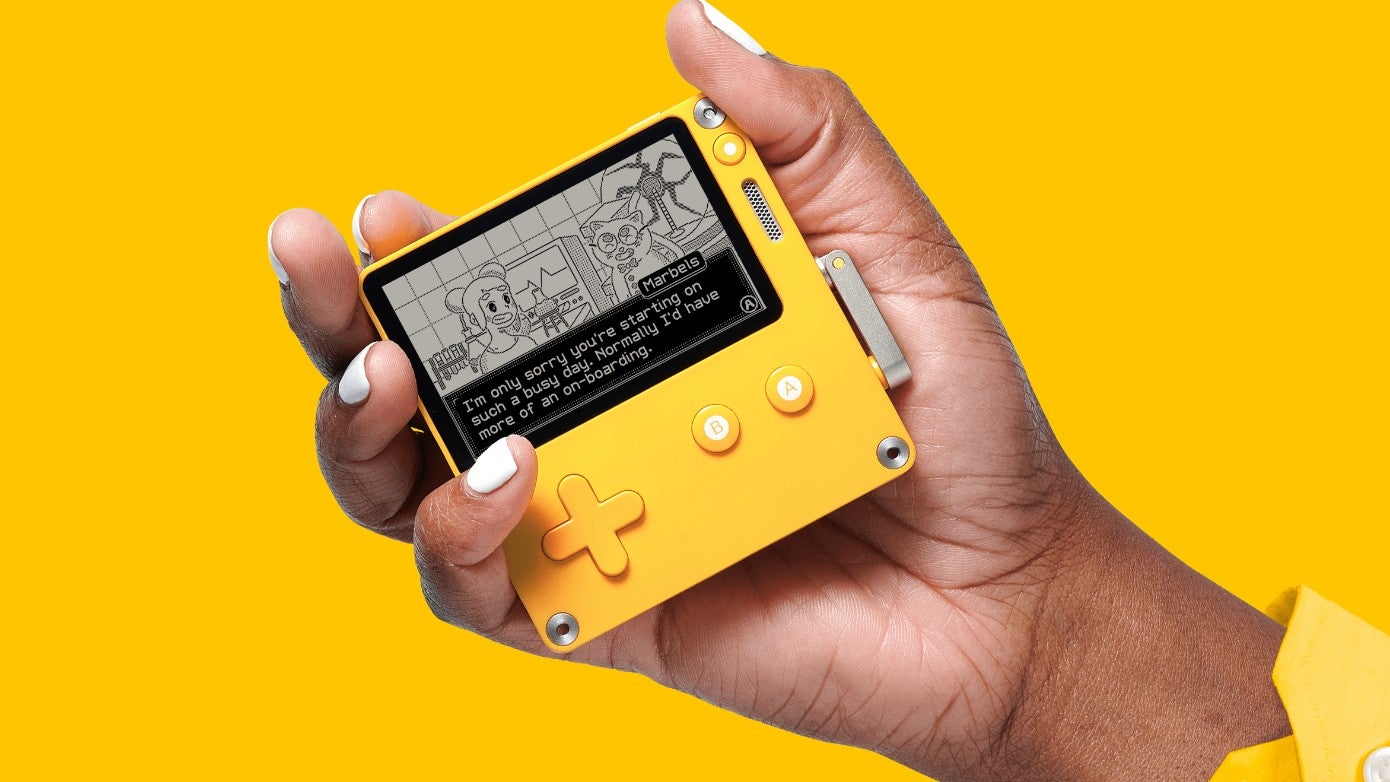
The Playdate, a distinctive yellow handheld featuring a high-contrast monochrome screen and a mechanical crank, launched in 2022 to critical acclaim within the independent gaming community. However, its rollout coincided with a period of intense volatility in international trade relations. Last year, the device, along with a significant portion of the consumer electronics and gaming hardware sector, was swept up in a series of tariffs imposed by the U.S. government on goods manufactured in various international hubs, most notably China. These levies often resulted in price increases for the end-user or narrowed profit margins for manufacturers.
The Legal Catalyst: Supreme Court and Section 301 Tariffs
The root of these refunds lies in the complex litigation surrounding "Section 301" tariffs. Originally implemented during the Trump administration as part of a broader trade dispute with China, these tariffs targeted billions of dollars worth of imported goods. While initial lists focused on industrial components, subsequent rounds—specifically "List 3" and "List 4A"—expanded to include consumer electronics, including video game consoles and peripherals.
Thousands of American companies filed lawsuits against the Office of the U.S. Trade Representative (USTR), arguing that the government had exceeded its statutory authority and failed to follow proper administrative procedures when expanding the scope of the tariffs. The litigation eventually reached a turning point when the U.S. Court of International Trade and subsequent appellate reviews, influenced by Supreme Court precedents regarding administrative law, led to the determination that certain duties were improperly applied or collected.
As the government began the process of settling these claims and refunding the improperly collected duties to the companies that paid them, a question of corporate ethics and legal obligation emerged: should these refunds be retained by the corporations as a recovery of lost profits, or should they be returned to the consumers who ultimately bore the cost through inflated retail prices?
Panic’s Proactive Refund Strategy
Panic has opted for the latter, choosing a path of transparency and consumer goodwill. Affected customers have reported receiving communications from the company stating that a refund is being processed and will be credited back to their original payment method. These notifications have been verified through multiple consumer reports on platforms such as Reddit and LinkedIn, where users have praised the company for its integrity.
In an official statement provided on their support channels, Panic confirmed that the Supreme Court-ordered tariff refunds are being systematically distributed. The company noted that anyone who purchased a Playdate console during the period when the tariffs were actively being applied to the hardware’s import costs is eligible. While the majority of these refunds are being handled automatically, Panic has encouraged customers who believe they are owed a rebate but have not received an email to contact their support team directly.
This move is particularly notable given Panic’s size. Unlike major conglomerates, Panic operates as a relatively small independent developer and publisher. The administrative overhead of tracking and issuing individual refunds to thousands of customers represents a significant commitment to maintaining the trust of their niche, enthusiast-driven audience.
The Nintendo Controversy and Class-Action Litigation
The situation at Panic provides a sharp juxtaposition to the ongoing legal battle involving Nintendo of America. The Japanese gaming giant also raised prices and adjusted its financial strategies in response to the same U.S. tariffs, affecting the original Nintendo Switch, the Switch OLED model, and the Switch Lite. However, Nintendo has maintained a firm stance that it does not owe consumers any portion of the rebates it may receive from the government.
Nintendo is currently seeking the dismissal of a class-action lawsuit filed by consumers who argue that the company’s price hikes were a direct "pass-through" of the tariff costs. The plaintiffs contend that because the price increases were justified to the public and retailers as a response to the tariffs, the subsequent refund of those tariffs constitutes "unjust enrichment" if retained by Nintendo.
Nintendo’s legal counsel argues that the price adjustments were a result of broader "market conditions" and that the relationship between the company and its customers is governed by retail contracts that do not include provisions for post-purchase price adjustments based on government trade policy changes. This defense highlights a common corporate argument: once a consumer agrees to a price at the point of sale, they have no legal claim to the manufacturer’s internal cost-recovery efforts or tax rebates.
Chronology of the Trade Dispute and Gaming Industry Impact
To understand the scale of the current refund cycle, it is necessary to look at the timeline of the trade actions that shaped the current market:
- 2018-2019: The U.S. government implements successive rounds of Section 301 tariffs. The gaming industry, led by the Entertainment Software Association (ESA), lobbies heavily against the inclusion of consoles, warning of a "chilling effect" on the $43 billion U.S. games industry.
- 2020-2021: Despite lobbying efforts, many gaming components and certain console categories are included in tariff lists. Manufacturers begin to absorb costs, but supply chain pressures from the COVID-19 pandemic eventually force price adjustments.
- 2022: The Playdate officially launches. During this period, import duties on various electronic components remain in flux due to ongoing litigation and administrative reviews.
- 2023: A series of rulings in the U.S. Court of International Trade begins to favor the plaintiffs (the companies), setting the stage for government-mandated refunds.
- Early 2024: The U.S. government begins processing the return of tariff funds to eligible importers.
- Mid-2024: Panic begins proactively notifying customers of their intent to pass these refunds down. Simultaneously, the Nintendo class-action suit gains momentum in the court system.
Economic Data and Manufacturing Realities
The impact of these tariffs was not felt equally across the industry. For a device like the Playdate, which is manufactured in smaller batches compared to the millions of units produced by Nintendo or Sony, the per-unit impact of a 10% to 25% tariff is substantial.
Data from the U.S. Department of Commerce suggests that consumer electronics imported from East Asian manufacturing hubs saw an average price increase of 7% to 12% during the peak of the trade dispute. While some large companies like Apple were able to secure specific exemptions for certain products, smaller hardware makers like Panic often lacked the lobbying power to bypass the duties, making the eventual refund even more significant to their bottom line—and their customers’ wallets.
The manufacturing of the Playdate takes place primarily in Malaysia, a location that was strategically chosen to mitigate some of the specific China-centric tariffs. However, the global nature of the electronics supply chain means that many sub-components—such as the unique Sharp Memory LCD used in the Playdate—often pass through multiple jurisdictions, making them susceptible to various trade levies depending on their "country of origin" classification.
Implications for the Future of Consumer Hardware
The divergent paths taken by Panic and Nintendo may have long-term implications for brand loyalty and consumer expectations. In the age of social media and instant communication, Panic’s decision has generated significant positive "earned media," positioning the company as a consumer-friendly alternative to traditional corporate giants.
Industry analysts suggest that Panic’s move could set a precedent for other "indie" hardware makers, such as Analogue or Teenage Engineering, should they find themselves in similar positions regarding trade rebates. Conversely, if Nintendo successfully dismisses its class-action lawsuit, it will reinforce the legal standard that manufacturers are under no obligation to share government-mandated cost recoveries with the public.
For the broader gaming industry, the resolution of the tariff saga brings a close to a period of extreme pricing uncertainty. However, with international trade policy remaining a central theme in global politics, manufacturers are increasingly looking to diversify their production bases away from single-country reliance to avoid being caught in future trade crossfires.
As of this writing, Panic continues to process refunds for thousands of customers. The total amount being returned has not been publicly disclosed, but based on the retail price of the Playdate ($199 USD) and the typical tariff rates of the era, individual refunds are expected to range between $15 and $30 per unit. For many enthusiasts, the gesture is worth more than the dollar amount, serving as a rare example of corporate accountability in a complex global economy.