Chandra Wibowo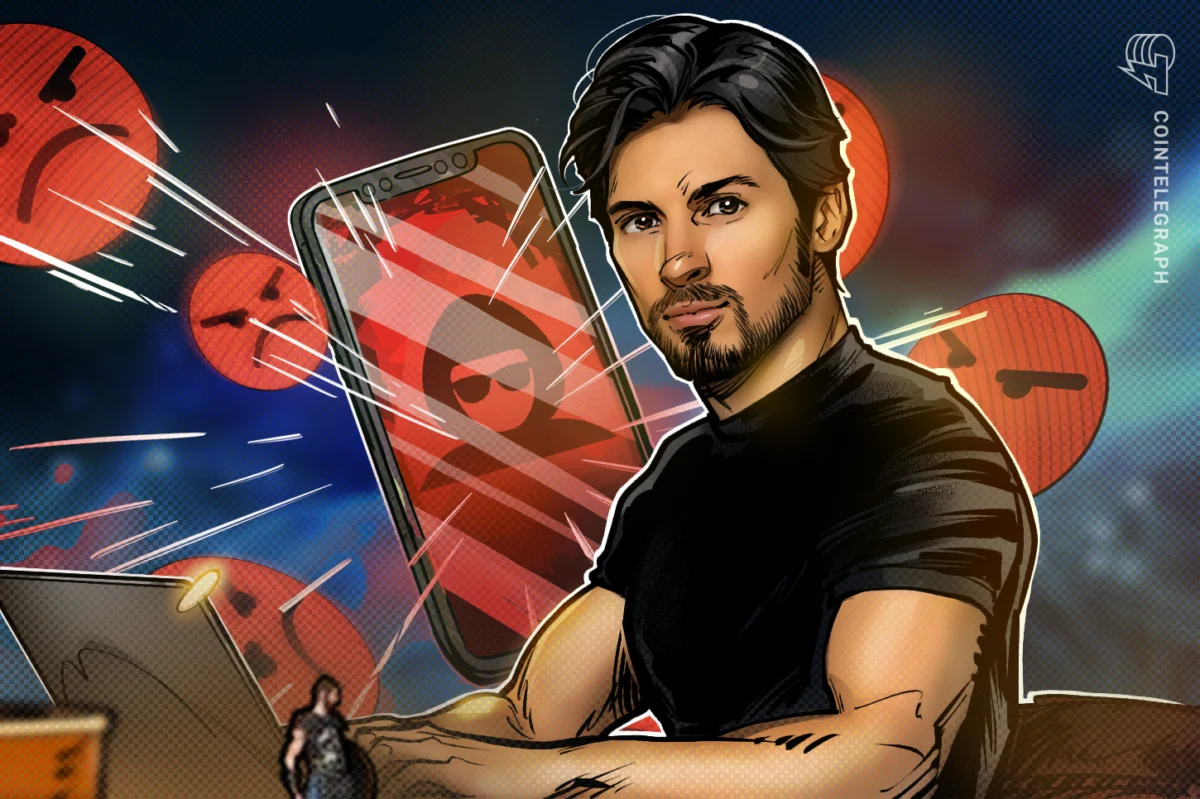
Russian authorities have placed Telegram founder Pavel Durov on an international wanted list, a significant escalation in a criminal case accusing him of facilitating terrorist activity. The Federal Security Service (FSB) announced on Wednesday that it had formally charged Durov with aiding terrorism and initiated an international warrant for his apprehension. This move by the FSB signals a deepening international dimension to the legal pressures faced by the elusive tech entrepreneur, who has long been a figure of contention with Russian authorities.
The FSB’s allegations, as reported by the local news agency Interfax, center on Telegram’s alleged failure to remove channels, chats, and bots that Russian intelligence services claim were utilized by Ukrainian intelligence, terrorist organizations, and extremist groups. These platforms, according to the FSB, were allegedly used for coordinating attacks, recruiting operatives, and conducting cyber fraud. The specific nature of the "international wanted list" cited by the FSB was not immediately detailed by Interfax. A review of Interpol’s publicly accessible database of Red Notices on Wednesday morning did not yield any record of Pavel Durov being listed. This discrepancy raises questions about the specific international legal mechanisms being employed by Russia and their immediate global visibility.
This latest development is not entirely sudden, building upon earlier reports in February that Russian authorities had initiated a criminal investigation into Durov. At that time, Durov himself acknowledged the probe in a post on the social media platform X, formerly Twitter. He vehemently denied the accusations, characterizing the investigation as a deliberate attempt by Russian authorities to pressure Telegram and restrict its use within Russia. Durov stated, "Each day, the authorities fabricate new pretexts to restrict Russians’ access to Telegram as they seek to suppress the right to privacy and free speech." This framing positions the legal actions against him as an assault on fundamental digital liberties.
The situation is further complicated by an ongoing, separate criminal investigation in France that also targets Durov. This French inquiry focuses on alleged illegal activities conducted through the Telegram platform. While French authorities previously imposed travel restrictions on Durov, these were reportedly lifted earlier this year, permitting him to leave the country. The existence of these dual, albeit distinct, legal pressures in different jurisdictions underscores the complex international landscape in which Telegram and its founder operate.
Background: Telegram’s Role and Russian Scrutiny
Pavel Durov, a Russian-born entrepreneur, is also known as the founder of VKontakte (VK), Russia’s largest social network, which he left in 2014 under circumstances that have been subject to considerable speculation. He subsequently dedicated his full attention to Telegram, a messaging application renowned for its strong encryption and focus on user privacy. Since its inception in 2013, Telegram has grown to become a global communication tool, boasting over 900 million monthly active users as of early 2024, according to company statements. Its decentralized nature and end-to-end encryption have made it a popular choice for secure communication, but also a platform that presents challenges for government surveillance and content moderation.
Russia has had a contentious relationship with Telegram for years. In 2018, Russian authorities attempted to ban the app, citing its alleged use by terrorists and drug traffickers, and its failure to provide encryption keys to security services. This ban proved largely ineffective, with millions of Russian users continuing to access the platform through various circumvention methods. The Russian government has repeatedly expressed concerns about the potential for encrypted messaging apps to be exploited by criminal and extremist elements, particularly in the context of heightened geopolitical tensions.
The current charges by the FSB appear to be a significant escalation of this long-standing tension. The accusation of facilitating terrorist activity is a grave charge with severe legal ramifications. It suggests that Russian authorities believe Telegram, under Durov’s leadership, has actively or passively enabled actions deemed detrimental to national security. The specific mention of Ukrainian intelligence services and extremist organizations in the FSB’s allegations directly links the charges to the ongoing geopolitical conflict, indicating that Telegram’s role in information dissemination and communication amidst the war in Ukraine is a central focus of the investigation.
Chronology of Escalating Pressure
The legal actions against Pavel Durov and Telegram have been unfolding over a period, with recent events marking a clear acceleration:
- 2018: Russian authorities attempt to ban Telegram, citing security concerns. The ban is largely unsuccessful.
- February 2024: Reports emerge that Russian authorities have opened a criminal case against Pavel Durov over alleged links to terrorism. Durov confirms the investigation, accusing Russia of suppressing free speech.
- Early 2024 (approximate): French authorities reportedly lift travel restrictions previously imposed on Durov as part of an ongoing criminal investigation in France.
- Wednesday, [Date of Article Publication]: Russia’s FSB announces it has charged Pavel Durov with facilitating terrorist activity and issued an international arrest warrant. Interfax reports the FSB’s allegations regarding the misuse of Telegram channels.
This timeline suggests a pattern of increasing pressure from Russian authorities, culminating in the current international arrest warrant. The timing, amidst ongoing geopolitical conflict, is also significant, potentially reflecting a strategy to control information flows and counter perceived external threats.
Supporting Data and Context: The Digital Battlefield
The FSB’s claims highlight the growing importance of digital platforms as battlegrounds in modern conflicts and in the fight against terrorism. Telegram, with its vast user base and encrypted nature, has indeed been a subject of scrutiny globally.
- User Growth: Telegram’s rapid expansion to over 900 million monthly active users signifies its widespread adoption for personal, professional, and, in some contexts, political communication. This scale makes it a powerful tool, capable of disseminating information and coordinating activities on a massive level.
- Encryption and Privacy: The platform’s commitment to end-to-end encryption is a double-edged sword. While it champions user privacy and security, it simultaneously presents a significant hurdle for law enforcement and intelligence agencies seeking to monitor communications for illicit activities.
- Misinformation and Extremism: Globally, encrypted messaging apps, including Telegram, have faced criticism for their potential to host and facilitate the spread of misinformation, hate speech, and extremist propaganda. Various governments have called for greater transparency and cooperation from such platforms.
- Geopolitical Information Warfare: In the context of the war in Ukraine, messaging apps have become crucial for both official communications and for citizens to stay informed. Russia has accused Ukraine of using platforms like Telegram for propaganda and coordination, while Ukraine and its allies have expressed concerns about Russian disinformation campaigns leveraging similar channels.
The FSB’s specific allegations regarding Ukrainian intelligence, terrorist groups, and cyber fraud point to a perceived threat that Russia believes Telegram has not adequately addressed. This could include the use of Telegram for intelligence gathering, planning of attacks within Russia or occupied territories, or for financial crimes.
Official Responses and International Implications
The FSB’s announcement is a direct statement from a key Russian intelligence agency. The agency’s public declaration of charges and an international warrant signifies a formal pursuit of Durov on a global scale.
- FSB Statement: The FSB’s stated objective is to hold Durov accountable for allegedly enabling terrorist and extremist activities. This framing aims to legitimize the charges within Russia and potentially garner international support or compliance.
- Durov’s Stance: Pavel Durov has consistently positioned himself and Telegram as defenders of privacy and free speech. His previous statements suggest he views such charges as politically motivated attempts to control information and undermine digital liberties. It is highly probable that Durov will continue to resist these charges, potentially through legal challenges and public statements emphasizing the importance of encrypted communication.
- Interpol and International Law: The mention of an "international wanted list" typically implies cooperation through international bodies like Interpol. However, as noted, Durov was not found on Interpol’s public Red Notice database at the time of the report. This could mean that Russia has initiated the process but it is not yet public, or that they are pursuing other international legal avenues. Countries have varying degrees of obligation to honor international arrest warrants based on their own legal frameworks and political relationships with the issuing country. The international community’s response will likely be divided, with some nations potentially cooperating with Russia and others viewing the warrant with skepticism, particularly given concerns about Russia’s human rights record and the political nature of some legal actions.
- French Investigation: The ongoing French investigation adds another layer of complexity. While travel restrictions have been lifted, Durov remains subject to legal proceedings in France. The outcome of this investigation could also have implications for his international movements and legal standing.
Broader Impact and Analysis
The designation of Pavel Durov as an internationally wanted person carries significant implications for Telegram, its users, and the broader landscape of digital privacy and free speech.
- Impact on Telegram: This development could lead to increased scrutiny of Telegram by governments worldwide. It may also force the platform to re-evaluate its content moderation policies and its approach to compliance with national laws, potentially creating a tension between its privacy-centric mission and the demands of global law enforcement. The company might face pressure to implement more robust measures to detect and remove illicit content, which could, in turn, be viewed by some users as a compromise of privacy.
- User Concerns: For Telegram’s hundreds of millions of users, this news raises concerns about the future accessibility and security of their communications. Users in countries with authoritarian regimes might fear that such actions could set a precedent for further restrictions on encrypted messaging services.
- The Future of Encrypted Communication: The legal battles surrounding Telegram and its founder are indicative of a larger global debate about the balance between security and privacy in the digital age. As governments grapple with the challenges posed by encrypted platforms in combating crime and terrorism, the future of truly private and secure online communication remains a critical and contested issue.
- Geopolitical Signaling: Russia’s move to place Durov on an international wanted list can also be seen as a geopolitical signal. It demonstrates Russia’s willingness to pursue individuals it deems a threat, even outside its borders, and underscores its assertive stance on issues of national security and information control in the context of international conflicts. The FSB’s specific mention of Ukrainian intelligence and terrorist groups suggests a deliberate attempt to frame Telegram’s alleged transgressions within the current geopolitical narrative.
In conclusion, the international arrest warrant issued by Russia’s FSB for Telegram founder Pavel Durov marks a dramatic escalation in a protracted legal and political struggle. The charges of facilitating terrorism, coupled with an ongoing investigation in France, place Durov in a precarious international position. The ramifications of these actions extend beyond the individual, impacting the operational future of Telegram, the trust of its vast user base, and the ongoing global discourse on privacy, security, and the control of digital information in an increasingly interconnected and volatile world. The lack of immediate confirmation on international databases like Interpol’s Red Notice list also highlights the complexities and potential for varying interpretations and responses from the international community.