Sonny Valindra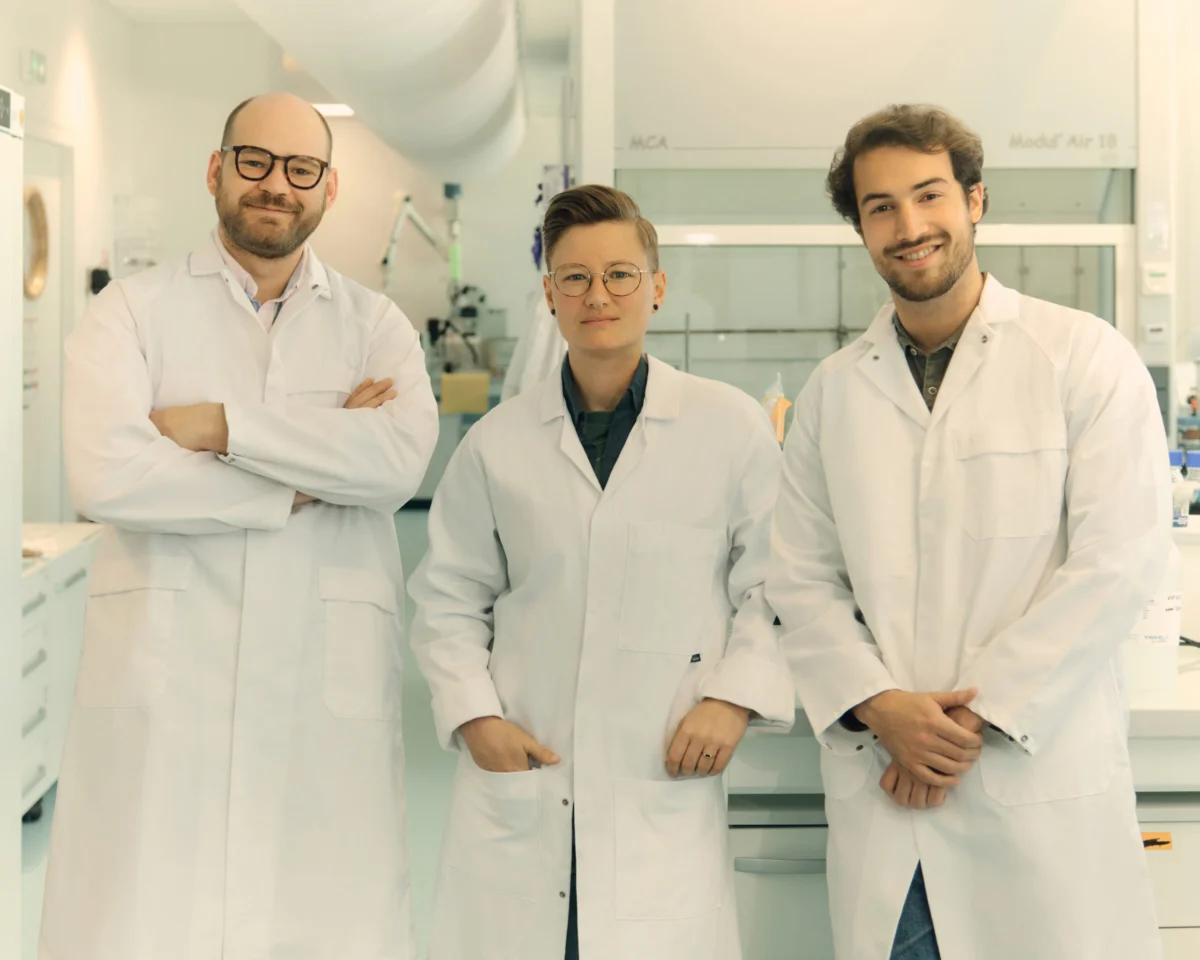
Lululemon, a global leader in athletic apparel, has strategically invested in Syntetica, a French startup poised to transform the textile industry with its groundbreaking approach to nylon recycling. The $30 million Series A funding round, co-led by Bpifrance and EQT Ventures, signifies a significant commitment to circularity within the fashion sector and underscores the growing urgency to address textile waste. Syntetica’s innovative technology tackles the long-standing challenge of recycling mixed nylon types – Nylon 6 and Nylon 6,6 – which are notoriously difficult to separate and process using conventional methods. This investment highlights Lululemon’s proactive stance on sustainability and its dedication to developing scalable solutions for a more responsible future in apparel manufacturing.
The Nylon Conundrum: A Persistent Challenge for the Fashion Industry
Nylon, a synthetic polymer prized for its durability, elasticity, and water resistance, is a cornerstone material for many performance-oriented apparel brands, including Lululemon. Its widespread use in activewear, swimwear, and outerwear is due to its superior technical properties that enhance comfort and functionality for consumers. However, these very qualities make nylon a persistent environmental challenge. When nylon-based garments reach the end of their life cycle, they often end up in landfills, contributing to a growing global waste crisis. The United Nations Environment Programme estimates that the fashion industry is responsible for up to 10% of global carbon emissions and is a significant contributor to microplastic pollution.
A primary hurdle in nylon recycling has been the inability to efficiently differentiate between Nylon 6 and Nylon 6,6, two chemically distinct variants that are frequently blended in consumer products. Traditional mechanical recycling processes struggle to separate these types, leading to a degradation of material quality in the recycled output. This limitation has historically rendered large volumes of post-consumer nylon waste unsuitable for high-value applications, forcing brands to rely heavily on virgin, petroleum-derived nylon.
Syntetica’s Innovative Solution: Bridging the Recycling Gap
Syntetica, founded by CEO Marco Bertone and chemistry researcher Louis Monsigny, has developed a proprietary chemical recycling process capable of handling mixed streams of Nylon 6 and Nylon 6,6. This breakthrough technology allows for the depolymerization of these nylons into their constituent monomers, which can then be repolymerized into high-quality nylon pellets. These recycled pellets are chemically identical to virgin nylon and can be used to produce new yarns and fabrics, effectively closing the loop on nylon’s lifecycle.
"We have built the company with the clarity that there’s no green premium," stated Bertone in an interview. "That if you want to scale real solutions for a sustainable world, it needs to be cost competitive, highly scalable, and you need to build partnerships from the very start." This pragmatic approach has been central to Syntetica’s strategy, focusing on creating a viable economic model for textile recycling that can compete with traditional virgin material production.
Strategic Investment and Industry Partnerships
The $30 million Series A funding round is a testament to the potential of Syntetica’s technology and its alignment with the evolving demands of the fashion industry. Lululemon’s participation in this round, alongside other prominent brands such as Victoria’s Secret and Etam, signals a collective recognition of the need for advanced recycling solutions. MAS Holdings, a major apparel manufacturer, also contributed to the funding, demonstrating a commitment from across the value chain to embrace circularity.
"It is indeed quite unusual for a supply chain actor to invest in a player that hasn’t scaled yet," Bertone commented, highlighting the confidence these established companies have placed in Syntetica’s nascent technology. This forward-thinking investment allows Syntetica to accelerate its development and scale its operations, moving towards commercial production.
Beyond brand investments, Syntetica has forged a crucial partnership with Michelin’s Center for Sustainable Materials. This collaboration has led to the establishment of a commercial demonstration facility in Clermont-Ferrand, France. This facility is designed to showcase the viability and scalability of Syntetica’s recycling process, paving the way for industrial-scale operations. The partnership with a titan like Michelin, renowned for its material science expertise and industrial capabilities, lends significant credibility to Syntetica’s technological claims.
A Pragmatic Approach to Scalability and Market Entry
Syntetica differentiates itself by focusing on producing recycled nylon pellets, rather than manufacturing textiles directly. This business model positions the company as a key supplier within the existing textile ecosystem, enabling yarn manufacturers and brands to integrate recycled content seamlessly into their production lines. "It’s a story of pragmatic industrial partnerships with the right players to get buy-in from the whole value chain," Bertone explained.
The company’s strategic roadmap includes scaling production to hundreds of tons of pellets per year and then expanding with facilities located strategically near waste sources and textile manufacturing hubs worldwide. This localized approach aims to minimize transportation costs and environmental impact, further enhancing the sustainability of the circular model.
Navigating Market Volatility and Regulatory Tailwinds
The recent surge in interest and investment in textile recycling is also driven by external market forces. Geopolitical instability impacting the oil industry has led to significant price volatility for nylon, a petroleum-derived material. "It’s been a wake-up call to many brands that have been relying on petrol-sourced nylon and petrol-sourced synthetics for pricing and convenience, and which today have seen massive shocks to their system," Bertone observed. This price volatility has made recycled alternatives increasingly attractive from an economic standpoint, in addition to their environmental benefits.
Furthermore, regulatory frameworks are increasingly pushing for greater circularity in the fashion industry. The European Union’s Waste Framework Directive, for instance, sets ambitious targets for waste reduction and recycling, creating a supportive environment for innovative solutions like Syntetica’s. These regulatory tailwinds, coupled with growing consumer demand for sustainable products, are creating a compelling business case for brands to invest in and adopt circular solutions.
The Team Behind the Innovation
Syntetica’s leadership team brings a diverse range of expertise crucial for navigating the complexities of scaling a deep-tech startup. CEO Marco Bertone, with a background in fashion and secondhand e-commerce, possesses a keen understanding of the industry’s challenges and opportunities. His collaboration with chemistry researcher Louis Monsigny, forged through the Entrepreneurs First accelerator at Station F in Paris, brought together business acumen and scientific innovation.
The company has also brought on board CTO Ash Ward, a former executive at the now-defunct battery company Northvolt. Ward’s experience with the intense challenges of scaling industrial operations, along with insights from advisors like Northvolt co-founder Peter Carlsson, provides Syntetica with invaluable knowledge of risk management and operational execution. "As a startup, we have to be comfortable taking more risks than industrials; otherwise, there would be no innovation," Bertone remarked. "But there’s also a line – when you parallelize too many risks, then it can become complex." This philosophy guides Syntetica’s focused approach, prioritizing core competencies before diversifying.
A Global Ambition Fueled by European Support
Syntetica’s operations and growth are significantly bolstered by its French base and the supportive ecosystem it offers. The Series A round was co-led by Bpifrance’s Ecotechnologies 2 fund, part of the France 2030 plan aimed at strengthening European industrial capabilities and reducing reliance on fossil fuels. Additional support has come from the European Innovation Council (EIC) through grants and its acceleration program. This public backing underscores the strategic importance of circular economy solutions for Europe’s economic and environmental future.
While public funding provides a strong foundation, Syntetica also benefits from private investment from firms like EQT Ventures and SWEN Capital Partners, as well as various family offices. This blend of public and private support provides the financial runway and strategic guidance necessary for the company to achieve its ambitious goals.
The Competitive Landscape and the Path Forward
Syntetica operates in a dynamic and growing field, with several other companies exploring innovative approaches to textile recycling. These competitors employ various methodologies, including enzymatic processes and advanced chemical recycling techniques. Chemical giant BASF, for example, has also developed its own recycled nylon solutions.
However, Bertone remains optimistic about the collective impact of these innovations. "If everyone were to scale to tens of factories, we still wouldn’t solve this problem," he stated. "Everyone needs to succeed for us to succeed as a society." This perspective emphasizes that the scale of the textile waste challenge necessitates a multifaceted approach and the success of multiple players.
Lululemon’s investment in Syntetica is part of a broader sustainability strategy. The activewear giant has previously invested in other promising textile recycling startups, including Epoch Biodesign and Samsara Eco, demonstrating a consistent commitment to exploring and supporting cutting-edge solutions for circularity. These strategic investments position Lululemon at the forefront of sustainable innovation within the apparel industry, aiming to reduce its environmental footprint and meet the increasing demand for eco-conscious products. Syntetica’s technological advancements and strategic partnerships are poised to play a pivotal role in shaping a more sustainable future for nylon and the fashion industry as a whole.