George Chandra Eka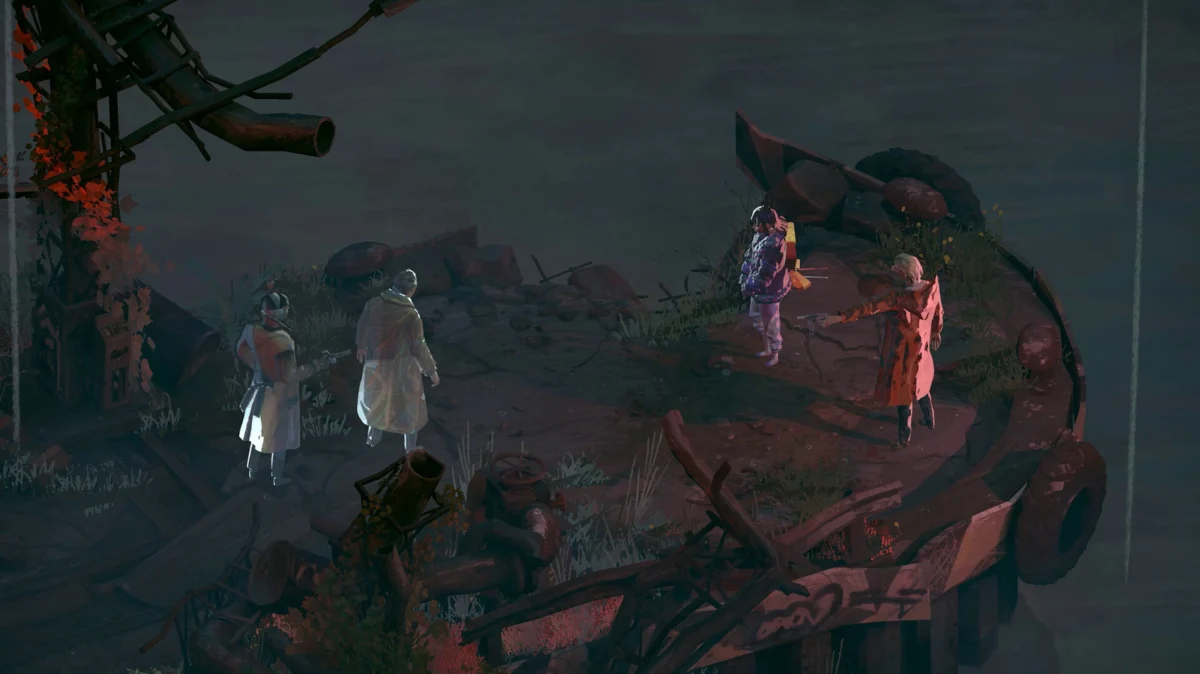
The video game industry continues to grapple with a pervasive wave of layoffs, and ZA/UM Studio, the acclaimed developer behind the critically lauded Disco Elysium, has now confirmed its own significant workforce reduction. In a public statement issued via social media, the Estonian-based studio announced that it has "served redundancy or at-risk notices impacting up to 32 of our colleagues across all departments at ZA/UM Studio." This decision, which affects a substantial portion of the company’s workforce, comes only a few months after the release of their latest title, Zero Parades: For Dead Spies, in May of this year. The studio explicitly attributed the layoffs to the new game’s "weak commercial performance," stating that its financial returns "has not enabled us to sustain a studio of our current size."
This development underscores the precarious nature of game development, even for studios that have previously achieved significant critical and commercial success. The initial success of Disco Elysium in 2019 propelled ZA/UM into the global spotlight, earning widespread praise for its innovative narrative, unique art style, and deep philosophical themes. However, the studio has since navigated a tumultuous period marked by internal conflicts, high-profile departures of key creative personnel, and legal disputes, all of which have cast a shadow over its post-Disco Elysium trajectory. The recent layoffs represent another challenging chapter in the studio’s complex history, raising questions about its future projects and long-term stability.
A Challenging Follow-Up: The Performance of Zero Parades
Zero Parades: For Dead Spies, an espionage RPG, launched in May 2024 with a quiet reception that starkly contrasts with the fervor surrounding its predecessor. Data from SteamDB indicates that the game achieved an all-time peak of just 3,177 concurrent players around its release. This figure has since seen a steady decline, suggesting that the game struggled to capture a sustained audience or generate the buzz necessary to translate into robust sales. For context, Disco Elysium consistently commanded a significantly larger player base during its initial release and subsequent updates, often reaching tens of thousands of concurrent players and maintaining strong engagement for years.
The disparity in commercial performance between Disco Elysium and Zero Parades highlights the immense pressure on developers to follow up a breakout hit. While Disco Elysium garnered numerous accolades, including multiple BAFTA Game Awards and The Game Awards’ Best Narrative prize, Zero Parades appears to have struggled to find its footing in a competitive market. The studio’s statement directly links the game’s underperformance to the necessity of workforce reductions, indicating that the revenue generated was insufficient to maintain the operational scale that had been established. This scenario is a common pitfall in the industry, where the success of a single title can lead to ambitious expansion that becomes unsustainable if subsequent releases do not meet high commercial expectations. The lack of significant critical buzz or a strong marketing campaign for Zero Parades likely contributed to its muted launch, making it difficult to cut through the noise of a crowded release schedule.
Turbulent History: Internal Strife at ZA/UM
For those familiar with ZA/UM Studio’s recent history, the news of layoffs may not come as an entirely unforeseen event. Following the monumental success of Disco Elysium in 2019, the studio became embroiled in a series of highly publicized internal conflicts and legal battles that severely impacted its public image and creative core.
The Rise of Disco Elysium
Disco Elysium, released in October 2019, was a revelation. Developed by ZA/UM, a collective originally formed by Estonian cultural figures, it redefined the isometric RPG genre with its richly written dialogue, unique skill system, and a deeply atmospheric setting. The game’s narrative depth, psychological exploration, and philosophical undertones resonated deeply with critics and players alike, earning it widespread "Game of the Year" accolades and establishing ZA/UM as a visionary new force in game development. Its commercial success allowed the studio to expand, attracting new talent and seemingly setting the stage for future ambitious projects.
The Fallout: Departures and Legal Battles
However, this period of triumph was short-lived. By late 2022, reports emerged of a major upheaval within the studio. Key figures responsible for Disco Elysium‘s creation—including lead writer and designer Robert Kurvitz, art director Aleksander Rostov, and writer Helen Hindpere—were revealed to have been "fired" from the company. The circumstances surrounding their departure were contentious, with both sides presenting conflicting narratives.
The former developers alleged that they were dismissed under false pretenses and accused the studio’s majority shareholders, particularly Ilmar Kompus and Tõnis Haavel, of corporate fraud, including the illicit acquisition of the studio’s intellectual property (IP) and unauthorized use of company funds. Specifically, allegations surfaced that Kompus and Haavel had used company funds to purchase a majority stake in ZA/UM, thereby consolidating control and sidelining the original creative team. These accusations led to a protracted legal dispute, including a lawsuit filed by Kurvitz and Rostov against ZA/UM, seeking to reclaim their ownership and creative rights.
ZA/UM, in turn, issued statements acknowledging the departures but refuting the allegations of fraud, asserting that the individuals were dismissed due to a lack of productivity and for creating a "toxic work environment." The studio maintained that the changes were necessary for the company’s future and stability. Public sentiment largely sided with the departed creative team, given their instrumental role in Disco Elysium‘s success and the perception of corporate maneuvering.
Allegations of Hostile Work Environment
Adding to the complexity, there were also allegations of a hostile work environment within ZA/UM, particularly concerning female employees. While not directly tied to the IP dispute, these claims contributed to a broader narrative of internal dysfunction and a studio struggling with its sudden ascent to prominence. The combination of these factors – the loss of core creative talent, the public legal battle, and workplace culture concerns – undoubtedly had a significant impact on morale, public perception, and potentially the development process of subsequent games, including Zero Parades.
The Formation of Longdue
In the wake of their departure, Robert Kurvitz, Aleksander Rostov, and Helen Hindpere, along with other former ZA/UM developers, announced the formation of a new studio called Longdue. Their stated mission is to continue creating "narrative-first" games, with many fans viewing their new endeavor as a spiritual successor to Disco Elysium, carrying forward the creative vision that was lost at ZA/UM. This further fragmented the talent pool that once coalesced to create one of the most acclaimed RPGs of the decade. The ongoing legal complexities and the division of the original creative force have undoubtedly shaped ZA/UM’s trajectory, leading to questions about the studio’s ability to replicate its earlier success.
The Broader Landscape of Gaming Industry Layoffs
ZA/UM Studio’s layoffs are not an isolated incident but rather a stark reflection of a wider, concerning trend sweeping across the video game industry. The past year and a half have witnessed an unprecedented wave of job losses, affecting companies of all sizes, from indie studios to major publishers. This period of contraction follows a period of rapid growth during the COVID-19 pandemic, when lockdowns fueled increased demand for digital entertainment.
Post-Pandemic Correction and Economic Headwinds
Industry analysts point to several factors contributing to the current downturn. The initial pandemic boom led to significant over-hiring across many companies, anticipating sustained growth that ultimately did not materialize. As global economies faced inflation, rising interest rates, and a general tightening of consumer spending, the gaming sector began to experience a post-pandemic correction. Development costs have simultaneously soared, driven by larger game scopes, increased technological demands, and competitive talent markets, making it harder for games to turn a profit unless they achieve blockbuster status.
Major Players Affected
The scale of the layoffs has been staggering. Microsoft, following its acquisition of Activision Blizzard, announced plans to lay off 1,900 employees across its Xbox, Activision Blizzard, and ZeniMax divisions. Sony Interactive Entertainment confirmed cuts affecting approximately 900 employees globally, including at major studios like Naughty Dog, Insomniac Games, and Guerrilla Games. Unity, a dominant force in game development engines, has undergone multiple rounds of layoffs, shedding hundreds of jobs. The Embracer Group, an acquisitive holding company, has also restructured heavily, leading to numerous studio closures and thousands of job losses. According to data compiled by various industry trackers, tens of thousands of individuals have been impacted by job cuts in the gaming sector since the beginning of 2023.
This pervasive trend creates a challenging environment for all developers, especially smaller studios like ZA/UM. Even with a critically acclaimed title like Disco Elysium in their portfolio, the current economic climate makes it difficult to sustain operations when a new release underperforms. The high-risk, high-reward nature of game development is exacerbated by these broader market forces, making financial stability an increasingly elusive goal.
Official Statements and Worker Response
In their social media post announcing the layoffs, ZA/UM Studio conveyed the gravity of the situation: "This decision was not made lightly, and we understand the profound impact it has on our departing colleagues." The studio reiterated that the "weak commercial performance" of Zero Parades: For Dead Spies was the primary driver for the restructuring.
Crucially, ZA/UM also stated that it has "continued to consult and work with representatives of the ZA/UM Workers’ Alliance." This detail highlights a growing trend within the game development industry: the increasing organization of workers. In an industry often characterized by demanding crunch periods, uncertain project futures, and a lack of traditional union representation, workers’ alliances and efforts towards unionization are gaining traction. The ZA/UM Workers’ Alliance likely played a role in advocating for the affected employees, negotiating severance packages, and ensuring transparency during the redundancy process. Their involvement underscores the evolving landscape of labor relations in gaming, where employees are increasingly seeking collective representation to safeguard their interests amidst industry volatility. The existence and engagement of such an alliance suggest a degree of formal communication and negotiation that might not have been present in past layoff scenarios at other companies.
Implications for ZA/UM’s Future and the Industry
The recent layoffs at ZA/UM Studio carry significant implications for the company’s future, the affected employees, and the broader independent game development landscape.
For ZA/UM Studio: The reduction in workforce, coupled with the underperformance of Zero Parades, necessitates a significant recalibration of ZA/UM’s strategy. The studio will likely need to re-evaluate its project pipeline, potentially focusing on smaller-scale, more financially viable titles, or seeking external funding to support future endeavors. The ongoing reputational damage from the internal conflicts and the departure of its original creative visionaries also poses a formidable challenge. Rebuilding trust with the player community and attracting top talent will be difficult without a clear, compelling new direction and evidence of internal stability. The question remains whether ZA/UM, without its original core team, can produce another game that resonates with the critical and commercial success of Disco Elysium. The studio’s ability to innovate and deliver compelling narratives, which was its hallmark, is now under intense scrutiny.
For Affected Employees: The immediate impact on the 32 individuals is profound. Losing a job in a competitive and currently contracting industry presents significant personal and professional challenges. While severance packages and support from the ZA/UM Workers’ Alliance may offer some immediate relief, finding new employment in the current market, especially in Estonia or the broader European game development scene, could be arduous. Many highly skilled professionals are now vying for fewer positions, leading to increased competition and potential career disruptions. The emotional toll of job loss, particularly in a creative field, should not be underestimated.
Broader Industry Lessons: ZA/UM’s journey from a celebrated indie darling to a studio grappling with layoffs and internal strife offers several critical lessons for the wider industry:
- The Challenge of Success: Managing rapid growth and the expectations that come with a breakout hit is incredibly difficult. Studios often expand quickly, making them vulnerable if subsequent projects do not meet financial targets.
- Importance of Internal Stability: The internal conflicts at ZA/UM highlight how crucial stable leadership, a positive work culture, and clear ownership structures are for long-term creative and commercial viability. The loss of key talent and IP disputes can derail even the most promising studios.
- Market Volatility: The gaming industry remains highly volatile. Even successful studios are not immune to market shifts, economic downturns, and the fierce competition for player attention. The need for diversified revenue streams and robust financial planning is more critical than ever.
- Worker Representation: The involvement of the ZA/UM Workers’ Alliance underscores the growing importance of collective bargaining and employee advocacy in an industry historically less unionized. As the industry matures, worker organizations will likely play an increasingly vital role in shaping employment practices and ensuring fair treatment.
Looking Ahead: The Future of Narrative RPGs
Disco Elysium carved out a unique niche in the narrative RPG space, demonstrating that highly experimental, text-heavy games could achieve mainstream success. The struggles of ZA/UM Studio, particularly in the wake of losing its core creative team and the underperformance of Zero Parades, raise questions about the sustainability of such ambitious, narrative-first projects for independent developers. While the departure of the original creators to form Longdue offers a glimmer of hope for fans of Disco Elysium‘s unique style, ZA/UM Studio’s path forward remains uncertain.
The future for ZA/UM Studio will depend on its ability to regroup, define a clear new creative direction, and restore confidence among its remaining staff and the player community. Whether it can navigate these turbulent waters and once again emerge as a significant voice in game development remains to be seen, but its recent history serves as a cautionary tale in an industry currently undergoing a profound period of transformation and challenge.