Garick Elordi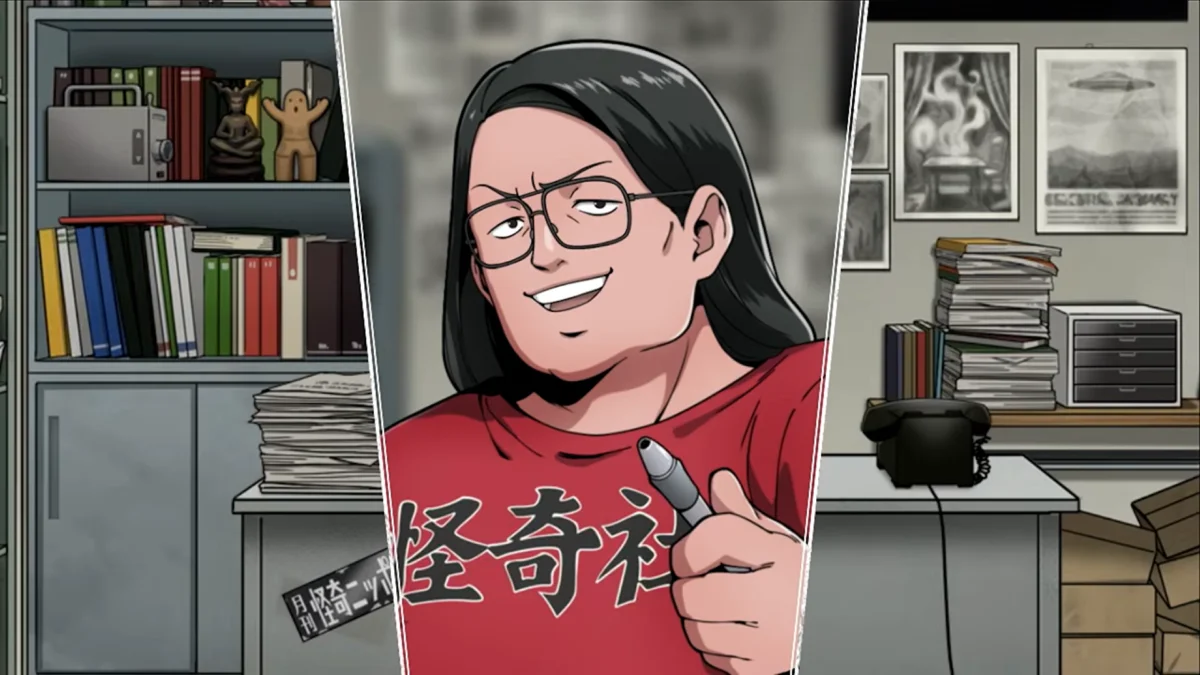
The global gaming community was treated to a significant series of announcements during this week’s dual-pronged Nintendo Direct presentations, which showcased a robust lineup of highly anticipated titles including Kirby and the World Beyond, Metroid Ravenous, and a comprehensive remake of The Legend of Zelda: Ocarina of Time. However, while international audiences focused on these flagship franchises, the Japanese broadcast of the event contained a revelation of historical proportions for fans of the adventure genre: a formal sequel to The Portopia Serial Murder Case. Developed under the supervision of Dragon Quest creator Yuji Horii, this new entry marks the first direct narrative continuation of a title that essentially defined the Japanese adventure game template more than four decades ago. Scheduled for a 2027 release on the successor to the Nintendo Switch and PC via Steam, the project represents a bridge between the foundational era of 8-bit storytelling and the high-fidelity capabilities of next-generation hardware.
The Historical Significance of The Portopia Serial Murder Case
To understand the weight of this announcement, one must look back to 1983, a year that served as a cornerstone for the Japanese software industry. The original Portopia Serial Murder Case (Portopia Renzoku Satsujin Jiken) was designed by Yuji Horii and published by Enix long before the company merged with Square. Initially released for Japanese personal computers such as the NEC PC-6001 and later ported to the Famicom (NES) in 1985, the game broke new ground by introducing a sophisticated mystery narrative to a medium that was, at the time, dominated by simple arcade-style action.
The game followed a detective and his assistant, Yasu, as they investigated a suspicious death in Kobe. It was revolutionary for its "command-selection" system, which replaced the cumbersome text parsers of Western adventure games with a menu-driven interface. This innovation made the genre accessible to a mass audience and laid the groundwork for what would eventually become the modern visual novel. Its influence cannot be overstated; Hideo Kojima, the visionary behind the Metal Gear series, has frequently cited Portopia as a primary catalyst for his entry into game development. Kojima noted that the game’s ability to convey a complex, mature story through the medium of video games opened his eyes to the potential of interactive narrative, an influence clearly visible in his own early works like Snatcher and Policenauts.
Narrative Direction and Setting of the Sequel
The upcoming sequel, titled Next: The Portopia Serial Murder Case (according to preliminary Steam listings), seeks to honor its roots while expanding the scope of its investigation. Set against the atmospheric backdrop of 1980s Kobe, the game will place players back in the era of the original, utilizing a nostalgic yet technologically advanced aesthetic. According to official descriptions provided during the Japanese Nintendo Direct, the sequel will feature a completely new detective experience. While it maintains the 1980s setting, it introduces a fresh cast of characters who must navigate a new string of serial murders that appear to have deep, clandestine ties to the original 1983 case.

The gameplay is confirmed to remain faithful to the traditional menu-driven, command-selection format. Players will engage in meticulous detective work, including gathering witness statements, examining physical evidence at crime scenes, and conducting high-stakes interrogations. The trailer showcased a refined 2D animated art style, bringing a modern fluidity to the character expressions and environmental details that were impossible on 8-bit hardware. This stylistic choice suggests a commitment to the "retro-modern" aesthetic that has proven successful for other revived adventure franchises, such as Nintendo’s own Famicom Detective Club remakes.
The Evolution of the Project and the Role of Yuji Horii
A critical factor for fans and historians is the direct involvement of Yuji Horii. Acting as the Executive Director, Horii is supervising the project to ensure narrative consistency and the preservation of the "Horii touch"—a specific blend of human drama and investigative logic that made his early work so compelling. While Horii is globally famous for the Dragon Quest series, his "Armor Project" studio has always maintained a legacy interest in the adventure genre.
The announcement of this sequel follows a somewhat turbulent period for the Portopia IP. In 2023, Square Enix released a free-to-play "AI Tech Preview" of the original Portopia Serial Murder Case on Steam. The project was intended to demonstrate Natural Language Processing (NLP) technology, allowing players to type free-form text to interact with the game. However, the execution was widely criticized for its lack of responsiveness and technical glitches, resulting in a "Very Negative" user rating on Steam. Industry analysts suggest that this new 2027 sequel is a strategic pivot away from experimental AI tech and back toward polished, traditional game design. Notably, the sequel appears to be a collaborative effort involving G-Mode, a developer known for reviving classic Japanese mobile and PC titles, rather than a direct internal Square Enix production, though Square Enix remains the primary IP holder.
Technical Specifications and the Nintendo Switch 2
The timing of the release window—2027—and the confirmed platforms have fueled significant discussion regarding Nintendo’s hardware roadmap. The mention of "Switch 2" (or the "successor to Nintendo Switch") in relation to a 2027 release date suggests that by that time, the new console will be the primary focus of Nintendo’s ecosystem. For a text-heavy adventure game, the move to more powerful hardware likely facilitates more than just higher resolution. Enhanced hardware will allow for more complex character animations, seamless transitions between investigation sites, and potentially a more immersive soundscape that captures the bustling, neon-lit atmosphere of 1980s Kobe.
On PC, the game is being developed for Steam, though current listings indicate a lack of English-language support. Historically, the Portopia series has struggled with localization. The 1983 original never received an official Western release, largely due to the text-heavy nature of the game and the cultural specificities of its setting. However, given the global success of recent investigative titles like The Great Ace Attorney Chronicles and 13 Sentinels: Aegis Rim, there is a growing demand for a localized version. Fans have already begun petitioning for an English translation, noting that the "Horii" name carries significant weight in the West due to the popularity of Dragon Quest XI and the recent HD-2D remakes.

Market Analysis and Industry Implications
The revival of The Portopia Serial Murder Case is part of a broader trend within the Japanese gaming industry to revitalize dormant "Golden Age" IPs for a modern audience. Over the last five years, titles such as Famicom Detective Club: The Missing Heir and Another Code: Recollection have demonstrated that there is a viable market for high-quality, narrative-driven adventure games on modern consoles.
From a business perspective, the sequel serves two purposes. First, it honors the heritage of the medium, providing a bridge for younger players to experience the storytelling style that influenced the industry’s most famous creators. Second, it capitalizes on the "showa-era" nostalgia currently trending in Japanese pop culture. The 1980s setting provides a distinctive aesthetic that appeals to both older players who lived through the era and younger players drawn to the "city pop" and "retro-tech" vibes of the period.
Conclusion and Future Outlook
As the industry moves toward the 2027 release window, more information is expected regarding the specific plot points and whether the game will eventually see a global launch. The announcement stands as a testament to the enduring power of Yuji Horii’s early vision. By returning to the streets of Kobe, the developers are not just making a game; they are revisiting the birthplace of the Japanese visual novel.
The success of this sequel will likely depend on its ability to balance old-school investigative mechanics with modern quality-of-life improvements. If successful, it could pave the way for other classic Horii adventure titles, such as Okhotsk ni Kiyu: Hokkaido Renzoku Satsujin Jiken (The Murder on the Okhotsk) and Karuizawa Yukai Kaigan (The Karuizawa Kidnapping Guide), to receive similar modern treatment. For now, the "Portopia" name remains a symbol of the medium’s transition from simple play to complex storytelling, and its return marks a full circle moment for the history of interactive entertainment.