Chandra Wibowo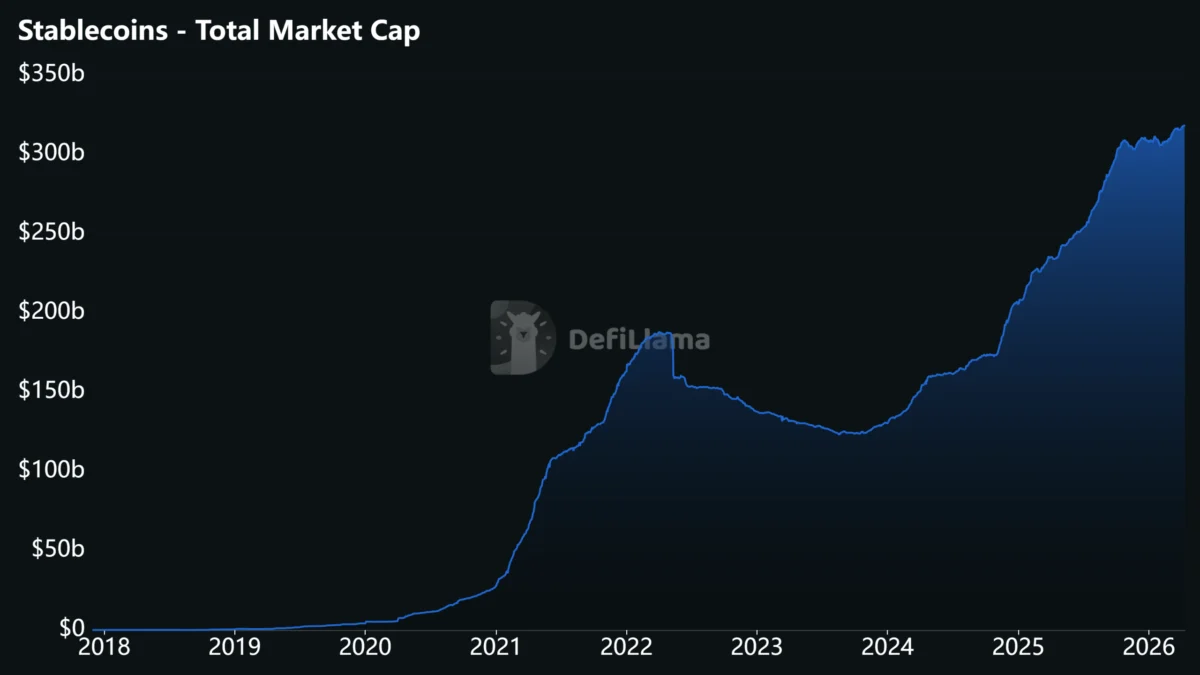
The cryptocurrency market is navigating a precarious recovery, with Bitcoin’s recent gains appearing fragile amidst a complex tapestry of geopolitical tensions, macroeconomic shifts, and emerging technological privacy risks. Coin Bureau analyst Nic Puckrin has cautioned that the current upward trend in Bitcoin (BTC) is susceptible to broader market forces, particularly the lingering repercussions of the conflict in the Middle East, which he predicts will dominate market narratives throughout 2026. Concurrently, Europe is transitioning from strategic discussions to active implementation of stablecoin technology, driven by regulatory clarity and corporate demand. Meanwhile, a stark warning from Telegram co-founder Pavel Durov highlights a critical vulnerability in digital privacy, suggesting that push notification systems could inadvertently create backdoors, compromising user data and message histories.
Bitcoin’s Recovery Under Scrutiny Amidst Geopolitical and Economic Headwinds
The nascent recovery of Bitcoin, now approximately a week old, is being met with cautious optimism, tempered by significant external pressures. Nic Puckrin, a respected crypto market analyst and the founder of the Coin Bureau media outlet, has characterized the current upward movement as "fragile." This assessment stems from the pervasive influence of geopolitical instability and macroeconomic uncertainties, largely exacerbated by the ongoing conflict in the Middle East.
Puckrin elaborated on the potential long-term impact of these geopolitical events, stating, "Even if the war ends now, its repercussions will likely be the story of 2026, and certainly the dominant narrative for Q2. I don’t expect to see a rate cut until late Q3 or Q4, if at all." This outlook suggests that the market may continue to grapple with inflation concerns and a potentially protracted period of higher interest rates, factors that typically dampen enthusiasm for riskier assets like cryptocurrencies.
From a technical perspective, Puckrin outlined key levels to watch for Bitcoin. He indicated that a sustained weekly close above the $71,000 mark could signal continued upward momentum for BTC. However, he also identified significant resistance emerging around the $74,000 level, suggesting that breaking through this threshold may prove challenging in the short term. The current trading pattern, with BTC consistently trading below its 200-day exponential moving average, as illustrated by TradingView data, further supports the notion of a market still consolidating and facing resistance.

The inflationary pressures stemming from regional conflicts have been a significant concern for global economies. Data from the U.S. Bureau of Labor Statistics (BLS) Consumer Price Index (CPI) report, released recently, confirmed an inflationary spike. This rise in inflation directly impacts central bank policy, making the prospect of interest rate cuts less likely in the near future. Historically, lower interest rates tend to stimulate asset prices, as borrowing becomes cheaper and investors seek higher yields in riskier markets. Conversely, elevated interest rates make fixed-income investments more attractive and increase the cost of capital, potentially leading to reduced investment in growth assets like cryptocurrencies. The anticipated delay in rate cuts, as suggested by Puckrin, implies that this macroeconomic headwind will persist, contributing to the fragility of Bitcoin’s recovery.
The global economic landscape is intricately linked to geopolitical stability. For instance, disruptions to energy supply chains, often a consequence of regional conflicts, can lead to increased energy costs, which then ripple through the economy, driving up prices for goods and services. This inflationary effect can force central banks to maintain tighter monetary policies, thereby constraining liquidity and potentially impacting asset valuations across the board. The market’s reaction to these developments underscores the interconnectedness of global finance and the vulnerability of even nascent recoveries to broader systemic risks.
Europe’s Stablecoin Adoption Shifts Gears from Strategy to Execution
In a significant development for the digital asset ecosystem, Europe is witnessing a decisive shift in stablecoin adoption, moving beyond theoretical discussions and strategic planning to concrete execution. Lamine Brahimi, co-founder and managing partner at Taurus, a prominent crypto custody technology provider, observed that banks and corporations across the continent are now actively engaged in selecting infrastructure partners to facilitate the integration of stablecoins.
Brahimi highlighted the dramatic evolution in the corporate and financial sector’s engagement with stablecoins. "Eighteen months ago," he noted, "most conversations were still educational, focused on understanding stablecoins and their risks. Today, firms with board-level approval are preparing to go live." This transition signifies a maturation of the market, where the potential benefits of stablecoins are being recognized and actively pursued, supported by robust governance and risk management frameworks.
A key catalyst for this acceleration has been the introduction of the Markets in Crypto-Assets Regulation (MiCA) in Europe. MiCA provides a harmonized regulatory framework for crypto-assets across the European Union, replacing a patchwork of national rules with a single, comprehensive set of guidelines. This regulatory clarity is crucial for financial institutions, as it reduces legal uncertainty and creates a more predictable operating environment. By establishing clear rules for issuance, custody, and trading of crypto-assets, MiCA fosters greater confidence among established players, encouraging them to integrate digital assets into their existing operations.

Brahimi further emphasized this integration trend: "In the past twelve months alone, some of Europe’s most stringent financial institutions are all arriving at the same conclusion: digital assets, including stablecoins, belong inside the existing banking stack, not beside it." This sentiment suggests a move away from siloed digital asset strategies towards a seamless incorporation of stablecoins into traditional financial infrastructure. The implication is that stablecoins are increasingly viewed not as an alternative to traditional finance, but as an enhancement to it, offering new avenues for efficiency and innovation within established systems.
Corporate treasury teams are emerging as a primary driver of this demand for stablecoins. While initial interest was largely centered on payments and settlement, the scope of application is broadening. Companies are now exploring the use of stablecoins for faster fund transfers, significant cost reductions, and the ability to operate outside traditional banking hours, thereby enhancing operational flexibility and global reach. The efficiency gains offered by stablecoins, particularly in cross-border transactions, can translate into substantial competitive advantages for businesses operating in an increasingly globalized economy.
The growth of the stablecoin market, as evidenced by data from DefiLlama, illustrates the increasing adoption and utility of these digital currencies. As more institutions and corporations leverage stablecoins, their market capitalization is expected to continue its upward trajectory, further solidifying their role in the financial ecosystem. The integration of stablecoins into the traditional banking stack, facilitated by regulatory frameworks like MiCA and driven by corporate demand for efficiency, marks a significant step towards the broader adoption of digital assets in mainstream finance.
Telegram Co-Founder Warns of Privacy Risks Embedded in Push Notifications
In a concerning development for digital privacy advocates, Pavel Durov, the co-founder of the popular messaging application Telegram, has sounded an alarm regarding a potentially overlooked vulnerability: the data stored within push notification logs on users’ devices. Durov warned that this information could serve as a "backdoor," enabling breaches of user privacy and potentially granting access to sensitive message histories.
Durov’s warning was prompted by recent reports detailing how forensic analysts at the U.S. Federal Bureau of Investigation (FBI) were reportedly able to retrieve deleted messages from the privacy-focused messaging application Signal. The method employed involved accessing push notification system logs on an Apple iPhone. This incident highlights a critical flaw: even with end-to-end encryption, which secures the content of messages, the metadata and ancillary information generated by the notification system can be exploited.

Durov articulated the gravity of this revelation in a public statement, emphasizing that disabling notification previews on applications does not offer complete protection. He stated, "Turning off notification previews won’t make you safe if you use those applications, because you never know whether the people you message have done the same." This underscores a systemic risk, as a single user’s vulnerability in a communication chain could expose the entire conversation, regardless of individual privacy settings.
The implications of this discovery are far-reaching. It suggests that the very mechanisms designed to alert users to new messages could, in fact, be a conduit for surveillance and data extraction. For applications that prioritize user privacy, this presents a significant challenge, as it necessitates a re-evaluation of how notification systems are designed and how data is handled. The incident with Signal and the FBI underscores that even sophisticated end-to-end encryption can be circumvented if the surrounding infrastructure, such as operating system-level logging, is compromised or accessible.
The technical aspect of this vulnerability lies in how operating systems handle notifications. When a message arrives, the application generates a notification, which is then processed and displayed by the operating system. Even if the message itself is encrypted and only decrypted on the recipient’s device, the notification log might contain snippets of the message, sender information, timestamps, and other metadata that can be pieced together to reconstruct conversations or infer user activity. This information, when accessed by unauthorized parties, can compromise the privacy of individuals, particularly in contexts where sensitive communications are exchanged.
This revelation challenges the prevailing understanding of digital privacy and the effectiveness of current encryption standards. It prompts a critical question: are we adequately safeguarding user data when the very tools designed for convenience and communication also harbor hidden vulnerabilities? The incident serves as a potent reminder that the pursuit of digital security and privacy is an ongoing endeavor, requiring constant vigilance and innovation to address emerging threats. As users become more aware of these potential risks, there will likely be increased demand for applications and operating systems that offer more robust protection against such data leakage, pushing the boundaries of privacy-preserving technologies.