Metty Iskandar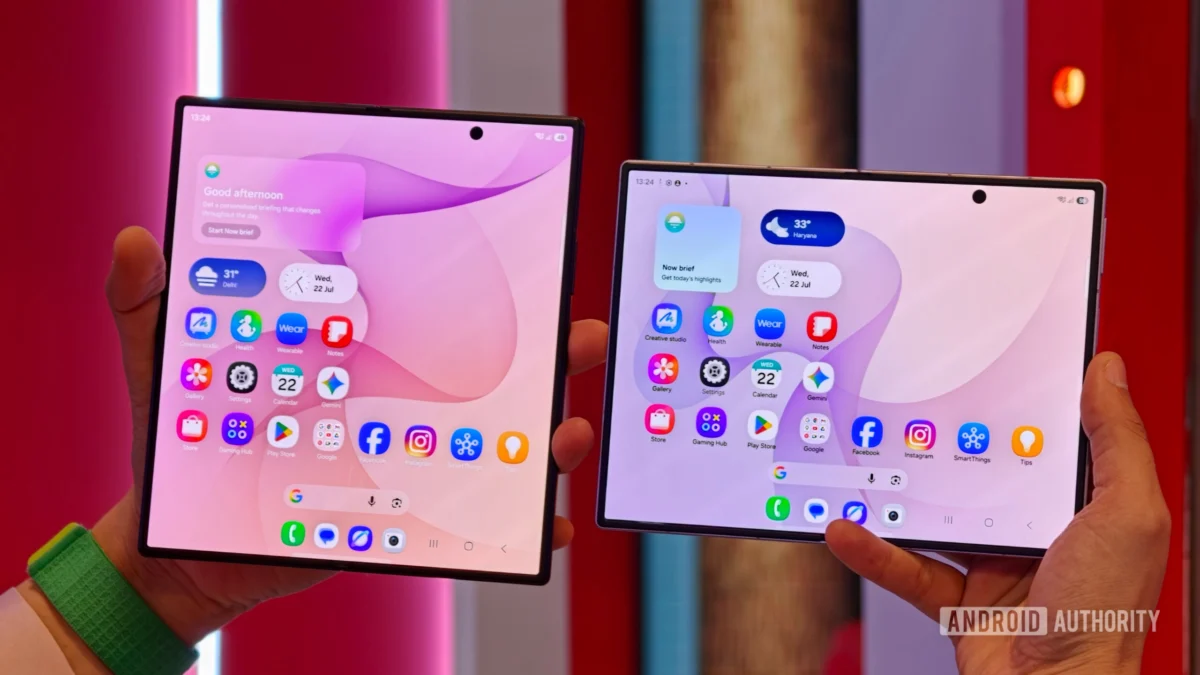
As Samsung rolls out its latest generation of foldable devices, the Galaxy Z Fold 8, Z Fold 8 Ultra, and Z Flip 8, a significant software upgrade takes center stage: the stable release of One UI 9. While other Samsung flagship devices are anticipating One UI 9 through beta programs, these new foldables are the first to offer the polished, production-ready version straight out of the box. This launch provides a definitive look at several key features that have been under development, offering users greater control over their device’s network access, audio processing, and voice assistant interactions. Among the most notable additions are the refined network restriction capabilities, a more granular approach to background audio hardening, and the introduction of gesture-based Bixby activation.
Enhanced Network Restrictions: A Granular Approach to App Permissions
One of the most anticipated features making its stable debut with One UI 9 is the enhanced network restriction functionality. Previously hinted at during beta testing phases, this feature allows users to precisely control which applications can access the internet, thereby bolstering privacy and potentially conserving data. The stable release, observed on the new Z Fold 8 series and Z Flip 8, confirms the implementation of this advanced network management tool.
Within the network restrictions settings, users will now find two specific toggles: "Restrict browsers" and "Restrict games." These additions represent a significant step forward from earlier iterations, moving beyond a general network access control to more targeted management. This granularity empowers users to, for instance, prevent their web browsers from accessing the internet unless explicitly permitted, or to ensure that gaming applications are isolated from network connectivity when not in use. This could be particularly beneficial for users concerned about background data consumption by less essential apps or those seeking to maintain a more focused digital environment.
The implementation of these restrictions aligns with a growing trend in mobile operating systems towards greater user control over app permissions and data usage. As mobile applications become more sophisticated and interconnected, the ability to selectively disconnect them from the network offers a powerful tool for managing digital well-being and security. For example, a user might choose to restrict all social media apps to Wi-Fi only, or completely block them from accessing the internet when they need to concentrate on work or other tasks. The "Restrict games" option also addresses concerns about in-app purchases or data harvesting by certain game titles.
Background Audio Hardening: Refined Control Over System Audio
Another significant update integrated into stable One UI 9 is the refined control over "Background Audio Hardening," a feature originally introduced with the underlying Android 17 operating system. This feature is designed to enhance system stability and security by managing how applications handle audio playback in the background. While initial reports indicated a simple on/off toggle for this function, the stable One UI 9 implementation offers a more nuanced approach with granular control over the audio hardening level.
Users can locate this setting within the "Developer options," specifically under "More settings." The available options for audio hardening level are:
- Default: This setting allows the system to manage audio playback according to its standard protocols.
- Off: This option completely disables background audio hardening, potentially allowing for more aggressive or less restricted audio background processes. This might be beneficial for specific power-user scenarios or troubleshooting, but carries potential implications for system stability.
- On: This enables the background audio hardening features as intended by the Android 17 framework, providing a balance between performance and system integrity.
- Aggressive: This setting applies the most stringent background audio hardening, prioritizing system stability and resource management, potentially at the cost of some background audio functionality or performance for specific applications.
The introduction of these granular controls suggests Samsung’s commitment to offering users a deeper level of customization without sacrificing the overall robustness of the operating system. Background Audio Hardening is a technical feature that aims to prevent audio-related crashes or unexpected behavior from applications running in the background. By offering adjustable levels, Samsung is catering to a spectrum of user needs, from those who prefer the default settings for optimal performance and stability to advanced users who might require more specific configurations for niche applications or development purposes. The ability to select an "Aggressive" setting indicates a focus on maximizing system reliability, which is particularly crucial for devices like Samsung’s foldables, which often juggle multiple apps and complex multitasking scenarios.
Gesture Wake-up for Bixby: A Hands-Free Voice Assistant Activation
The convenience of voice assistants has been a hallmark of modern smartphones, and Samsung is enhancing this experience with the introduction of "Gesture Wake-up" for its Bixby assistant. As revealed in early leaks, this new feature allows users to activate Bixby without uttering the traditional "Hi Bixby" wake word or relying on a dedicated shortcut.
The Gesture Wake-up option will be accessible within the Bixby settings page. Once enabled, users can summon Bixby by performing a specific gesture. Samsung has specified that the device needs to be held within two inches of the user’s mouth for this feature to be triggered. This proximity requirement is a deliberate design choice aimed at minimizing accidental activations, ensuring that Bixby is only summoned when the user intentionally intends to interact with it. This thoughtful implementation addresses potential user frustrations with voice assistants being triggered unintentionally by ambient sounds or conversations.
This feature promises to offer a seamless way to access Bixby, particularly in noisy environments or when a spoken wake word might be impractical. For instance, a user could activate Bixby to set a timer while their hands are occupied with cooking, or to quickly look up information during a meeting without disrupting others. The "lift to talk" functionality, as it’s conceptually similar to other device interactions, aims to further streamline user experience by integrating voice commands into natural physical actions.
However, it’s important to note that Gesture Wake-up will not be active under certain conditions. Samsung has stated that if Bixby is already processing a request or if media is actively playing on the device, the gesture activation will be temporarily disabled. This ensures that the assistant’s current operation is not interrupted and that media playback remains uninterrupted. The development of such gesture-based controls reflects Samsung’s ongoing efforts to innovate in the realm of human-computer interaction, making device usage more intuitive and efficient.
The Broader Context: Samsung’s Foldable Strategy and Software Evolution
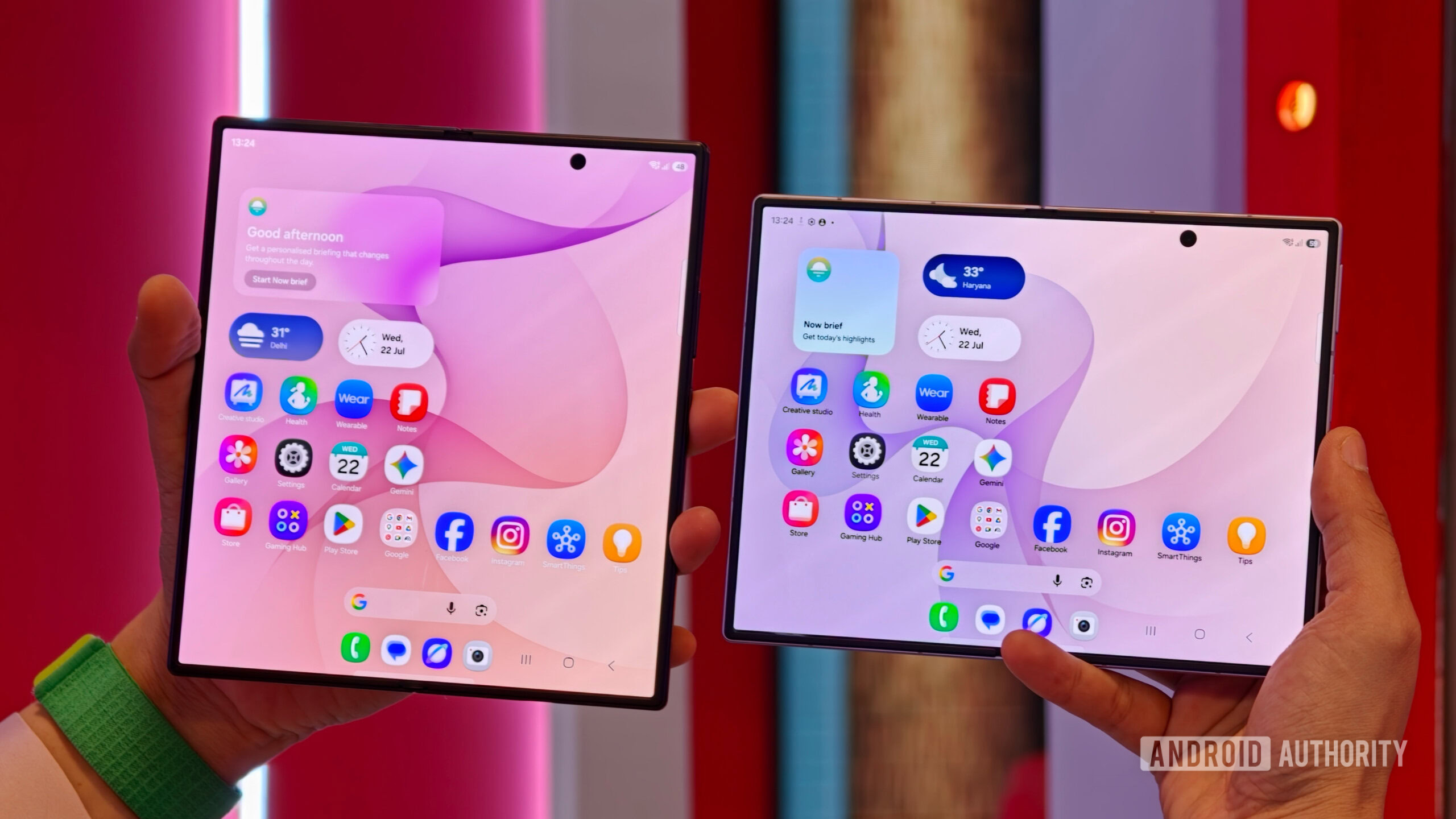
The launch of the Galaxy Z Fold 8, Z Fold 8 Ultra, and Z Flip 8 alongside the stable One UI 9 represents a strategic move by Samsung to solidify its position in the burgeoning foldable market. These devices are not just hardware showcases; they are also platforms for showcasing Samsung’s latest software innovations. By shipping these foldables with the stable One UI 9, Samsung is not only providing its newest customers with the most advanced software experience but also using these premium devices as a testing ground for features that will eventually trickle down to a wider range of its portfolio.
The timeline of One UI 9’s development has been marked by iterative improvements and feature refinement. Beta releases provided early insights, allowing Samsung to gather feedback and polish the user experience. The fact that features like network restrictions and gesture wake-up have made it to the stable build suggests they have undergone rigorous testing and met Samsung’s quality standards.
The implications of these software advancements extend beyond the immediate user experience of the new foldables. The enhanced network controls could set a new benchmark for app permission management in the Android ecosystem. Similarly, the refined background audio hardening offers a glimpse into the future of system stability and security in Android. The gesture-based Bixby activation, if successful, could inspire further innovation in hands-free device interaction across the industry.
While the Galaxy S26 series and previous generations of foldables are expected to receive stable One UI 9 in due course, the early availability on the Z Fold 8 series and Z Flip 8 underscores Samsung’s prioritization of its foldable line as flagship devices. This strategy aims to attract early adopters and provide them with a compelling reason to invest in Samsung’s foldable technology, backed by a cutting-edge software experience. The current pre-orders for these devices indicate strong consumer interest, with shipments commencing shortly. This launch signifies not just the release of new hardware, but a comprehensive upgrade in the user interface and functionality, promising a more controlled, efficient, and intuitive mobile experience.