Garick Elordi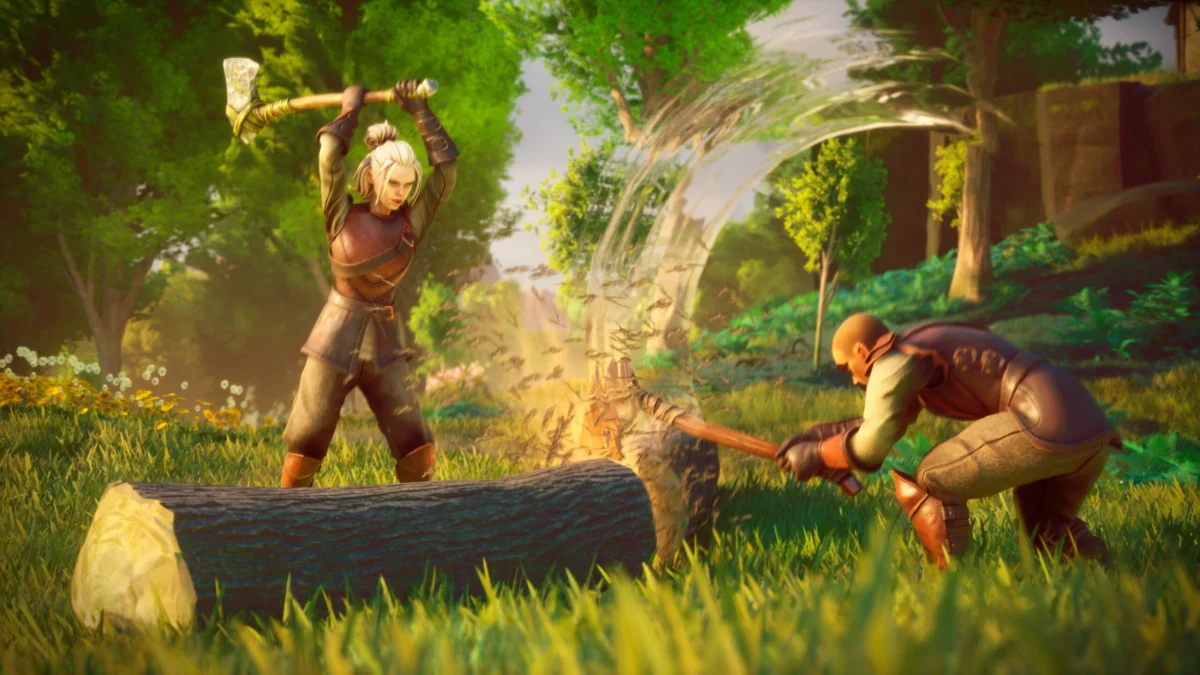
In a significant declaration regarding the future of the massively multiplayer online (MMO) landscape, Jagex CEO Jon Bellamy has outlined a strategic vision to elevate the RuneScape brand to the pinnacle of the global gaming market. Speaking in an extensive interview with Chris Dring at The Game Business, Bellamy articulated a five-year roadmap designed to see RuneScape surpass its primary competitors, most notably Blizzard Entertainment’s World of Warcraft, to become the largest MMO brand in the world.
The objective, while ambitious, is framed by Bellamy as a "pragmatic" pursuit of growth and market penetration. Acknowledging the current hierarchy of the genre, Bellamy noted that while RuneScape maintains a formidable position, there remains a substantial divide between the second-place spot and the industry leader. However, the leadership at Jagex believes that through a diversified product portfolio and a deep understanding of their core demographic, the company can bridge this gap and redefine the hierarchy of online gaming.
The Tri-Pillar Strategy for Growth
Central to Jagex’s strategy is the maintenance and expansion of three distinct titles under the RuneScape umbrella. Bellamy stated that within the next five years, the goal is to sustain at least three "very large, growing" games that cater to a combined audience numbering in the multi-millions. This trio consists of the long-standing flagship titles, Old School RuneScape and RuneScape (often referred to as RuneScape 3), alongside the upcoming survival-crafting venture, RuneScape: Dragonwilds.
RuneScape: Dragonwilds represents a significant pivot in the company’s development philosophy. Moving away from the traditional point-and-click MMORPG mechanics that defined the brand for over two decades, Dragonwilds integrates survival and crafting elements—a genre that has seen a massive surge in popularity through titles like Valheim, Rust, and Enshrouded. The game is scheduled to transition out of its Early Access phase and see a full launch later this September. By diversifying the gameplay styles offered under the RuneScape brand, Jagex aims to capture different segments of the gaming market without alienating its existing loyalists.
Addressing Internal Competition and Market Cannibalization
A recurring concern within multi-title franchises is the risk of "cannibalization," where a new release draws players away from the company’s existing products rather than attracting new users. Bellamy addressed this potential conflict with a market-oriented philosophy. "I’m not worried if the strawberry ice cream outsells the chocolate ice cream," Bellamy remarked during the interview. "We just want to sell ice cream."
This perspective suggests that Jagex views the internal competition between Old School RuneScape, RuneScape 3, and Dragonwilds as secondary to the total growth of the brand’s ecosystem. The executive team believes that the different titles offer sufficiently distinct experiences to coexist. While Old School RuneScape appeals to those seeking a nostalgic, community-polled, and grind-heavy experience, and RuneScape 3 offers a more modern, high-fidelity RPG with complex combat systems, Dragonwilds is positioned to attract the "survival-adjacent" audience.
Analyzing the Player Demographic and the "Second Screen" Phenomenon
One of the most compelling data points shared by Bellamy involves the engagement metrics of the current player base. For Old School RuneScape, the average daily play session length is nearly five hours. This level of engagement is particularly notable given the age of the average player, which currently stands at 32 years old.
The 32-year-old demographic typically consists of working professionals, a reality that Jagex has leaned into when designing game mechanics. Bellamy described a "second screen" phenomenon that has become a hallmark of the RuneScape experience. "There are millions of Deloitte consultants out there somewhere who have Excel open on one screen and Old School open on another," Bellamy noted.
This style of "low-intensity" or "AFK" (Away From Keyboard) gaming allows players to progress in-game while performing other tasks, such as professional work or watching media. By designing activities like fishing, woodcutting, or mining to require minimal active input, Jagex has successfully integrated its product into the daily routines of a high-income, adult demographic. This approach has fostered a level of player retention that is rare in the volatile gaming industry.
Historical Context and the Path to the Top Spot
RuneScape’s journey began over 25 years ago, launching in 2001 as a browser-based Java game created by Andrew and Paul Gower. Over the decades, it evolved from "RuneScape Classic" to a more robust three-dimensional engine, eventually splitting in 2013 following the controversial "Evolution of Combat" update. This split led to the creation of Old School RuneScape (OSRS), which used a 2007 backup of the game’s source code.
Ironically, OSRS has frequently outpaced the modern version of the game in terms of active players, proving the enduring appeal of the brand’s core loop. Today, Jagex stands as one of the UK’s most successful software exporters. Earlier in 2024, the company was acquired by CVC Capital Partners and Haveli Investments in a deal reportedly worth approximately £900 million ($1.1 billion). This influx of capital and institutional backing is widely seen as the catalyst for Bellamy’s "number one" aspirations.
Toppling World of Warcraft (WoW), however, remains a Herculean task. Since its launch in 2004, WoW has remained the benchmark for MMORPG success, frequently boasting millions of active subscribers and a massive cultural footprint. While Blizzard does not always release exact subscriber counts, industry estimates suggest a significant lead over RuneScape in terms of monthly active users (MAUs). For Jagex to close this gap, it will need to not only retain its current veterans but also successfully onboard a new generation of players through Dragonwilds and potential mobile expansions.
Chronology of Recent and Upcoming Developments
The timeline for Jagex’s "five-year plan" is already in motion, marked by several key milestones:
- Early 2024: Jagex is acquired by CVC Capital Partners and Haveli Investments, providing the financial runway for aggressive expansion.
- Summer 2024: Continued updates for Old School RuneScape, including the announcement of new raids and landmass expansions (Varlamore), keep the veteran community engaged.
- September 2024: The scheduled full release of RuneScape: Dragonwilds. This launch serves as the first major test of Jagex’s ability to successfully launch a non-traditional MMO title.
- 2025–2027: The "Growth Phase," where Jagex intends to scale the infrastructure of all three titles, potentially exploring new platforms or further genre-blending iterations.
- 2029: The target date for Bellamy’s goal of becoming the world’s number one MMO brand.
Broader Industry Implications
The strategy outlined by Jon Bellamy reflects a broader shift in the gaming industry toward "ecosystem" management. Rather than relying on a single blockbuster release, companies are increasingly looking to build a suite of interconnected or branded experiences that cater to different player motivations.
The success of Jagex’s plan will likely be scrutinized by other legacy developers. If RuneScape can successfully leverage its 25-year-old IP to overtake modern giants, it will provide a blueprint for how "living games" can achieve longevity through demographic-specific design. The emphasis on the 32-year-old professional demographic is particularly savvy, as this group possesses higher disposable income compared to younger gaming cohorts, making them a more stable foundation for a subscription-based or bond-based economy.
Furthermore, the launch of Dragonwilds indicates that Jagex is no longer content to be defined solely by the "point-and-click" mechanics of the past. By entering the survival-crafting space, Jagex is competing for the attention of players who may have previously found the main RuneScape titles too slow or archaic.
Official Stance and Market Outlook
While Jagex has not released specific internal projections for player counts, the "multi-million person audience" mentioned by Bellamy suggests a target that rivals the peak years of the MMO boom in the mid-2000s. The company remains focused on its community-centric development model, particularly in OSRS, where major game changes must pass a 70% approval threshold in player polls.
As the September launch of Dragonwilds approaches, the gaming industry will be watching to see if Jagex can translate its "ice cream" philosophy into tangible market share. With a quarter-century of history behind it and a clear-eyed view of its audience’s habits, RuneScape is positioning itself for its most aggressive era of expansion yet. Whether it can truly unseat World of Warcraft remains to be seen, but under Bellamy’s leadership, Jagex is no longer satisfied with being the runner-up.