George Chandra Eka
The integration of smartphone functionality into automotive infotainment systems has fundamentally reshaped the driving experience, with Apple CarPlay standing as a cornerstone of this evolution. Introduced in 2014, CarPlay allows iPhone users to seamlessly access essential applications such as navigation, messaging, and music directly through their vehicle’s dashboard display, minimizing distractions and enhancing safety. Initially requiring a physical USB connection, the advent of wireless CarPlay in newer vehicle models has introduced a new dynamic, prompting drivers to weigh the convenience of a cable-free experience against the traditional reliability of a wired link. While both iterations offer the same core feature set, their operational differences present distinct advantages and challenges that cater to varied user preferences and driving scenarios. Understanding these distinctions is crucial for drivers seeking to optimize their in-car technology experience.
CarPlay’s Genesis: A Decade of Seamless Integration
Apple CarPlay first debuted at the Geneva Motor Show in March 2014, marking a significant stride in bridging the gap between personal mobile technology and automotive systems. Its initial rollout was limited, with Ferrari being one of the first manufacturers to offer it. The concept was revolutionary: projecting a simplified, driver-friendly version of an iPhone’s interface onto the car’s screen, thereby allowing access to key apps like Maps, Phone, Messages, and Music. This eliminated the need for drivers to interact directly with their phones, a practice widely recognized as a significant safety hazard. Early adoption was primarily through a wired connection, utilizing the vehicle’s USB port to establish a data and power link. This setup quickly became a standard expectation in new vehicles, with major manufacturers like Ford, Hyundai, BMW, and Honda progressively integrating CarPlay into their model lineups.
The evolution of CarPlay from a niche feature to a ubiquitous standard reflects a broader industry trend towards connected cars. As smartphones became indispensable tools for daily life, consumers increasingly demanded similar levels of connectivity and intuitive interfaces within their vehicles. Apple’s strict design guidelines ensured a consistent user experience across different car brands, contributing to its rapid acceptance. The underlying technology relied on the iPhone’s processing power and data connection, essentially mirroring the phone’s capabilities onto the car’s display, rather than requiring extensive, costly in-car hardware and software development from each manufacturer. This approach democratized advanced infotainment features, making them accessible to a wider consumer base.
The transition to wireless CarPlay began to gain traction around 2017-2018, primarily driven by advancements in Wi-Fi Direct and Bluetooth technologies. This innovation eliminated the physical tether, allowing iPhones to automatically connect to the vehicle’s infotainment system upon ignition. This development was a direct response to consumer desire for greater convenience and reduced cable clutter within the car cabin. Today, a significant percentage of new vehicles offer wireless CarPlay as a standard or optional feature, with industry reports indicating that over 70% of new cars sold globally support some form of smartphone integration, and wireless capabilities growing steadily. This chronological progression highlights Apple’s commitment to evolving the in-car experience, adapting to both technological advancements and shifting user expectations.
The Uninterrupted Flow: Advantages of Wired CarPlay
Despite the allure of wireless convenience, a wired Apple CarPlay connection continues to offer distinct advantages that make it the preferred choice for many drivers in specific scenarios. Chief among these is unwavering connectivity reliability. Automotive infotainment systems, like any complex electronic device, can be susceptible to occasional glitches, dropped connections, or pairing difficulties, particularly with wireless protocols. A physical USB connection largely bypasses these potential points of failure, establishing a stable and consistent link between the iPhone and the car’s system. This ensures that critical functions like turn-by-turn navigation remain uninterrupted, a vital consideration when traversing unfamiliar routes or navigating dense urban environments where a sudden loss of display information could be disorienting and dangerous. Furthermore, the straightforward plug-and-play nature of a wired setup eliminates the need to troubleshoot Bluetooth or Wi-Fi settings, streamlining the process of getting connected and on the road.
Another significant benefit of wired CarPlay is optimized power management. Connecting an iPhone via a USB cable simultaneously facilitates data transfer and charges the device. This is particularly advantageous for longer commutes or extended road trips, where continuous use of navigation, music streaming, and other demanding applications can rapidly deplete an iPhone’s battery. Modern iPhones, while offering improved battery life, still face challenges under sustained high-usage conditions, especially if the device is several years old. For instance, an iPhone 15 Pro Max, despite its advanced power management, can experience noticeable battery drain over several hours of active CarPlay use. A wired connection alleviates this concern, ensuring the phone remains charged, preventing the "low battery anxiety" that can plague users upon exiting their vehicle. This aspect is also critical for ride-sharing drivers or individuals who spend extended periods in their cars, as it maintains device readiness for subsequent use.
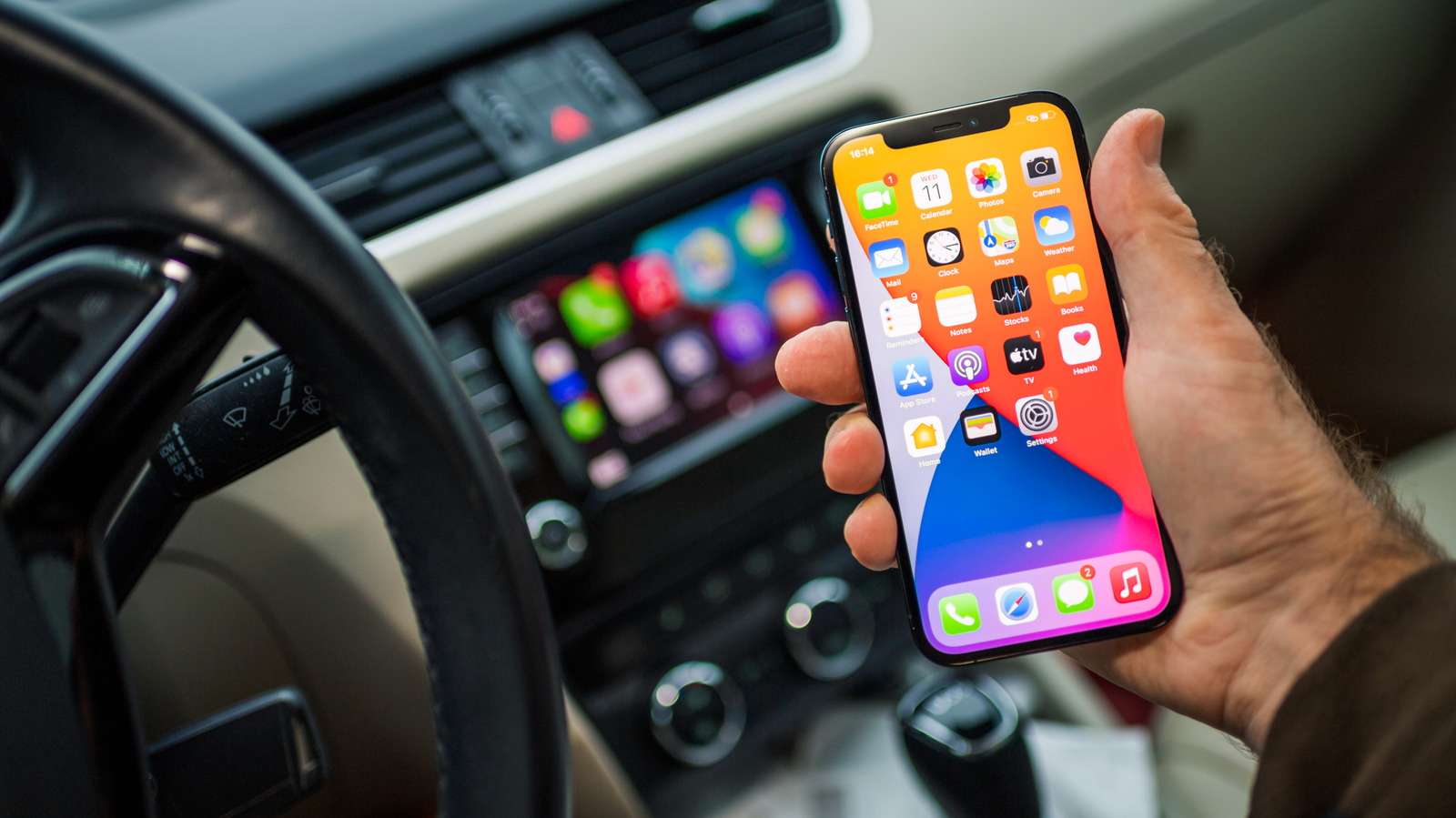
Superior audio fidelity is another compelling reason to opt for a wired connection, especially for audiophiles or those subscribed to high-resolution audio streaming services. While wireless audio transmission via Bluetooth has improved considerably, it still involves compression that can subtly degrade sound quality. A direct USB connection allows for a digital audio transfer that preserves the full fidelity of the source material, providing a richer, clearer, and more dynamic listening experience. This distinction becomes particularly noticeable when streaming lossless audio from platforms like Spotify HiFi (when available) or Apple Music, where the nuances of a high-quality recording are more accurately reproduced. For users who prioritize pristine sound, the wired connection offers an uncompromised audio pathway, eliminating potential latency issues that can occasionally plague wireless audio streams, especially when skipping tracks or interacting with voice assistants like Siri.
Beyond these practical benefits, a wired connection also offers a subtle layer of security and privacy. While wireless CarPlay is generally secure, a direct physical link can inherently be less susceptible to certain types of wireless interference or eavesdropping attempts, however rare they may be in a typical automotive context. Moreover, in multi-user vehicle environments, a wired connection provides clear priority. If a car is paired with multiple iPhones wirelessly, it can sometimes automatically connect to the "wrong" device, requiring manual intervention to switch. A wired connection bypasses this issue entirely, giving immediate control and connectivity to the physically connected iPhone, streamlining the experience for shared vehicles or family cars.
Seamless Integration: The Convenience of Wireless CarPlay
The primary allure of wireless Apple CarPlay lies in its unparalleled convenience and ease of use. The elimination of physical cables transforms the in-car experience, allowing drivers to simply enter their vehicle, start the engine, and have their iPhone automatically connect to the infotainment system. This seamless, hands-free initiation saves valuable time and removes the minor, yet repetitive, chore of plugging and unplugging a cable for every trip. This benefit is particularly pronounced for shorter journeys or frequent stops, where the constant connection and disconnection of a wired setup can become tiresome. The "grab and go" nature of wireless CarPlay aligns perfectly with the fast-paced demands of modern life.
A significant advantage of wireless CarPlay is the reduction of cable clutter within the car cabin. Modern vehicles often feature streamlined interiors, and dangling USB cables can detract from this aesthetic, creating an untidy appearance. Furthermore, cable management can be a practical challenge; some car designs offer conveniently placed cubbyholes or storage compartments that are too small to comfortably accommodate larger iPhones when a cable is plugged in. Wireless connectivity frees up these spaces, allowing for a cleaner, more organized dashboard and center console area. It also removes the frustration of tangled or misplaced cables, which can be a minor but persistent annoyance.
Wireless CarPlay also enhances flexibility in multi-user scenarios within the vehicle. If a passenger in the back seat wishes to control the music selection or assist with navigation, passing a wirelessly connected iPhone around the car is far more practical and less disruptive than detaching and reattaching a wired device. This promotes a more collaborative and comfortable experience for all occupants, particularly on longer journeys or with multiple passengers. The ability to keep the iPhone in a pocket, purse, or dedicated wireless charging pad while still accessing CarPlay functions adds to this flexibility, accommodating various personal preferences for phone placement.
Technologically, wireless CarPlay leverages a combination of Bluetooth for initial handshake and Wi-Fi Direct for data transfer. Bluetooth initiates the connection and authenticates the device, while Wi-Fi Direct provides the high-bandwidth, low-latency connection required for streaming audio, video, and displaying the CarPlay interface. This dual-protocol approach ensures a robust and efficient wireless link. Critically, wireless CarPlay does not compromise on functionality; users have access to the exact same suite of applications, voice commands (including the new Siri AI), and display features as with a wired connection. Recent advancements, such as iOS 17’s introduction of video playback on CarPlay (which utilizes AirPlay for A/V sync), demonstrate that wireless protocols are more than capable of handling demanding media requirements without noticeable latency. The perceived "loss of features" when going wireless is largely a misconception, as Apple has ensured feature parity across both connection types.
Navigating the Trade-Offs: A Comparative Analysis
The choice between wired and wireless CarPlay ultimately hinges on a driver’s priorities, balancing the absolute reliability and performance of a physical connection against the unmatched convenience and aesthetic appeal of a cable-free setup. From a reliability standpoint, wired CarPlay maintains a slight edge. While wireless technologies have matured, they can still be susceptible to environmental interference or occasional software glitches that might lead to dropped connections, albeit infrequently. For mission-critical navigation or uninterrupted audio, the physical tether offers peace of mind.
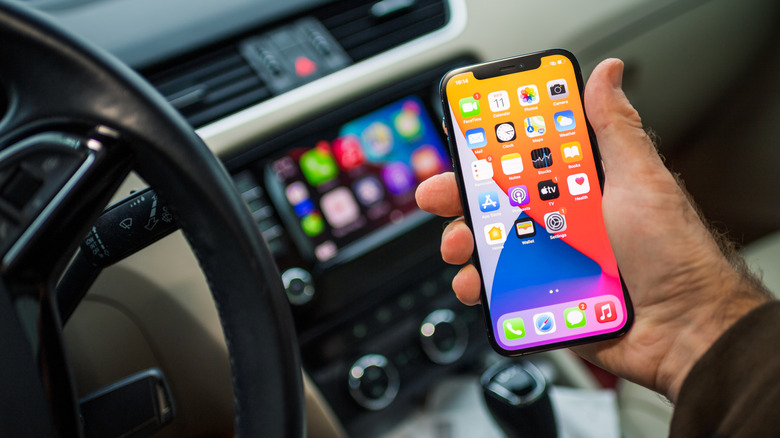
In terms of charging efficiency, wired CarPlay is unequivocally superior. A direct USB connection typically provides more consistent and often faster charging rates than wireless charging pads, especially if the wired port supports higher wattage. For users whose iPhone battery health is a frequent concern, or those undertaking prolonged drives, the wired option ensures the device remains fully powered. Conversely, wireless CarPlay users must either rely on their phone’s internal battery or utilize a separate wireless charging pad, which may charge slower and generate more heat.
Audio quality, as previously discussed, marginally favors wired connections, particularly for high-fidelity audio enthusiasts. While the difference might be imperceptible to the average listener, audiophiles with premium sound systems and lossless audio subscriptions will appreciate the uncompressed digital signal of a wired link. Wireless audio, even over Wi-Fi Direct, still involves some level of processing and compression, though advancements have significantly minimized audible degradation for most users.
From a user experience perspective, wireless CarPlay shines in its effortlessness. The automatic connection and lack of physical interaction simplify the daily routine, especially for drivers who make frequent short trips. The absence of cables contributes to a cleaner car interior, which many find aesthetically pleasing. Wired CarPlay, while requiring a physical action, offers a consistent "always-on" experience without the potential for wireless pairing issues.
Industry Landscape and Consumer Demands
The automotive industry’s embrace of CarPlay reflects a profound shift in consumer expectations. For years, in-car infotainment systems were often criticized for being clunky, unintuitive, and technologically behind. CarPlay, alongside its Android Auto counterpart, provided a ready-made solution that leveraged the familiarity and power of the smartphone. This led to rapid adoption by car manufacturers, who saw it as a cost-effective way to offer advanced connectivity features without extensive proprietary software development.
Apple’s strategic push for wireless CarPlay aligns with a broader trend towards ubiquitous wireless connectivity in consumer electronics. This move is indicative of the company’s long-term vision for seamless interaction across its ecosystem. For automotive manufacturers, integrating wireless CarPlay involves additional hardware and software development, including more robust Wi-Fi and Bluetooth modules, which can incrementally increase vehicle costs. However, the competitive advantage of offering such a highly demanded feature often outweighs the development expenses. Many OEMs now differentiate their models by the sophistication of their infotainment integration, with wireless CarPlay becoming a premium, sought-after feature.
Consumer feedback consistently highlights convenience as a top priority for in-car technology. Surveys often show that drivers prefer automatic connections and less clutter. However, reliability and battery charging capabilities also rank highly, particularly for those who depend on their phones for critical functions during travel. This creates a nuanced market where both wired and wireless solutions retain relevance. The aftermarket accessory market further underscores this, with numerous adapters available to convert wired CarPlay systems to wireless, catering to existing car owners who desire the upgrade without purchasing a new vehicle. This robust ecosystem reflects the diverse needs of the driving public.
Beyond the Cable: Future of In-Car Infotainment
The future of in-car infotainment, as envisioned by Apple with its "CarPlay Next Generation" (unveiled in 2022), promises an even deeper and more pervasive integration into the vehicle’s core systems. This ambitious iteration aims to take over not just the central infotainment screen but also the instrument cluster, climate controls, and other vehicle functions, offering a unified, Apple-designed interface across multiple displays. This level of integration would move CarPlay beyond mere mirroring, transforming it into the operating system for the entire vehicle cockpit.
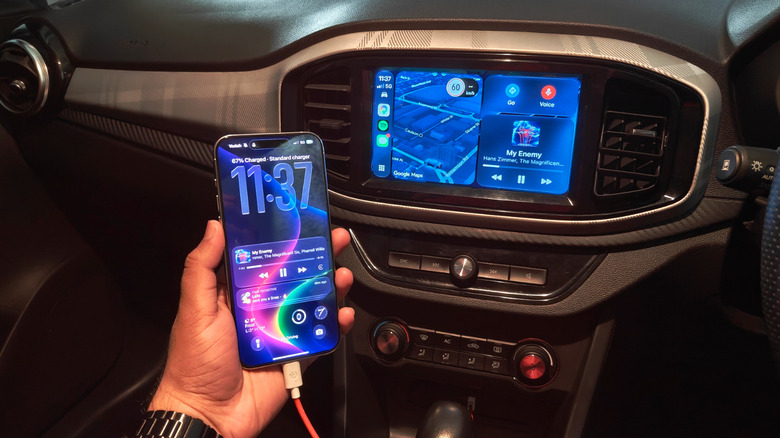
Such a profound evolution would undoubtedly impact the wired vs. wireless debate. A system so deeply embedded within the car’s architecture would inherently favor a robust, likely wireless, primary connection to the iPhone, with the vehicle itself managing much of the processing and display. The iPhone might act more as an authentication key, a source of data, and a personal profile manager, rather than the primary rendering device. This could further diminish the need for a physical cable for daily operation, though a USB port would likely remain for diagnostics, emergency charging, or specific high-bandwidth data transfers.
The implications for this future vision are vast. It suggests an even greater reliance on seamless wireless connectivity and sophisticated in-car hardware. It also raises questions about data privacy, vehicle control, and the balance between automotive manufacturer design and Apple’s user experience philosophy. As vehicles become more like rolling computers, the foundational connection between personal devices and the car’s intelligence will continue to evolve, with convenience and reliability remaining central to the user experience.
Conclusion: A Dynamic Choice for the Modern Driver
The choice between wired and wireless Apple CarPlay is not a matter of one being definitively "better" than the other in all circumstances, but rather a dynamic decision influenced by individual preferences, vehicle capabilities, and specific driving needs. Wired CarPlay stands as a testament to dependable performance, offering unmatched connection stability, optimal charging efficiency, and superior audio fidelity, making it ideal for long journeys, professional drivers, or audiophiles. Its simplicity and robust nature bypass many of the potential connectivity frustrations associated with wireless systems.
Conversely, wireless CarPlay embodies the pinnacle of convenience, providing a seamless, cable-free experience that prioritizes ease of use and a clutter-free cabin. For daily commutes, short trips, or multi-user vehicles, the automatic connection and flexibility of wireless operation are invaluable. The absence of physical cables aligns with modern design sensibilities and the pervasive expectation of effortless wireless technology.
Ultimately, the decision rests with the driver. Those prioritizing unwavering reliability, maximum charging speed, and uncompromised audio quality may find the wired connection to be the more suitable choice. For individuals who value instantaneous, hassle-free connectivity, a clean interior aesthetic, and the flexibility of untethered device placement, wireless CarPlay offers an unparalleled user experience. As automotive technology continues to advance and CarPlay further integrates into the fabric of the vehicle, the nuances of these connection types will continue to shape how drivers interact with their cars, ensuring that personal preferences remain at the forefront of in-car digital engagement.