admin
admin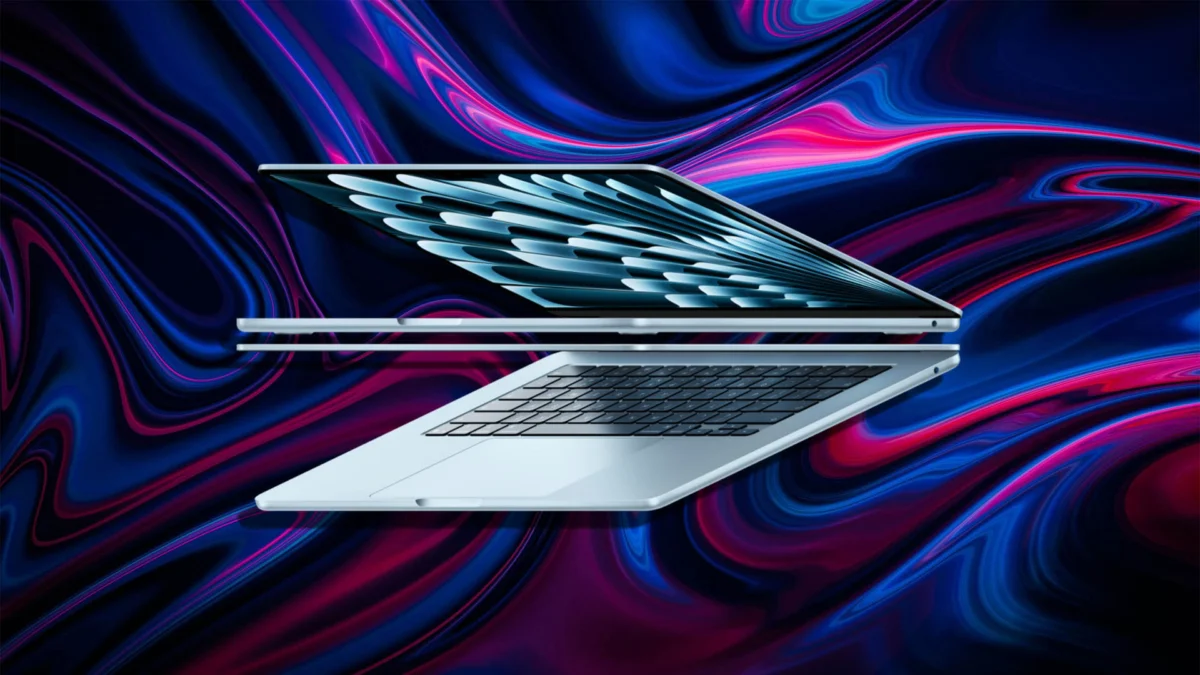
The consumer electronics market has reached a critical juncture where high-performance computing meets ultra-portable design, and the latest retail developments on Amazon indicate a significant shift in the accessibility of Apple’s most advanced consumer laptop. For a limited window, the premium M5 MacBook Air, equipped with a robust 24GB of unified RAM and a 1TB solid-state drive (SSD), has seen a price reduction to $1,649.99, marking a $150 discount from its standard retail price. While price fluctuations are common in the e-commerce landscape, this specific markdown arrives at a moment of heightened tension within the global semiconductor supply chain, specifically regarding the availability of Dynamic Random-Access Memory (DRAM). Industry analysts suggest that this discount may represent one of the last opportunities for consumers to secure high-specification hardware before projected shipment delays and potential price hikes take effect later in the fiscal year.
Technical Architecture of the M5 Silicon
At the core of the discounted 13.6-inch MacBook Air lies the M5 chip, the latest iteration of Apple’s proprietary silicon. Built on a refined 3-nanometer process, the M5 represents a significant architectural leap over the previous M3 and M4 iterations. The chip features a sophisticated combination of high-performance cores and high-efficiency cores, designed to balance intensive workloads with the thermal constraints of a fanless, silent chassis.
The M5’s Neural Engine has been specifically optimized for the "Apple Intelligence" era. With increased operations per second (TOPS), the silicon is engineered to handle localized Large Language Models (LLMs) and generative AI tasks without relying heavily on cloud-based processing. This hardware acceleration is critical for features such as real-time language translation, advanced image manipulation, and predictive text algorithms that are becoming standard in modern productivity suites.
Furthermore, the graphics processing unit (GPU) within the M5 incorporates hardware-accelerated ray tracing and mesh shading. These features, previously reserved for "Pro" designated hardware, allow the MacBook Air to handle professional-grade video rendering in Final Cut Pro and complex 3D modeling in applications like Blender with unprecedented fluidity for a device of its thickness.
The Critical Role of 24GB Unified RAM and 1TB Storage
The specific model currently on sale features 24GB of high-bandwidth unified RAM. In Apple’s Unified Memory Architecture (UMA), the CPU and GPU share a single pool of high-speed memory, which drastically reduces latency compared to traditional systems where data must be copied between separate pools. As software requirements for creative professionals and software developers continue to escalate, 16GB is increasingly viewed as the baseline, making the 24GB configuration the "sweet spot" for future-proofing.
This memory capacity is particularly vital for users who maintain dozens of browser tabs alongside memory-intensive applications like Adobe Creative Cloud or Docker containers. When the system runs out of physical RAM, it resorts to "swapping" data to the SSD, which, while fast, is significantly slower than RAM and can lead to long-term wear on the storage drive. By opting for 24GB, users effectively mitigate this bottleneck, ensuring the machine remains responsive under heavy multitasking.
Complementing the memory is a 1TB PCIe NVMe Gen 4 SSD. In an era of 4K video files and massive software libraries, 1TB provides the necessary overhead for long-term use. The read and write speeds of this drive allow for near-instantaneous file transfers and system boot times, further enhancing the "instant-on" experience that has defined the MacBook line since its transition to ARM-based architecture.
Global Supply Chain Pressures: The DRAM Shortage
The urgency surrounding the current Amazon offer is fueled by reports from the semiconductor industry regarding a tightening supply of DRAM. Several factors have converged to create a challenging environment for hardware manufacturers. The surge in demand for Artificial Intelligence servers, led by companies like Nvidia, has forced major memory fabricators such as Samsung, SK Hynix, and Micron to reallocate production capacity toward High Bandwidth Memory (HBM).
This shift in production focus has left a vacuum in the supply of standard LPDDR5X memory, which is the variety utilized in the MacBook Air. Analysts from various market research firms have indicated that if the DRAM shortage persists through the next two quarters, Apple may face a choice between increasing retail prices to cover rising component costs or extending shipping lead times significantly.
Historically, Apple’s tight control over its supply chain has shielded it from the worst of market volatility, but even the tech giant is not immune to global raw material shortages. Consequently, the current availability of the Sky Blue 24GB/1TB model at a discounted rate is being viewed by market observers as a strategic move to clear existing inventory before the supply chain constraints begin to impact the consumer-facing market.

Chronology of the MacBook Air Evolution
To understand the significance of the M5 MacBook Air, one must look at the trajectory of the product line over the last five years:
- November 2020: Apple introduces the M1 MacBook Air, abandoning Intel processors and doubling battery life while introducing a fanless design.
- June 2022: The M2 MacBook Air debuts with a complete chassis redesign, introducing the "notch" display, MagSafe 3 charging, and a more squared-off aesthetic.
- March 2024: The M3 model launches, bringing support for dual external displays (when the lid is closed) and enhanced Wi-Fi 6E connectivity.
- Late 2024 / Early 2025: The M5 series enters the market, focusing heavily on AI integration, Wi-Fi 7 support, and the standardization of higher memory tiers to support Apple Intelligence.
This evolution demonstrates a clear trend: the MacBook Air is no longer merely an "entry-level" laptop for students. With the M5 iteration, it has effectively encroached on the territory once held by the 13-inch and 14-inch MacBook Pro, offering comparable performance for all but the most sustained, heat-generating tasks.
Display and Multimedia Enhancements
The hardware experience is rounded out by a 13.6-inch Liquid Retina display. Supporting 500 nits of brightness and the P3 wide color gamut, the screen provides the color accuracy required by photographers and digital illustrators. True Tone technology adjusts the white balance of the display to match the ambient light of the environment, reducing eye strain during extended work sessions.
Communication hardware has also seen a notable upgrade. The 12MP Center Stage camera utilizes machine learning to keep the user centered in the frame during video calls, even as they move around the room. This is paired with a three-microphone array that uses beamforming to isolate the user’s voice from background noise. The four-speaker sound system, integrated into the hinge area, supports Spatial Audio and Dolby Atmos, providing a surprisingly wide soundstage for such a thin device.
Market Analysis and Competitive Landscape
The M5 MacBook Air faces stiff competition from the burgeoning "Copilot+ PC" category, which features laptops running Windows 11 on Qualcomm’s Snapdragon X Elite and X Plus chips. These Windows-based competitors have made significant strides in battery life and NPU performance, challenging Apple’s dominance in the power-per-watt category.
However, Apple’s ecosystem integration remains a formidable moat. The ability to use Universal Control to share a mouse and keyboard with an iPad, or to use an iPhone as a high-end webcam via Continuity Camera, provides a level of cohesion that the Windows/Android ecosystem has yet to fully replicate. Furthermore, the resale value of MacBook Air models remains among the highest in the industry, making the initial investment—especially when discounted—more palatable for long-term owners.
Broader Economic Implications
From a broader economic perspective, the $150 discount on Amazon reflects the aggressive competition in the premium laptop segment during a period of fluctuating consumer spending. Retailers are keen to maintain volume, and high-margin products like the 24GB RAM MacBook Air offer the most flexibility for promotional pricing.
For Apple, the success of the M5 line is crucial for maintaining its "Services" revenue growth. Every MacBook sold represents a new or returning user for iCloud, Apple Music, and the Mac App Store. By making the high-end configurations more accessible through retail partners, Apple ensures that its most capable hardware is in the hands of users who are most likely to engage with professional software and subscription services.
Conclusion and Outlook
The M5 MacBook Air with 24GB of RAM and a 1TB SSD represents the current pinnacle of portable computing for the general consumer and the mobile professional. The intersection of a rare $150 discount and a looming global DRAM shortage creates a unique market condition. While the Sky Blue finish is the only variant currently seeing this specific 8% price cut, it remains one of the most popular aesthetic choices in the lineup.
As the industry moves deeper into 2025, the focus will likely shift toward how Apple manages its inventory in the face of supply chain headwinds. For now, the Amazon offer provides a tangible entry point for those seeking to bypass the performance limitations of base-model hardware while securing a machine that is equipped to handle the next half-decade of software evolution. With Wi-Fi 7, 18 hours of battery life, and the formidable M5 chip, this configuration of the MacBook Air is positioned not just as a laptop, but as a long-term productivity investment.