Vera Intan Clara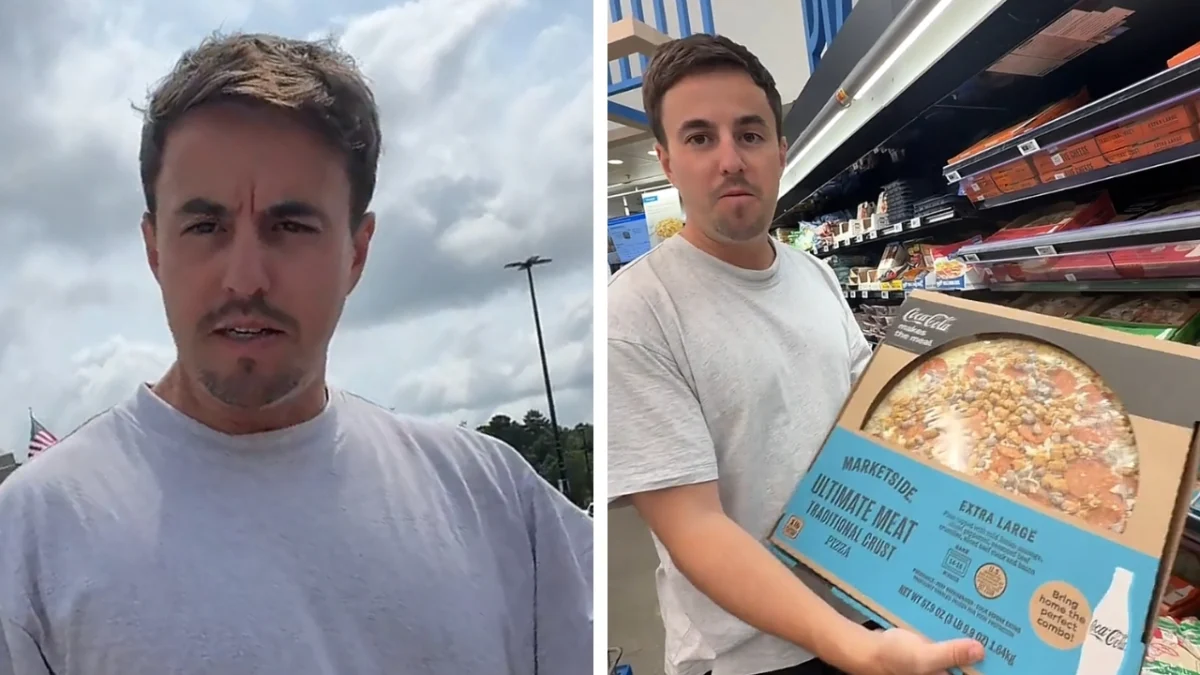
A recent video posted on TikTok, featuring an American woman’s British boyfriend experiencing Walmart for the first time, has garnered significant global attention, drawing over 540,000 views and nearly 50,000 likes. The footage, uploaded by user @taylaajacksonn, meticulously documents the London native’s "overstimulated" reaction to the sheer scale, unusual product offerings, and distinct retail practices of the quintessential American superstore, sparking a broader conversation about transatlantic consumer habits and cultural differences in everyday life.
The Walmart Phenomenon: A Cultural Overview
Walmart, founded in 1962 by Sam Walton, stands as the world’s largest company by revenue, a retail behemoth that has profoundly shaped American consumer culture. With thousands of stores across the United States, it serves as a one-stop shop for everything from groceries and electronics to apparel and automotive supplies, often embodying the concept of "big box" retail. Its vast aisles, competitive pricing, and extensive product range are deeply embedded in the American shopping experience, particularly in suburban and rural areas where its presence is often dominant. For many Americans, a trip to Walmart is a routine errand, a commonplace activity that rarely elicits surprise.
In contrast, the United Kingdom’s retail landscape, while featuring large supermarket chains like Tesco, Sainsbury’s, and Asda (which was, notably, owned by Walmart from 1999 to 2021), generally operates on a different scale. British supermarkets, while comprehensive, often feature smaller store footprints, more compact product packaging, and a shopping culture that frequently involves more frequent, smaller trips rather than massive weekly hauls. This divergence in retail philosophy and consumer habit forms the foundational context for the British visitor’s profound sense of bewilderment. The video effectively captures the immediate culture shock experienced when an individual accustomed to the European retail model is suddenly immersed in the distinctly American superstore environment.
A Journey into American Retail: Chronology of Discovery
The couple’s shopping expedition commenced at the entrance, where the first minor cultural hurdle presented itself: the shopping cart, or "buggy" as it’s often called in parts of the U.S. The British boyfriend was visibly surprised to discover that carts could simply be pulled out of their stack without the need for a coin deposit, a common practice in the UK designed to encourage their return and prevent abandonment. This seemingly minor detail immediately set the tone for a series of escalating observations that would characterize his entire visit.
The Scale of American Provisions: Meats and Pizzas
Their journey deeper into the store quickly led to the meat section, where the concept of American portion sizes became strikingly apparent. The man’s reaction to a nearly foot-long, rolled piece of meat, weighing a staggering 160 ounces (approximately 4.5 kilograms), was one of disbelief. He held it up, comically comparing its length to his arm, and questioned what single meal or family would necessitate such an immense quantity. This observation underscores a significant difference in culinary and purchasing habits. In the UK, while larger family packs exist, such a singularly massive cut of meat is uncommon in standard supermarket aisles, with consumers typically buying smaller, pre-portioned cuts or visiting a butcher for specialized requests.
Similar astonishment was expressed regarding the size of pizzas. American supermarket pizzas are often designed to cater to large families or gatherings, frequently exceeding the dimensions of standard British household ovens. This discrepancy in appliance and product sizing further highlights the difference in household consumption patterns and the general availability of larger-scale goods in the U.S.
Unfamiliar Packaging: The Mystery of Bagged Cereal
Perhaps one of the most unexpected discoveries for the British visitor was the concept of "bagged cereal." In the UK, cereal is almost exclusively sold in cardboard boxes, often with an inner plastic bag for freshness. The idea of cereal being sold solely in a large, standalone plastic bag, without an accompanying box, was entirely foreign to him. He held one in his hands, appearing genuinely "befuddled" by its presentation, a testament to how deeply ingrained packaging norms are within specific consumer cultures. Bagged cereal in the U.S. is often a more economical option, typically found for store brands or larger family-sized portions, reflecting a drive for cost efficiency and reduced packaging waste for manufacturers, which may not translate directly into UK retail practices.
Curious Combinations and Security Protocols
As the couple continued through the aisles, the boyfriend’s observations became more pointed, moving beyond mere size to the very nature of American product offerings and retail logic. He expressed confusion over "combined dips," questioning the necessity of pre-mixed sauces when individual components are readily available. "Why does it have to be together, all the time?" he pondered, reflecting a preference for separate, perhaps more customizable, culinary elements. This might subtly point to differences in convenience culture or food preparation habits between the two nations.
A particularly insightful observation came when he noted the security measures within the store. He pointed out that expensive items like televisions and other large appliances were openly displayed, accessible to shoppers. Yet, surprisingly, more modest items, specifically underwear, were kept locked away in glass casings, requiring staff assistance for purchase. This inversion of perceived value and security protocols struck him as illogical, revealing divergent approaches to loss prevention and inventory management. In many U.S. retail environments, smaller, easily concealed, and high-turnover items like certain apparel, health and beauty products, or even infant formula are often secured due to high rates of shoplifting, whereas large, bulky electronics are less prone to casual theft due to their size and visibility.
Broader Observations and Departure
Throughout the remainder of their trip, the British boyfriend continued to react to various elements, including the vast array of drinks, the specific wording on product labels, and the sheer variety of salad dressings. Each new discovery seemed to add to his state of "overstimulation," a term his girlfriend used to describe his overwhelmed demeanor as he pushed their buggy.
The shopping trip eventually concluded with checkout. His parting comment, delivered with a mix of exasperation and amusement, encapsulated his entire experience: "Successful trip? The hell do you guys eat?" This rhetorical question, delivered after witnessing the full spectrum of American supermarket offerings, perfectly summarizes the cultural chasm he had just navigated.
Beyond the Aisle: Data and Consumer Behavior
The reactions documented in the TikTok video are not merely anecdotal; they touch upon demonstrable differences in consumer behavior and market structures between the U.S. and the UK.
Portion Sizes and Consumer Trends: The "supersize" phenomenon is well-documented in American consumer culture, extending beyond fast food to grocery items. Research indicates that average portion sizes for many food items in the U.S. have increased significantly over decades. This trend is driven by a complex interplay of factors, including consumer demand for value, marketing strategies that encourage larger purchases, and the prevalence of larger household appliances (like oversized refrigerators and freezers) designed to accommodate bulk buying. For instance, the average American household size, while declining, still often leads to purchasing larger quantities for weekly shopping trips, often facilitated by car travel and larger vehicles capable of transporting substantial grocery loads. This contrasts with many European countries, including the UK, where smaller vehicle sizes, more urbanized living, and a greater emphasis on daily fresh shopping trips can influence smaller purchase quantities.
Retail Security Practices: The boyfriend’s observation about locked underwear versus open electronics highlights differing retail security strategies. Loss prevention data often indicates that smaller, easily concealable items with broad appeal, like certain apparel or personal care products, are frequently targeted for theft. Retailers assess risk based on product type, value, and ease of concealment. While large electronics are valuable, their bulk makes them less attractive for opportunistic shoplifting compared to smaller, high-demand items that can be quickly pocketed or discreetly removed from the store. This pragmatic approach to security, while appearing counterintuitive to an outsider, is based on extensive retail data and analysis of theft patterns.
Packaging Innovations and Cost Efficiency: The concept of "bagged cereal" is a prime example of how retailers and manufacturers seek cost efficiencies. By eliminating the cardboard box, companies can reduce material costs, transportation weight, and shelf space requirements, often passing some of these savings onto consumers. While less common in the UK, similar bulk packaging strategies exist in other product categories globally. Its relative obscurity in British mainstream cereal aisles underscores how specific market preferences and established norms can dictate packaging choices.
The Echo Chamber of TikTok: Public and Inferred Reactions
The virality of @taylaajacksonn’s video was significantly amplified by the widespread agreement and amusement expressed by other TikTok users, particularly those from the UK. The comments section became a forum for shared experiences of transatlantic culture shock. One user articulated the challenge of American portion sizes, stating, "That pizza wouldn’t even fit in a British oven." Another echoed the sentiment of general astonishment, commenting, "I’m from the UK, and this is INSANE to me." A third user succinctly summarized the feeling, noting, "The sheer size of some of that stuff blows my UK mind…" These reactions demonstrate a collective recognition of the vast differences in retail scale and product offerings, confirming that the boyfriend’s "overstimulated" response was not an isolated incident but a common sentiment among British visitors to American supermarkets.
Conversely, for American viewers, the video likely served as a humorous mirror, reflecting aspects of their daily lives that they rarely consider remarkable. The sheer normalcy of these items and practices for U.S. consumers highlights the deep-seated nature of these cultural differences. The video, therefore, acted as a cross-cultural interpreter, allowing both sides to glimpse the familiar through unfamiliar eyes.
Implications: Bridging the Transatlantic Shopping Divide
The viral TikTok video, while lighthearted, offers valuable insights into several broader implications:
Cultural Exchange through Social Media: The incident powerfully illustrates the role of social media platforms like TikTok in facilitating rapid and visually engaging cultural exchange. What might once have been a private anecdote shared among friends is now instantly broadcast to a global audience, fostering understanding, amusement, and discussion across national borders. Such content provides accessible windows into daily life in different countries, bridging geographical and cultural divides.
Economic and Lifestyle Differences: The disparities observed in Walmart—from product sizes to security protocols—are not arbitrary; they reflect underlying economic structures, lifestyle choices, and demographic realities. The American emphasis on convenience, bulk purchasing, and often car-dependent shopping trips contrasts with a more compact, often walk- or public transport-friendly shopping experience in many parts of the UK. These retail environments are tailored to the distinct demands and habits of their respective populations, influenced by factors like average household income, housing size, and transportation infrastructure.
The Globalized vs. Localized Consumer Experience: Despite the increasing globalization of brands and products, the video demonstrates that fundamental differences in consumer experience persist at the granular level of grocery shopping. While major brands may be recognized internationally, their presentation, packaging, and scale are often meticulously localized to meet specific market demands and cultural expectations. This highlights that "globalization" is not a monolithic force, but rather a complex process of adaptation and negotiation between universal appeal and local specificity.
In conclusion, the British man’s viral Walmart experience is more than just a humorous clip; it is a vivid, real-time ethnographic study of transatlantic consumer culture. It underscores how deeply ingrained everyday shopping habits are, and how even seemingly mundane elements of a retail environment can become profound sources of cultural shock and fascination when viewed through an unfamiliar lens. The video serves as a compelling reminder of the rich tapestry of global cultures, continually revealed and explored through the pervasive reach of social media.