Vera Intan Clara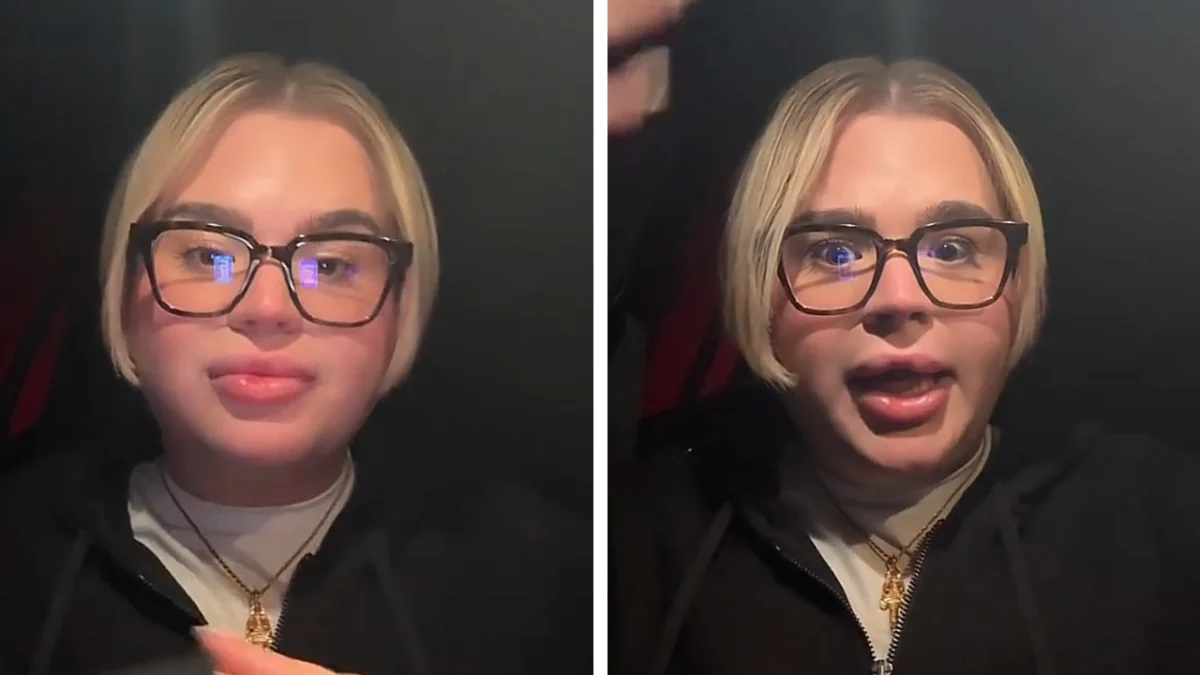
A woman’s first date experience, shared on TikTok, has rapidly gained traction across social media platforms, drawing nearly 800,000 views and igniting a significant conversation about online dating safety, personal boundaries, and the recognition of "red flag" behaviors. The incident, recounted by content creator @444austin, details a sequence of unsettling events that unfolded during a Tinder match’s initial in-person meeting, prompting widespread concern among viewers who praised her for her safety and encouraged caution in the digital dating landscape.
The narrative, described by the TikToker as one of the "worst dates" of her life and an "insane story," meticulously outlines the progression from initial online interaction to an alarming face-to-face encounter. Her account serves as a cautionary tale, illustrating how seemingly minor discomforts can escalate into deeply concerning situations, challenging the perceived safety of dating apps and underscoring the critical importance of intuition and self-preservation.
The Genesis of the Encounter: From App to Alarm
The chronology of events began shortly after @444austin matched with a man on Tinder. Their initial interactions, conducted via text messaging, quickly presented the first subtle indicators of problematic behavior. According to her account, the man became "adamant" when she did not respond to his messages immediately, displaying an early sign of impatience and a demand for immediate attention that can often precede more controlling tendencies. This insistence, even in the nascent stages of communication, stood out to her in retrospect.
During these early conversations, the man requested she add him on Snapchat. @444austin, who had previously deleted her Snapchat and Instagram accounts to disengage from certain social media platforms, explained her situation. In an effort to maintain communication, and perceiving no immediate threat, she then provided him with her personal phone number. This exchange highlights a common dilemma in online dating: balancing the desire for connection with the need to protect personal information and privacy, particularly when faced with persistent requests from a new acquaintance. While sharing a phone number is a standard step, the context of the man’s earlier insistence on Snapchat added a layer of subtle pressure.
The Illusion of Security: Planning the First Date
Despite these initial, albeit minor, points of friction, the woman initially reported no significant "red flags." The man soon expressed a strong desire to meet in person, proposing a movie date. She agreed, and preparations for what would become her "worst date" commenced. A detail she specifically noted was the man’s verified status on Tinder, which she felt provided a superficial sense of security. Dating app verification processes, often involving photo verification or linking social media accounts, are designed to enhance trust and reduce the prevalence of fake profiles. However, as this story illustrates, such verification pertains to identity, not necessarily to character or behavior, and can inadvertently foster a false sense of security.
They agreed upon a movie, date, and time. However, the plan took an unexpected turn shortly before their scheduled meeting. The man called, citing car trouble, and requested that she pick him up instead. This sudden alteration of plans, which placed the onus of transportation entirely on her and required her to drive to an unknown location for pickup, was immediately recognized by @444austin as a significant "red flag." Despite her discomfort, and against her better judgment, she decided to proceed with the date. Her decision underscores the complex pressures individuals face in early dating stages, often balancing a desire to be accommodating with an emerging sense of unease. To mitigate some risk, she opted not to go to his location for pickup, instead agreeing to meet separately, as originally planned, an hour before the movie. This adaptation demonstrated an attempt to reclaim some control and prioritize her safety, even while proceeding with the altered arrangement.
The Escalation of Discomfort: In-Car Confrontations
Upon meeting, they sat in her car, engaging in conversation. It was during this period that the interaction began to unravel more significantly. The TikToker, committed to transparency regarding her health, mentioned that she had a cold sore and expressed her concern that it might be herpes. Her decision to be upfront about a personal health matter reflects a commendable commitment to honesty and ethical dating practices.
The man’s reaction, however, was immediately troubling. Despite being informed of her health concern, he claimed not to mind and expressed a continued desire to kiss her, asking for consent. While asking for consent is fundamentally appropriate, the context here became problematic. In the midst of their moment, the woman felt an escalating sense of discomfort and pulled away, attempting to change the subject. This act of disengagement was a clear boundary, yet the man persisted.
Despite her overt attempts to redirect the conversation and signal her discomfort, the man continued making advances toward her. When she finally confronted him about his persistence and disregard for her evident discomfort, he explicitly stated his "expectation." This assertion of an "expectation" after she had already communicated her boundaries is a classic example of coercive behavior, attempting to bypass consent by creating an obligation. Further escalating the situation, he tried to persuade her to move to a less-lit parking spot, a suggestion that immediately heightened her alarm given the preceding events. She reported feeling pressured and that he attempted to make her feel guilty for saying no, a manipulative tactic designed to erode her confidence and self-assertion.
The culmination of the alarming behaviors occurred when the man reportedly "joked" about harming her and taking her car. While he presented it as a joke, the statement instilled profound fear and significantly increased her caution. Such comments, regardless of intent, are deeply unsettling and can be perceived as veiled threats, contributing to an environment of intimidation. The date ultimately concluded with her crying, a testament to the emotional distress and fear she experienced, before she managed to leave safely. The encounter left her resolute in her decision not to see him again.
Broader Implications: Online Dating Safety in Focus
The viral nature of @444austin’s story, which garnered nearly 800,000 views, underscores a pervasive concern regarding safety within the online dating ecosystem. Commenters flooded her post with messages of support and shared similar experiences, validating her feelings and reinforcing the collective understanding of "stranger danger." Phrases like "He’s a stranger! Stranger, danger!" became common refrains, serving as stark reminders for others to exercise extreme caution when navigating dating apps.
Understanding the Landscape of Online Dating Risks
The proliferation of dating apps like Tinder, Bumble, Hinge, and others has revolutionized how individuals meet and form connections. While these platforms offer unprecedented access to potential partners, they also introduce inherent risks. Studies and user surveys consistently highlight concerns about safety. For instance, a 2020 study by the Pew Research Center found that 57% of women ages 18 to 34 reported being sent sexually explicit images they didn’t ask for, and 19% reported being physically threatened. While not all encounters escalate to such extremes, the data indicates a significant prevalence of uncomfortable or threatening experiences.
Common "red flags" often reported by users and recognized by safety experts include:
- Insistence and Pressure: Demanding immediate replies, pushing for personal contact information prematurely, or pressuring for a physical meeting.
- Controlling Behavior: Attempts to dictate choices, guilt-tripping, or disregarding stated boundaries.
- Inconsistencies: Discrepancies between their profile and their conversation, or sudden changes in plans that benefit them.
- Love Bombing/Excessive Compliments: While seemingly flattering, can sometimes be a tactic to quickly gain trust and affection.
- Isolation Tactics: Suggesting meeting in secluded locations or discouraging communication with friends.
- Disregard for Consent: Persisting in physical advances after a clear "no" or showing discomfort.
- Threatening Language: Even if framed as a "joke," any mention of harm, theft, or violence is a serious warning sign.
Recommendations from Safety Experts and Platforms
Dating app companies have invested in various safety features, including photo verification, in-app messaging, block and report functions, and safety centers with advice. Tinder, for example, provides a Safety Center accessible directly within the app, offering resources and tips. However, these tools are only as effective as user engagement and vigilance.
Online safety advocates and law enforcement agencies routinely issue guidelines for safe dating practices:
- Meet in Public Places: Always choose well-lit, populated public locations for first dates.
- Inform a Trusted Friend or Family Member: Share details of your date, including the person’s name, where you’re going, and when you expect to be home. Consider sharing your live location.
- Arrange Your Own Transportation: Maintain independence by arranging your own way to and from the date. Avoid being picked up by or riding with a new acquaintance, especially on a first date.
- Trust Your Gut: If something feels off, it probably is. Do not rationalize uncomfortable feelings.
- Set Clear Boundaries: Communicate your boundaries early and firmly. If they are not respected, end the interaction.
- Have an Exit Strategy: Plan in advance how you would leave if you feel uncomfortable or unsafe. This could involve pre-arranged texts to a friend, or an excuse to leave.
- Limit Alcohol Consumption: Maintaining full awareness is crucial for personal safety.
- Do Not Share Excessive Personal Information: Avoid revealing your home address, workplace, or other sensitive details until you’ve established a higher level of trust.
- Report Concerning Behavior: Utilize the reporting features on dating apps to flag users who exhibit harassment, threats, or other inappropriate conduct.
The Role of Social Media in Raising Awareness
The incident shared by @444austin exemplifies the power of social media platforms like TikTok in disseminating personal experiences and fostering collective awareness. What might have once been a private, distressing experience is now a widely discussed public lesson. These viral narratives serve as vital educational tools, prompting individuals to reassess their own safety protocols and encouraging a more critical approach to online interactions. They also empower victims to share their stories, find validation, and contribute to a broader dialogue about consent, boundaries, and respectful conduct in dating.
Conclusion: A Call for Vigilance and Empowerment
The harrowing account from @444austin is more than just a personal anecdote; it is a stark reminder of the potential vulnerabilities inherent in online dating. While dating apps offer exciting possibilities for connection, they also necessitate a heightened sense of vigilance and personal responsibility. The escalation of "red flags" in this particular incident—from demanding communication to disregarding consent and making veiled threats—serves as a critical case study for understanding predatory behaviors.
Ultimately, the story emphasizes the paramount importance of trusting one’s intuition, establishing firm boundaries, and prioritizing personal safety above all else. The collective reaction on TikTok highlights a shared recognition of these dangers and a communal desire to foster safer online and offline dating environments. While dating platforms continue to refine their safety measures, the responsibility for navigating these interactions safely largely rests with individual users, armed with awareness, caution, and an unwavering commitment to their well-being.
The Daily Dot was unable to independently verify the details of the date described by @444austin. The story is based solely on her account shared in a TikTok video.