Vera Intan Clara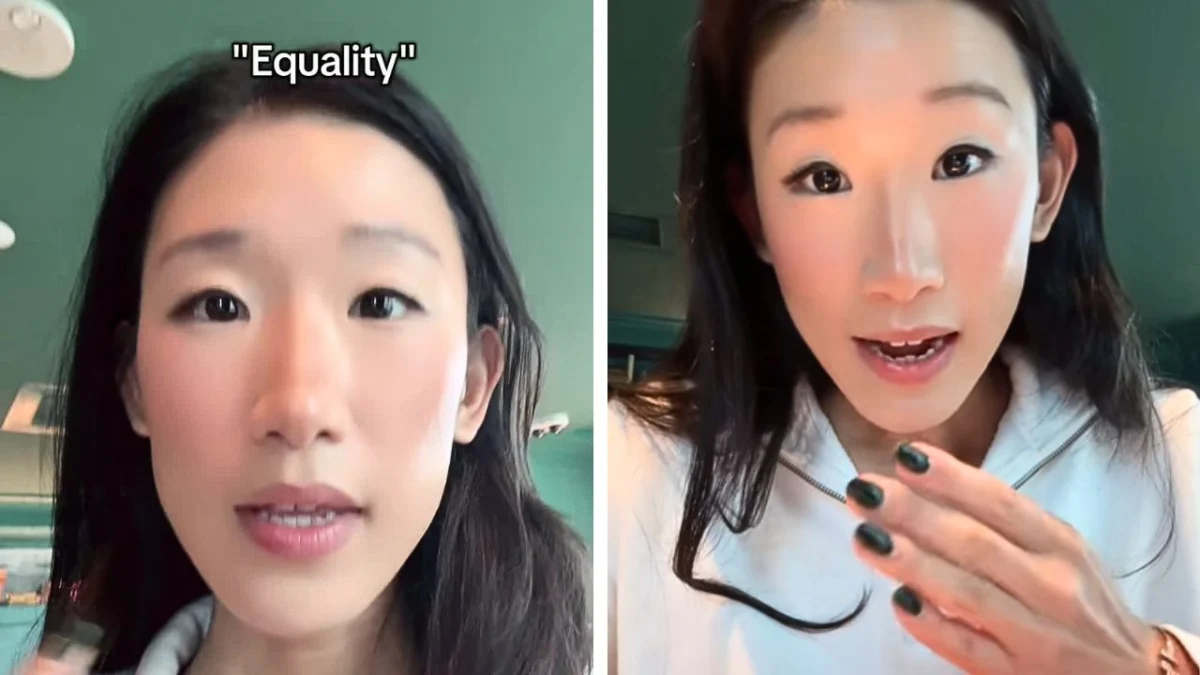
A recent TikTok video featuring billionaire influencer Becca Bloom has ignited a far-reaching debate across social media platforms regarding financial expectations in dating, the complexities of gender equality, and the underlying societal structures that influence personal relationships. Bloom, who commands a significant following under the handle @beccaxbloom, controversially argued that men should consistently pay the bill on dates, a stance that quickly garnered approximately 1.4 million likes and millions more views, sparking an intense online discourse among her vast audience and beyond. The video challenges conventional notions of 50-50 bill splitting, proposing a nuanced interpretation of equality rooted in historical context, economic disparities, and personal safety concerns.
The Genesis of the Debate: A Billionaire’s Stance
Becca Bloom, known for her lifestyle content and significant personal wealth, leveraged her platform to articulate a perspective that, while provocative, resonated with a substantial segment of her viewership. Her core argument posits that true equality in dating does not equate to an identical 50-50 division of costs, particularly in a society where systemic gender inequalities persist. This bold assertion, delivered through the accessible medium of TikTok, propelled a traditionally private aspect of dating etiquette into the public consciousness, inviting scrutiny, agreement, and vigorous dissent from diverse corners of the internet. The video’s virality underscored the ongoing societal grappling with evolving gender roles and financial dynamics within modern relationships, particularly as younger generations navigate these expectations in a digital age.
Unpacking the Argument: Inequality, Economics, and Safety
Bloom’s argument is multifaceted, drawing on several key pillars to support her position. Firstly, she asserts that "women live in a society where equality has never existed in the first place," implying that contemporary dating practices cannot be viewed in isolation from a long history of gender-based disparities. This historical lens suggests that a simple 50-50 split might inadvertently perpetuate existing inequities rather than foster genuine fairness.
Secondly, Bloom highlights the persistent gender pay gap as a primary economic factor. She claimed that women earn "80% of what a man makes for the same full-time job," suggesting that an equal financial contribution places a disproportionate burden on women due to their lower average earnings. This economic disparity, she argues, makes a 50-50 split fundamentally inequitable.
Thirdly, Bloom introduced the concept of "additional expenses related to dating" faced by women, specifically citing significant outlays on grooming and beauty. She estimated these costs could amount to approximately $400 a month, directly linking them to social expectations and the pressure women often feel to conform to certain appearance standards when dating. This "beauty tax" is presented as a hidden cost of participation in the dating market for women.
Finally, personal safety forms a crucial, and often overlooked, component of her argument. Bloom noted that women face a greater risk of violence from individuals they date, pointing to common precautionary measures such as sharing their location with friends or carrying personal safety items. This heightened vulnerability, she implies, adds another layer of responsibility and concern for women, which should factor into the broader understanding of equitable dating dynamics.
The Gender Pay Gap: Nuance and Data
Bloom’s assertion regarding the gender pay gap, while broadly reflecting a recognized economic reality, prompted closer examination. While she cited an 80% figure for "the same full-time job," the U.S. Bureau of Labor Statistics (BLS) typically measures the gender pay gap by comparing median earnings of all full-time working men and women, rather than those in identical positions. According to the BLS, in 2023, women’s median usual weekly earnings were 83.6 percent of men’s. This distinction is crucial because comparing median earnings across all jobs captures a broader picture of systemic inequalities, including occupational segregation (women being concentrated in lower-paying fields) and differences in career progression, rather than solely focusing on direct wage discrimination within the same role.
Economists and sociologists frequently point to several contributing factors to this persistent gap:
- Occupational Segregation: Women are disproportionately represented in lower-paying industries and occupations (e.g., care work, education), while men dominate higher-paying fields (e.g., STEM, finance).
- Career Interruptions: Women are more likely to take time off work for childcare and eldercare responsibilities, impacting their career advancement and earning potential over a lifetime.
- Discrimination: Explicit or implicit bias in hiring, promotion, and salary negotiation can still contribute to wage disparities.
- Negotiation Differences: Studies suggest women may negotiate salaries less frequently or effectively than men, though this itself can be influenced by societal expectations and potential penalties for assertive behavior.
- Hours Worked: While Bloom specified "full-time job," men, on average, tend to work slightly longer hours, which can also contribute to overall earnings differences.
These nuances highlight the complexity of the pay gap, suggesting it is not solely a matter of unequal pay for identical work but a reflection of broader societal and structural issues that affect women’s economic standing.
The "Beauty Tax" and Dating Expenses
The "beauty tax" argument resonated strongly with many female commenters. Bloom’s estimate of $400 per month for grooming and beauty expenses underscores a tangible financial burden often borne by women due to societal pressures to maintain specific aesthetic standards, particularly in dating contexts. This can include costs for makeup, skincare, haircare, manicures, waxing, clothing, and even gym memberships, all driven by the implicit or explicit expectation of presenting a certain image. Research by various consumer advocacy groups and sociological studies often confirm that women, on average, spend significantly more on personal care products and services than men. This isn’t merely about personal choice but often about navigating social and professional environments where appearance is scrutinized, and conforming to beauty ideals can impact perceptions of competence, attractiveness, and even trustworthiness. The cost of this conformity, therefore, becomes a hidden, yet significant, investment for women participating in the dating market.
Personal Safety: An Underlying Concern
Bloom’s inclusion of personal safety risks for women in dating further deepens the conversation. Statistics from organizations like the National Coalition Against Domestic Violence (NCADV) and the Rape, Abuse & Incest National Network (RAINN) consistently show that women face a significantly higher risk of experiencing domestic violence, sexual assault, and stalking, often perpetrated by current or former intimate partners. The psychological and physical toll of these risks is immense. Consequently, many women routinely employ safety measures, such as sharing their location with trusted friends, carrying self-defense items, or communicating their whereabouts when meeting new people. This constant vigilance, driven by a legitimate fear for their safety, represents an emotional and cognitive burden that is largely absent for men in similar dating scenarios. Bloom’s argument suggests that this unequal burden of safety should be acknowledged and factored into the broader understanding of fairness in dating interactions, including financial ones.
The Digital Forum: Public Reaction and Counter-Arguments
The response to Bloom’s video on TikTok was immediate and polarized, reflecting the diverse perspectives within the digital public sphere.
Support for Bloom’s Stance:
Many commenters expressed strong agreement, often echoing Bloom’s sentiment that "her point is not invalid just because she’s rich." Users championed the concept of "equity," distinguishing it from mere equality. Equity, in this context, means providing resources and support based on individual needs and circumstances to achieve an equal outcome, rather than treating everyone identically. Supporters frequently pointed to additional financial burdens unique to women, such as:
- Menstrual Products: The recurring, unavoidable cost of tampons, pads, and other menstrual hygiene products.
- Motherhood Expenses: The immense financial and personal costs associated with pregnancy, childbirth, and raising children, which disproportionately fall on women.
- Professional Pressure: Several users highlighted the extra pressure women face to prove themselves professionally, often requiring additional education, networking, or unpaid labor to overcome biases and advance their careers.
These points collectively paint a picture of women facing a constellation of financial and social disadvantages that, in the view of Bloom’s supporters, justify men taking on the bill-paying responsibility on dates as a form of compensatory equity.
Critiques and Dissenting Voices:
Conversely, a significant portion of commenters challenged Bloom’s arguments, focusing on several key areas:
- Wage Gap Figures: Some users questioned the accuracy of Bloom’s 80% wage gap figure, emphasizing that differences in working hours, career choices, and educational attainment often contribute more significantly to earning disparities than direct discrimination. They argued that attributing the entire gap to sexism oversimplifies a complex economic issue.
- Bloom’s Wealth and Relatability: A common critique centered on Bloom’s status as a billionaire. Many felt that her extreme wealth rendered her perspective on bill-splitting, and financial burdens in general, unrelatable to the vast majority of people. The argument was that her personal financial situation insulates her from the very economic pressures she purports to address, making her an unsuitable advocate for the average woman.
- Individual Negotiation vs. Gendered Expectations: A substantial number of commenters argued against making financial expectations gender-specific. They advocated for open communication and negotiation between individuals in a relationship, suggesting that financial arrangements should be determined by mutual agreement, personal financial capacity, and shared values, rather than rigid gender roles. This perspective champions individual agency and rejects prescriptive gender norms in favor of personalized agreements.
Beyond the Bill: Broader Implications for Dating Dynamics
The debate sparked by Bloom’s video extends far beyond who pays for dinner. It touches upon fundamental questions about the nature of modern relationships, the lingering influence of traditional gender roles, and the ongoing struggle to achieve genuine equality in all spheres of life. The discussion highlights:
- The Evolving Landscape of Dating: As societal norms shift, so too do expectations within dating. The rise of social media platforms like TikTok has given voice to a multitude of perspectives, accelerating these conversations and challenging long-held traditions.
- The Role of Social Media in Social Commentary: Influencers, regardless of their background, now have unprecedented power to shape public discourse on sensitive topics. Bloom’s video demonstrates how a single piece of content can catalyze a global conversation, revealing deep-seated tensions and varied interpretations of complex social issues.
- Defining "Equality" vs. "Equity": Bloom’s concluding statement, "Equality isn’t identical treatment. Equality is balanced responsibility," encapsulates a critical distinction often discussed in social justice discourse. It prompts individuals to consider whether true fairness means treating everyone the same, or whether it requires accounting for historical disadvantages and differing needs to achieve a more just outcome. This philosophical underpinning informs much of the pro-Bloom commentary.
Navigating Modern Relationships: Equality vs. Equity
The crux of the debate lies in the interpretation of "equality." For some, equality in dating means an equal 50-50 split of all costs and responsibilities, reflecting a move away from traditional gender roles where men were expected to be providers. This view emphasizes individual autonomy and symmetrical contributions. For others, particularly those aligned with Bloom’s argument, equality is a more complex concept, demanding "equity." This perspective acknowledges existing societal imbalances—economic, social, and safety-related—and suggests that financial contributions should be adjusted to compensate for these disparities, thereby achieving a more balanced outcome overall.
This tension between identical treatment and balanced responsibility is not unique to dating but permeates discussions around gender roles in various contexts, from the workplace to domestic labor. The TikTok debate serves as a microcosm of this broader societal dialogue, forcing individuals to confront their own assumptions and values regarding fairness in interpersonal relationships.
Conclusion: An Ongoing Societal Dialogue
The controversy stirred by Becca Bloom’s TikTok video underscores the ongoing, multifaceted nature of discussions surrounding gender equality, financial dynamics, and personal safety in modern dating. While the Daily Dot was unable to independently verify all specific claims made in Bloom’s video, including precise figures on the gender pay gap and dating-related expenses, the discourse it generated is unequivocally real and significant.
The video, and the subsequent online debate, illuminate the enduring challenges of reconciling traditional expectations with contemporary calls for fairness. It highlights that for many, dating is not simply a personal interaction but an arena where broader societal inequalities play out. As individuals and society continue to navigate these complex issues, the conversation initiated by a billionaire influencer on TikTok serves as a powerful reminder that the path to true equality remains a journey of continuous dialogue, re-evaluation, and an evolving understanding of what it truly means to achieve "balanced responsibility" in relationships. The digital town square has once again proven its capacity to host, and amplify, these essential societal deliberations.