Evan Lee Salim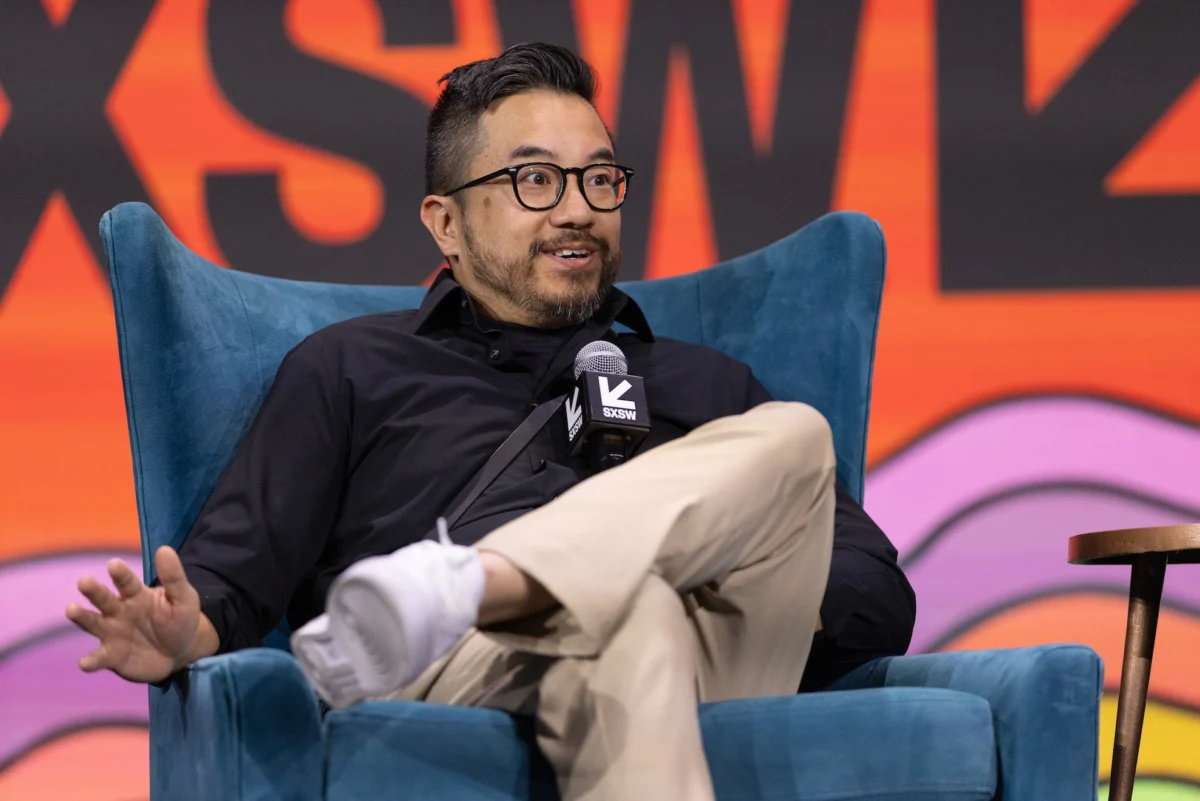
In a striking divergence from growing calls for stricter AI regulation, Garry Tan, CEO of the influential startup accelerator Y Combinator, has voiced a controversial stance: regulators should refrain from intervening in the practice of AI model distillation. Tan, a prominent figure in Silicon Valley, argues that not only should Chinese AI labs be permitted to extract knowledge from frontier models, but American labs should also be encouraged to adopt a similar approach, advocating for what he terms an "American distillation regime." This position directly challenges major frontier AI developers like Anthropic, who have recently escalated concerns over what they describe as "illicit distillation attacks."
The Core of the Debate: Understanding AI Distillation
At the heart of this contentious discussion lies "distillation," a widely recognized and legitimate technique in machine learning. Distillation involves a "student" model learning from a more powerful, often larger, "teacher" model. This process typically entails the student model extensively prompting the teacher model to understand its underlying mechanisms, reasoning capabilities, and patterns of response. The goal is often to create a smaller, more efficient, or specialized model that retains much of the performance of the larger model, making it cheaper to run and easier to deploy for specific tasks. It is a common practice used by AI labs globally to optimize models, reduce computational costs, and facilitate the development of new AI applications.
However, the legitimacy of distillation becomes a point of contention when it occurs without explicit permission, particularly when proprietary models are involved. Anthropic, a leading AI safety and research company, defines "illicit distillation attacks" as instances where unauthorized parties, often concealing their identities, engage in distillation, sometimes relying on fraudulent means or stolen credentials to gain access to proprietary models. Their latest report, released this week, specifically alleges such activities by Chinese labs, raising alarms about intellectual property theft and national security implications.
Garry Tan’s Provocative Stance: A Call for Non-Intervention
Garry Tan’s position, articulated in recent interviews with CNBC and TechCrunch, is unequivocal: "I would do nothing," he stated regarding regulatory intervention in distillation. He elaborated, "We could argue that there should be an American distillation regime." Tan’s vision for this regime is to empower smaller, American open-weight AI labs to freely employ distillation techniques on American frontier AI labs. The strategic objective, as he sees it, is to foster a more robust and diverse ecosystem of open-weight AI options within the United States, thereby reducing reliance on non-American, particularly Chinese, alternatives.
Tan’s argument rests on a twofold foundation. Firstly, he contends that it constitutes an overreach for frontier AI labs to dictate how their customers utilize the information gleaned from their models via API calls. He views controlling user interactions with closed-weight models as unduly restrictive, suggesting that intelligence derived from publicly accessible data should itself be considered more of a public good than a proprietary asset locked behind stringent terms of service. "Controlling what users and customers do with API calls to closed weight models feels constraining, and there’s a role government can play here to normalize the fact that access to intelligence that was trained on broad public access data should itself also be more a form of a public good than something locked away behind restrictive terms of service," he explained to TechCrunch.
Secondly, Tan highlights what he perceives as a double standard. He points out that proprietary AI labs themselves extensively "vacuumed up" vast amounts of human knowledge, including substantial copyrighted material, to train their foundational models without seeking permission from intellectual property holders. This historical context, marked by ongoing legal battles over data usage, underpins his argument that these same labs should not now seek to restrict others from learning from their outputs. This critique resonates with broader industry debates surrounding data rights, fair use, and the ethical implications of large-scale data ingestion for AI training.
Anthropic’s Alarm: Allegations of "Illicit Distillation Attacks"
In stark contrast to Tan’s laissez-faire approach, Anthropic has emerged as a leading voice advocating for stricter controls. Their second "Threat Intelligence Report," published recently, specifically details "illicit distillation attacks" originating from Chinese labs. The report outlines methods such as obscuring identities, utilizing fraudulent accounts, and employing stolen credentials to gain unauthorized access to and distill knowledge from proprietary frontier models. Anthropic CEO Dario Amodei had previously called on U.S. regulators to crack down on distillation practices, framing them as a threat to intellectual property, fair competition, and potentially national security.
Anthropic’s concerns stem from the significant investments in research and development required to build frontier AI models. They argue that unauthorized distillation undermines the economic incentive for innovation, as the fruits of their labor could be quickly replicated or exploited without fair compensation or acknowledgment. For companies operating at the cutting edge of AI, protecting their proprietary models is crucial for maintaining a competitive advantage and ensuring the sustainability of their business models. The alleged involvement of Chinese entities further injects a geopolitical dimension, touching upon broader concerns about technology transfer and economic espionage.
The Broader Geopolitical Chessboard: US-China AI Race
The debate over AI distillation is inextricably linked to the intensifying technological competition between the United States and China. Both nations view AI dominance as critical for future economic prosperity, national security, and global influence. The U.S. government has, through various executive orders and legislative proposals, sought to protect American technological leadership and intellectual property from foreign adversaries. Concerns about Chinese labs "illicitly" distilling knowledge from U.S. frontier models fit squarely within this narrative, raising questions about the pace of innovation, the security of sensitive AI capabilities, and the potential for a technological arms race.
For Tan, allowing an "American distillation regime" could serve as a counter-measure, fostering domestic innovation and creating a more resilient U.S. AI ecosystem. By enabling smaller American labs to build upon the advancements of larger frontier models, the U.S. could accelerate the development of diverse AI applications and ensure that advanced AI capabilities are not concentrated in a few hands, whether domestic or foreign.
Open-Weight vs. Closed-Weight Models: A Foundational Debate
Tan’s arguments are deeply rooted in the ongoing debate between open-weight (often referred to as open-source in the broader software context) and closed-weight (proprietary) AI models. Open-weight models have their underlying architecture, parameters, and sometimes even training data publicly accessible, allowing for collaborative development, auditing, and widespread adoption. Proponents argue that open-weight AI fosters innovation, democratizes access to powerful technology, and enhances transparency and safety through community scrutiny.
Closed-weight models, conversely, keep their internal workings proprietary, controlled by the developing company. Advocates for closed-weight models emphasize the need to protect significant R&D investments, maintain competitive advantage, and control potential misuse of powerful AI. They also argue that proprietary models allow for more focused safety guardrails and responsible deployment.
Tan’s fear of a "monolithic" AI future, where "there’s just one company" with unparalleled access to capital, researchers, and technology, underpins his advocacy for open-weight models. He believes that such a scenario would be a "doomer scenario" for AI, stifling competition, innovation, and ultimately concentrating immense power in a single entity. His support for distillation, particularly for American open-weight labs, is thus a strategic move to prevent such an outcome, aiming to decentralize AI power and ensure broader access and freedom.
The Commander of Silicon Valley’s Startup Ecosystem
Garry Tan’s perspective carries significant weight within the tech industry. As the CEO of Y Combinator, the world’s most prestigious and prolific startup accelerator, he oversees an ecosystem responsible for launching thousands of companies, many of which are at the forefront of AI innovation. His influence shapes investment trends, entrepreneurial discourse, and the strategic direction of countless emerging tech ventures. His personal immersion in AI, going so far as to humorously describe himself as having "cyber psychosis" due to his avid AI usage, underscores his deep engagement with the technology and its implications. Therefore, his call to resist regulation on distillation is not merely a theoretical stance but a powerful signal to the startup community and policymakers alike.
Regulatory Crossroads: Navigating the Uncharted Waters
The divergence of opinions between figures like Tan and Amodei highlights the complex challenges facing regulators worldwide as they grapple with governing rapidly evolving AI technologies. Existing regulatory frameworks, often designed for traditional software or intellectual property, struggle to adequately address the nuances of AI model training, data usage, and knowledge extraction.
In the United States, discussions around AI regulation are ongoing, with the Biden administration issuing an executive order on AI safety and security, and Congress exploring various legislative paths. Globally, the European Union has passed the landmark EU AI Act, which classifies AI systems by risk level and imposes corresponding obligations. The question of how distillation fits into these emerging regulatory landscapes remains largely unanswered. Regulators must balance the need to protect intellectual property and national security with the imperative to foster innovation, prevent monopolies, and ensure equitable access to advanced AI capabilities. Any regulatory action on distillation would have profound implications for the competitive landscape of the AI industry, influencing investment decisions, research directions, and the very structure of AI development.
Economic Ramifications and Innovation Dynamics
The debate also carries significant economic ramifications. For frontier AI labs, the ability to protect their proprietary models is directly tied to their economic viability and their capacity to continue investing billions in R&D. If distillation becomes widespread and unregulated, it could potentially devalue their foundational models, reducing incentives for future innovation at the frontier. Conversely, for smaller startups and open-weight initiatives, the ability to distill knowledge from more powerful models can dramatically lower the barriers to entry, accelerate their development cycles, and foster a more dynamic, competitive market.
This tension underscores the delicate balance required to nurture a healthy AI ecosystem: encouraging groundbreaking research while simultaneously enabling broader participation and preventing the concentration of power. Tan’s proposed "American distillation regime" is an attempt to strike this balance, leveraging the output of frontier models to strengthen the broader domestic AI landscape.
In conclusion, Garry Tan’s call for regulators to "do nothing" about AI distillation and to actively cultivate an "American distillation regime" represents a significant counter-narrative to the growing demands for stricter oversight from entities like Anthropic. This debate encapsulates fundamental questions about intellectual property rights in the age of AI, the future structure of the AI industry (open vs. proprietary), the role of government in fostering technological innovation, and the ongoing geopolitical competition for AI supremacy. As AI continues to evolve at an unprecedented pace, the outcomes of these discussions will profoundly shape the trajectory of artificial intelligence development for decades to come.