George Chandra Eka
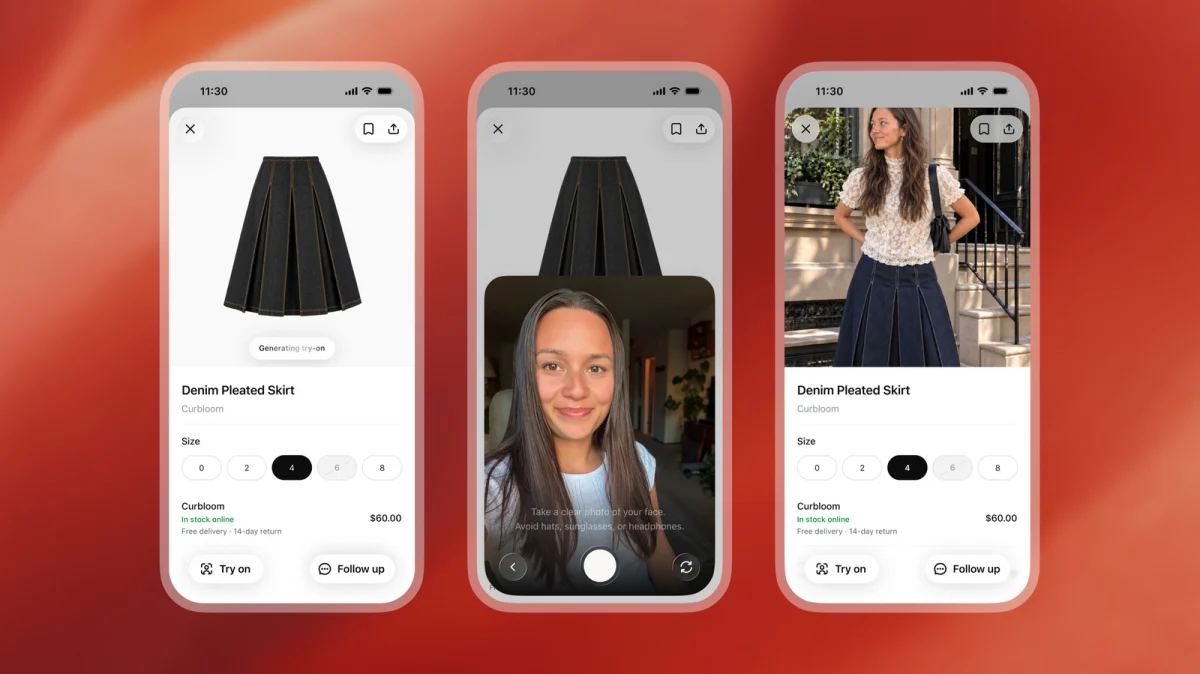
OpenAI has announced a significant expansion of ChatGPT’s capabilities within the realm of digital commerce, unveiling a new "Virtual Try On" feature that allows users to generate photorealistic images of themselves wearing desired clothing items. This innovative functionality, powered by OpenAI’s latest ChatGPT Images 2.5 model, represents a strategic move to embed the AI chatbot more deeply into the online shopping experience, offering a highly personalized and interactive method for consumers to visualize apparel before purchase. The introduction of this tool not only enhances user engagement but also positions ChatGPT as a nascent platform for fashion discovery and evaluation, building upon previous experimental forays into e-commerce.
A New Dimension to Online Shopping
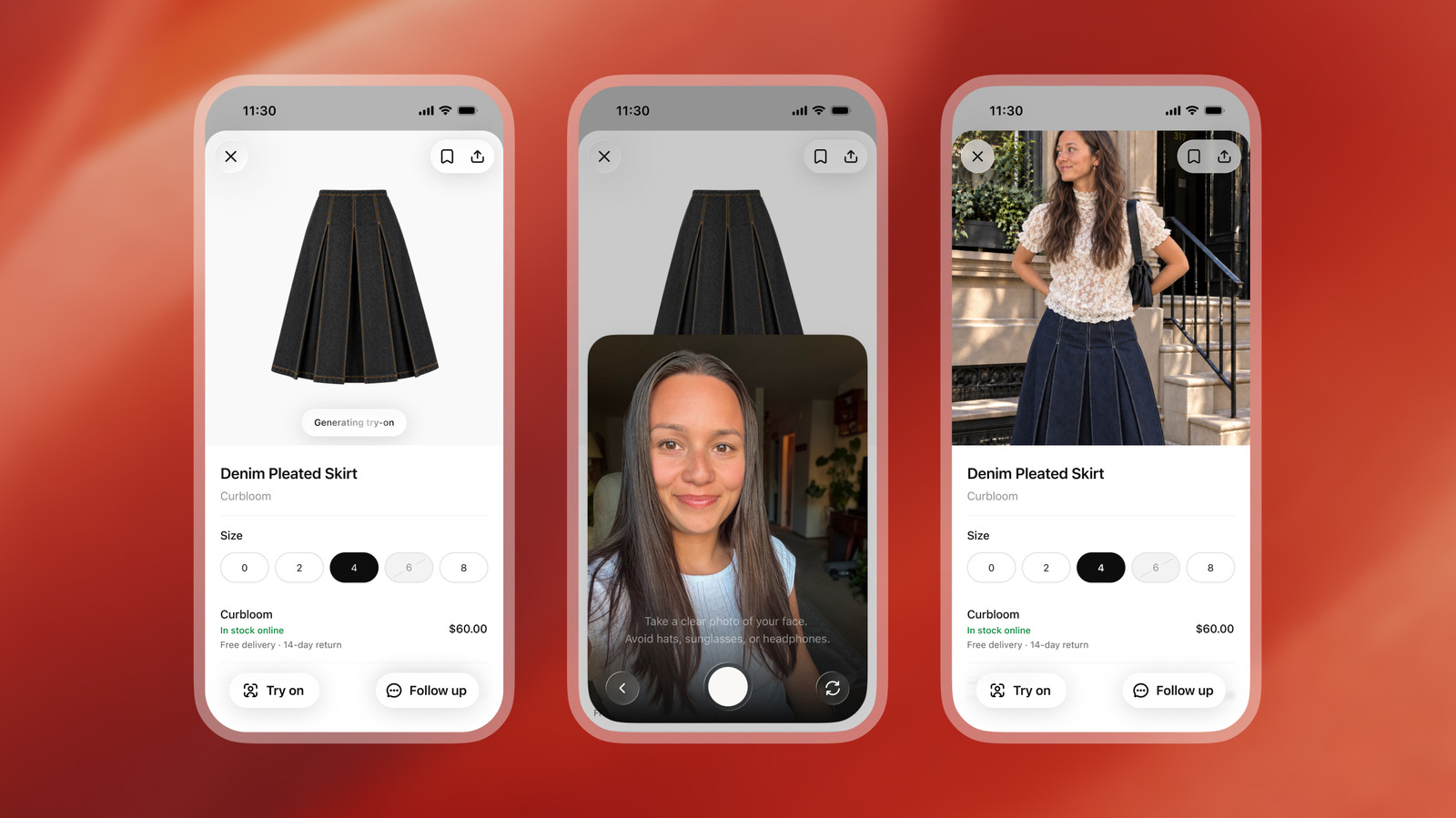
The Virtual Try On feature integrates seamlessly into the ChatGPT interface, becoming accessible whenever a product listing for clothing appears within a chat conversation. Users can initiate the process by simply tapping on a specific piece of apparel and selecting the "Try on" option. The system then prompts the user to upload a selfie and a full-body photograph, which serve as the base for the AI to generate a custom image. Crucially, the feature is not limited to products surfaced directly by ChatGPT; users can also upload screenshots of any clothing item they encounter online, making the tool versatile and widely applicable across various shopping contexts. This flexibility empowers users to experiment with a vast array of fashion choices, from specific brand offerings to general styles, all within a unified AI environment.
The core benefit of this feature lies in its ability to bridge the gap between digital browsing and the tangible experience of trying on clothes. For years, one of the primary deterrents to online clothing purchases has been the inability to assess how an item would look and fit on one’s own body. While size charts and customer reviews provide some guidance, they often fall short of replicating the visual confirmation gained from an in-store try-on. ChatGPT’s Virtual Try On aims to mitigate this uncertainty by offering a personalized visual representation, potentially reducing return rates for online retailers and increasing consumer confidence. Furthermore, OpenAI has complemented this feature with a new "Library" function, enabling users to save products they like for later consideration, streamlining the decision-making process and fostering a more organized shopping journey within the app.
The Technology Behind the Illusion: ChatGPT Images 2.5
At the heart of this new capability is the recently released ChatGPT Images 2.5 model, which OpenAI rolled out in September. This advanced generative AI model is engineered to produce high-fidelity, photorealistic images, marking a significant leap forward in the AI’s ability to understand and manipulate visual data. For the Virtual Try On feature, the model performs a complex series of tasks: it first analyzes the user’s uploaded body shape and posture, then digitally drapes the selected clothing item onto that virtual representation. This process involves sophisticated algorithms that account for fabric texture, garment elasticity, lighting conditions, and the nuanced interplay between clothing and the human form. The goal is to create an image that is not only visually appealing but also a credible depiction of how the garment would appear in real life.
The development of such a feature presents numerous technical challenges. Accurately rendering diverse body types, handling complex garment geometries (e.g., ruffles, pleats, intricate patterns), and maintaining consistent lighting and shadow across the generated image are critical for realism. ChatGPT Images 2.5 likely incorporates advancements in neural rendering techniques, semantic understanding of clothing attributes, and robust image composition. By leveraging these capabilities, the model can generate a coherent image where the garment appears naturally integrated with the user’s body, rather than simply superimposed. This level of sophistication is crucial for user adoption, as consumers demand highly realistic and believable representations to inform their purchasing decisions. The continuous refinement of such models signifies OpenAI’s commitment to pushing the boundaries of generative AI for practical, real-world applications.
Broader Context: The Rise of AI in Retail
OpenAI’s introduction of virtual try-on is not an isolated innovation but rather a prominent example of a broader trend seeing AI deeply integrated into the retail sector. The e-commerce industry, valued at over $6 trillion globally in 2023 and projected to reach nearly $9 trillion by 2027, according to Statista, has been actively seeking solutions to enhance the online shopping experience. Virtual try-on technologies have emerged as a key area of investment.
Major tech players and specialized startups have been exploring various approaches to virtual try-on for several years. Google, for instance, announced its own AI-powered virtual try-on feature for apparel in June 2023, allowing users to see clothes on models of different body types and soon to upload their own images. Other solutions range from augmented reality (AR) apps that overlay clothing onto a user’s live camera feed to 3D modeling platforms that create digital avatars. However, many of these existing solutions often require specific app downloads, complex setup, or rely on a limited range of pre-scanned body types or garment models. ChatGPT’s approach, leveraging a general-purpose AI chatbot and requiring only standard photos, offers a potentially more accessible and scalable solution.
The market for virtual try-on solutions is experiencing rapid growth. Reports from companies like Grand View Research indicate that the global virtual try-on market size was valued at over $3 billion in 2022 and is expected to expand at a compound annual growth rate (CAGR) of over 20% from 2023 to 2030. This growth is driven by increasing smartphone penetration, advancements in AI and AR technologies, and a consumer desire for more personalized and engaging online shopping experiences. OpenAI’s entry into this space with a user-friendly, image-generation-based tool positions it as a significant contender, potentially disrupting existing market players and setting new standards for convenience.
OpenAI’s Evolving Commercial Strategy
The launch of the Virtual Try On feature must be understood within the broader context of OpenAI’s evolving commercial strategy. As a leading AI research and deployment company, OpenAI faces the dual challenge of advancing cutting-edge AI technology and finding sustainable revenue streams to offset the "exorbitant amount of money" spent on training and running its sophisticated AI models. Estimates suggest that OpenAI’s AI spending spree has ballooned to hundreds of billions of dollars, underscoring the immense financial demands of frontier AI research.
From Instant Checkout to Integrated Ads
OpenAI has previously experimented with various monetization strategies within ChatGPT. An earlier initiative, "Instant Checkout," aimed to facilitate direct transactions for products from retailers like Etsy within the chatbot environment. While the exact reasons for its discontinuation are not publicly detailed, it suggests a learning curve in integrating e-commerce functionalities directly. The official update clarified that OpenAI did not take a cut of these transactions, indicating that Instant Checkout was likely an experiment in user convenience and platform utility rather than direct revenue generation. The experience likely informed the current strategy, which focuses on enhancing the discovery and evaluation phases of shopping, rather than directly processing payments.
In parallel, OpenAI has been testing and implementing "ads inside of chats," allowing merchants to advertise products and services directly to users. This advertising model provides a more traditional and proven revenue stream. The Virtual Try On feature can be seen as a powerful complement to this ad strategy. By offering a compelling tool that enhances product visualization, it could increase user engagement with advertised products, making ad placements more valuable to merchants. It transforms ChatGPT from a purely informational tool into a more interactive and action-oriented platform for consumption. This synergy suggests a more mature approach to integrating commerce, where features like virtual try-on drive user interest, which in turn boosts the efficacy and value of advertising.
Addressing the AI Cost Conundrum
The consistent rollout of new shopping tools over the past year, including features like product recommendations and now virtual try-on, strongly indicates that OpenAI sees significant potential in the e-commerce sector as a pathway toward profitability. While a single feature may not independently offset the company’s massive operational costs, a cumulative suite of shopping-centric functionalities can collectively contribute to:
- Increased User Engagement and Retention: More compelling features keep users within the ChatGPT ecosystem for longer periods and for a wider range of activities.
- Expanded Data for Model Improvement: While user opt-out is available, the volume of interactions related to shopping provides valuable data for refining AI models, potentially leading to better product recommendations and more accurate generative capabilities.
- Enhanced Value Proposition for Enterprise Clients: The ability to offer advanced e-commerce tools could make ChatGPT’s underlying AI models more attractive to businesses seeking to integrate AI into their own retail operations.
- Diversified Revenue Streams: Beyond subscription services for ChatGPT Plus, these features open avenues for advertising revenue, potential affiliate partnerships, or licensing of specific AI capabilities.
By focusing on high-value, high-engagement activities like personalized shopping, OpenAI is strategically diversifying its platform’s utility beyond conversational AI, aiming to capture a share of the lucrative e-commerce market and build a more robust financial foundation for its ongoing AI research and development.
Data Privacy, User Consent, and Ethical AI
The introduction of features requiring users to upload personal images, such as selfies and full-body photos, inevitably raises significant questions regarding data privacy, user consent, and the ethical implications of AI. OpenAI explicitly states that "the typical caution about what images you upload to ChatGPT still applies," and that "by default, any images uploaded from a personal account can be used for training unless you opt out."
This opt-out mechanism is a critical component of OpenAI’s data policy, but its clarity and accessibility are paramount. Users need to be fully aware of how their data might be used and be able to easily exercise their right to prevent their personal images from being incorporated into future AI model training. The implications of these images being used for training include:
- Anonymization Concerns: While OpenAI likely employs anonymization techniques, the unique nature of biometric data (like facial features and body shape) raises questions about the absolute impossibility of re-identification, especially if combined with other data points.
- Security Risks: The storage of personal images on OpenAI’s servers necessitates robust cybersecurity measures to prevent unauthorized access or data breaches.
- Deepfake Potential: While the feature aims for realistic try-ons, the underlying generative AI technology could, in other contexts, be used to create deepfakes. OpenAI has a responsibility to implement safeguards against malicious use and to ensure the ethical deployment of such powerful image generation capabilities.
- Bias in AI Models: If the training data predominantly features certain demographics or body types, the model might perpetuate biases, leading to less accurate or less flattering try-on results for underrepresented groups. OpenAI must ensure its training datasets are diverse and representative to promote fairness.
OpenAI’s commitment to responsible AI development means continually evaluating these risks and implementing robust policies. Transparency about data handling, clear communication of privacy settings, and empowering users with control over their data are essential for building trust and ensuring the ethical deployment of virtual try-on technology. Industry best practices and regulatory frameworks, such as GDPR and CCPA, will continue to shape how companies manage personal data in generative AI applications.
Market Implications and Competitive Landscape
The launch of ChatGPT’s Virtual Try On feature is poised to have notable market implications, affecting both fashion retailers and the broader competitive landscape of AI and e-commerce.
For fashion retailers, this development presents both opportunities and challenges.
- Opportunities: Retailers can leverage ChatGPT as a new channel for product discovery and engagement. Integrating their product catalogs with ChatGPT could allow them to reach a vast user base actively seeking shopping inspiration. The ability for customers to virtually try on clothes could lead to higher conversion rates, reduced return rates (which can be as high as 30-40% for apparel), and improved customer satisfaction.
- Challenges: Retailers might need to adapt their digital marketing strategies to incorporate AI-driven interactions. Furthermore, the focus on generated images raises questions about brand control and consistency. Ensuring that the AI-generated images accurately reflect brand aesthetics and product quality will be crucial.
In the competitive landscape, OpenAI’s move intensifies the race among tech giants to dominate the AI-powered shopping arena.
- Direct Competition with Google: While Google’s virtual try-on has been rolled out, ChatGPT’s approach offers a direct, conversational AI interface. This creates a fascinating parallel, where two of the most powerful AI companies are vying for leadership in transforming online retail.
- Against E-commerce Platforms: Companies like Amazon, Shopify, and Meta (with its AR/VR initiatives) are also heavily investing in AI and immersive shopping experiences. ChatGPT’s feature could disrupt existing e-commerce flows by offering a pre-purchase visualization tool outside of traditional retail websites. This could encourage users to start their shopping journey in ChatGPT, influencing their decisions before they even reach a retailer’s site.
- Potential for Partnerships: OpenAI’s technology could become a valuable asset for e-commerce platforms and fashion brands looking to enhance their own virtual try-on capabilities without developing the underlying AI themselves. Strategic partnerships could emerge, integrating ChatGPT’s generative AI into existing retail infrastructures.
The ultimate impact will depend on user adoption, the quality and realism of the generated images, and how quickly OpenAI can integrate this feature with actual purchasing pathways. If successful, it could fundamentally shift consumer behavior, making personalized visualization a standard expectation in online clothing retail.
The Future of Virtual Fashion
The introduction of virtual try-on in ChatGPT is likely just the beginning of a more profound integration of AI into the fashion and retail industries. Looking ahead, several advancements and expansions are logically anticipated:
- Enhanced Realism and Customization: Future iterations of the Images model could offer even higher fidelity, supporting more complex garment physics, diverse environmental lighting, and dynamic poses. Users might be able to specify preferred settings, such as a casual outdoor look versus an indoor evening event, for their try-on images.
- Integration with Fit and Sizing: Beyond visual appearance, the next frontier could involve AI providing personalized fit recommendations. By analyzing user measurements (perhaps uploaded or inferred from photos) and garment specifications, the AI could suggest the optimal size and even highlight how a garment might feel or move.
- Virtual Wardrobe Management and Styling: Imagine ChatGPT evolving into a personal AI stylist. Users could upload their existing wardrobe, virtually try on new items with their current clothes, and receive personalized styling advice or outfit suggestions for different occasions. This could extend to seasonal trend analysis and predictive fashion recommendations.
- Real-time Video Try-On: While current models are image-based, advancements in real-time generative AI could lead to video virtual try-on, offering an even more immersive and dynamic experience where users see clothes move with them.
- Direct Purchase Integration: Building on lessons learned from "Instant Checkout," OpenAI might re-explore seamless purchasing, perhaps through partnerships with major retailers or payment gateways, allowing users to move from try-on to transaction within the same chat interface.
- Hyper-Personalization and Co-creation: The ultimate vision could involve AI assisting in the co-creation of fashion. Users might describe their ideal garment, have the AI design it, virtually try it on, and then connect with manufacturers for custom production.
OpenAI’s move into virtual try-on signals a clear intent to transcend the role of a mere conversational agent, positioning ChatGPT as an indispensable tool for discovery, personalization, and potentially, transaction across various aspects of daily life. For the fashion industry, this heralds an era where artificial intelligence will not only facilitate shopping but also inspire creativity and redefine how consumers interact with style. This evolution promises to make online shopping more engaging, efficient, and tailored to individual preferences, fundamentally reshaping the future of retail.