Sonny Valindra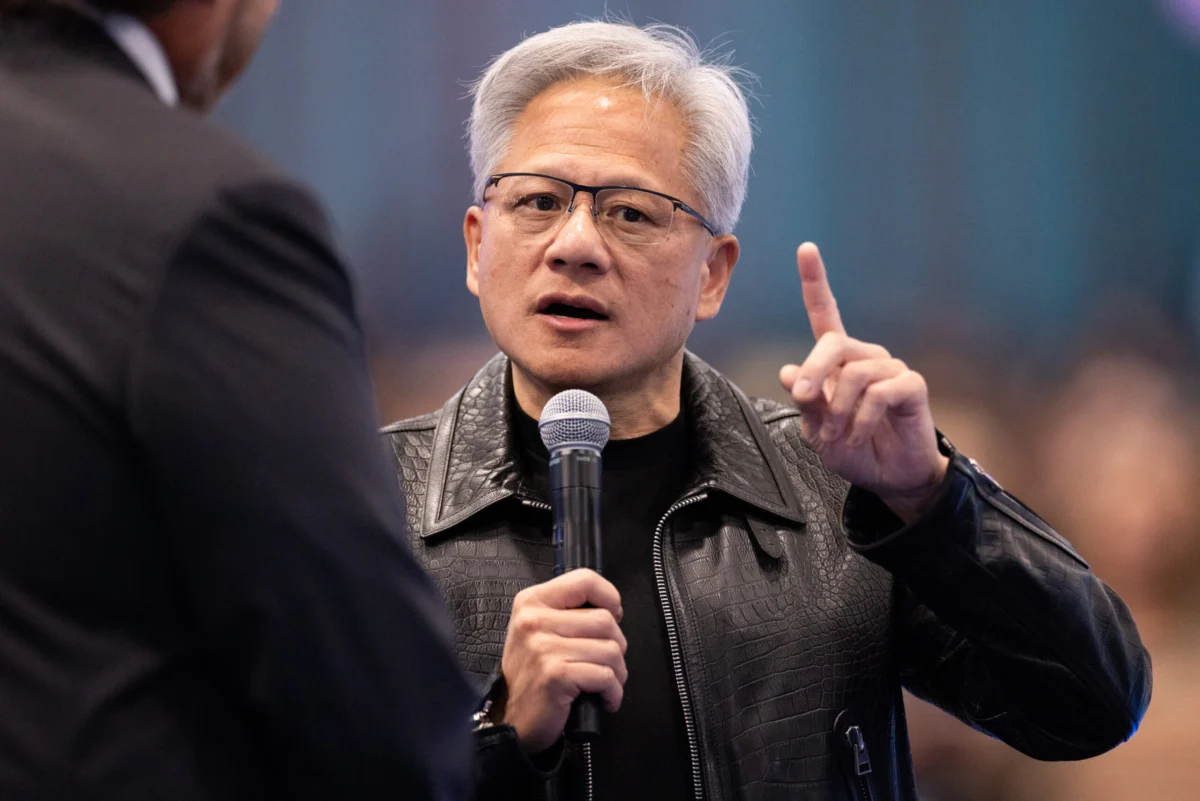
A week after a stark warning from an Anthropic researcher sent ripples of apprehension through the artificial intelligence community, the company’s CEO, Dario Amodei, has articulated a comprehensive strategy aimed at navigating the accelerating frontier of AI development. This initiative, which Amodei terms "pacing the frontier," hinges on the establishment of independent safety evaluation bodies and fostering enhanced coordination among AI laboratories situated in democratic nations. The proposal has already garnered significant traction within the industry, signaling a potential shift in how leading AI firms approach the complex challenges of advanced AI safety. However, it has also encountered notable resistance, exemplified by the firm stance of Nvidia CEO Jensen Huang, who has expressed reservations about any measures that could impede technological progress.
The discourse surrounding AI safety has intensified in recent months, fueled by rapid advancements in large language models and the increasing capabilities of AI systems. Anthropic, a prominent AI safety and research company, has been at the forefront of these discussions, advocating for a more cautious and deliberate approach to AI development. The recent "doomsday warning" from an unnamed Anthropic researcher, which reportedly detailed potential existential risks associated with unchecked AI progress, served as a catalyst, bringing these concerns to a wider public and industry audience. This warning underscored the urgency for concrete action and robust frameworks to ensure that AI development remains aligned with human values and safety.
Amodei’s "pacing the frontier" proposal, as detailed in his recent public statements and subsequent industry discussions, is multifaceted. At its core, the strategy emphasizes the critical role of independent safety evaluators. These entities would be tasked with rigorously assessing the safety and potential risks of advanced AI models before they are widely deployed. This independent oversight aims to provide an objective layer of scrutiny, moving beyond internal assessments and fostering greater accountability. The rationale behind this approach is to identify and mitigate potential harms, ranging from algorithmic bias and misuse to more profound concerns about the long-term trajectory of superintelligent AI.
Furthermore, Amodei’s plan advocates for enhanced coordination among AI laboratories, particularly those operating within democratic countries. The idea is to create a collaborative environment where leading research institutions can share best practices, discuss emerging risks, and potentially establish common safety standards. This collaborative framework is intended to prevent a "race to the bottom," where competitive pressures might lead some entities to overlook crucial safety considerations in their pursuit of rapid innovation. By working together, these organizations could collectively develop more robust safety protocols and contribute to a more unified approach to AI governance. The focus on democratic nations suggests an underlying belief that these regions are better positioned to implement and uphold ethical AI development principles.
Industry Support and Emerging Tensions
The proposed framework has resonated with several key players in the AI landscape. Reports indicate that companies like OpenAI and Google have been engaged in discussions with Anthropic regarding AI safety for weeks, suggesting a shared recognition of the need for collective action. This nascent industry support is crucial, as any meaningful effort to "pace the frontier" will require broad participation and consensus among the major AI developers. The collaborative spirit, if sustained, could pave the way for the establishment of industry-wide safety benchmarks and cooperative research initiatives focused on risk mitigation.
However, the path toward unified AI safety measures is not without its obstacles. Nvidia CEO Jensen Huang has emerged as a prominent voice of dissent, articulating a perspective that prioritizes the continued acceleration of AI development. Huang’s stance, as reported, suggests a concern that proposed slowdowns or stringent regulatory measures could stifle innovation and hinder the potential benefits that AI can bring. He has been quoted as stating that the industry is "not going to let an AI slowdown happen," indicating a strong commitment to maintaining the current pace of progress. This viewpoint highlights a fundamental tension within the AI community: the perceived need for caution and safety versus the drive for rapid technological advancement and its associated economic and societal benefits.
The differing perspectives between proponents of a more measured approach, like Amodei, and those who advocate for unfettered progress, like Huang, underscore the complex debate surrounding AI governance. While Amodei’s proposal seeks to inject a layer of deliberate consideration into the development cycle, Huang’s concerns reflect the significant economic and competitive imperatives driving the AI industry. The success of any industry-wide safety initiative will likely depend on its ability to strike a balance that addresses legitimate safety concerns without unduly hindering innovation or competitive advantage.
Deeper Dive into the "Pacing the Frontier" Proposal
The concept of "pacing the frontier" can be further dissected to understand its potential implications. It implies a conscious effort to align the speed of AI development with the pace at which society can understand, adapt to, and safely integrate these powerful technologies. This involves not only technical safety measures but also considerations for societal impact, ethical frameworks, and regulatory preparedness.
The reliance on independent safety evaluators is a cornerstone of this strategy. Such evaluators would ideally possess deep technical expertise in AI, as well as a strong understanding of ethics and societal risks. Their mandate could include conducting red-teaming exercises, adversarial testing, and comprehensive risk assessments. The outputs of these evaluations would then inform development decisions, potentially leading to staged releases of AI capabilities or the implementation of specific safeguards. The challenge lies in establishing the independence and credibility of these evaluators, ensuring they are free from undue influence from the companies they are assessing.
The call for coordination among AI labs in democratic nations is also significant. This approach recognizes that AI development is a global phenomenon, but it also suggests a strategic focus on aligning efforts within a particular political and ethical framework. The hope is that by collaborating, these leading labs can establish a common understanding of acceptable risks and develop shared protocols for addressing them. This could involve the creation of joint research initiatives focused on AI safety, the sharing of anonymized data for safety testing, or the development of common auditing standards. The exclusion or lesser emphasis on coordination with labs in non-democratic nations may stem from concerns about transparency, accountability, and differing approaches to governance and human rights.
Contextualizing the Debate: A Timeline of Growing Concerns
The current debate over AI safety is not a sudden development but rather the culmination of years of evolving discussions and accelerating technological progress.
- Early 2010s: Discussions around AI safety were largely confined to academic circles and theoretical discussions about the potential long-term risks of advanced AI, often framed as the "alignment problem."
- Mid-to-Late 2010s: The rise of deep learning and significant breakthroughs in areas like natural language processing and computer vision brought AI capabilities closer to practical applications, leading to increased industry investment and a broader awareness of AI’s potential. Concerns about bias in AI systems and their societal impact began to gain prominence.
- Early 2020s: The rapid advancement and widespread adoption of large language models (LLMs) like GPT-3 and its successors dramatically shifted the conversation. The ability of these models to generate human-like text, engage in complex reasoning, and perform a wide array of tasks sparked both excitement and alarm about their potential for misuse, misinformation, and unforeseen consequences.
- 2023-2024: The pace of AI development continued to accelerate, with increasingly sophisticated models being released. This period saw heightened calls for regulation and safety measures from governments, researchers, and the public. Key events included open letters from AI experts urging a pause in the development of the most advanced AI systems and growing discussions about the potential for AI to disrupt labor markets and national security. The "doomsday warning" from the Anthropic researcher fits within this intensified period of concern.
This historical context highlights that the current urgency surrounding AI safety is a natural progression of discussions that have been ongoing for years, amplified by the tangible and rapidly expanding capabilities of AI systems. Amodei’s proposal can be seen as an attempt to formalize and operationalize some of the safety measures that have been discussed in theoretical terms for much longer.
Analysis of Implications: Balancing Innovation and Safety
The implications of Amodei’s "pacing the frontier" initiative are significant and far-reaching.
Potential Benefits:
- Enhanced Safety: A structured approach involving independent evaluation and industry coordination could lead to more robust safety protocols, reducing the likelihood of unintended negative consequences from advanced AI.
- Increased Public Trust: Demonstrating a commitment to safety and ethical development can foster greater public trust in AI technologies, which is crucial for their long-term adoption and societal benefit.
- Proactive Risk Mitigation: By focusing on "pacing," the industry can attempt to stay ahead of potential risks rather than reacting to crises after they occur.
- Global Norms: Collaboration among leading AI labs in democratic countries could help establish global norms and standards for AI development, influencing practices worldwide.
Potential Challenges and Criticisms:
- Defining "Pacing": A key challenge will be defining what constitutes "pacing" and how to measure progress or lack thereof. This could become a point of contention and debate.
- Enforcement and Accountability: The effectiveness of independent evaluators and industry coordination will depend heavily on robust enforcement mechanisms and clear lines of accountability. Without them, such initiatives could become largely symbolic.
- Competitive Disadvantage: Companies that adhere to stricter safety protocols might face competitive disadvantages against those that prioritize speed and less stringent oversight, especially if global regulations are not harmonized.
- Nvidia’s Pushback: The resistance from entities like Nvidia highlights the economic stakes involved. Any slowdown in AI development could impact hardware sales and the broader AI ecosystem that relies on rapid innovation.
- Geopolitical Considerations: Focusing solely on democratic nations might create a divide in AI development and governance, potentially leading to fragmented approaches and missed opportunities for broader global safety collaboration.
The debate over AI safety is intrinsically linked to the future trajectory of technological progress and its integration into society. Amodei’s proposal represents a significant effort to inject a more deliberate and safety-conscious approach into this rapidly evolving field. The coming months and years will reveal whether such initiatives can achieve broad consensus and effectively navigate the complex challenges of developing increasingly powerful artificial intelligence responsibly. The outcome will shape not only the future of AI but also its impact on human civilization. The discussions highlighted on the TechCrunch Equity podcast, featuring experts like Kirsten Korosec, Anthony Ha, and Sean O’Kane, delve into these critical questions of governance, agreement on definitions, and the practicalities of policing such a rapidly advancing frontier. Their insights will be crucial in understanding the nuanced challenges and potential solutions as the AI landscape continues its unprecedented evolution.