Chandra Wibowo
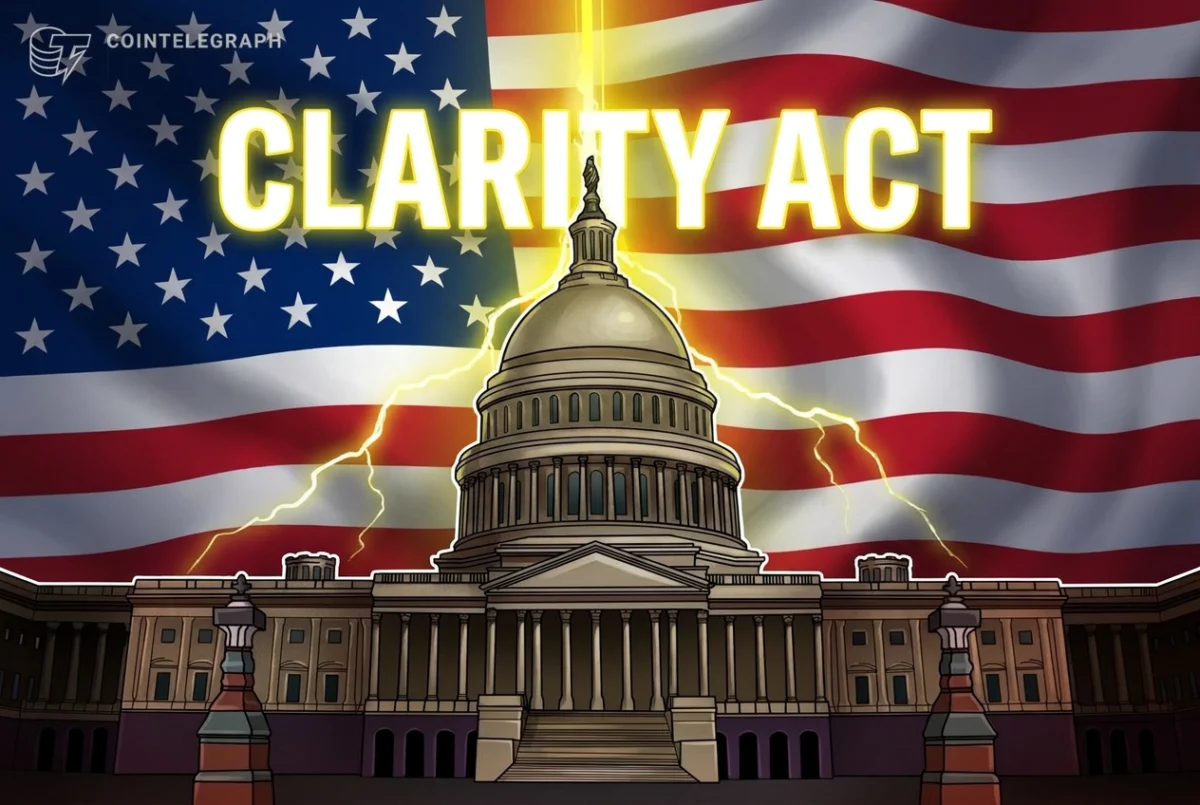
Fidelity, one of the world’s largest asset managers, has issued a fervent call for the United States Senate to pass the CLARITY Act, emphasizing the critical need for clear and comprehensive digital asset regulations. The financial giant asserts that such legislation is paramount to bolstering investor confidence, providing essential certainty for market participants, and crucially, reinforcing America’s position as a global leader in the burgeoning cryptocurrency markets. This plea from Fidelity signifies a significant endorsement from a major traditional financial institution, amplifying the growing chorus of voices advocating for legislative action on digital assets.
The company’s explicit endorsement places it within an expanding coalition of prominent financial firms and influential cryptocurrency organizations that are actively urging U.S. lawmakers to advance market structure legislation specifically designed for digital assets. This unified front underscores the increasing urgency felt across various sectors of the financial industry to establish a predictable and supportive regulatory environment for this rapidly evolving asset class.
A Unified Push for Legislative Clarity
Fidelity’s public statement on Friday follows a series of similar appeals made by other key players in the digital asset ecosystem. Earlier on the same day, influential advocacy groups such as the Crypto Council for Innovation, the Digital Chamber, and the Blockchain Association publicly called on Senate leaders to bring the CLARITY Act to the floor for a vote. This coordinated effort by these organizations highlights a strategic push to garner legislative momentum and bring the bill closer to enactment.
Adding further weight to the call for action, Brian Armstrong, the Chief Executive Officer of Coinbase, one of the largest cryptocurrency exchanges in the United States, also publicly advocated for a full Senate floor vote on the CLARITY Act. His statement on Wednesday underscored the sentiment that the bill has reached a critical juncture where a comprehensive review and vote by the entire Senate are necessary to move forward.
Understanding the CLARITY Act and its Legislative Hurdles
The CLARITY Act, at its core, aims to establish a robust and defined regulatory framework for digital assets within the United States. This legislation is intended to address the current ambiguity surrounding the classification and oversight of various digital assets, which has been a persistent concern for both innovators and investors. The bill’s passage through the Senate requires a supermajority of 60 votes, a significant threshold given the current political landscape where Republicans hold a narrow 52-47 majority.
The legislative process has seen recent developments, with Republicans releasing updated text of the bill on Wednesday. However, the path to bipartisan consensus remains challenging. Certain Democratic senators have raised concerns that the ethics provisions within the updated bill do not sufficiently address corruption issues. This indicates that while there may be broad agreement on the need for digital asset regulation, specific details regarding ethical conduct and potential conflicts of interest within the industry are proving to be points of contention. The debate over these ethics provisions suggests a complex negotiation process is underway, with potential implications for the final form of the legislation.
Fidelity’s Stature in the Financial World
Fidelity’s involvement in advocating for the CLARITY Act is particularly noteworthy due to its immense influence and standing within the global financial industry. The Sovereign Wealth Fund Institute consistently ranks Fidelity as the world’s third-largest asset manager. This position is substantiated by its substantial financial footprint; according to its 2025 annual report, Fidelity managed a staggering $7.1 trillion in assets. This level of financial power and extensive experience in managing vast sums of capital lend significant credibility to its pronouncements on regulatory matters. The company’s endorsement signals to policymakers that a major, established financial institution sees clear benefits and necessities in the proposed digital asset legislation.
The Broader Context: A Maturing Digital Asset Landscape
The push for the CLARITY Act arrives at a critical juncture for the digital asset industry. Over the past decade, cryptocurrencies and other digital assets have transitioned from niche curiosities to a significant, albeit volatile, asset class. This evolution has brought increased institutional interest, greater retail participation, and a growing need for regulatory clarity to mitigate risks and foster sustainable growth.
The absence of a clear federal framework has led to a patchwork of state-level regulations and has left many market participants operating in a state of uncertainty. This ambiguity can stifle innovation, deter institutional investment, and create opportunities for regulatory arbitrage. Furthermore, it can leave consumers and investors vulnerable to fraud and market manipulation without adequate protections.
The CLARITY Act represents an attempt to address these shortcomings by providing a comprehensive set of rules that would govern the issuance, trading, and custody of digital assets. The bill’s proponents argue that such clarity would not only protect investors but also encourage legitimate businesses to operate within the U.S. and attract further investment, thereby strengthening the nation’s competitive edge in the global digital economy.
Implications of Regulatory Uncertainty
The ongoing debate surrounding the CLARITY Act and the broader lack of definitive federal regulation for digital assets carry significant implications for the United States’ standing in the global financial arena. Countries that move swiftly to establish clear and supportive regulatory frameworks are likely to attract innovation, capital, and talent in the digital asset space. Conversely, countries that lag behind may find themselves on the periphery of this rapidly evolving sector.
Fidelity’s emphasis on reinforcing U.S. leadership is a strategic consideration. The company, like many other global financial players, operates within an international context. The predictability and stability offered by a well-defined regulatory regime in the U.S. would not only benefit domestic markets but also enhance the country’s attractiveness as a hub for digital asset innovation and investment on a global scale.
Analyzing the Ethical Sticking Points
The contentious nature of the ethics provisions within the CLARITY Act warrants deeper examination. The concerns raised by some Democrats regarding corruption highlight a critical aspect of regulating any emerging financial market. Ensuring that public officials and those involved in the regulatory process are free from undue influence or conflicts of interest is paramount to maintaining public trust and the integrity of the market.
The debate over ethics rules often involves balancing the need for transparency and accountability with the practicalities of policy-making. The specific details of these provisions, such as disclosure requirements, prohibitions on certain activities, and mechanisms for enforcement, are likely to be the subject of intense negotiation. The resolution of these ethical questions will be crucial for achieving the bipartisan support necessary for the bill’s passage.
A Chronology of Advocacy and Legislative Action
The current push for the CLARITY Act is the culmination of months, if not years, of advocacy and discussion within the digital asset industry and among policymakers. While the specific timeline for the CLARITY Act’s introduction and debate is complex, the recent surge in public statements and legislative maneuvering indicates a heightened sense of urgency.
- Past Years: Persistent lobbying efforts by crypto advocacy groups and industry participants to educate lawmakers and push for regulatory clarity.
- Recent Weeks/Months: Increased engagement from traditional financial institutions, including Fidelity, recognizing the growing importance and potential of digital assets.
- Wednesday (Prior to Fidelity’s Statement): Republicans release updated CLARITY Act text, sparking renewed debate over ethics provisions. Brian Armstrong of Coinbase calls for a Senate floor vote.
- Friday (Fidelity’s Statement): Fidelity publicly urges the Senate to pass the CLARITY Act, joining a growing coalition. Crypto advocacy groups reiterate their call for the bill to be brought to the floor.
This timeline illustrates a dynamic and accelerating process, with various stakeholders actively attempting to influence the legislative outcome. The interplay between industry advocacy, political negotiations, and the evolving landscape of digital assets is shaping the current debate.
Supporting Data and Market Trends
The urgency for clear regulation is underscored by the significant growth and evolving nature of the digital asset market. As of mid-2024, the total market capitalization of cryptocurrencies has fluctuated but has often reached trillions of dollars, demonstrating substantial economic activity. The number of individuals and institutions holding digital assets has also seen a marked increase globally.
Moreover, the increasing integration of digital assets into traditional financial products, such as exchange-traded funds (ETFs) and the exploration of central bank digital currencies (CBDCs), further highlights the need for a coherent regulatory framework. The U.S. has seen significant developments in this area, including the approval of spot Bitcoin ETFs, which has brought greater institutional capital into the crypto market and underscored the demand for regulated investment vehicles. However, the regulatory treatment of other digital assets, such as stablecoins and various forms of decentralized finance (DeFi) tokens, remains less defined.
The Path Forward: Challenges and Opportunities
The passage of the CLARITY Act, or similar comprehensive digital asset legislation, presents both challenges and opportunities for the United States. The primary challenge lies in navigating the complex political landscape and achieving consensus on the specific details of the legislation, particularly concerning ethics and investor protection.
However, the opportunity is substantial. A well-crafted regulatory framework could position the U.S. as a global leader in the digital asset economy, fostering innovation, attracting investment, and ensuring robust investor protections. It would provide a clear roadmap for businesses, reduce legal risks, and enable the full potential of digital assets to be realized in a safe and responsible manner. Fidelity’s strong advocacy, alongside that of other major financial players and crypto organizations, signals a critical moment where the legislative branch has the opportunity to shape the future of finance. The decisions made in the coming weeks and months regarding the CLARITY Act will have far-reaching implications for the digital asset industry and the U.S.’s competitive standing on the global stage.