Chandra Wibowo
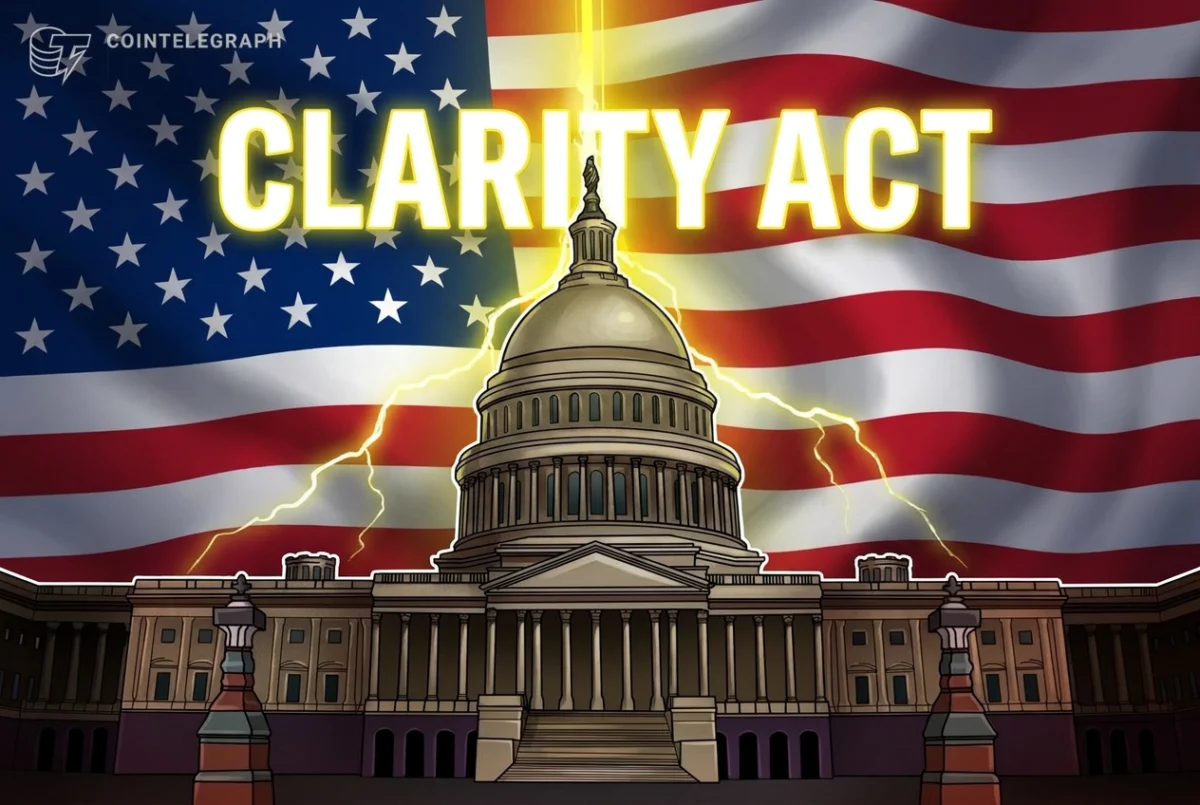
David Solomon, the influential chair and CEO of financial behemoth Goldman Sachs, has publicly thrown his support behind a pivotal cryptocurrency market structure bill currently under consideration in the U.S. Senate. This endorsement comes at a critical juncture, as the Digital Asset Market Clarity (CLARITY) Act, as it is known, continues to be a lightning rod for controversy, deeply dividing lawmakers and prominent figures within the financial industry itself.
Solomon’s stance, as reported by Politico, acknowledges the legislative proposal’s imperfections. However, he asserts that the CLARITY Act is a necessary step towards establishing a "level playing field" that can foster enhanced market stability and facilitate the responsible development of the digital asset sector. This position distinguishes Solomon and Goldman Sachs from a significant contingent of their peers in traditional finance. Many other industry leaders have voiced strong opposition, primarily due to specific provisions within the bill that they argue permit cryptocurrency firms to offer interest or yield on stablecoins without adhering to the stringent regulatory frameworks that govern established financial institutions.
"The CLARITY Act – like all legislation – is not perfect," Solomon stated, according to the Politico report. "And there are lots of things that you could debate and argue about. But I think one of the most important things that it does is that it creates a level playing field to enhance market stability and allow these markets to develop appropriately." This carefully worded endorsement highlights Solomon’s pragmatic approach, suggesting a willingness to accept a less-than-ideal legislative outcome in pursuit of a broader regulatory objective.
The CLARITY Act, released by Republican lawmakers on Wednesday, ahead of a potential Senate vote, includes a range of provisions designed to bring clarity to the burgeoning digital asset landscape. However, its introduction has also ignited contentious debates, particularly concerning ethical considerations. Certain clauses have raised significant alarms among Democrats, partly due to concerns surrounding potential conflicts of interest and the perceived implications for U.S. President Donald Trump’s personal cryptocurrency investments. As of Thursday, Senate leadership had not yet scheduled a formal vote on the bill, indicating ongoing deliberations and potential amendments.
A Contentious Legislative Journey
The path of the CLARITY Act has been anything but smooth. Introduced as a bipartisan effort, its core objective is to provide a clear regulatory framework for digital assets, a sector that has experienced exponential growth but also significant volatility and regulatory uncertainty. The bill aims to address a spectrum of issues, from defining the roles of various regulatory bodies like the Securities and Exchange Commission (SEC) and the Commodity Futures Trading Commission (CFTC) in overseeing digital assets, to establishing rules for stablecoin issuers and addressing consumer protection.
However, the devil has proven to be in the details. The provisions allowing for the payment of interest or yield on stablecoins have been a major sticking point for traditional banks. These institutions operate under strict capital requirements, liquidity rules, and consumer protection mandates designed to safeguard depositors. The argument from opponents of this aspect of the CLARITY Act is that it creates an uneven playing field, potentially allowing less regulated crypto entities to offer more attractive yields, thereby drawing capital away from traditional banking products without the same level of oversight and consumer safeguards.
Jamie Dimon, CEO of JPMorgan Chase, a direct competitor to Goldman Sachs, articulated this concern in a May interview. He stated that the CLARITY Act’s allowance for crypto companies to pay interest on stablecoins "without the protection that they should have" is something banks would not countenance. This opposition from a peer of Solomon’s caliber underscores the deep divisions within the financial elite regarding the proposed regulatory approach.
Ethical Quagmires and Democratic Objections
Beyond the economic and market structure implications, the CLARITY Act has become entangled in a web of ethical concerns, particularly those raised by Democratic lawmakers. The inclusion of provisions related to ethics, specifically concerning the potential for public officials to profit from cryptocurrency investments, has been a focal point of criticism. These concerns are amplified by past discussions and allegations surrounding President Trump’s own cryptocurrency holdings and the potential for legislation to inadvertently benefit him or others in similar positions.
Senator Elizabeth Warren, a vocal critic of the bill, expressed her strong disapproval of the ethics clauses, stating on Wednesday, "The bill goes even further to protect the President’s crypto profits by barring the next Department of Justice from ever holding Trump accountable." She further articulated her broader objections, asserting, "On top of all of this, the underlying bill still fails to adequately protect investors, our financial system, and our national security. This bill should be dead on arrival." Warren’s statement highlights a significant hurdle for the bill’s passage, as it suggests a lack of sufficient Democratic support, which is crucial for overcoming the 60-vote threshold required for Senate approval.
The specific concern about enforcement being left to the U.S. Justice Department rather than state authorities also adds another layer of complexity. Critics argue that this approach could dilute accountability and create loopholes, especially when dealing with complex financial instruments and potentially cross-border transactions. The debate over ethics and enforcement mechanisms underscores a fundamental disagreement on how to best police the nascent digital asset market and ensure public trust.
The Broader Economic Context and Market Stability
The push for a comprehensive crypto market structure bill is rooted in a growing recognition of the digital asset sector’s increasing integration into the broader financial ecosystem. While still a relatively small fraction of global financial markets, cryptocurrencies, stablecoins, and decentralized finance (DeFi) platforms have attracted trillions of dollars in market capitalization and continue to evolve at a rapid pace. This growth has brought both innovation and significant risks, including market manipulation, fraud, and potential systemic financial instability.
The volatility observed in the crypto markets, exemplified by events like the collapse of TerraUSD and the FTX exchange, has underscored the urgent need for regulatory clarity. These events have highlighted the vulnerabilities inherent in an under-regulated market, impacting both retail investors and institutional players. Solomon’s endorsement of the CLARITY Act, despite its flaws, can be interpreted as a recognition of this imperative. From Goldman Sachs’ perspective, a more stable and predictable regulatory environment would likely foster greater institutional adoption and reduce the reputational and operational risks associated with engaging with the digital asset space.
The concept of a "level playing field," as articulated by Solomon, is central to this argument. Traditional financial institutions are accustomed to operating within a highly regulated environment. When new market entrants are perceived to be operating with fewer regulatory burdens, it can create competitive disadvantages and raise concerns about fairness and market integrity. The CLARITY Act, in its current form, attempts to strike a balance between fostering innovation and ensuring that digital asset markets operate with a degree of oversight that aligns with broader financial stability goals.
Supporting Data and Industry Perspectives
The global cryptocurrency market has experienced significant expansion over the past decade. By early 2024, the total market capitalization of cryptocurrencies had reached over $2 trillion, a substantial increase from its nascent stages. Stablecoins, in particular, have emerged as a critical component of this ecosystem, with a collective market capitalization exceeding $150 billion. These digital assets, pegged to traditional currencies like the U.S. dollar, are designed to offer price stability and facilitate transactions within the volatile crypto markets.
The debate surrounding stablecoin yields is particularly pertinent. Traditional banking products, such as savings accounts and certificates of deposit, typically offer yields that are influenced by central bank interest rates and are subject to deposit insurance. The prospect of crypto firms offering significantly higher yields on stablecoins, even if backed by reserves, raises questions about consumer protection and the potential for these yields to be unsustainable or derived from riskier underlying activities.
The International Monetary Fund (IMF) and other international financial bodies have consistently called for comprehensive global regulation of digital assets, warning of potential risks to financial stability and consumer protection. Their reports often highlight the challenges posed by the borderless nature of cryptocurrencies and the need for international cooperation in developing regulatory frameworks.
The Path Forward: Negotiation and Compromise
The fate of the CLARITY Act now rests on the ability of Senate leaders to bridge the divides that have emerged. The need for bipartisan support means that concessions will likely be necessary. For Republicans, the inclusion of ethics provisions, while controversial, may be seen as a critical component of their legislative agenda. For Democrats, securing stronger investor protections and ensuring adequate oversight of stablecoin issuers will be paramount.
The current legislative landscape suggests a complex negotiation process. The differing priorities and concerns of various stakeholders – from traditional banks and crypto exchanges to consumer advocacy groups and government regulators – will need to be addressed. David Solomon’s endorsement, while significant, represents only one voice in a chorus of competing interests. The ultimate success of the CLARITY Act, or any similar legislation, will depend on its ability to strike a delicate balance between fostering innovation, ensuring market stability, protecting investors, and maintaining public trust in the financial system. The ongoing debate underscores the profound impact that digital assets are having on the global economy and the critical need for thoughtful and effective regulation.