Garick Elordi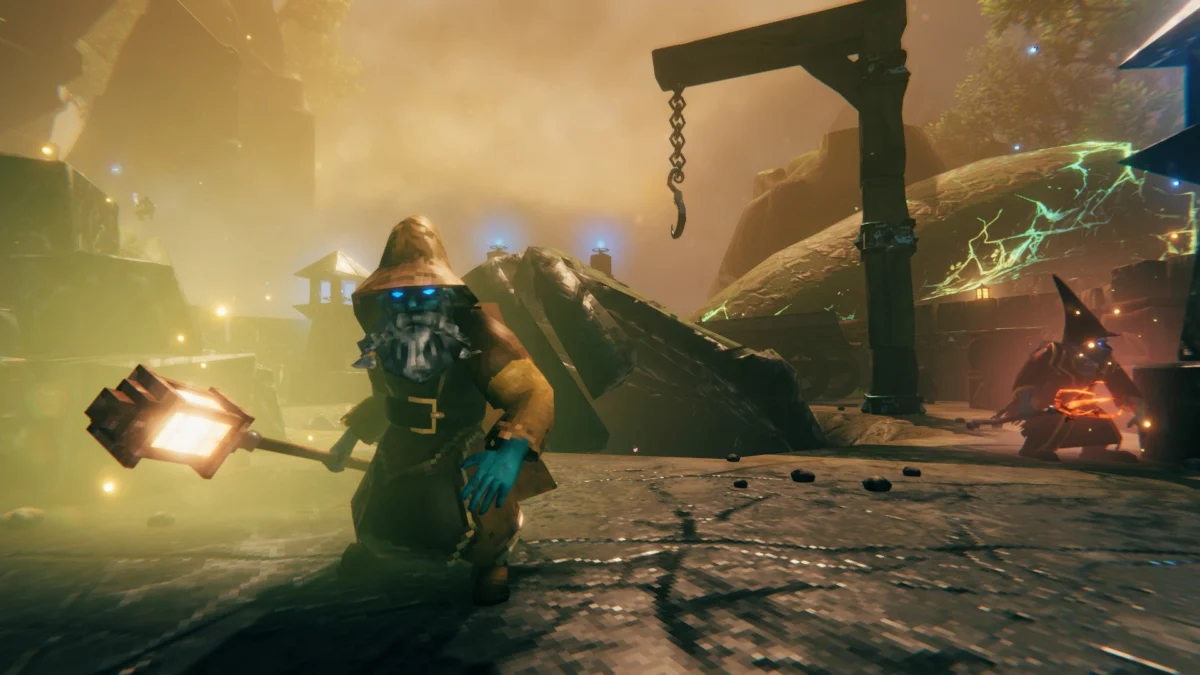
The survival gaming landscape reached a significant turning point today as Iron Gate Studio and publisher Coffee Stain Publishing officially transitioned Valheim from Early Access into its full Version 1.0 release. After more than five years of iterative development and a meteoric rise to fame during the global pandemic, the viking-themed sandbox has shed its developmental labels to emerge as a complete experience. The transition has triggered a massive resurgence in the game’s player base, with concurrent user numbers on Steam surging to levels not seen in over three years. As of the launch afternoon, data from SteamDB indicates that approximately 160,000 players are simultaneously exploring the Tenth World, marking the game’s most significant activity spike since April 2021.
This 1.0 milestone is not merely a symbolic change in status but is accompanied by a massive content update that significantly expands the scope of the game’s procedurally generated universe. The headline feature of the launch is the introduction of the Deep North, a frozen, high-level biome that serves as the final cardinal frontier for seasoned explorers. Coupled with an exhaustive list of patch notes exceeding 1,800 words, the update introduces more than 40 new weapons, advanced crafting recipes, and substantial graphical overhauls. The launch also marks a pivotal expansion in accessibility, as Valheim officially makes its debut on the PlayStation 5 and the Nintendo Switch 2, alongside its existing presence on the Xbox Series X/S and PC ecosystems.
A Five-Year Journey: From Viral Sensation to Genre Staple
The story of Valheim’s path to Version 1.0 is one of the most remarkable narratives in modern independent game development. Originally released in Early Access on February 2, 2021, the game was developed by a core team of just five people at the Swedish-based Iron Gate Studio. Despite its small team size and intentionally "lo-fi" aesthetic—combining low-polygon models with high-end lighting and atmospheric effects—Valheim became an overnight sensation. Within its first month of release, it sold over five million copies, fueled by a combination of viral social media clips, Twitch streaming popularity, and a gaming public seeking social connection during pandemic-related lockdowns.
The game’s initial peak of 502,387 concurrent players in February 2021 remains a benchmark for the survival genre. While the title inevitably saw a decline in daily active users as the initial hype settled, it maintained a dedicated core audience of 20,000 to 40,000 players throughout its Early Access tenure. Iron Gate chose a methodical approach to development, prioritizing stability and depth over rapid-fire content drops. This strategy resulted in several major milestone updates over the years, including "Hearth & Home" in late 2021, the "Mistlands" expansion in 2022, and the "Ashlands" update in early 2024. The arrival of Version 1.0 represents the culmination of this slow-burn development philosophy, providing a definitive "beginning to end" progression for the game’s primary campaign.
Deep North and the 1.0 Content Explosion
The Version 1.0 update is headlined by the Deep North biome, a region that players have been able to visit in a placeholder state for years. With the full release, the Deep North has been transformed into a treacherous, endgame environment characterized by extreme sub-zero temperatures, towering glaciers, and a host of new threats. To survive this environment, players must engage with the game’s expanded crafting systems to create specialized frost-resistant gear and utilize new materials found only in the frigid wastes.
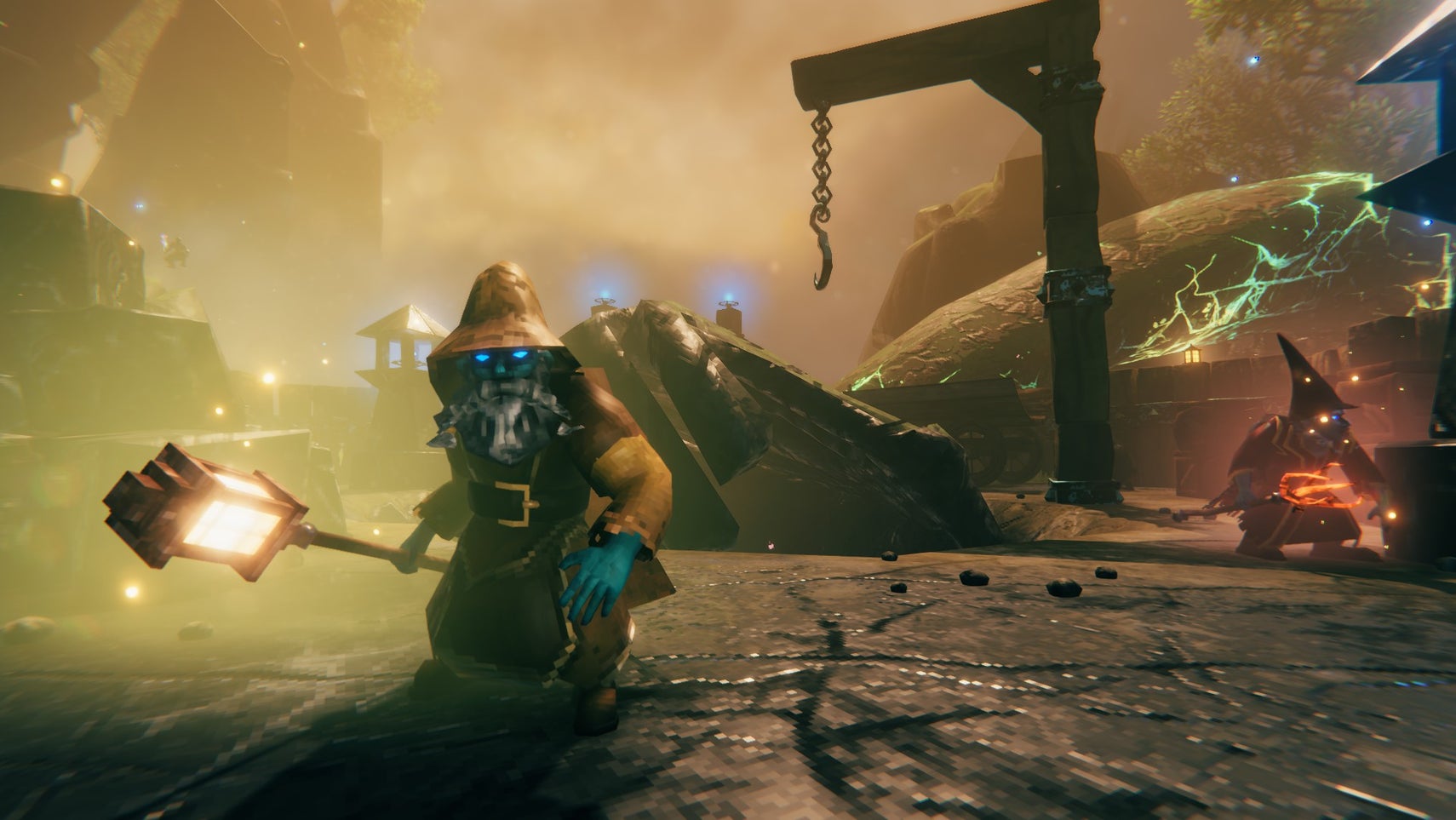
The 1,800-word patch notes detail an overhaul of the game’s combat and utility options. Over 40 new weapons have been added, ranging from traditional Norse-inspired steel to more exotic, magical implements that utilize the "Eitr" system introduced in previous updates. This expansion significantly diversifies the "meta" for high-level play, allowing for more specialized roles in cooperative groups. Furthermore, the building system—a cornerstone of Valheim’s popularity—has received a wealth of new decorative and structural components, allowing players to construct even more elaborate viking halls and defensive fortifications.
On the technical front, Version 1.0 introduces a much-requested "Extended Draw Distance" setting. This graphical enhancement allows players to see significantly further across the horizon, showcasing the game’s unique atmospheric rendering and making navigation across the ocean biomes more visually spectacular. The update also includes comprehensive optimization for the Steam Deck and the newly supported console platforms, ensuring that the game’s performance remains stable even during complex base-building or large-scale boss encounters.
Market Performance and Platform Diversification
The timing of the 1.0 release has proven to be a masterstroke for Iron Gate and Coffee Stain. By reaching 160,000 concurrent players on Steam, Valheim has outperformed nearly every other survival title currently on the market, save for perennial giants like Rust or newer sensations like Palworld. This surge suggests that a significant portion of the original 10-million-plus purchasers were waiting for the "complete" tag before returning to the game.
However, the Steam statistics only tell part of the story. The simultaneous launch on PlayStation 5 and the Nintendo Switch 2 opens the game to tens of millions of potential new players. While the Xbox Series X/S version has been available via Game Pass for some time, the inclusion of the PlayStation and Nintendo audiences creates a truly cross-platform community. Iron Gate has confirmed that cross-play remains a core feature, allowing vikings on PC to build and fight alongside their counterparts on consoles seamlessly. This interoperability is expected to bolster the game’s longevity as it moves into its post-launch support phase.
Industry analysts suggest that Valheim’s success in 1.0 is a testament to the "Early Access done right" model. Unlike titles that languish in developmental limbo or release 1.0 versions that feel unfinished, Valheim’s transition feels like a genuine completion of a vision. The gradual rollout of biomes—Meadows, Black Forest, Swamps, Mountains, Plains, Mistlands, Ashlands, and now Deep North—has provided a clear roadmap that the developers have successfully fulfilled.
Official Responses and Community Impact
While Iron Gate Studio has traditionally remained humble regarding their success, lead developer Richard Svensson has previously noted that the goal for Valheim was always to create a world that felt "alive" and "dangerous." In communications surrounding the 1.0 launch, the studio expressed gratitude to the community that provided feedback over the five-year development cycle. The developers emphasized that while 1.0 marks the end of the initial roadmap, it does not necessarily mean the end of Valheim’s evolution.

The player community has responded with overwhelming positivity. Social media platforms and the game’s official Discord server have been flooded with images of new Deep North outposts and celebrations of the game’s official release. The "Bees are Happy" meme, which became a symbol of the game’s charm in 2021, has seen a revival as veteran players return to tend to their homesteads.
From a broader industry perspective, Valheim 1.0 serves as a case study in aesthetic and mechanical synergy. The game’s ability to run on modest hardware while delivering some of the most striking vistas in gaming has influenced a new wave of "stylized realism" in the indie space. Its survival mechanics, which reward players for eating and resting rather than purely punishing them for failing to do so, have been cited as an inspiration for several recent hits in the genre.
Implications for the Future of Survival Gaming
As Valheim enters its first weekend as a full release, the gaming industry will be watching its performance closely. The jump from 20,000 to 160,000 players on a single platform indicates that the "survival-crafting" genre has immense staying power when supported by meaningful content updates. The successful deployment on the Nintendo Switch 2 is particularly noteworthy, as it suggests the game’s engine has been successfully optimized for the latest handheld hardware, potentially setting a standard for other PC-centric survival games looking to port to the platform.
Looking ahead, the "completion" of the Tenth World opens the door for new types of content. While the primary biome-based progression is now finished, there is speculation regarding potential "sub-biome" expansions, deeper ocean content, or even new dimensions accessible through the game’s mystical portals. For now, however, the focus remains on the Deep North. The 1.0 update ensures that Valheim is no longer just a viral trend of the early 2020s, but a permanent and polished fixture of the gaming landscape.
The resurgence of Valheim proves that in an era of "live service" fatigue, a well-crafted, finite progression system can still capture the collective imagination of the global gaming community. As thousands of new and returning vikings set sail for the Deep North this weekend, Valheim stands as a definitive success story for independent development, proving that a small team with a clear vision can indeed conquer the world—one procedurally generated forest at a time.