George Chandra Eka
Apple Wallet and Apple Pay, while often referenced interchangeably in common discourse, represent distinct yet fundamentally interconnected components of Apple’s robust digital payment and credential management system. Understanding their individual functions and symbiotic relationship is crucial for users to fully leverage the capabilities offered by the tech giant. This article aims to clarify these differences, provide historical context, detail their operational mechanisms, and explore their broader implications within the evolving landscape of digital commerce and personal identification.
Apple Wallet: The Digital Hub for Credentials
At its core, Apple Wallet functions as a secure digital container housed within an iPhone (and with a companion interface on the Apple Watch). Its primary purpose is to consolidate and manage a wide array of digital credentials, transforming the physical wallet into a virtual counterpart accessible at a tap. This includes, but is not limited to:
- Payment Cards: Digital representations of debit, credit, and prepaid cards from various financial institutions. This is arguably its most recognized function, enabling seamless integration with Apple Pay.
- Transit Cards: Digital versions of public transportation passes, allowing users to tap their device to board buses, trains, and subways in supported cities worldwide.
- Loyalty and Rewards Cards: Storage for store-specific loyalty programs, eliminating the need to carry numerous plastic cards and ensuring rewards are easily applied at checkout.
- Boarding Passes: Airline tickets and other travel documents, streamlining airport security and boarding processes.
- Event Tickets: Digital access to concerts, sports events, and other venues, often with dynamic QR codes or barcodes for entry.
- Digital IDs: In select regions and with increasing adoption, state-issued driver’s licenses and identity cards can be stored, offering a secure and convenient method for identity verification.
- Car Keys: For compatible vehicles, Wallet can store digital car keys, allowing users to unlock, start, and share access to their cars.
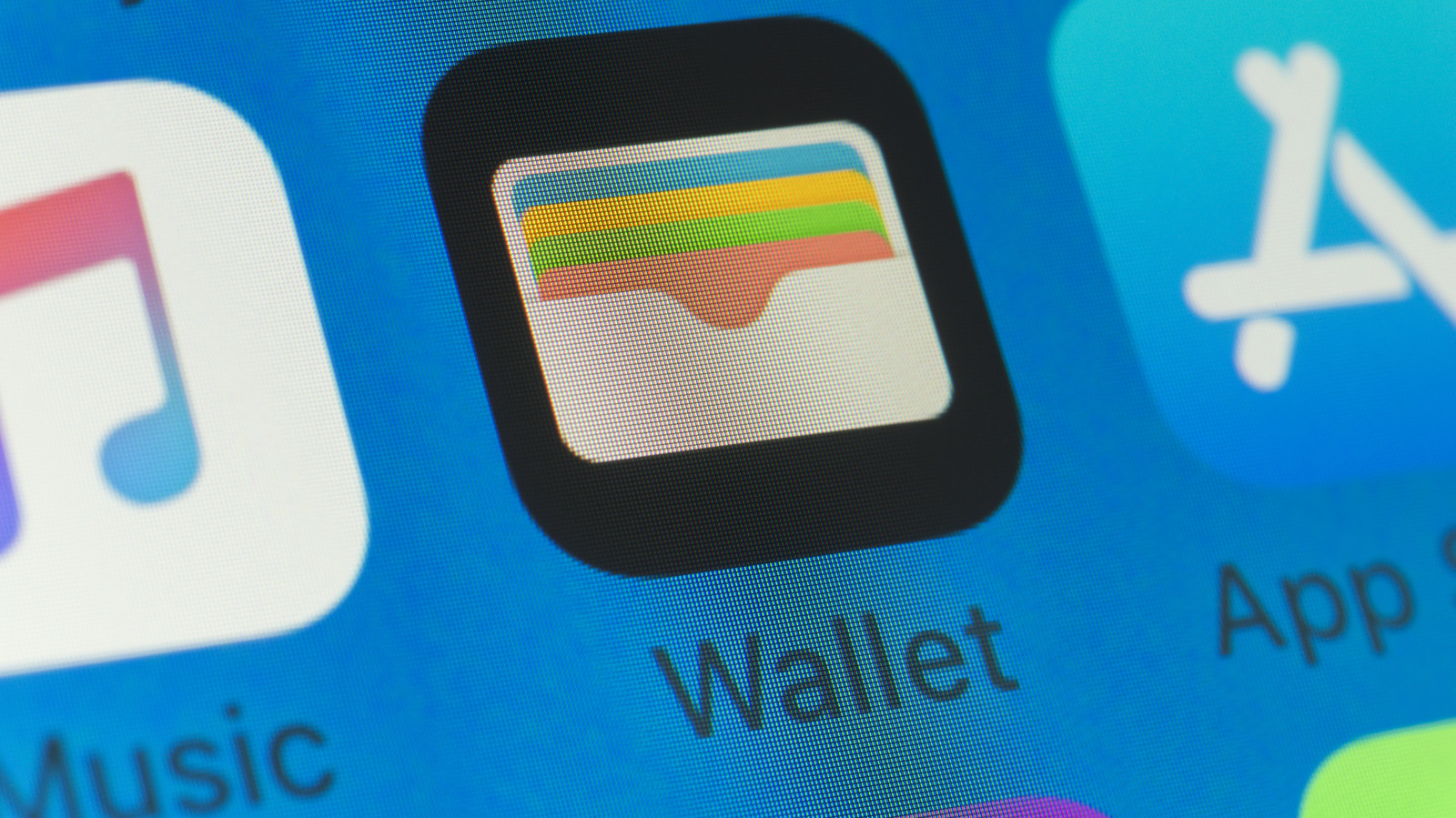
The significance of Apple Wallet lies in its ability to centralize and secure these diverse credentials, making them readily available and reducing physical clutter. It acts as the organizational layer, ensuring that when a specific credential is required—be it a payment card for a purchase or a boarding pass for a flight—it can be quickly retrieved and presented. The application’s design prioritizes user convenience, allowing for quick access via the side button or through the Wallet app icon itself.
Apple Pay: The Secure Payment Service
In contrast to Wallet’s role as a digital repository, Apple Pay is the actual contactless payment service that enables secure transactions using the cards stored within Apple Wallet. It is the action, the mechanism through which payment is executed, whether at a physical point-of-sale terminal, within an application, or on a website.
The operational flow of Apple Pay for an in-store transaction typically involves:
- Initiation: The user double-presses the side button on their iPhone or Apple Watch (or selects Apple Pay as a payment option online/in-app).
- Card Selection: The default card stored in Wallet is presented, but the user can easily switch to another card if desired.
- Authentication: A critical security step where the user verifies their identity using Face ID, Touch ID, or a passcode. This ensures that only the device owner can authorize a transaction.
- Transaction: Once authenticated, the device is held near an NFC (Near Field Communication) reader at the checkout terminal. A secure, encrypted transaction then occurs between the device and the terminal.
For online and in-app purchases, the process is similar. Users select Apple Pay at checkout, choose their desired card from Wallet, and authenticate the purchase with Face ID or Touch ID. This integrates the security and convenience of Apple Pay into the broader e-commerce landscape, removing the need to manually enter card details for each transaction.
The Underlying Security Architecture: Tokenization and the Secure Element
The robust security framework of Apple Pay is a key differentiator and a primary reason for its rapid adoption. When a credit or debit card is added to Apple Wallet, the actual card number is not stored on the device or on Apple’s servers. Instead, a unique Device Account Number (DAN) is generated, encrypted, and securely stored in the Secure Element—a dedicated, certified chip designed for cryptographic operations and secure storage of sensitive data, physically isolated from the device’s main processor.
During an Apple Pay transaction:
- The DAN, not the actual card number, is transmitted to the merchant.
- A dynamic, one-time transaction-specific security code (cryptogram) is also generated by the Secure Element and sent with the DAN.
- Neither Apple nor the merchant ever sees or stores the user’s actual credit or debit card number, significantly reducing the risk of fraud and data breaches.
- Apple’s servers do not retain any transaction information that can be tied back to the user’s identity, reinforcing a strong commitment to privacy.
This tokenization process, combined with the Secure Element and mandatory biometric authentication, makes Apple Pay inherently more secure than traditional physical card payments, where card numbers are routinely exposed to merchants and potentially vulnerable to skimming or data theft. Users can even view the last four digits of their DAN within the Wallet app (Card Details > Card Information, after authentication) to differentiate Apple Pay transactions from other uses of their physical card.
A Chronology of Apple’s Payment Innovations
Apple’s journey into the digital payment space began with a clear vision to simplify and secure transactions:
- 2014: The Genesis of Apple Pay. Apple officially launched Apple Pay alongside the iPhone 6, iPhone 6 Plus, and Apple Watch. This marked a pivotal moment, leveraging NFC technology and the new Secure Element to enable contactless payments in physical stores. Initial partnerships with major banks and card networks (Visa, MasterCard, American Express) were crucial for its rollout. The primary goal was to offer a more secure and convenient alternative to traditional card payments.
- 2015-2016: Expansion and Integration. Apple Pay expanded its reach to additional countries, including the UK, Canada, Australia, and China. It also began integrating with online apps and websites, allowing users to make purchases without re-entering card details. The introduction of loyalty cards and specific store cards into Wallet further enhanced its utility.
- 2017: Introduction of Apple Cash. This year saw the launch of Apple Cash, a peer-to-peer payment service integrated directly into iMessage and Apple Wallet. Users could send and receive money from friends and family, with funds stored on a virtual Apple Cash card in Wallet, which could then be used for Apple Pay purchases or transferred to a bank account.
- 2018-Present: Diversification and Enhanced Functionality. Apple continued to broaden the scope of Wallet. Transit cards became a significant feature in major cities globally, allowing users to tap and pay for public transport directly with their iPhone or Apple Watch. The ability to add student ID cards for campus access and, more recently, digital car keys and state-issued driver’s licenses (in supported U.S. states) showcased Wallet’s evolution beyond just payments to a comprehensive digital identity and access platform. The "Tap to Pay" feature, allowing merchants to accept Apple Pay directly on an iPhone without additional hardware, represents a significant step towards democratizing contactless payment acceptance.
Apple Cash: The Peer-to-Peer Payment Dimension
Apple Cash is a distinct service within the Apple ecosystem, specifically designed for person-to-person money transfers. While it operates within Apple Wallet and leverages the underlying security principles of Apple Pay, its function is different from merchant payments.
Users can send or request money through iMessage, directly from the Apple Cash card within Wallet, or via the newer "Tap to Cash" feature in iOS 18 for proximity-based transfers. The process is streamlined: select a contact, enter the amount, and authenticate. For a recipient to receive funds, their phone number must be linked to an eligible Apple Account.
Once money is received, it resides on the virtual Apple Cash card in Wallet. From this interface, users can:
- Use the balance for purchases wherever Apple Pay is accepted.
- Add more funds from a linked debit card.
- Set up recurring payments.
- Transfer the balance to a linked bank account.
It is important to note that Apple Cash is an ecosystem-specific service. It facilitates transfers only between Apple device users, unlike universal services such as Venmo or PayPal, which support cross-platform transactions. This limitation highlights Apple’s strategy of creating a tightly integrated and secure environment for its users.
Broader Impact and Market Implications
The advent and continuous evolution of Apple Wallet and Apple Pay have had profound implications across various sectors:
- Consumer Behavior: These services have significantly accelerated the adoption of contactless payments. The convenience of not needing to carry physical cards, coupled with enhanced security, has made mobile payments a preferred option for millions. This shift was further catalyzed by the COVID-19 pandemic, which saw a surge in demand for touch-free transaction methods. According to data from Statista, the number of mobile payment users worldwide is projected to exceed 1.7 billion by 2024, with Apple Pay being a dominant player in many markets.
- Retail and Merchants: The widespread acceptance of Apple Pay has spurred merchants to upgrade their point-of-sale systems to include NFC readers. Businesses benefit from faster checkout times, reduced handling of cash, and the enhanced security that minimizes chargebacks due to fraud. The "Tap to Pay on iPhone" feature specifically lowers the barrier for small businesses and individual sellers to accept digital payments, transforming iPhones into portable payment terminals.
- Financial Institutions: Banks and credit card companies have largely embraced Apple Pay, recognizing it as a crucial channel for customer engagement and a means to remain competitive in the digital age. Partnerships with Apple allow them to offer a modern payment experience to their cardholders, though it also means sharing a portion of transaction fees. The underlying tokenization technology has been adopted by the broader payment industry as a standard for secure digital transactions.
- Competition and Innovation: Apple Pay operates in a competitive landscape alongside Google Pay, Samsung Pay, and various proprietary bank apps. This competition drives continuous innovation, pushing all players to offer more features, integrate with more services, and enhance security. The race to incorporate digital IDs, transit passes, and loyalty programs into mobile wallets underscores the industry’s focus on creating comprehensive digital credential platforms.
- Privacy and Data Security: Apple’s stringent privacy policies, particularly its commitment not to store transaction data linked to user identities, set a high bar for the industry. This approach aims to build user trust, differentiating Apple Pay from services that might leverage transaction data for advertising or other purposes. This emphasis on privacy is increasingly becoming a critical factor for consumer choice in the digital payment space.
Conclusion
In summation, Apple Wallet and Apple Pay are not interchangeable terms but rather two integral parts of a sophisticated ecosystem designed to modernize and secure personal credentials and financial transactions. Apple Wallet is the digital repository, the secure app that houses your cards, tickets, IDs, and more. Apple Pay is the secure payment service, the method by which you utilize those stored credentials to make purchases, authenticate identity, or engage with services.
Their combined power offers unparalleled convenience, robust security through tokenization and biometric authentication, and a commitment to user privacy that resonates with contemporary consumer demands. As Apple continues to innovate, expanding Wallet’s capabilities to include a wider array of digital identity and access features, and refining Apple Pay’s transactional efficiency, the synergy between these two components will undoubtedly continue to shape the future of digital interaction and commerce. Understanding this distinction is key to appreciating the depth and ingenuity behind Apple’s contributions to the digital age.