Vera Intan Clara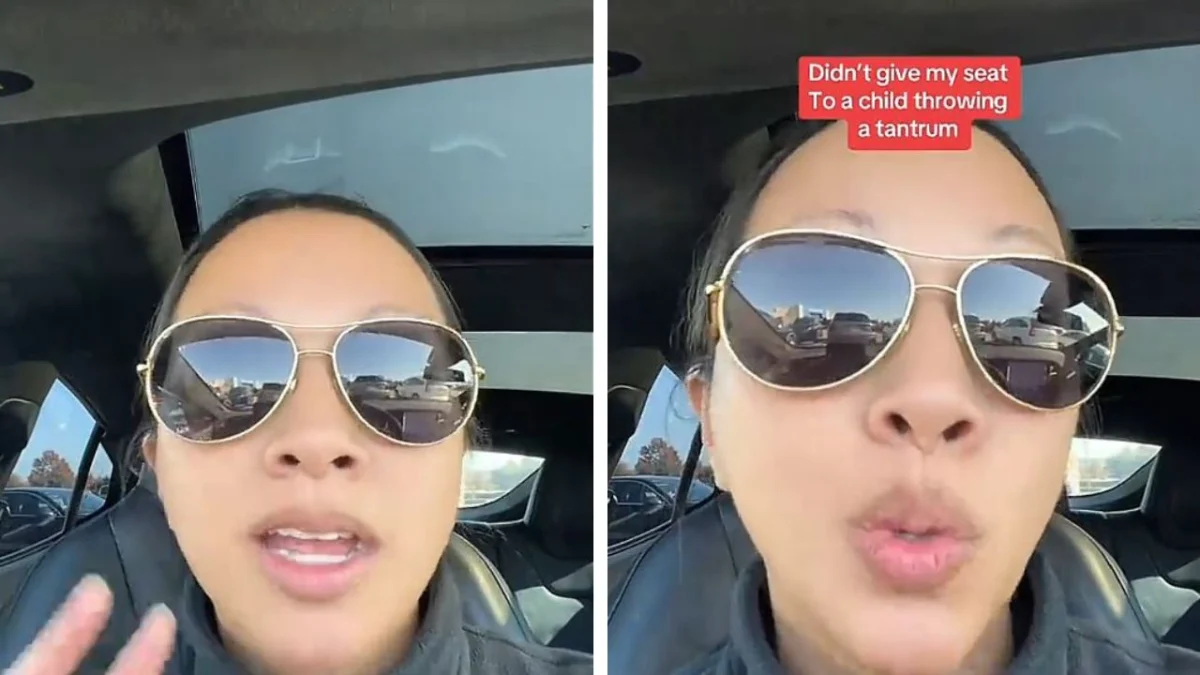
A TikTok video posted by user @unpluggedmoments on December 6, 2024, has rapidly become a focal point of online discussion, detailing a contentious in-flight encounter where a passenger declined to surrender her pre-purchased window seat to a child experiencing a tantrum. The incident, recounted by the creator, has resonated widely, accumulating significant engagement across the platform. As of publication, the video had garnered an impressive 320,500 likes, sparked 33,000 comments, been saved 8,532 times, and shared by 4,153 users, underscoring the public’s keen interest in matters of airline conduct and individual rights versus perceived social obligations. The narrative presented by @unpluggedmoments highlights a common friction point in modern air travel: the conflict between a passenger’s entitlement to a paid amenity and the unwritten expectations of flexibility, particularly when children are involved.
The In-Flight Confrontation: A Detailed Chronology
The events described by the TikTok creator unfolded during a domestic flight, for which she had proactively secured a window seat. Her decision was not arbitrary; she explicitly stated she had paid for the seat with her own money, emphasizing that it was not obtained through any trade or exchange. Her rationale for selecting the window seat was twofold: a personal preference for enjoying the aerial views and a practical need to mitigate motion sickness, a condition often eased by having a fixed point of reference outside the aircraft.
Upon boarding and settling into her assigned seat, the creator observed the family occupying the remainder of her row. The family unit consisted of a mother, a father, and a young daughter. The seating arrangement placed the daughter in the middle seat, flanked by her father in the aisle seat and the creator in the window seat. The mother was seated across the aisle, separated from her immediate family members. Initially, the flight proceeded without incident, establishing a period of calm that would soon be disrupted.
The tranquility was shattered when the young daughter began to express a strong desire for the window seat. Her initial requests quickly escalated into what the creator described as a "full tantrum," a term that typically denotes a significant display of distress, frustration, and defiance in a child, often involving crying, screaming, and physical outbursts. Faced with the escalating situation, the creator adopted a strategy of non-engagement, choosing to look out the window and allowing the parents to manage their child’s behavior, in line with common expectations that parents are primarily responsible for their offspring’s conduct in public spaces.
However, the situation persisted and intensified, eventually leading the father to intervene directly. He leaned over and addressed the creator with a request: "Excuse me… do you mind switching seats with my daughter so she can be in the window seat?" The creator, standing firm on her prior arrangements and personal needs, respectfully declined. Her response was clear and concise: "No, unfortunately I purchased this seat long time ago. It’s specifically for the window because I like to look outside the window because of the view and also sometimes I get motion sickness so it kind of helps me." This justification articulated both her enjoyment and her medical necessity, aiming to provide a comprehensive reason for her refusal.
Despite her explanation, the father persisted, attempting to frame the request as a matter of generosity rather than a right. He pushed back, stating, "Yeah, but it would be really nice of you to do something like this." The creator, maintaining her composure, reiterated her position, reinforcing the legitimacy of her claim to the seat: "Sir, I reserved the seat long time ago. I bought it with my own money, didn’t trade it with anyone, and I need it because sometimes I get motion sickness and I enjoy the view." The father’s subsequent remark, suggesting that switching seats "wouldn’t hurt" her, was met with a nuanced and assertive reply from the creator: "You’re right, it wouldn’t. However, I purchased a seat. I understand your frustration, but I need to sit by the window." This statement acknowledged the father’s predicament while firmly asserting her own rights and needs.
Following this definitive refusal, the father reportedly glared at the creator. The mother then intervened by providing the daughter with a tablet, which ultimately succeeded in calming the child after approximately ten minutes. For the remainder of the flight, the creator reported receiving "judgmental looks" from the parents, indicating their displeasure with her decision.
The tension resurfaced during the deplaning process. The creator overheard the mother remarking, "Some people just don’t have a heart during this time of the year." Recognizing the thinly veiled criticism, the creator directly addressed the mother, informing her that she had heard the comment. She then calmly reiterated her earlier justifications, reminding the mother that she had purchased the seat, had not traded it, and required it due to motion sickness. This final exchange underscored the unresolved resentment from the family and the creator’s continued defense of her actions.
Broader Context: Air Travel Etiquette and Seat Selection Policies
The incident brings into sharp focus the often-unspoken rules and established policies governing air travel. In an era where airlines increasingly unbundle services, paying for a specific seat, especially one with desirable attributes like a window or aisle, has become a standard practice and an additional revenue stream for carriers. Passengers who pay these extra fees expect to receive the amenity they have purchased. This contractual agreement forms the bedrock of a passenger’s right to their chosen seat.
Airline policies generally support the passenger’s right to their assigned seat. Unless there is a safety concern, an operational necessity (e.g., aircraft change), or a direct request from airline personnel for a re-seating due to overbooking or specific passenger needs (e.g., a passenger with a disability requiring an accessible seat), airlines do not typically mediate casual seat swaps. Passengers are largely responsible for their own seat choices and any arrangements they make.
However, air travel also operates within a complex web of unwritten social rules and expectations of courtesy. Requests for seat changes, particularly to accommodate families or individuals with specific needs, are not uncommon. The challenge arises when such requests transition from polite inquiries into demands, or when the refusal of a request is met with hostility or an expectation of compliance. The implicit social contract of "being nice" or "accommodating others" often clashes with the explicit contractual rights of a paying customer.
Traveling with children, especially young ones, presents unique challenges for parents. The confined space of an aircraft, changes in air pressure, disrupted routines, and the sheer length of flights can all contribute to child distress and tantrums. Recognizing these difficulties, many passengers are often sympathetic to families. However, there is a general consensus that managing a child’s behavior remains primarily the parents’ responsibility, and that the emotional labor or accommodation should not be automatically shifted to unrelated fellow passengers. Proactive measures, such as booking seats strategically (e.g., ensuring family members are together, or booking a window seat if a child strongly prefers it), preparing adequate entertainment, and managing expectations, are often seen as essential parental duties.
The Digital Aftermath: Public Reaction and Commentary
The viral nature of @unpluggedmoments’ TikTok video underscores the public’s engagement with these micro-dramas of everyday life. The comments section quickly became a forum for debate, but with an overwhelming majority siding with the creator’s decision not to give up her seat. This sentiment reflects a broader societal pushback against perceived entitlement and a strong affirmation of individual rights in commercial transactions.
Numerous commenters, including self-identified parents, voiced their support for the creator. One such comment read, "Coming from a parent…YOU ARE 100% in the right and have no reason to have to justify it!!!" This particular comment holds significant weight as it directly addresses the often-cited argument that parents should receive preferential treatment. Another parent echoed this sentiment, writing, "Agree. Also a parent. I don’t appreciate when other parents try to pull stuff like this. Your child’s behavior is not a stranger responsibility to manage." These statements from within the parenting community are crucial, as they dispel the notion that all parents expect or demand such accommodations, instead emphasizing personal responsibility.
The comments also revealed that the creator’s experience was not an isolated incident. Another user shared a similar anecdote, highlighting the emotional toll such encounters can take: "About 5 months ago I was on plane first time ever I paid the extra money to pick my seat because of anxiety and was asked to switch seats I said no when given dirty look I said." This story adds a layer of depth, demonstrating that paid seat selections often serve not just for comfort or view, but for critical personal needs like managing anxiety.
Recurring themes in the commentary included the unassailable "right to a paid seat," the imperative of "parental responsibility," and a strong critique of "entitlement" when requests for accommodation become demands. Many users expressed frustration with parents who seemingly expect strangers to solve their parenting challenges, particularly when it infringes upon another passenger’s pre-purchased comfort or necessity. The role of social media platforms like TikTok in amplifying these seemingly minor incidents into significant public discussions cannot be overstated. These platforms transform private disputes into public debates, allowing millions to weigh in on matters of etiquette, fairness, and social norms, thereby shaping collective perceptions and expectations.
Analysis and Implications
The incident detailed by @unpluggedmoments serves as a microcosm of larger societal debates concerning individual rights versus collective good, and the often-blurred lines between politeness and entitlement. The "entitlement" debate is particularly potent in this context; while a polite request for a seat swap is generally considered acceptable, the persistence and subsequent judgmental behavior from the parents suggest an expectation of compliance rather than a respectful inquiry. This shift from request to expectation often fuels public indignation.
Such conflicts undoubtedly impact the overall passenger experience. For the creator, the flight was marred by the initial confrontation and the subsequent "judgmental looks." For the family, it was a source of frustration and, seemingly, a feeling of being wronged. These negative interactions contribute to the often-stressful environment of air travel, transforming what should be a relatively routine journey into a source of tension and discomfort for all involved.
The incident also highlights the tension between societal expectations of "kindness" or "accommodation" and the contractual agreement of a paid service. While it might be considered "nice" to give up a seat, the creator’s decision was rooted in a legitimate purchase and personal need, challenging the notion that kindness should supersede contractual rights, especially when it comes at a personal cost. The mother’s parting comment about "some people just don’t have a heart during this time of the year" further weaponizes the concept of kindness, attempting to evoke guilt or shame, a tactic often observed during the holiday season when expectations of generosity are heightened.
Looking ahead, such viral incidents may subtly influence the future of air travel. While it is unlikely to lead to immediate changes in airline policy, it could foster greater awareness among passengers regarding seat swap requests. Parents traveling with children might be encouraged to adopt more proactive strategies, such as meticulously booking appropriate seats, preparing extensive entertainment options, and discussing expectations with their children beforehand, rather than relying on the goodwill of fellow passengers. Conversely, passengers who have paid for specific seats may feel more empowered to decline swap requests without guilt, bolstered by the widespread online support for such decisions.
Verification and Journalistic Standards
It is important to note, in line with established journalistic practices, that The Daily Dot, like other news outlets, was unable to independently verify the specific events described in this video. This includes confirming the identities of the family involved, the specific flight details, or any direct corroboration of the interaction. The details presented in this article reflect the TikTok creator’s account as shared on her platform. This adherence to verification standards ensures that while the narrative is reported, its factual basis outside of the creator’s testimony remains unconfirmed.