George Chandra Eka
The transition to electric vehicles (EVs) marks a pivotal moment in global transportation, driven by environmental imperatives and the economic benefits of eschewing fossil fuels. As more consumers embrace EVs, the question of home charging infrastructure becomes increasingly pertinent, with many deliberating between standard household outlets (Level 1 charging) and dedicated, faster Level 2 chargers. The decision is multifaceted, hinging on factors such as the size of the vehicle’s battery, daily usage patterns, and the vehicle’s maximum AC charging speed, alongside the homeowner’s existing electrical infrastructure and budget. Ultimately, optimizing home charging is not merely about convenience; it is a critical component of maximizing the economic advantages of EV ownership and contributing to a more sustainable energy future.
The Accelerating Shift to Electric Vehicles: Context and Growth
The landscape of personal transportation is undergoing a profound transformation, with electric vehicles moving from niche products to mainstream contenders. This paradigm shift is underpinned by a global consensus on climate change mitigation, pushing governments and industries towards decarbonization. Nations worldwide have implemented ambitious targets for EV adoption, including outright bans on new gasoline-powered vehicle sales in the coming decades. For instance, the European Union has set a 100% CO2 emissions reduction target for new cars by 2035, while several U.S. states, led by California, have adopted similar timelines.
This policy push is mirrored by burgeoning consumer demand and technological advancements. Global EV sales surged by over 60% in 2022, reaching more than 10 million units, and are projected to continue their rapid ascent, with some forecasts suggesting EVs could account for over 50% of new car sales by 2030 in key markets. In the United States, EV sales comprised nearly 8% of the total market share in 2023, a significant jump from just 3% in 2020. This growth is not accidental; it is fueled by a combination of factors, including expanding model availability, improving battery range, and the escalating cost of traditional fuels. The average cost of powering an EV using household electricity is approximately one-third that of gasoline or diesel, a compelling economic argument, particularly amidst fluctuating global energy prices. Moreover, government incentives, such as the federal tax credits offered under the Inflation Reduction Act (IRA) in the U.S. for both EV purchases and charging equipment installations, further sweeten the deal for prospective owners. The IRA’s provisions, offering up to a $7,500 tax credit for eligible new EVs and a 30% tax credit (up to $1,000) for qualified home charging equipment, underscore a governmental commitment to accelerating the transition.
The evolution of EV charging standards has also played a crucial role in market maturation. Early EVs often featured proprietary connectors, creating fragmentation. However, the adoption of the J1772 connector for Level 1 and Level 2 AC charging became a de facto standard across North America, ensuring interoperability. More recently, Tesla’s North American Charging Standard (NACS) has gained significant traction, with major automakers announcing plans to integrate NACS ports into their vehicles, signaling a potential consolidation in the charging ecosystem. This standardization reduces consumer anxiety and simplifies infrastructure planning, both for public networks and residential installations.
Understanding Charging Levels: A Technical Overview
To make an informed decision about home charging, it is essential to understand the distinct characteristics and capabilities of the various charging levels.
Level 1 Charging (120V AC): The Entry Point
Level 1 charging utilizes a standard 120-volt AC household outlet (NEMA 5-15) and typically delivers between 1.4 kW and 1.9 kW of power. This translates to adding approximately 3 to 5 miles of range per hour of charging. While universally accessible and requiring no special installation beyond the vehicle’s charging cable, Level 1 is the slowest charging method. For plug-in hybrid electric vehicles (PHEVs) with smaller battery packs (e.g., 10-20 kWh), Level 1 can often replenish the battery overnight. For example, a Toyota Prius Prime with a 14 kWh battery might fully charge in under 10 hours. However, for battery electric vehicles (BEVs) with larger capacities, Level 1 charging becomes significantly less practical. A Fiat 500e (38 kWh) would take around 21 hours, a Tesla Model 3 (79 kWh) approximately 43 hours, and a large-battery pickup like the GMC Sierra EV (155 kWh) a staggering 86 hours – more than 3.5 days – to achieve a full charge from empty. This makes Level 1 primarily suitable for low-mileage commuters, supplementary charging, or as a last resort, rather than a primary charging solution for most BEV owners. While seemingly convenient, continuous high-draw on a standard household circuit over many hours also raises safety considerations if the wiring is old or not up to code, though most modern vehicles and charging cables have built-in safety features.
Level 2 Charging (240V AC): The Residential Standard
Level 2 charging is the most common and recommended home charging solution for BEVs. These systems operate on a 240-volt AC circuit, similar to those used for electric clothes dryers or ovens. Residential Level 2 chargers typically output power ranging from 3.3 kW to 11.5 kW, though commercial units can reach up to 19.2 kW. The power output depends on the amperage of the dedicated circuit installed in the home. A 16-amp, 240-volt system provides approximately 3.5 kW, adding about 12-15 miles of range per hour. A more common 32-amp system delivers around 7.4 kW, adding 25-30 miles per hour. High-end residential units on 48-amp circuits can achieve 11.5 kW, providing up to 40-45 miles of range per hour. This dramatically reduces charging times compared to Level 1, making overnight full charges feasible for most BEVs. For instance, a Tesla Model 3 (79 kWh) could be fully recharged in approximately 11 hours with a 7.4 kW charger, while the GMC Sierra EV’s 155 kWh battery would take about 22 hours. Level 2 chargers use either the J1772 connector (for most non-Tesla EVs) or the NACS connector (for Teslas and increasingly other brands), and the vehicle’s onboard charger converts the AC power to DC for the battery. A key benefit of Level 2 chargers, beyond speed, is enhanced safety, as they often incorporate advanced protection features like grounding fault detection and DC leakage protection, offering a more robust and secure charging experience compared to basic Level 1 setups.
DC Fast Charging (Level 3): Public and On-the-Go
It’s crucial to distinguish Level 1 and Level 2 AC home charging from DC (Direct Current) Fast Charging, often referred to as Level 3. DC Fast Chargers are high-power public charging stations (not typically installed residentially) that deliver power directly to the EV’s battery, bypassing the vehicle’s onboard AC-DC converter. These stations can provide hundreds of kilowatts, significantly reducing charging times to minutes rather than hours, making them indispensable for long road trips or when rapid replenishment is needed. However, they are generally more expensive to use and are not a substitute for convenient, cost-effective home charging.
Tailoring Your Charging Solution: Key Decision Factors
The choice between Level 1 and Level 2 home charging is highly personal and depends on a confluence of practical considerations related to your EV and driving habits.
Vehicle Type and Battery Capacity: This is perhaps the most critical factor.
- Plug-in Hybrid Electric Vehicles (PHEVs): With smaller battery packs, typically ranging from 10 kWh to 25 kWh, PHEVs often perform adequately with Level 1 charging. A 14 kWh Toyota Prius Prime, for instance, can fully recharge overnight on a standard outlet, providing its full electric range for the next day’s commute. The maximum AC charge rate for most PHEVs is also relatively low (e.g., Prius Prime at 3.5 kW, RAV4 Prime at 7 kW), meaning a high-power Level 2 charger might not offer significantly faster charging than a mid-range one.
- Battery Electric Vehicles (BEVs) – Small/City Cars: EVs like the Fiat 500e, with battery capacities around 38 kWh, might technically manage with Level 1 if daily mileage is extremely low (e.g., under 20-30 miles). However, even for these, a Level 2 charger provides greater flexibility and ensures a full charge every morning.
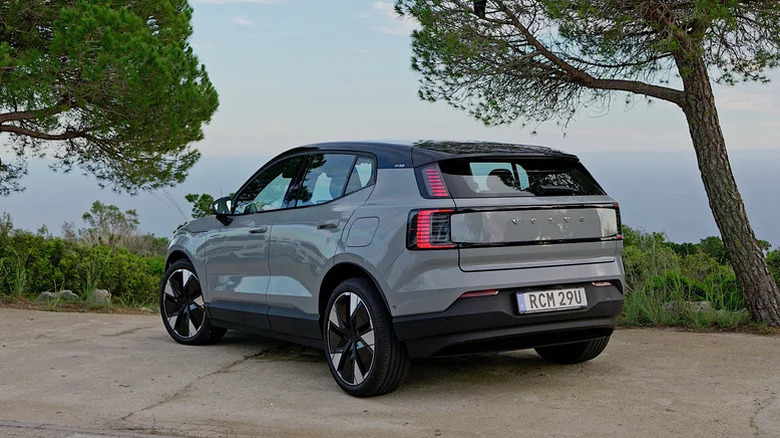
- Battery Electric Vehicles (BEVs) – Standard to Long Range: The vast majority of modern BEVs, such as the Tesla Model 3 (79 kWh), Volvo EX30 (69 kWh), Ford Mustang Mach-E, or Hyundai Ioniq 5, have battery packs ranging from 60 kWh to over 100 kWh. For these vehicles, Level 2 charging is almost a necessity for practical daily use. Relying solely on Level 1 would result in impractically long charging times and potential range anxiety.
- Battery Electric Vehicles (BEVs) – Large/Trucks/SUVs: Vehicles like the GMC Sierra EV (155 kWh) or Rivian R1T (135 kWh) boast massive battery capacities. For these, a robust Level 2 charger, ideally one that can deliver 7.4 kW or even 11.5 kW, is essential to ensure a full charge overnight, especially if significant daily mileage is accumulated.
Daily Driving Habits and Mileage: Your typical daily commute and usage patterns are paramount.
- Low Mileage (Under 50 miles/day): If your daily driving is consistently short, consuming less than 15-20 kWh of your battery’s capacity, Level 1 charging might suffice. You could potentially replenish the consumed energy overnight without fully depleting your battery.
- Moderate to High Mileage (50+ miles/day): For commuters covering longer distances, say 50-100 miles daily, Level 2 charging becomes indispensable. Consider an example: a Tesla Model 3 owner who uses 40% of their battery (approximately 32 kWh or 100 miles of range) daily. On Level 1 (1.8 kW), it would take nearly 18 hours to replenish this charge. This means that consecutive days of driving would quickly deplete the battery, forcing reliance on more expensive and less convenient public charging. With a 7.4 kW Level 2 charger, that 32 kWh can be replenished in under 4.5 hours, easily fitting into an overnight schedule.
EV’s Maximum AC Charging Speed: A crucial, yet often overlooked, factor is the maximum AC charging rate supported by your vehicle’s onboard charger. A Level 2 charger can only deliver power as fast as your car can accept it. For instance, while some Level 2 chargers can output 11.5 kW, a Nissan Ariya or Kia e-Nero might be limited to 7.4 kW AC charging. Similarly, a Toyota Prius Prime might only accept 3.5 kW. Investing in a charger that significantly exceeds your car’s maximum intake speed might be future-proofing, but won’t provide immediate faster charging benefits for your current vehicle. Always consult your EV’s specifications to determine its maximum AC charging capability.
Time Constraints and Convenience: The decision also boils down to lifestyle. If you frequently need quick top-ups, or if your schedule is unpredictable, the faster charging speeds of Level 2 offer unparalleled convenience. The ability to "set it and forget it" overnight, waking up to a fully charged vehicle, significantly enhances the EV ownership experience and mitigates range anxiety.
The Economic and Environmental Case for Home Charging
Beyond personal convenience, home charging, particularly with a Level 2 setup, offers compelling economic and environmental advantages that underscore its importance in the broader energy transition.
Cost Savings:
The most immediate benefit is financial. "Powering your car using household electricity is about three times more economical than running it on gasoline or diesel," a statement that holds true even with fluctuating energy prices. As of late 2023, the national average cost of electricity was around $0.16 per kWh, while gasoline hovered around $3.50 per gallon. Factoring in vehicle efficiency, an EV might cost $0.04 to $0.06 per mile to fuel, compared to $0.12 to $0.15 per mile for a gasoline car.
Furthermore, many utility companies offer "Time-of-Use" (TOU) tariffs, providing discounted electricity rates during off-peak hours, typically overnight. Smart Level 2 chargers can be programmed to charge exclusively during these periods, maximizing savings. A spokesperson for a major utility company might state, "Home charging, especially during off-peak hours, is vital for grid stability and maximizing renewable energy use by shifting demand away from peak times." This strategy not only reduces the individual’s electricity bill but also helps balance the grid load.
Environmental Benefits:
The environmental case for EVs, amplified by home charging, is robust. By reducing reliance on fossil fuels, EVs significantly cut greenhouse gas emissions. A typical gasoline car emits approximately 4.6 metric tons of CO2 per year. An EV, even when charged from a grid relying on fossil fuels, still results in lower overall emissions due to the higher efficiency of power generation and transmission compared to internal combustion engines. As the grid becomes increasingly decarbonized with renewable energy sources like solar and wind, the environmental footprint of EVs shrinks further. An environmental advocate might highlight, "Every home EV charger helps accelerate our transition to a sustainable future by integrating clean transportation directly into our residential energy ecosystem." Moreover, the localized absence of tailpipe emissions in urban areas leads to improved air quality, contributing to better public health outcomes.
Installation Considerations and Costs
The decision to install a Level 2 charger inevitably leads to practical considerations regarding installation and budget.
Electrical Infrastructure Assessment:
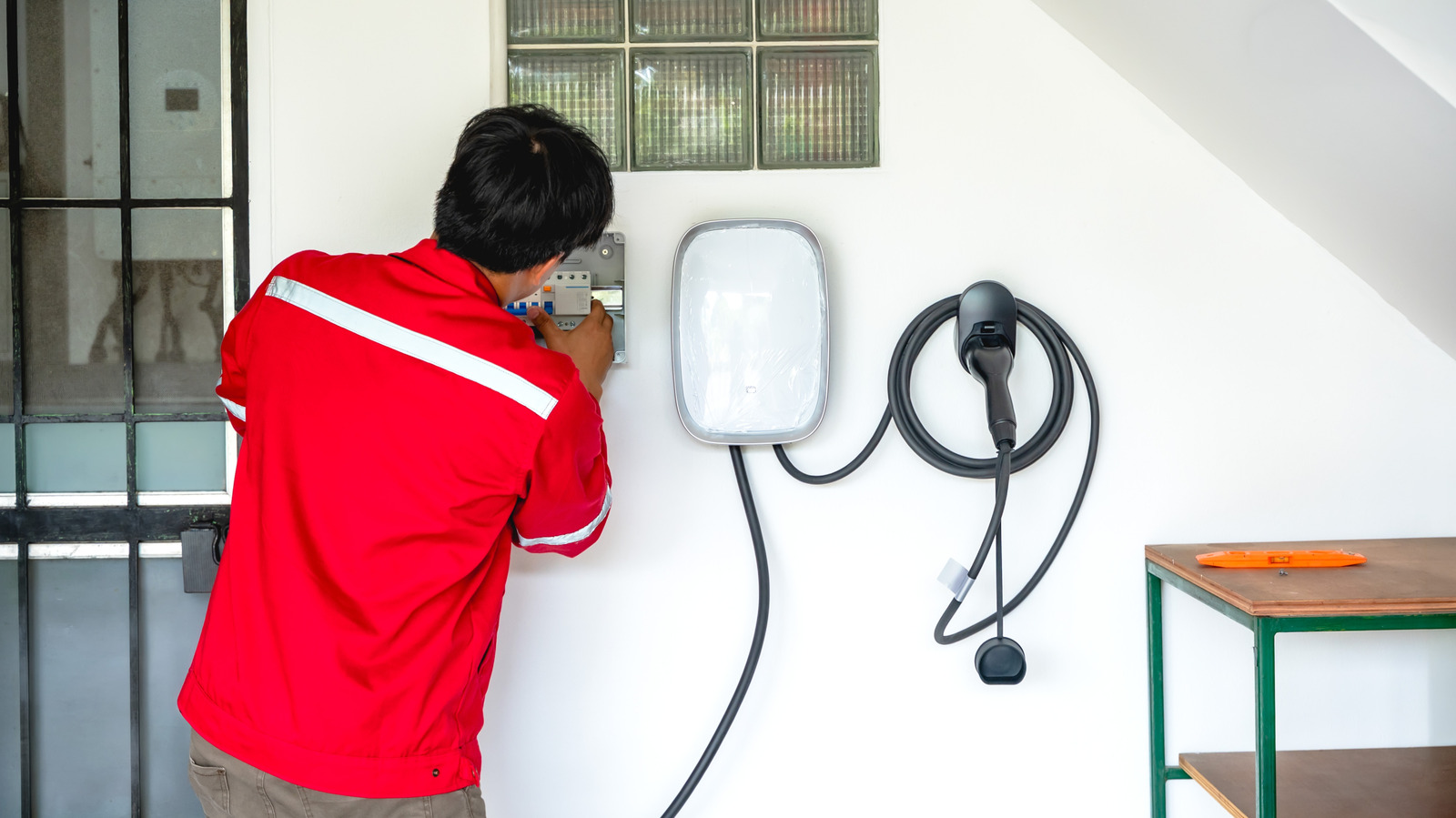
A Level 2 charger requires a dedicated 240-volt circuit. The feasibility and cost of this installation largely depend on your home’s existing electrical panel and its capacity.
- Main Electrical Panel Amperage: Many newer homes are equipped with 200-amp electrical mains, which can generally accommodate a Level 2 charger (typically requiring a 40-amp or 60-amp circuit) without significant upgrades. However, older homes, particularly those with 100-amp mains or less, may require an upgrade to a 200-amp service. This can be a considerable expense, potentially ranging from $2,000 to $5,000 or more, depending on the complexity, local labor costs, and the need for new wiring from the utility connection.
- Dedicated Circuit Requirements: A certified electrician must install a dedicated circuit from your electrical panel to the charger location, ensuring appropriate breaker size and wire gauge to safely handle the continuous high electrical load.
- Permitting and Inspections: Electrical work often requires permits from local authorities and subsequent inspections to ensure compliance with safety codes. This adds to the timeline and overall cost but is crucial for safety and insurance purposes.
Charger Hardware Costs:
The cost of the Level 2 charger unit itself varies significantly based on amperage, brand, and features. Residential 240V chargers generally range from $250 to $700. More advanced "smart" chargers, which offer features like Wi-Fi connectivity, app control, charging schedules, energy monitoring, load balancing, and robust cord management, tend to be at the higher end of this spectrum. Cheaper, simpler units may lack these advanced functionalities.
Installation Labor Costs:
This is often the most variable component of the total cost. Installation can range from a few hundred dollars for a straightforward setup (e.g., a short run from an easily accessible panel to the garage) to several thousand dollars for complex scenarios. Factors increasing cost include:
- Distance from the electrical panel to the desired charger location.
- Need for trenching if the charger is installed outdoors or in a detached garage.
- The necessity of a panel upgrade.
- Regional labor rates and the complexity of local permitting.
A certified electrician is indispensable for ensuring a safe and compliant installation.
Government Incentives:
Homeowners should actively research available incentives. The U.S. federal tax credit mentioned earlier (30% of costs, up to $1,000, for qualified charging equipment and installation) can significantly offset expenses. Many states, municipalities, and local utility companies also offer their own rebates or incentives for EV charger installations. These programs can reduce the net cost, making Level 2 charging more accessible. A government official might comment, "We encourage homeowners to explore the available tax credits and rebates to make EV charging more accessible and support the build-out of our national charging infrastructure."
Safety:
One often-overlooked benefit of professionally installed Level 2 chargers is enhanced safety. Dedicated charging units are designed with multiple layers of protection, including sophisticated grounding (pen fault) and DC leakage detection. While basic Level 1 chargers or adapters have some safety features, they offer limited protection against potential house wiring issues. Dedicated Level 2 systems provide a far more secure solution for continuously drawing high power, mitigating risks associated with overheating or electrical faults. Many models also include built-in monitoring to ensure the charger does not exceed the home circuit’s capacity, preventing overloads. If you already have a 240V outlet for a large oven or RV hookup, compatible Level 2 chargers can sometimes be plugged in without additional electrical modifications, but professional verification of the existing wiring’s capacity and condition is absolutely essential.
Smart Charging and Future-Proofing Your Home
Modern Level 2 chargers are more than just power delivery devices; they are increasingly intelligent hubs that can integrate into a broader home energy management system, offering significant benefits and future-proofing your investment.
Smart Charger Features:
- Load Balancing/Management: This critical feature prevents overloading a home’s electrical panel by intelligently distributing power between the EV charger and other household appliances. This is particularly valuable for homes with 100-amp panels that might otherwise struggle to accommodate a high-power EV charger.
- Scheduling: Smart chargers allow users to schedule charging sessions to coincide with off-peak electricity rates, maximizing cost savings. This automation ensures the vehicle is charged when energy is cheapest and often cleanest (as renewable energy generation may be higher during off-peak times).
- Data Tracking and Analytics: Many smart chargers provide detailed data on energy consumption, charging history, and estimated costs via companion apps. This information empowers owners to monitor their energy usage, track savings, and make informed decisions about their charging habits.
- Integration with Home Energy Systems: Some advanced chargers can integrate with smart home platforms, solar panel installations, and battery storage systems, enabling a holistic approach to home energy management. This allows for dynamic adjustments based on solar production, battery levels, and grid conditions.
Vehicle-to-Grid (V2G) / Vehicle-to-Home (V2H): Emerging Technologies
The future of home charging extends beyond simply drawing power from the grid. Emerging technologies like Vehicle-to-Grid (V2G) and Vehicle-to-Home (V2H) promise to transform EVs into mobile energy storage units. V2G allows an EV to send surplus energy back to the electrical grid during peak demand, potentially earning revenue for the owner and helping stabilize the grid. V2H enables the EV to power a home during outages or to supplement home energy needs, offering increased resilience and energy independence. While these technologies are still in nascent stages of deployment and require compatible vehicles and chargers, they represent the next frontier of EV integration into the home energy ecosystem. The home charger, in this context, becomes a bidirectional energy gateway.
The implications of these smart charging capabilities are profound. They position the home charger not just as an appliance, but as an active, intelligent node within a dynamic and evolving energy landscape. They empower consumers to optimize energy use, reduce costs, and contribute actively to grid stability and renewable energy integration.
Conclusion: Making an Informed Decision and Broader Impact
The decision to install a Level 2 EV charger at home is a strategic one, balancing immediate needs with long-term benefits and broader implications. For owners of plug-in hybrid electric vehicles or smaller battery electric vehicles with minimal daily driving (less than 50 miles), a standard Level 1 charger might prove adequate, avoiding the upfront costs of a dedicated installation. However, for the majority of modern BEV owners, particularly those with standard to long-range models or higher daily mileage, a Level 2 charger is an essential investment for practical, convenient, and cost-effective home charging.
The analysis must carefully consider the EV’s battery capacity, its maximum AC charging speed, and typical daily energy consumption. Equally important are the homeowner’s existing electrical infrastructure and budget, factoring in both the charger hardware and professional installation costs, while also exploring available federal, state, and local incentives. Consulting a certified electrician is a non-negotiable step to assess your home’s electrical capacity, ensure a safe installation, and navigate local codes and permits.
Beyond individual convenience and savings, the widespread adoption of home Level 2 charging has significant collective impacts. It is a critical enabler for the continued growth of electric vehicles, reducing reliance on public charging infrastructure and ensuring a seamless transition for consumers. It contributes substantially to reducing greenhouse gas emissions and improving air quality, aligning with national and global sustainability goals. Moreover, smart charging capabilities foster a more resilient and efficient electrical grid by encouraging off-peak charging and potentially paving the way for future vehicle-to-grid technologies.
Ultimately, the home EV charger represents more than just a convenience; it is a foundational component of the electric vehicle ecosystem, deeply integrated into the fabric of modern sustainable living and a testament to the evolving role of the home in the energy landscape of the 21st century.