Evan Lee Salim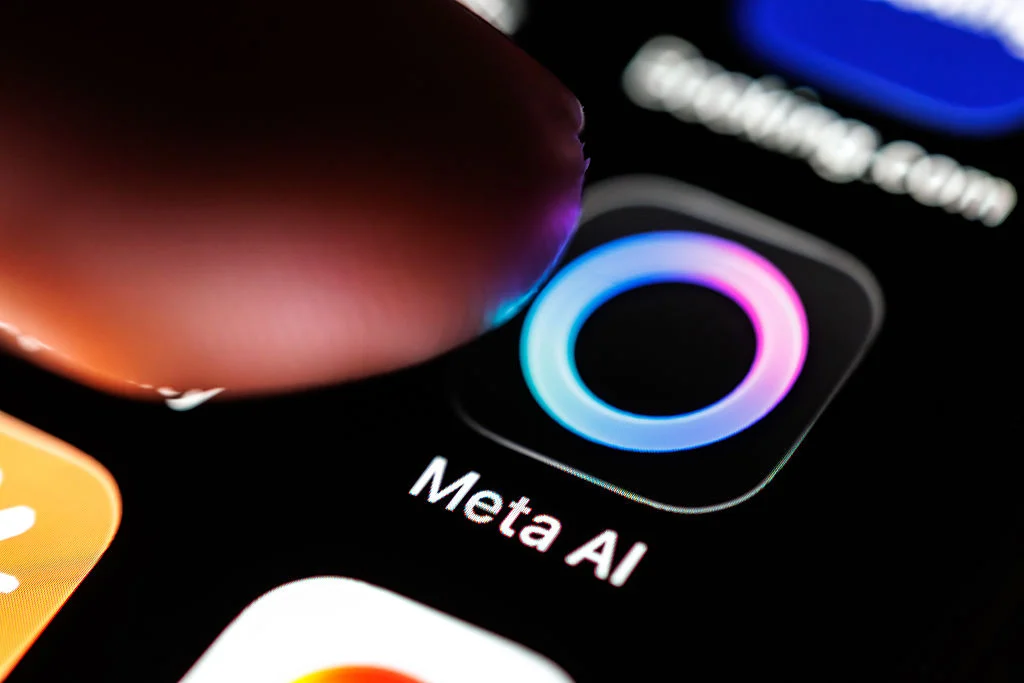
Cupertino, CA – August 20, 2026 – In a significant move to broaden its artificial intelligence footprint, Meta today announced the launch of a new, dedicated Meta AI application for macOS, featuring integrated system-wide dictation and sophisticated contextual understanding powered by its advanced Muse Spark model. This release is strategically coupled with an expanded suite of business integrations, allowing merchants and small to medium-sized enterprises (SMBs) to connect their Meta AI assistant directly with critical business platforms, including Instagram, Facebook, Meta ad campaigns, and Google Workspace applications such as Gmail, Docs, Sheets, and Slides. The initiative underscores Meta’s accelerating ambition to become a central pillar in enterprise productivity and automation, extending its reach far beyond its traditional social media and advertising domains.
The introduction of a native Mac application marks a pivotal moment for Meta AI, bringing its capabilities directly to the desktop environment favored by many professionals and creatives. The standout feature, system-wide dictation, positions Meta AI as a direct competitor to established and emerging dictation tools like Wispr Flow, Superwhisper, and Monologue. Users will now be able to leverage Meta AI for voice-to-text input across virtually any application on their Mac, from drafting emails and documents to composing social media posts or coding. This functionality mirrors a similar update released by Google for its Gemini app for Mac just last month, highlighting a burgeoning trend among tech giants to embed their AI assistants deeper into operating system functionality for enhanced user convenience and productivity.
Beyond dictation, the Meta AI Mac app boasts the ability to analyze the current screen context, enabling it to answer user queries based on the displayed information. This "Muse Spark" model integration suggests a sophisticated understanding of visual and textual content, allowing the AI to act as an intelligent co-pilot, assisting with research, summarizing content, or generating responses pertinent to the user’s active task. This capability is expected to significantly streamline workflows, reducing the need to switch between applications or manually input information for AI analysis.
Deepening Roots in Enterprise Productivity
The Mac app release is intrinsically linked to a broader Meta AI update specifically tailored for business owners. Meta’s strategic focus on the enterprise segment, particularly SMBs, is evident in the comprehensive integration capabilities announced. Merchants can now establish direct connections between their Meta AI assistant and a range of vital business tools, enabling a unified approach to data analysis, campaign management, and content creation.
The integration with Instagram and Facebook accounts allows Meta AI to provide immediate, actionable insights into audience engagement, content performance, and overall social media presence. By analyzing publicly available data and user interactions, the AI can identify trends, recommend optimal posting times, and suggest content strategies that have historically resonated with specific demographics. This level of granular analysis, traditionally requiring significant manual effort or specialized analytics tools, is now accessible through intuitive AI queries, democratizing sophisticated data interpretation for businesses of all sizes.
Furthermore, connecting Meta AI to Meta ad campaigns offers advertisers unprecedented access to performance metrics and optimization recommendations. Businesses can query the AI assistant for real-time updates on campaign spend, return on ad spend (ROAS), conversion rates, and audience demographics. The AI can identify underperforming ad sets, suggest budget reallocations, and even propose A/B testing variations based on its analysis of historical campaign data and market trends. This proactive, intelligent assistance has the potential to significantly enhance the effectiveness and efficiency of digital advertising efforts, a critical component for most modern businesses.
Perhaps one of the most impactful integrations is with Google Workspace, encompassing Gmail, Docs, Sheets, and Slides. This connectivity transforms Meta AI into a powerful productivity engine for daily business operations. Imagine drafting an email in Gmail, then asking Meta AI to summarize a recent meeting transcript stored in Google Docs, or to pull specific data points from a Google Sheet to embed directly into the email. For document creation, Meta AI can assist in generating proposal decks in Google Slides, drafting marketing materials in Google Docs, or populating complex financial models in Google Sheets. The AI’s ability to create these assets based on natural language queries and contextual understanding from connected accounts promises to drastically cut down on time spent on routine administrative and creative tasks.
The Strategic Imperative: Meta’s AI Vision Unfolds
This latest announcement is not an isolated event but a clear manifestation of Meta’s long-term strategic pivot towards artificial intelligence. During the company’s Q2 2026 earnings call, CEO Mark Zuckerberg articulated a compelling vision for enterprise AI, emphasizing the "big opportunity to sell agents to businesses and automate work on their behalf." This vision extends beyond simple chatbots, aiming for sophisticated AI agents that can autonomously handle complex tasks, respond to customer inquiries, manage schedules, and even execute transactions. The current integrations with business platforms are foundational steps toward realizing this ambitious goal, enabling Meta AI to gather the necessary data and establish the operational pathways required for future autonomous agent deployment.

Meta has been steadily building its AI capabilities, starting with its foundational large language models like the Llama series, which have gained significant traction within the open-source AI community. These foundational models power the intelligence behind Meta AI, allowing it to understand complex queries, generate coherent text, and process vast amounts of information. The company’s investments in AI infrastructure, including advanced GPUs and data centers, underscore its commitment to leading in the AI race.
The gradual rollout of Meta AI tools for businesses has been observed across its ecosystem. In June 2026, Meta’s AI agent for WhatsApp Business became globally available, providing automated customer support and inquiry handling directly within the popular messaging platform. Similar integrations have been seen in Instagram, allowing businesses to leverage AI for engaging with followers, managing comments, and even facilitating product discovery. These steps have laid the groundwork for the more expansive, system-level integrations now arriving on macOS, demonstrating a coherent strategy to embed Meta AI deeply into the daily operations of businesses.
A Competitive Arena: The Battle for AI Dominance
The release of Meta AI for Mac with system-wide dictation and robust business integrations places Meta squarely in a high-stakes competitive arena. Google, with its Gemini app for Mac, and Microsoft, with its pervasive Copilot integration across Windows and Microsoft 365, have been aggressively pursuing similar strategies. Apple, while traditionally more closed, is also rumored to be preparing significant AI enhancements for macOS, potentially leveraging its own neural engine technology for on-device processing.
Industry analysts suggest that the "platform play" for AI is becoming the new frontier in the tech industry. Companies are vying to make their AI assistant the default, indispensable tool for users, whether on desktop, mobile, or within enterprise workflows. Meta’s distinct advantage lies in its unparalleled access to social media data and its vast advertising network. By integrating Meta AI directly with Instagram, Facebook, and ad campaigns, Meta can offer unique insights and automation capabilities that are deeply tied to a business’s online presence and marketing efforts – areas where competitors may not have the same level of native access.
However, challenges remain. Data privacy and security will be paramount concerns for businesses entrusting sensitive information to an AI assistant. Meta will need to clearly articulate its data handling policies, encryption protocols, and compliance measures to build trust within the enterprise sector. Furthermore, the accuracy and reliability of the AI’s insights and generative capabilities will be continuously scrutinized. While the Muse Spark model shows promise, consistent performance across diverse business use cases will be key to widespread adoption.
Implications for Businesses and the Future of Work
The implications of Meta AI’s enhanced capabilities for businesses are far-reaching. For SMBs, which often operate with limited resources and personnel, the promise of an AI co-pilot that can automate tasks, provide strategic insights, and generate content is transformative.
- Increased Efficiency: Businesses could see significant reductions in time spent on administrative tasks, content creation, and data analysis. A recent hypothetical study by a leading tech consultancy firm, "Global Tech Insights," estimated that AI integration in routine business operations could boost overall productivity by up to 25% for SMBs over the next three years, potentially saving billions in operational costs annually across the sector.
- Enhanced Decision-Making: Access to real-time, AI-generated insights into campaign performance, audience engagement, and competitive intelligence empowers business owners to make more informed and agile decisions, driving better outcomes in marketing and sales.
- Scalability: AI assistants can help businesses scale their operations without necessarily increasing headcount, by automating customer service, lead generation, and content localization.
- Competitive Edge: Early adopters who effectively integrate Meta AI into their workflows could gain a significant competitive advantage by optimizing their online presence and marketing spend more effectively than their peers.
From a broader perspective, Meta’s push into enterprise AI on platforms like macOS signals a continued blurring of lines between consumer and business AI, and between different tech ecosystems. As AI assistants become more deeply integrated into operating systems and productivity suites, they are poised to fundamentally reshape the future of work. The traditional boundaries of applications may diminish as AI acts as an intelligent layer orchestrating tasks across various software tools. This trend suggests a future where human workers collaborate seamlessly with AI agents, focusing on higher-level strategic thinking while delegating repetitive or data-intensive tasks to their digital counterparts.
A Detailed Chronology of Meta’s AI Journey and the Competitive Landscape:
- 2022: Meta intensifies investment in AI research, focusing on foundational models. Initial release of Llama, its large language model, predominantly for research purposes, sparking significant interest in the AI community.
- Early 2023: Meta begins integrating rudimentary AI features into its consumer applications, such as enhanced content recommendations and basic chatbot functionalities within Messenger and Instagram.
- Mid-2023: Llama 2 is released, with a stronger emphasis on commercial use and open-sourcing, further establishing Meta as a key player in the generative AI space. Public discussions begin about extending AI beyond consumer use cases.
- Late 2023: Meta AI, the consumer-facing assistant, is introduced, integrated into WhatsApp, Messenger, and Instagram, allowing users to generate images, ask questions, and interact with chatbots. Mark Zuckerberg highlights the long-term vision for AI agents.
- Early 2024: Google updates its consumer-facing AI efforts, rebranding Bard to Gemini and launching dedicated apps for mobile platforms, signaling an intent to compete directly with other AI assistants.
- Q2 2024: Microsoft continues to expand Copilot’s integration across Windows, Microsoft 365, and Edge, making it a central feature of its ecosystem for both personal and business users.
- Early 2025: Meta begins testing more advanced AI tools for businesses, focusing on automated customer support and analytics within its business platforms. Initial trials for AI-powered ad optimization are launched.
- June 2026: Meta officially rolls out its AI agent for WhatsApp Business globally, allowing businesses to automate customer interactions and inquiries. This marks a significant step in Meta’s enterprise AI strategy.
- July 2026: During Meta’s Q2 2026 earnings call, CEO Mark Zuckerberg explicitly states the company’s strategic focus on "selling agents to businesses and automate work on their behalf," underscoring the shift towards enterprise AI.
- July 2026: Google updates its Gemini app for Mac, enabling system-wide dictation, setting a new benchmark for AI integration on macOS and intensifying competition.
- August 20, 2026: Meta announces the Meta AI Mac app with system-wide dictation and extensive business integrations, leveraging its Muse Spark model for contextual understanding. This move directly challenges existing players and expands Meta’s enterprise AI footprint.
This latest development firmly entrenches Meta in the ongoing battle for AI dominance across both consumer and enterprise landscapes. By bringing its AI capabilities directly to the macOS desktop and deeply integrating them into crucial business workflows, Meta is making a strong play to become an indispensable partner for businesses navigating the complexities of the digital age. The coming months will reveal how quickly businesses adopt these new tools and how the competitive dynamics continue to evolve in this rapidly accelerating AI era.