Sonny Valindra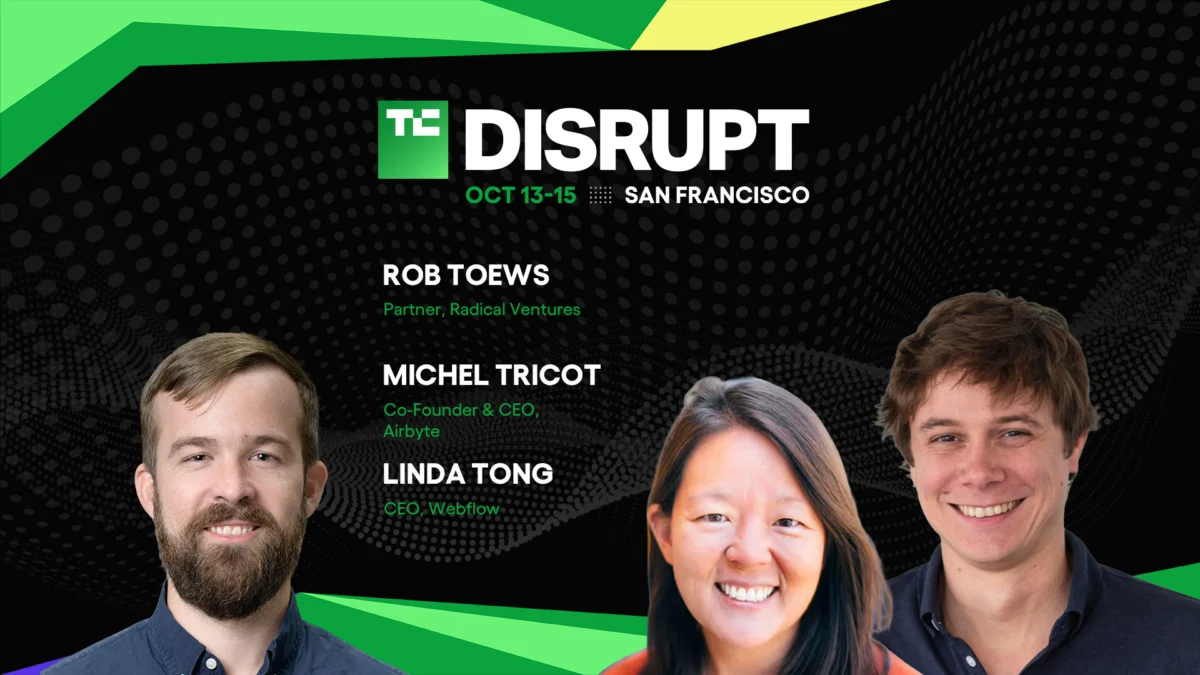
The landscape of artificial intelligence innovation is undergoing a seismic shift, compelling founders to re-evaluate their most formidable competitive threats. No longer is the primary adversary another nascent startup vying for market share. Instead, the very platforms upon which these AI ventures are built—OpenAI, Anthropic, and Google—have emerged as the dominant forces, capable of absorbing and integrating groundbreaking features at an unprecedented pace. This dynamic raises a critical question that is fundamentally reshaping product strategy, fundraising methodologies, and company valuations across the entire AI ecosystem: What happens when a year’s worth of a startup’s development effort is suddenly incorporated into the core offering of a foundational model provider?
This existential query has moved beyond theoretical discussions to become a tangible challenge for AI entrepreneurs. Not long ago, the focus was on outmaneuvering rival startups. Today, the competitive arena has expanded to include the behemoths of foundation model development, entities that are consistently unveiling entirely new capabilities every few months. This rapid evolution necessitates a fundamental re-evaluation of strategic decision-making, from identifying product development roadmaps and areas of differentiation to securing capital and establishing enduring value. The prevailing question has transitioned from "Can we build it?" to the more pressing "Can we still own it?"
This critical strategic dilemma will be at the forefront of discussions at TechCrunch Disrupt 2026, during a pivotal session titled "What Happens When OpenAI Ships Your Roadmap." Scheduled to take place from October 13-15 at Moscone West in San Francisco, this Builders Stage session will feature insights from a distinguished panel of leaders: Michel Tricot, CEO and co-founder of Airbyte; Rob Toews, partner at Radical Ventures; and Linda Tong, CEO of Webflow. TechCrunch Disrupt is renowned as the premier event for the startup community, drawing over 10,000 founders, investors, and operators for more than 250 sessions exploring the market forces that shape how startups are conceived, funded, and scaled.
The Era of "Products Becoming Features"
A core strategic risk confronting AI startups today is not simply losing market share to another agile competitor, but rather discovering that their hard-won competitive advantage has been subsumed into a competitor’s product update. This reality is the driving force behind the upcoming session at TechCrunch Disrupt, which is designed to confront this pressing issue head-on. As foundation models continue their rapid evolution, capabilities that once served as unique differentiators for AI startups are quickly becoming the expected baseline—table stakes in an increasingly competitive market. Consequently, founders are now engaged in a multi-dimensional competition, not only against their peers but also against the very platforms that underpin the entire AI ecosystem.
The forthcoming discussion will delve into why the next generation of successful AI companies may not be defined solely by the sophistication of their underlying models. Instead, future victors are likely to be distinguished by the elements that foundation models cannot easily replicate: proprietary data assets, deeply integrated workflows that become indispensable to users, robust customer relationships built on trust and proven value, specialized domain expertise, and an unshakeable foundation of user trust.
The emerging operational reality for many founders is the necessity to answer the question: "Can we build something that customers will continue to value even after the next significant model release?" This session aims to explore where enduring defensibility still exists in the AI market, how founders can effectively respond when AI giants venture into adjacent market territories, and what fundamentally separates companies that risk becoming mere features from those that successfully maintain their status as independent, valuable businesses.
A Multi-Faceted Approach to Navigating AI’s Competitive Frontier

To comprehensively address this complex challenge, the "What Happens When OpenAI Ships Your Roadmap" session on the Builders Stage will convene a diverse group of experts, each offering a distinct perspective on building defensible AI companies in the current climate. This cross-disciplinary approach is crucial for understanding the multifaceted nature of the problem.
Building Enduring Value in a Volatile Technological Landscape
Michel Tricot, as the CEO and co-founder of Airbyte, has dedicated his career to developing the data integration infrastructure that serves as the backbone for analytics, operations, and AI applications. Under his leadership, Airbyte, an open-source platform, has garnered over 7,000 customers, including an impressive 18% of the Fortune 500. This extensive experience provides Tricot with firsthand insight into the creation of durable businesses that extend beyond the immediate capabilities of foundation models. His perspective will likely focus on the foundational infrastructure and data management layers that remain critical, regardless of underlying AI advancements.
Maintaining Differentiation in a Reshaped SaaS Environment
Linda Tong, CEO of Webflow, is steering one of the industry’s leading visual development platforms through one of the most significant technological shifts in the Software-as-a-Service (SaaS) sector. Her experience in scaling Webflow, coupled with her leadership roles at major technology and sports organizations like Google, Cisco, and the NFL, offers founders practical insights into adapting products and evolving business strategies without compromising competitive advantage. Tong’s insights are expected to illuminate strategies for user experience, platform integration, and community building as key differentiators.
Investor Confidence in Long-Term AI Viability
Rob Toews, a partner at Radical Ventures, is at the forefront of evaluating AI startups on a daily basis. His role involves identifying emerging competitive advantages and assessing the long-term viability of companies in a rapidly evolving market. Toews’s perspective will offer crucial insights into what investors look for when assessing the defensibility and potential for sustained growth in AI companies, particularly in the context of platform dependency. He will shed light on the metrics and strategic considerations that signal a company’s ability to thrive beyond the current technological wave.
Together, these three leaders will bring their unique expertise and vantage points to bear on a single, defining question that looms large for AI startups: What can be built that the major platforms cannot simply integrate and offer as their own?
TechCrunch Disrupt 2026: A Crucible for Startup Innovation

TechCrunch Disrupt 2026, scheduled for October 13-15, is poised to be a critical juncture for the global startup ecosystem. This year’s event is particularly significant as it addresses the profound strategic reorientations necessitated by the rapid advancements in artificial intelligence. The conference provides a platform for innovators, investors, and industry leaders to converge, share insights, and forge the future of technology. With over 10,000 attendees expected, Disrupt offers an unparalleled opportunity for networking, learning, and deal-making. The event’s comprehensive agenda features more than 250 sessions, workshops, and startup competitions, covering a wide array of emerging technologies and business strategies.
The Builders Stage, where the "What Happens When OpenAI Ships Your Roadmap" session will be held, is specifically curated to provide practical, actionable advice for founders and builders. It focuses on the technical and strategic challenges that are shaping the next generation of software and AI companies. The session’s timing is particularly relevant, occurring at a moment when the pace of AI development is accelerating, making strategic foresight and adaptability more critical than ever.
Navigating the Inevitable Evolution of Foundation Models
The continuous improvement and expansion of foundation models by companies like OpenAI and Anthropic are not a matter of if, but when. This inevitability compels founders to meticulously plan how they will continue to carve out unique market positions. The AI leaders of tomorrow will likely be those who excel in areas that current AI models cannot easily replicate. These will be companies that empower users through sophisticated workflows, leverage unique and valuable proprietary data, solve complex, persistent problems, and cultivate deep-seated trust with their customer base.
This strategic imperative is the very essence of the discussion planned for TechCrunch Disrupt. Rather than passively reacting to each new model release, founders will gain valuable insights into where genuine defensibility still resides. They will learn what enterprise and startup buyers continue to prioritize, and how to construct businesses that maintain their relevance and value as AI technology continues its relentless march forward.
For any individual or organization building an AI company, the fundamental question is not whether foundation models will continue to evolve, but rather whether their own company will continue to generate and deliver value in parallel with these advancements. The greatest risk is not in building a subpar product, but in constructing a highly effective one that, in time, becomes merely a component of a larger platform, effectively diminishing its independent value. The session on the Builders Stage at TechCrunch Disrupt 2026 promises to be an indispensable opportunity for those seeking to understand and navigate this critical strategic shift, offering a roadmap for building companies that endure, rather than simply becoming features.
Early registration for TechCrunch Disrupt 2026 is strongly encouraged, with savings of up to $200 available before September 25th. This presents a significant opportunity for industry participants to secure their access to cutting-edge insights and networking opportunities at a reduced rate. By attending Disrupt, founders can equip themselves with the knowledge and strategies necessary to build resilient, defensible AI businesses in an era of unprecedented technological change.